
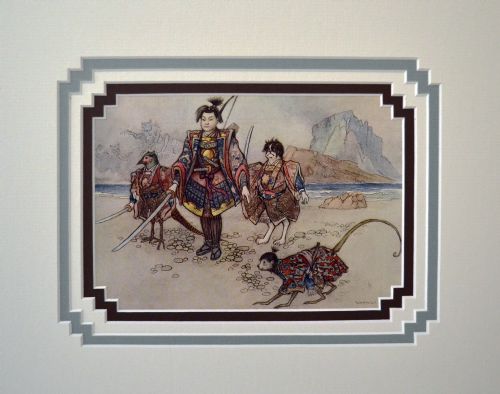
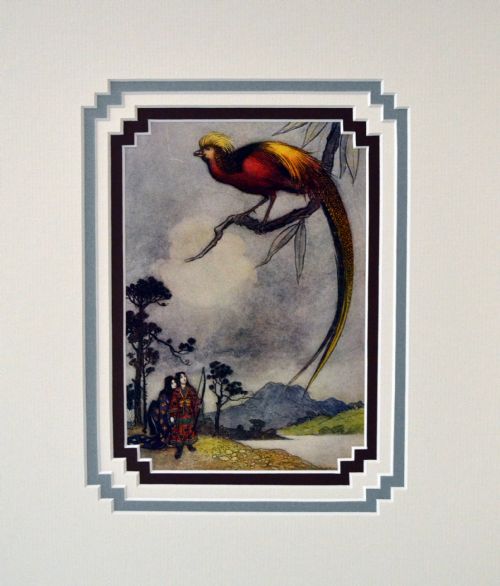


Framed Orientalist Art
Framed orientalist art brings the distant architecture, bustling streetscapes and vivid portraits of nineteenth-century travels straight onto a wall.
Framed Orientalist Art
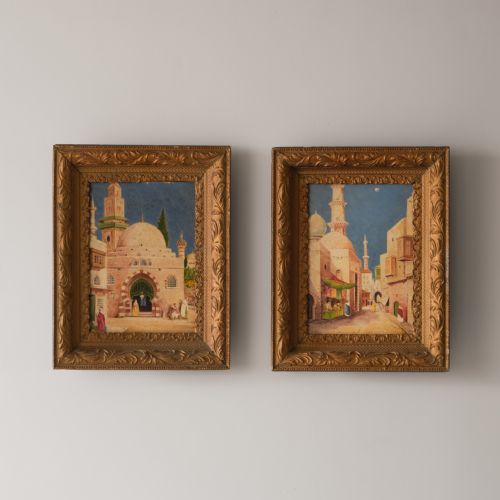
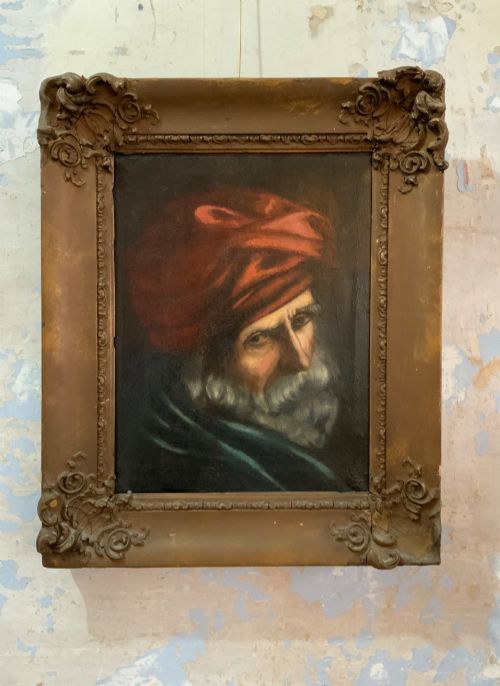
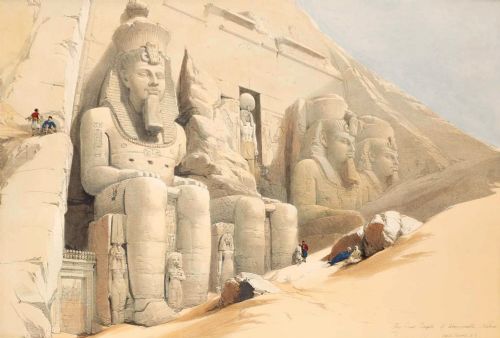
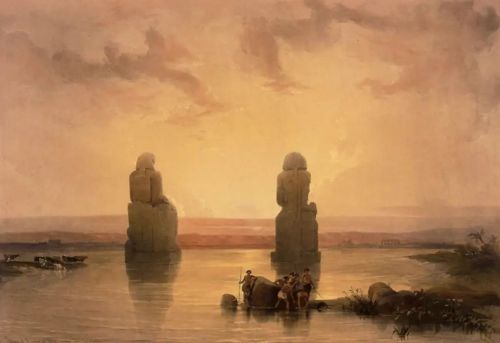
Framed orientalist art captures distant scenes of North Africa, the Middle East and Asia through the eyes of European and international travellers. These pieces span the nineteenth and twentieth centuries, taking the form of oil paintings, watercolours, charcoal drawings and early print reproductions. Subjects range from vast desert landscapes and river scenes to intimate portraits of local figures and intricate architectural studies.
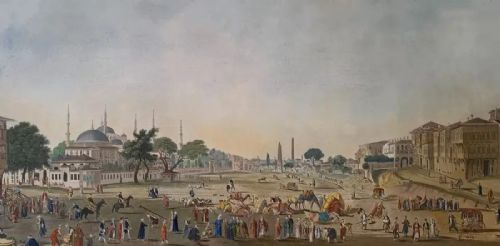
The most common examples on this page are nineteenth-century watercolours and oil paintings housed in period wooden frames. Many works record specific journeys along the Nile, visits to Constantinople or studies of Bedouin tribesmen in natural settings. Lithographs and photogravures after established artists also appear frequently, offering accessible entry points into the genre.
Materials and methods
Artists relied primarily on oil paint, watercolour, gouache and ink applied to canvas, paper, board or panel. Watercolours often utilised delicate washes to capture bright desert light, while oil paintings built up heavier textures to depict fabrics and shadows. Charcoal and pastel works employed heightened techniques to create sharp contrasts in portraits.
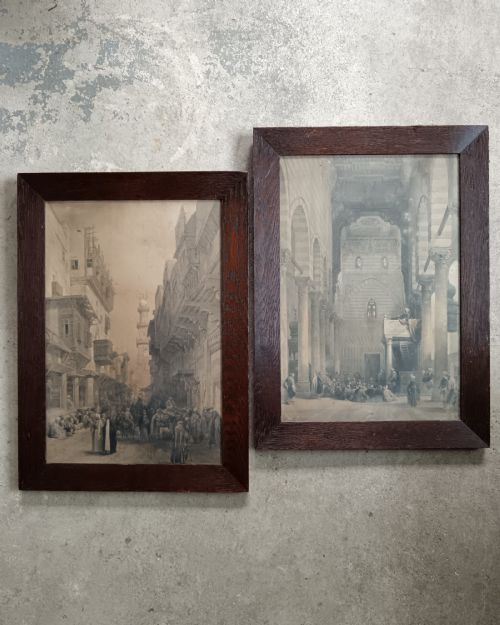
Framing forms an integral part of these pieces, utilising gilt wood, ebonised timber and original period mouldings that protect the fragile paper or canvas beneath glass. Lithographs and photogravures transferred drawn or photographic imagery onto paper using printing plates, frequently packaged within contemporary publishing formats before later framing.
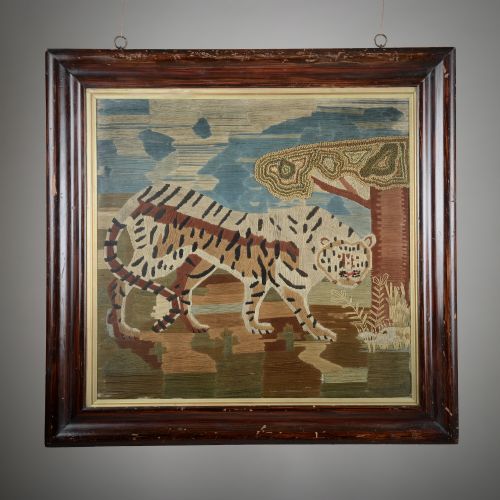
One nineteenth-century wool work abandons traditional paint entirely to portray a tiger in colourful textile threads.
Distinctions in quality
Quality rests heavily on the artist's ability to handle light and atmosphere without falling into caricature. Superior works display confident brushwork and precise topographical observation, whereas weaker examples rely on formulaic repetition of eastern motifs. The handling of human subjects requires sensitivity to posture and expression.
Materials also divide the range, from rapid sketches on paper to fully realised oil paintings on canvas. The preservation of the original framing, the clarity of the paper and the stability of the pigment dictate the overall execution of any given piece.
David Roberts·Anton Ignaz Melling·Herbert Gustave Schmaltz·Warwick Goble·Edwin Lord Weeks·Charles Bellay·Gabriel Puig Roda·Frederick Goodall·Anne Dorrien Smith·Otto Pilny
The Framed Orientalist Art Glossary
- Orientalism
- An artistic movement depicting the cultures, landscapes and peoples of the Middle East, North Africa and Asia. These depictions typically stem from Western perspectives shaped by nineteenth-century travel and exploration.
- Lithograph
- A print produced by drawing an image onto a limestone slab or metal plate with a greasy medium. The ink adheres only to the drawn areas before transfer to paper.
- Gouache
- An opaque water-based paint mixed with a binding agent and white pigment to create solid, flat colours. It allows artists to layer light tones over darker washes.
- Photogravure
- A printmaking process that produces photographic imagery through intaglio etching. It renders subtle tonal graduations across nineteenth-century book illustrations and fine art prints.
- Autochrome
- An early colour photography process invented by the Lumière brothers. It uses dyed potato starch grains on glass plates to capture naturalistic hues.
Framed Orientalist Art: Frequently Asked Questions
What subjects appear in orientalist art?
These works feature desert landscapes, bustling street markets, river scenes along the Nile and architectural studies of mosques and ancient ruins. Portraiture of local figures and rulers also forms a significant category.
Artists frequently recorded their direct travel observations, translating foreign environments into familiar Western compositional formats.
How should these framed pieces be hung?
Display them away from direct sunlight to prevent delicate watercolours and paper pigments from fading over time. Stable indoor humidity protects both the antique wooden frames and the canvas or paper supports.
Heavier oil paintings require secure wall anchors, while works under glass benefit from hanging on partition walls free from vibration.
How are periods identified in these works?
Dating relies on stylistic clues, framing techniques, paper watermarks and artist signatures recorded in historical records. Nineteenth-century pieces often reflect Romantic or Victorian travel accounts.
Twentieth-century examples introduce avant-garde compositions and altered printing technologies that distinguish them from earlier Victorian watercolours.
Were these works painted on location?
Many artists travelled extensively through Egypt, Turkey and the Levant, creating initial sketches and watercolours on site. These field studies frequently served as reference material for larger oil paintings finished back in European studios.
Printmakers later adapted these observations into published folios and illustrated travel books.