




Italian Architectural Painting
An italian architectural painting brings the grandeur of classical ruins, Venetian canals and Roman piazzas directly onto your walls.
Italian Architectural Painting
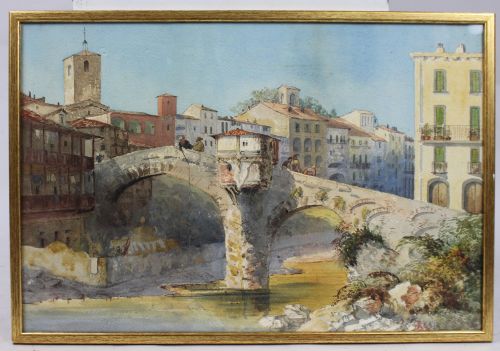
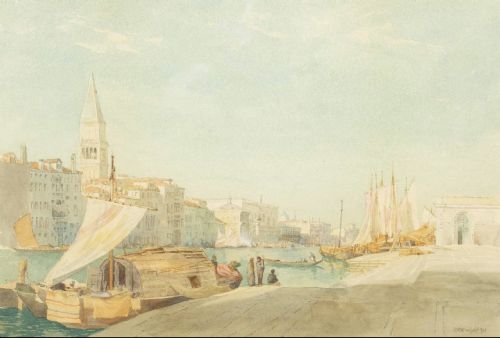
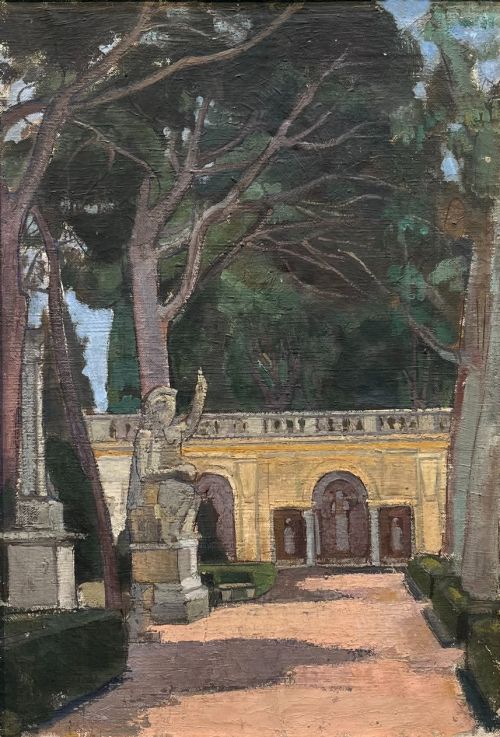
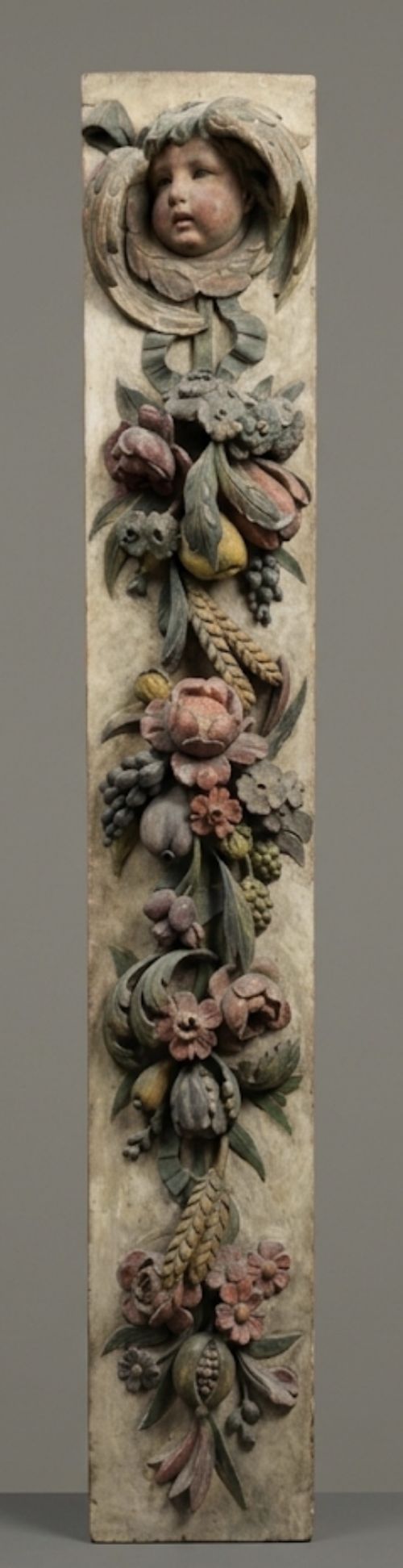
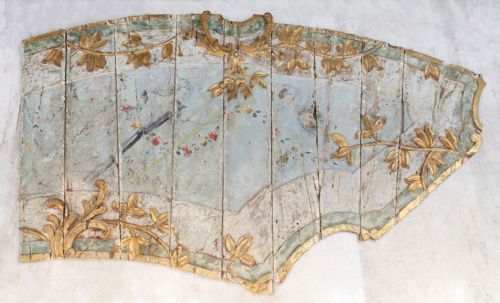
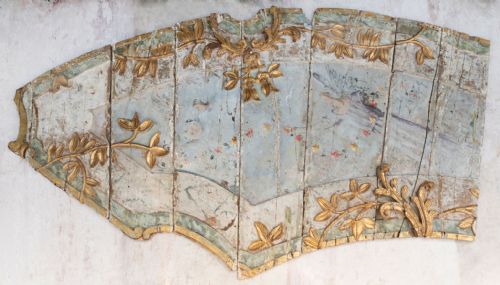
When searching for an italian architectural painting, you encounter works spanning from the seventeenth century through to the mid-twentieth century, capturing enduring views of Venice, Rome and Padua. These pieces range from intimate Grand Tour watercolours bought by travellers abroad to large oil paintings depicting classical ruins, cathedrals and bustling canals. Alongside traditional canvases and framed works on paper, you also discover painted wooden panels, tabernacles and architectural furnishings.
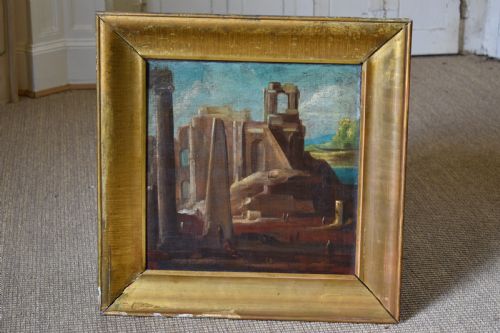
The selection leans heavily towards nineteenth-century productions, particularly detailed watercolours and oils celebrating famous landmarks like the Grand Canal, the Bridge of Sighs and the Roman Forum. Many of these are signed or attributed to known British and continental artists working in Italy, while others belong to broader regional schools. You also find seventeenth-century baroque panels and eighteenth-century capriccio compositions featuring imaginary classical architecture.
Materials and construction
These works rely on traditional media applied to paper, wood and canvas, often employing watercolour, oil paint, gouache, ink and pastel. Artists built up their architectural precision using fine brushwork for stone facades and perspective lines, occasionally incorporating gold leaf and gesso on carved wooden panels and architectural frames.
Support structures vary from simple paper sheets and canvas stretched over wooden frames to heavy carved wooden panels and polychrome architectural elements. Many pieces retain their period frames, constructed from wood with gesso detailing or parcel gilt finishes that complement the classical subject matter.
At least one artist clearly enjoyed adding tiny, oblivious gondoliers beneath heavy stone bridges while grand palazzos loom above.
Assessing quality and execution
Quality in these works rests upon the precision of the perspective, the handling of light on stone surfaces and the skill with which figures and architectural elements are integrated into the composition. Finer examples display confident draughtsmanship and atmospheric depth, whereas lesser works can appear stiff or formulaic in their rendering of classical facades.
The integrity of the material support also dictates standard, with original unlined canvases and untouched watercolours holding greater appeal than heavily restored surfaces. Furthermore, the presence of legible signatures, period framing and documented provenance elevates individual pieces above anonymous decorative items.
Thomas Ellison·Richard Henry Wright·Giovanni Paolo Panini·Claude Lorrain·Vittore Zanetti Zilla·Hercules Brabazon Brabazon·Pio Panfili·Emanuele Cappello·Wilfred Knox·Ettore Ascenzi·Alfred Pollentine·Helen Donald-Smith
The Italian Architectural Painting Glossary
- Grand Tour
- A traditional trip through Europe, chiefly Italy, undertaken by upper-class European young men of sufficient means as a European status symbol and educational trip. The watercolours and oils brought back from these journeys formed the core of many domestic collections.
- Capriccio
- An architectural painting combining buildings, archaeological ruins and other architectural elements in a fictional and often fantastical combination. Artists used this genre to assemble various classical monuments into a single picturesque composition.
- Gesso
- A paint mixture consisting of a white pigment, such as chalk or plaster, mixed with glue used to prepare a substrate like wood or canvas for painting or gilding. It frequently provides the raised relief details seen on antique frames and panels.
- Tabernacle
- An ornate, usually architectural structure housing a sacred object or painting, often constructed from carved and gilded wood. In domestic settings, these framed architectural surrounds gave paintings a shrine-like presence.
Italian Architectural Painting: Frequently Asked Questions
What is a grand tour painting?
A Grand Tour painting is a piece acquired by travellers during their educational journeys across Europe, focusing heavily on Italian architectural views, ancient ruins and scenic vistas.
These works served as tangible mementos of foreign travel, capturing specific landmarks like the Colosseum, the Roman Forum and Venetian canals to display in domestic interiors.
How do you date architectural paintings?
Dating relies on stylistic clues, artists' active periods, costume details of any figures present, and the physical evidence of the canvas, paper or wooden panel.
Frame construction and handwritten inscriptions or signatures on the reverse also provide reliable indicators of a work's creation period.
What is an architectural capriccio?
An architectural capriccio is an imaginative composition that places real classical ruins, temples and monuments side by side in a fictional landscape.
Rather than recording a literal view, the artist composed an idealized scene to showcase mastery of perspective and classical forms.
Where were these paintings displayed?
Historically, these artworks hung in the libraries, drawing rooms and galleries of grand houses, often framed in ornate carved wood to complement interior architectural woodwork.
Today, they suit traditional studies, hallways and living spaces where their classical subjects and atmospheric tones can be viewed closely.