





Twentieth Century Landscape Painting
Twentieth century landscape painting captures fields, rivers, and coastal scenes through changing decades and shifting artistic movements.
Twentieth Century Landscape Painting
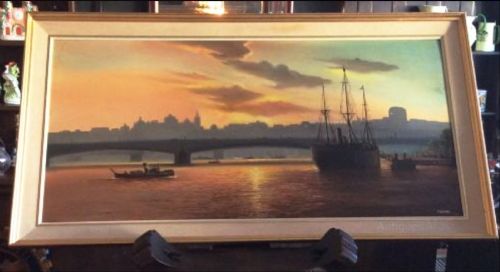
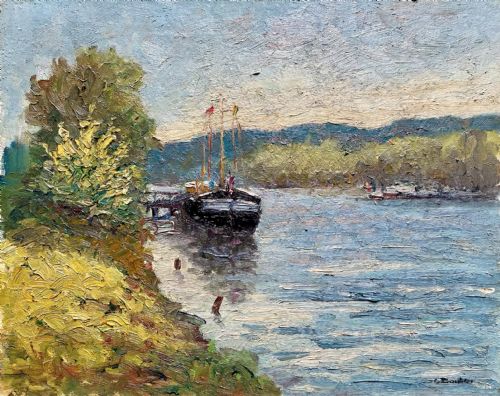
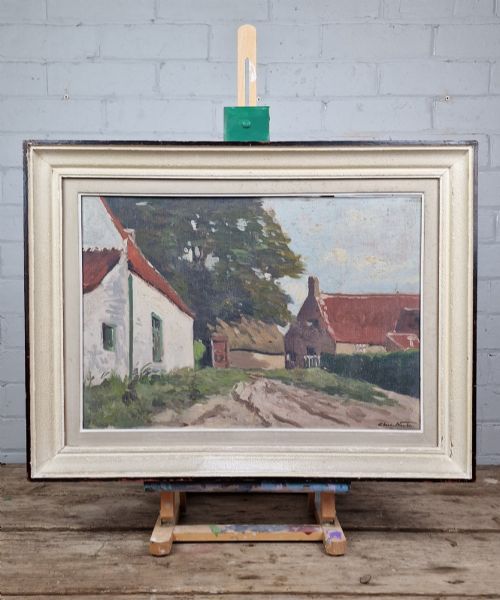
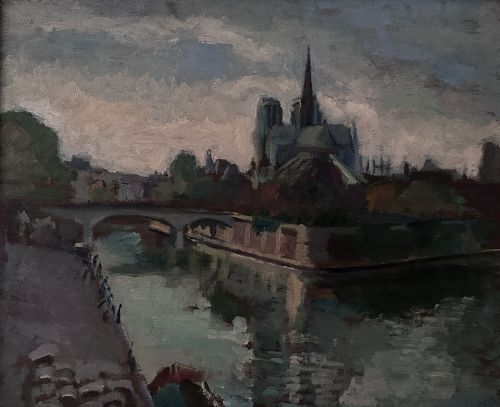
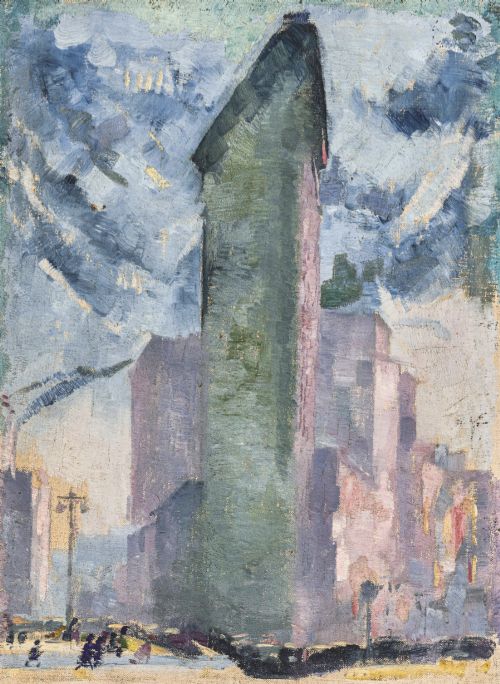
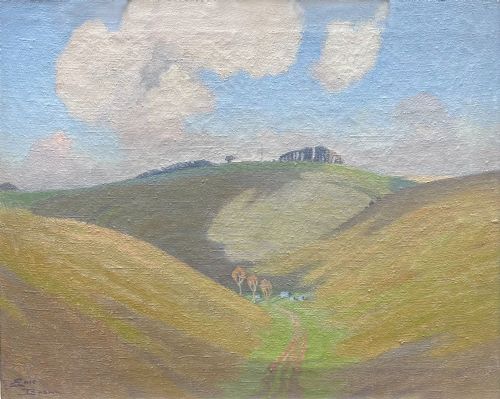
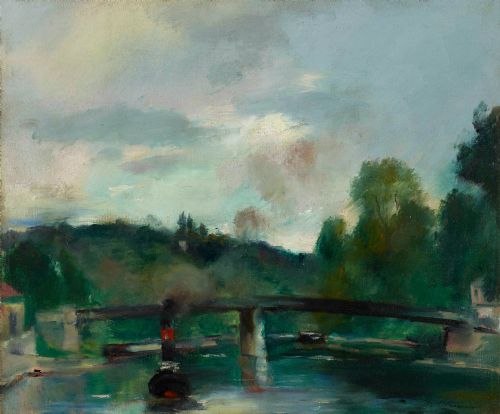
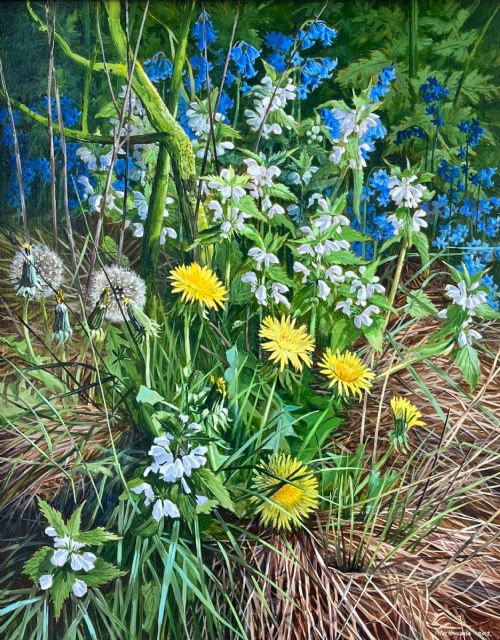
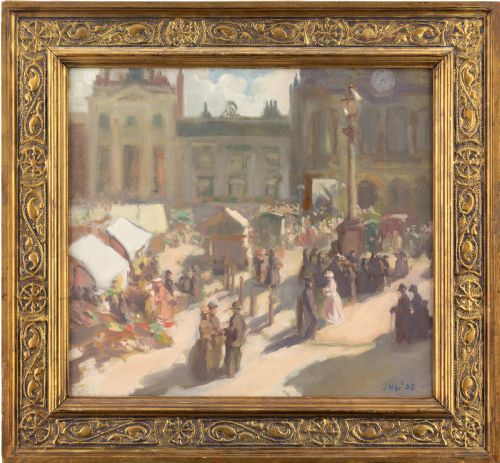
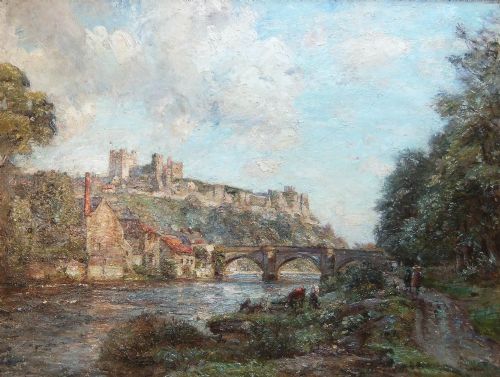
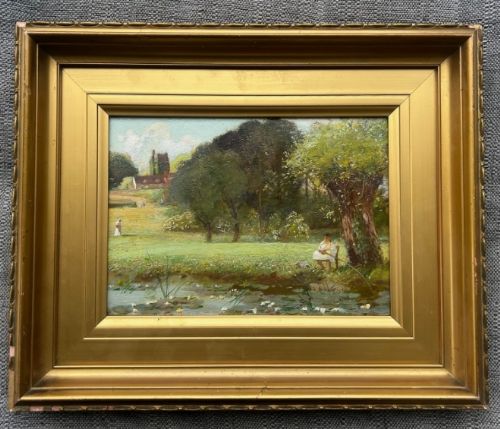
A twentieth century landscape painting records rural views, urban rivers, and coastal harbours produced across the decades from nineteen hundred to nineteen sixty. Buyers searching this phrase meet works reflecting British Impressionism, Post-Impressionism, and Modern British movements.
The selection ranges from rural watercolours of Yorkshire and the Scottish Borders to continental street scenes and marine subjects. These pieces capture specific localities through the evolving styles of the era.
Materials and methods
Artists painted primarily with oil paint or watercolour applied to canvas, wood panels, paper, and board. Canvases and wooden boards provided robust surfaces for textured oil pigments, whilst paper suited fluid watercolours.
Works often feature framing in wood and glass, protecting the painted surface and paper supports from environmental damage over time.
Listings feature works created across multiple decades, utilising canvas, board, paper, and wood.
Distinctions in quality
Quality depends on the surety of the brushwork and the artist's ability to render light and atmosphere within the composition. Stronger pieces demonstrate confident handling of pigment and balanced spatial arrangement across the canvas or paper.
The reputation of the maker and documented exhibition history also influence the standing of an individual work within the broader field.
Clifford Hanney·Charles Houben·Alfred Wolmark·Eric Brown·Henri Ottmann·Peter Newcombe·John Hodgson Lobley·Herbert Royle·Paul Élie Gernez·Sir David Murray·Gabriel Dauchot·Fred Lawson·Robert Leslie Howey·Merio Ameglio·Stanley Orchart·Donald McIntyre·William Grant Murray·Florence Hess·Cecil R Doyly John·Helmut Reuter·Ernest F Hill·Berthe des Clayes·John Hobson Nicholson·Frank Wood·William Lambert Bell
The Twentieth Century Landscape Painting Glossary
- Oil on canvas
- Pigment suspended in drying oil applied to a woven fabric support. This combination allows for rich texture and deep colour saturation.
- Watercolour
- Paint made with water-soluble pigments on paper supports. It produces translucent washes of colour.
- Post-Impressionism
- An artistic movement following Impressionism that prioritised symbolic content and expressive use of form and colour over naturalistic representation.
- Panel
- A flat piece of wood used as a rigid support for painting in oil.
Twentieth Century Landscape Painting: Frequently Asked Questions
What subjects appear in twentieth century landscape painting?
These works depict rural countryside, rivers, urban bridges, markets, and coastal harbours. Scenes range from local Yorkshire dales to French rivers and Venetian streets.
Artists recorded these locations in diverse styles reflecting contemporary artistic movements of the period.
How do I care for these paintings?
Protect oil and watercolour pieces from direct sunlight and damp environments to prevent fading and material degradation. Glazed watercolours particularly require stable humidity levels.
Regular dusting with a dry, soft cloth helps maintain the frame and surface.
How can I tell watercolours and oils apart?
Watercolours are executed on paper under glass, featuring translucent washes and visible paper texture. Oil paintings utilise heavy pigments on canvas, board, or wood panels, showing tangible brushstrokes.
Oils generally possess a heavier surface texture compared to flat watercolour paper.
What periods do these paintings cover?
The selection spans from nineteen hundred through the nineteen sixties, encompassing Edwardian, Impressionist, and Modern British phases. Each decade introduced distinct tonal treatments and subject preferences.
Early pieces often reflect traditional topography, whilst later works embrace modernist abstraction.