



Traditional Oil Landscape
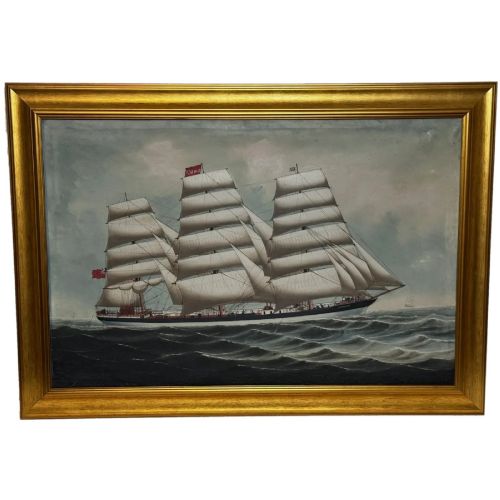
Traditional oil landscape paintings capture historic countryside scenes through layered brushwork on canvas or wood panel, bringing heritage and depth into modern interiors.
Traditional Oil Landscape
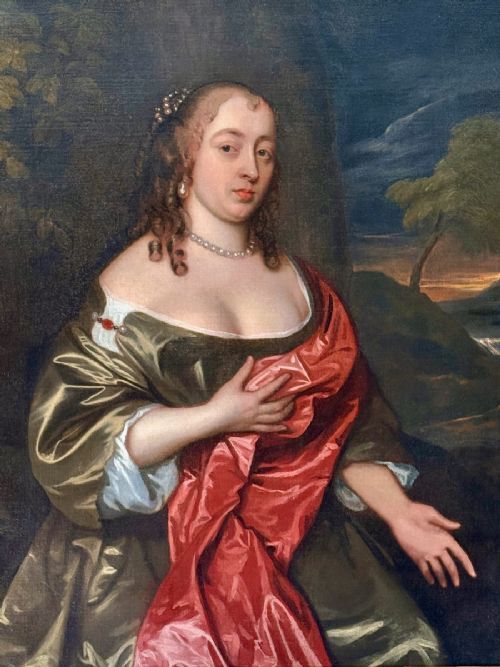
A traditional oil landscape brings historical pastoral views, rural cottages, and coastal scenes directly into domestic spaces. Collectors searching this phrase encounter works dominated by nineteenth-century British and European pieces alongside eighteenth-century compositions.
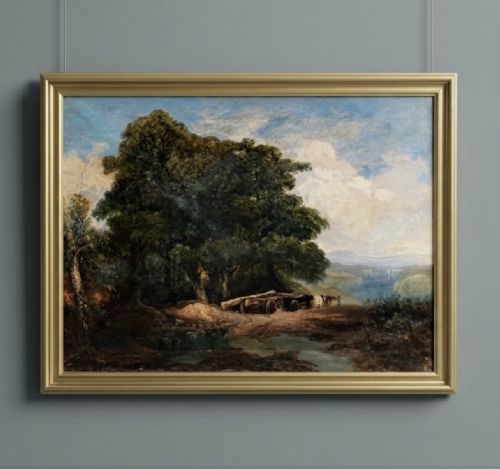
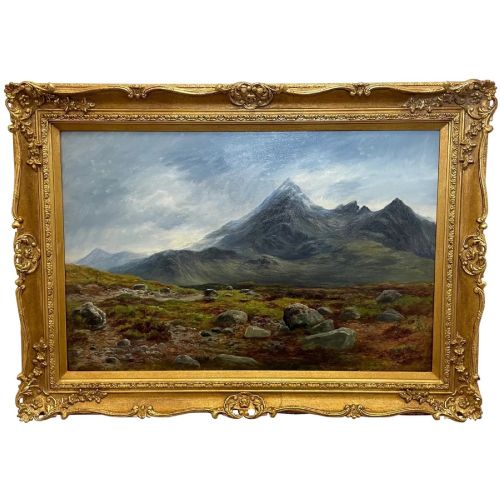
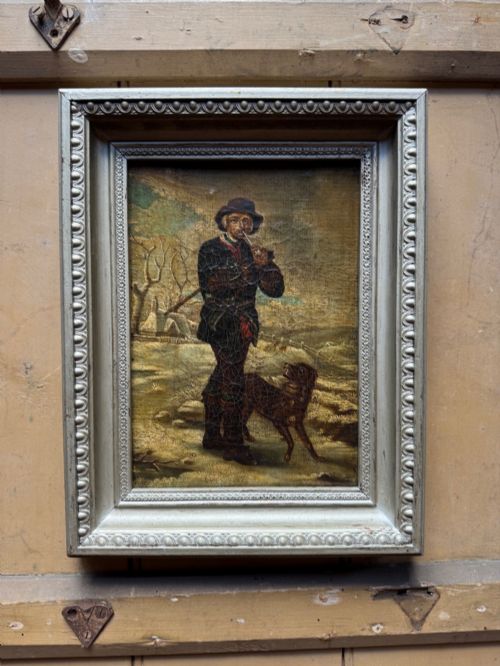
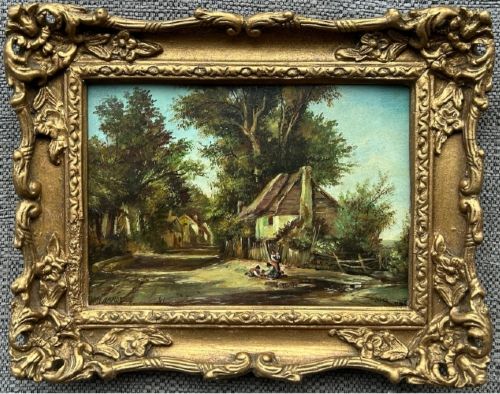
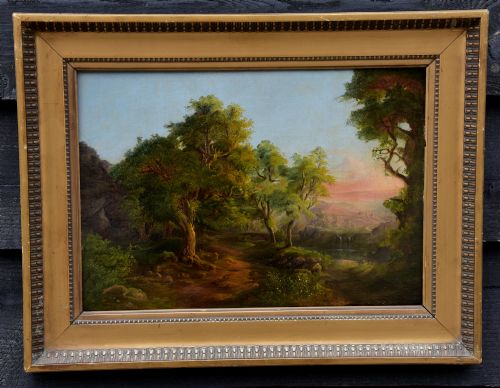
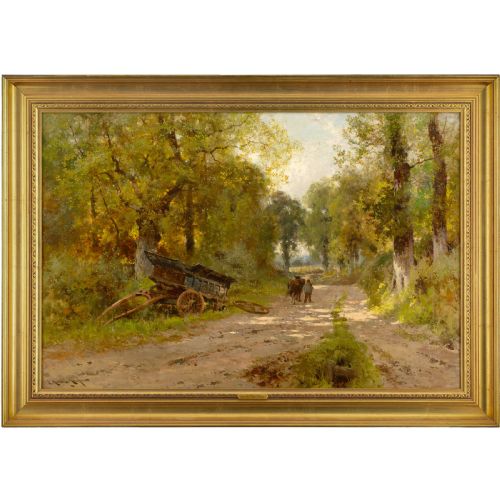
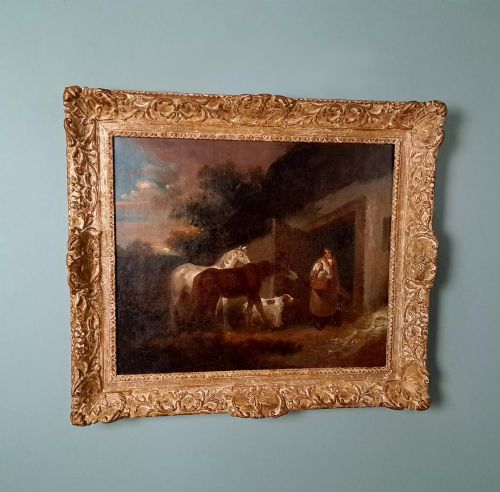
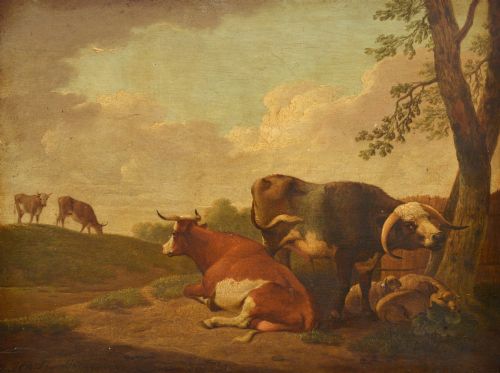
The most common formats on this page include framed canvases and wood panels depicting woodland paths, riverbanks, and livestock. These paintings range from intimate cabinet pieces to large gallery-scale works carrying substantial giltwood frames.
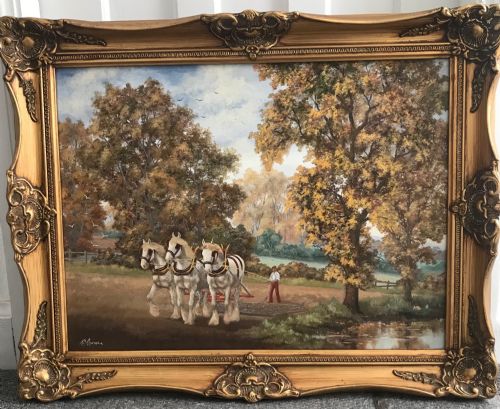
Subjects frequently centre on everyday rural life, featuring figures near harvest fields, cattle grazing, or quiet waterways under expansive skies. Such compositions reflect regional British and continental schools from the Georgian era through the Edwardian period.
Materials and construction methods
Artists built these traditional oil landscape pieces using oil paint applied to stretched canvas, wood panels, or millboard. Pigments were layered to create atmospheric depth in skies and foliage, often finished with protective varnishes.
Frames form an integral part of the physical object, constructed from wood and embellished with gesso and gilt. Ornate giltwood mouldings complement the painted scene while protecting the edges of the canvas or panel.
Traditional Oil Landscape Retail Price Guide 2026
Typical asking prices for traditional oil landscape among the pieces listed under this phrase on Sellingantiques today, from the lower quarter to the upper quarter. They describe what is for sale here now, not the wider market.
Frames include ornate giltwood and gesso constructions alongside simpler nineteenth-century wood mouldings.
Indicators of painterly standard
Quality in a traditional oil landscape rests upon the handling of light, atmospheric perspective, and the confidence of the brushwork. Master practitioners convey texture in foliage and water through varied application rather than flat colour.
The integrity of the original support and the condition of the pigment layer distinguish superior examples. Retained period frames matching the era of the canvas add significant cohesion to the piece.
Richard Sebastian Bond·William Beattie-Brown·Tom Campbell·Hendrik Willem Schweickhardt·Thomas Sidney Cooper
The Traditional Oil Landscape Glossary
- Oil on Canvas
- A painting technique where oil-based pigments are applied to a woven fabric support stretched over a wooden frame. This combination allows for rich colour blending and durable surface textures.
- Wood Panel
- A rigid support base made from timber used by artists before canvas became universal. Panels provide a stable surface that preserves fine detail over centuries.
- Giltwood
- Wood carved and coated with a thin layer of gold leaf or metallic powder. It provides ornamental framing that enhances the luminance of the oil painting within.
- Gesso
- A paint mixture consisting of a binder mixed with chalk, gypsum, or pigment used as a smooth base on frames. It forms the foundation for subsequent gilding and decorative moulding.
- Pastoral Landscape
- A genre of art depicting idealized rural life, shepherds, and domesticated animals in a harmonious countryside setting. These scenes evoke a sense of calm and agrarian simplicity.
Traditional Oil Landscape: Frequently Asked Questions
How do I date a traditional oil landscape?
Dating relies upon examining the canvas weave, stretcher construction, and panel preparation alongside stylistic clues in the painting. Costume details of any figures depicted also provide a reliable temporal anchor.
Frame styles frequently match the period of the artwork, though older paintings occasionally receive later Victorian or Edwardian replacement frames.
What is the difference between canvas and panel?
Canvas supports offer flexibility and a textured weave that interacts with heavier brush application. Wood panels provide a completely rigid surface that allows for minute, precise brushwork.
Panels are often associated with earlier periods or specific regional schools, while large-scale landscapes almost exclusively employ stretched canvas.
Where should I hang these oil paintings?
These works suit traditional reception rooms, studies, or hallways where natural light complements the rich tones of oil paint and gilt frames. Positioning them away from direct sunlight protects the pigments from fading.
Maintaining stable room humidity prevents the wood panels from warping and keeps canvas tension secure over time.