


British Countryside Painting
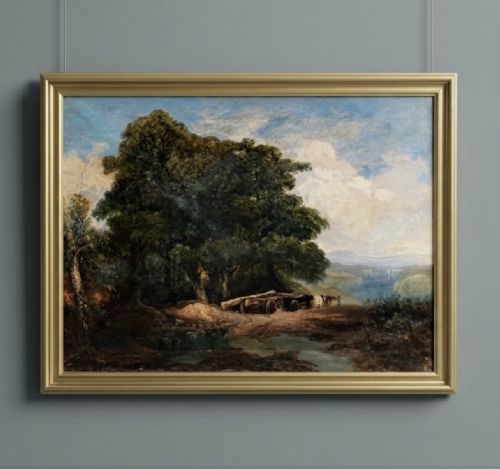
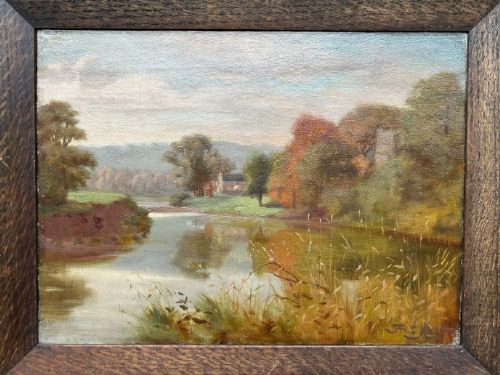
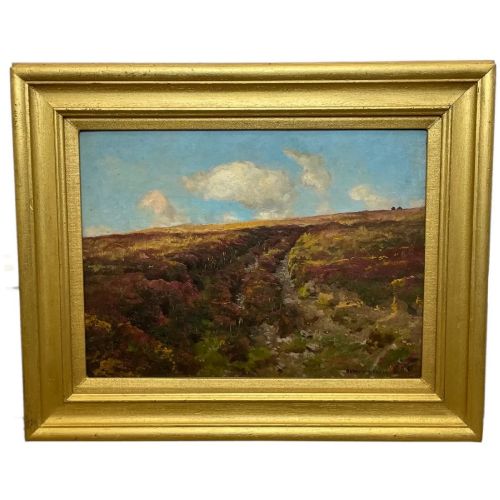
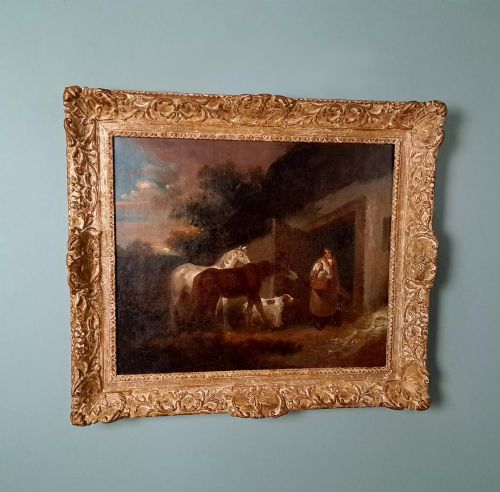
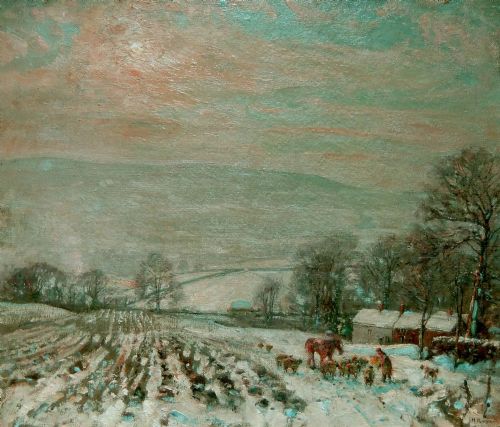
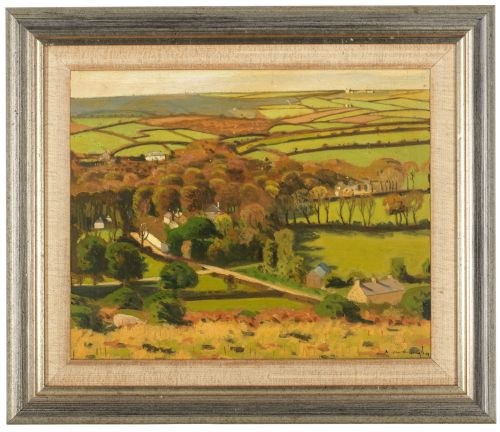
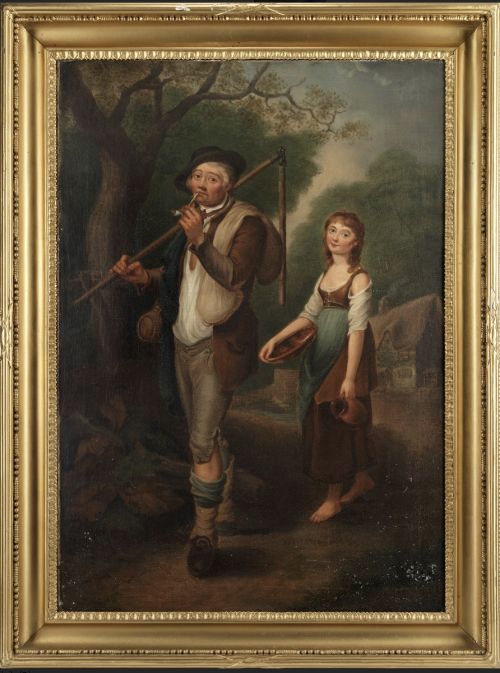
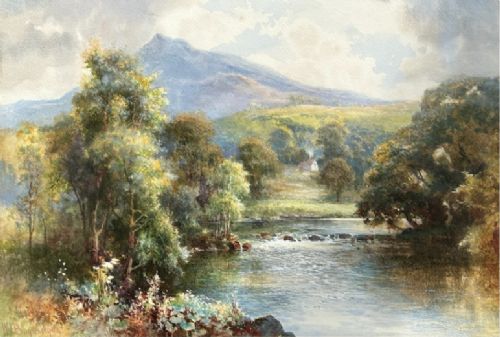
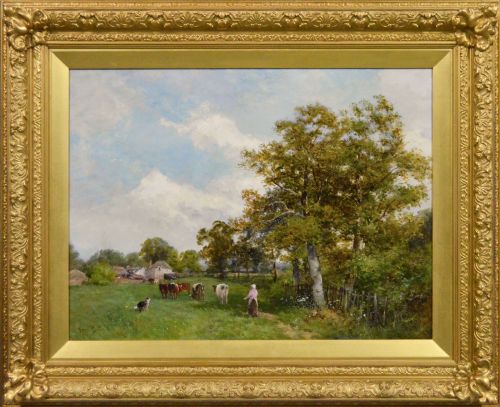
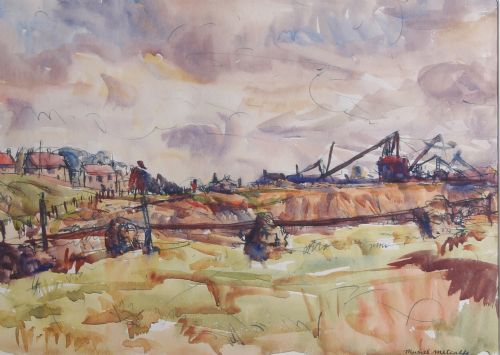
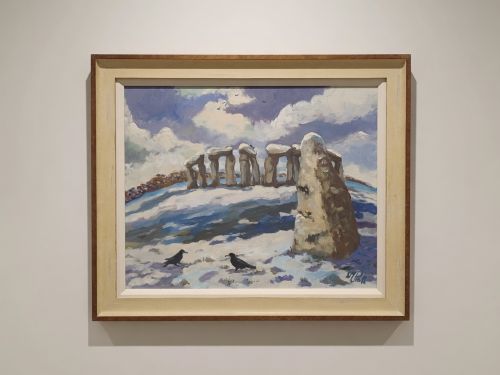
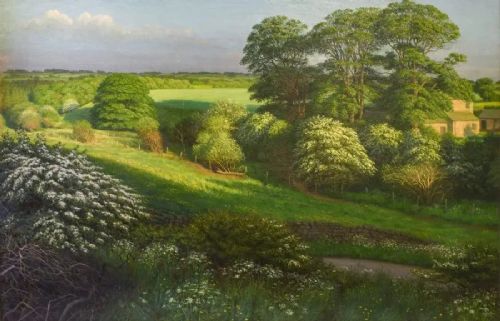
These pieces of british countryside painting capture fields, rivers and villages through oils and watercolours spanning the Victorian era to the mid twentieth century.
Identifying british countryside painting
A british countryside painting depicts rural scenes, rivers, valleys and figures across England and Wales in varied historical styles.
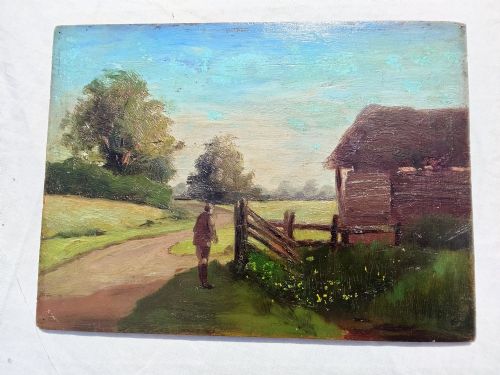
Buyers meet works originating from the Victorian period, Edwardian era and the twentieth century, rendered on canvas, board or paper.
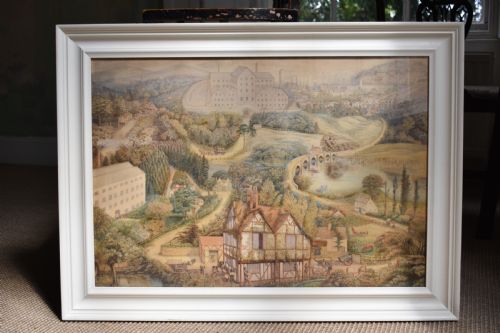
The subjects range from Welsh river views to English rural settlements and pastoral studies.
Materials and construction
Artists utilise watercolour pigment on paper or oil paints applied to canvas and board to build these landscape compositions.
Many works retain their original wood and giltwood framing behind glass to protect the painted surfaces.
Retail Price Guide 2026
Typical UK retail prices for british countryside painting, calculated from the Sellingantiques database of over a million retail prices indexed since 2003. This retail price guide relies exclusively on Sellingantiques data; no external sources or auction records are used, so the figures do not describe the wider market.
The listings show watercolours and oil paintings on canvas, board and paper created across the Victorian period, Edwardian era and twentieth century.
Assessing quality
Quality rests on the confidence of the brushwork and the artist's command of light, atmosphere and perspective within the rural setting.
The preservation of the pigment, paper or canvas, alongside the condition of any original giltwood framing, shapes the standing of each piece.
William Joseph Boyes·Raymond Booth·Thomas Spinks·Harold Swanwick·Arthur Willett·Fred Lawson·Percy Hipkiss·FW Hinsley·John Westall·Pamela Hughes
The British Countryside Painting Glossary
- Watercolour pigment
- A water-based medium applied to paper to create transparent washes of colour that capture light and atmosphere.
- Oil on canvas
- Pigment mixed with drying oil applied to a woven fabric support stretched over a wooden frame.
- Giltwood
- Wood carved and coated with gold leaf or a gold-coloured metallic finish, commonly used for historical picture frames.
- Victorian Realism
- An artistic approach focusing on accurate, detailed representation of subjects prevalent during the reign of Queen Victoria.
Frequently Asked Questions
What periods do these paintings cover?
The works span the nineteenth century, including Victorian and Edwardian periods, alongside twentieth century examples.
Dates extend from the late nineteenth century through to the nineteen forties.
What materials were used?
Artists employed oil on canvas or board, and watercolour pigment on paper.
Frames incorporate wood, glass and giltwood finishes.
How should I display them?
Keep watercolours behind glass out of direct sunlight to prevent fading of the pigment.
Ensure oil paintings on canvas are hung away from excessive moisture and temperature fluctuations.
Where do the scenes originate?
The compositions depict English and Welsh rural landscapes, rivers and country settlements.
Locations such as North Wales and specific river valleys appear frequently.