





Impasto Cityscape Oil Painting
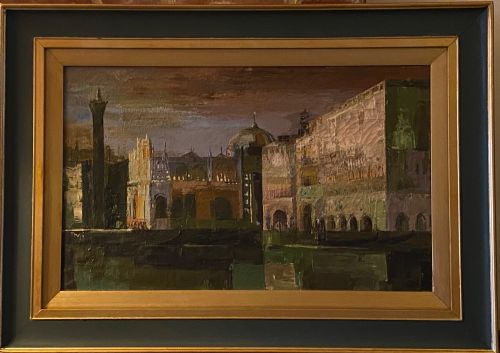
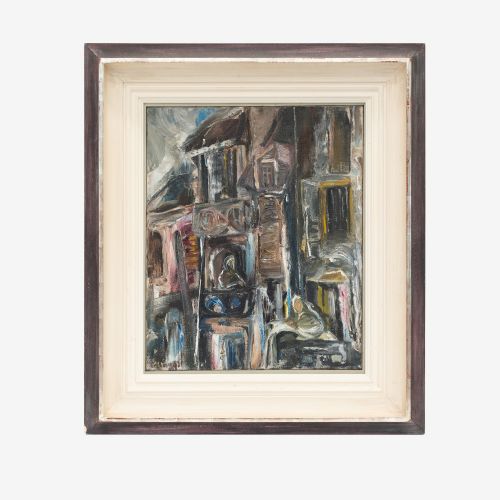
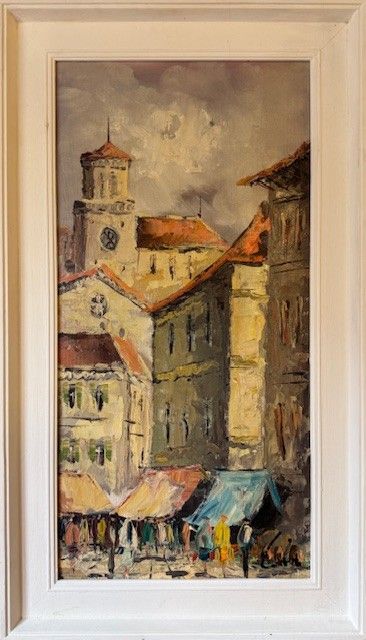
An impasto cityscape oil painting captures urban energy through heavy, tactile brushwork that builds solid texture directly onto the canvas.
Impasto Cityscape Oil Painting
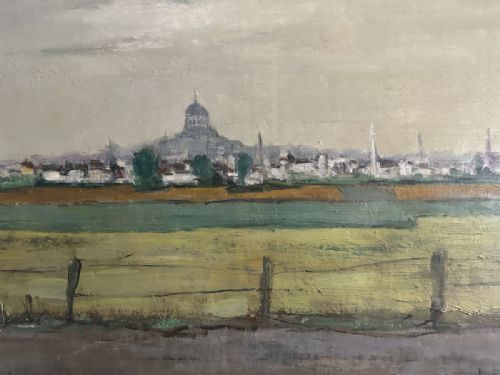
An impasto cityscape oil painting brings bustling streets, Parisian markets, and European canals into interior spaces through thick, raised pigment. Buyers searching for an impasto cityscape oil painting will find works originating predominantly from the mid-century decades, spanning the nineteen-twenties to the nineteen-sixties. These pieces utilise styles ranging from mid-century impressionism and expressionism to post-impressionism and German expressionism.
The subjects focus on urban environments, featuring continental cities, bridges, cathedrals, and market squares. Works appear on both canvas and board, frequently housed within wood or gilt wood frames. Examples include signed compositions by named artists alongside anonymous street scenes from France, Germany, Venice, and Spain.
Materials and application
Artists create these works using oil paint applied thickly onto canvas or wooden board to build physical dimension and surface relief. The pigment is often manipulated with a palette knife or stiff brush to leave distinct, raised strokes that catch the light. Supports include stretched canvas and sturdy board, framed typically in wood or gilt wood surrounds that complement the heavy application of paint.
Several canvases carry decades of stubborn studio dust permanently locked into their thickest peaks of dried oil paint.
Assessing quality
Quality in these works rests upon the confidence of the brushwork and the dynamic handling of thick pigment to evoke architectural form and atmospheric light. The distinction between standard and superior pieces lies in how successfully the heavy texture defines the space rather than merely sitting on the surface. Framing also contributes, with original wood or gilt wood settings enhancing the overall integrity of the composition.
Lilian Colbourn·Caroline Burnett·E A Minardo·Hein Hoppmann·Emanuele Cappello·Liner
The Impasto Cityscape Oil Painting Glossary
- Impasto
- A technique where paint is laid onto a surface in very thick layers, usually thick enough that the brush or palette knife strokes are visible. This method allows the artwork to capture light dynamically and creates physical texture.
- Oil on Canvas
- A traditional painting medium where oil-based paints are applied to a woven fabric stretched across a wooden frame. Canvas provides a resilient and slightly flexible support well-suited for heavy pigment application.
- Oil on Board
- A painting method utilising rigid wooden board as the primary support instead of stretched fabric. Board offers a completely firm surface for artists working with dense impasto layers.
- Post-Impressionism
- An art movement extending beyond impressionism that prioritises symbolic content and heavy structural brushwork over naturalistic depiction. Works in this style emphasise bold colours and distinct forms.
- German Expressionism
- An early twentieth-century modernist movement characterised by distorted forms and intense emotional impact. Paintings in this tradition convey subjective moods regarding urban and industrial scenes.
Impasto Cityscape Oil Painting: Frequently Asked Questions
How do I hang a heavy impasto oil painting?
Ensure your wall fixings are secured directly into wall studs or use heavy-duty wall anchors rated for the weight of the framed canvas and thick paint layers.
Position the painting at eye level to properly appreciate the tactile surface texture and dimensional brushwork from a natural viewing distance.
What defines mid-century cityscapes?
These works capture urban environments during the mid-twentieth century using expressionist or impressionist techniques that emphasise mood and atmosphere over strict architectural precision.
Common motifs include European street scenes, bridges, and market squares rendered with loose, energetic brushwork.
How do I date a vintage oil painting?
Examine the materials, including the type of canvas stretcher, framing style, and any inscriptions or signatures recorded on the reverse of the board or canvas.
Stylistic markers such as mid-century modern or expressionist aesthetics also help narrow the decade of production alongside framing evidence.