
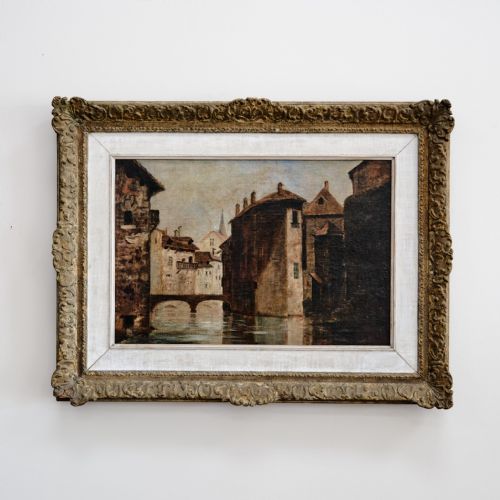
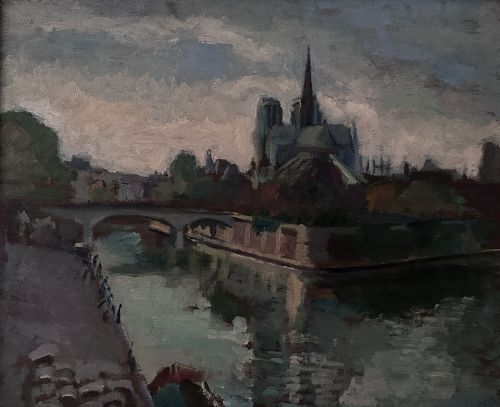
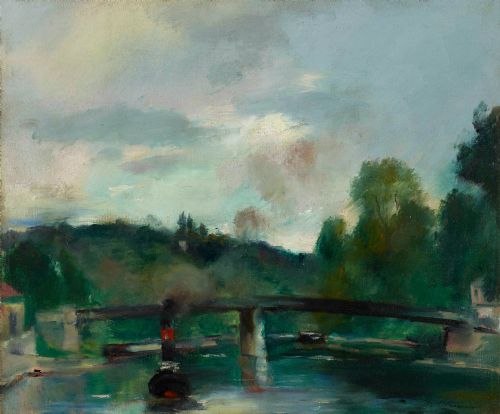
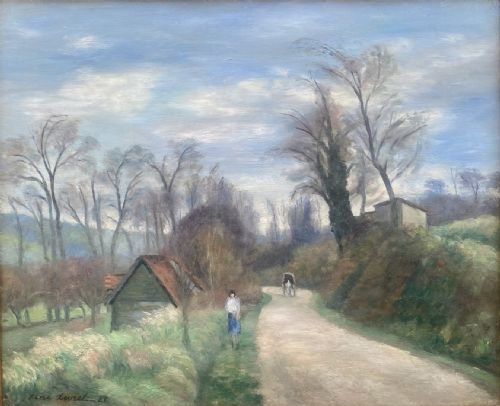


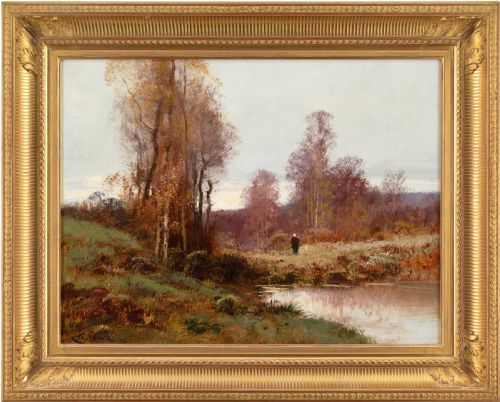

Original French Oil Landscape
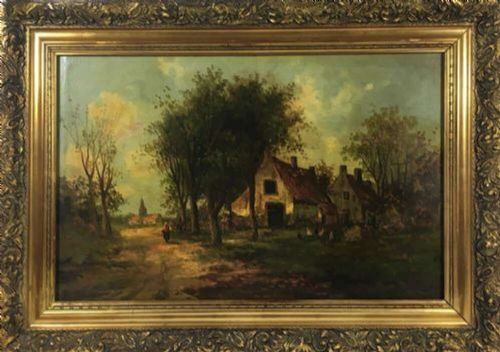
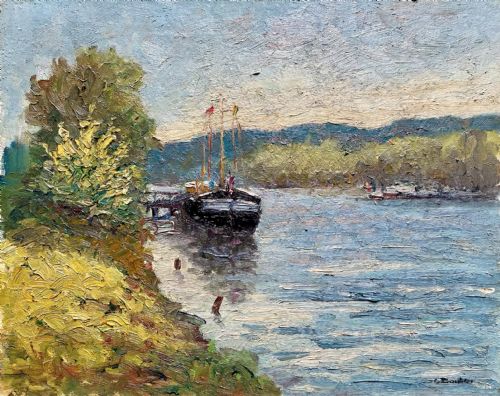
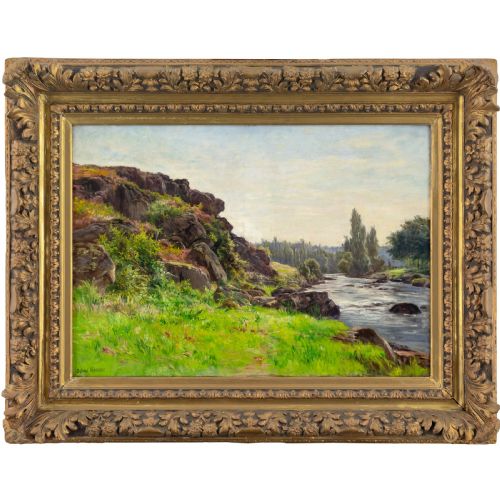
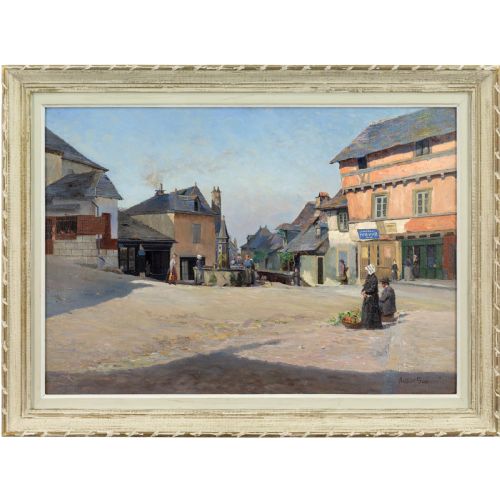
An original french oil landscape captures the shifting light of rural valleys, city quays and coastal shores through the focused brushwork of continental artists.
Original French Oil Landscape
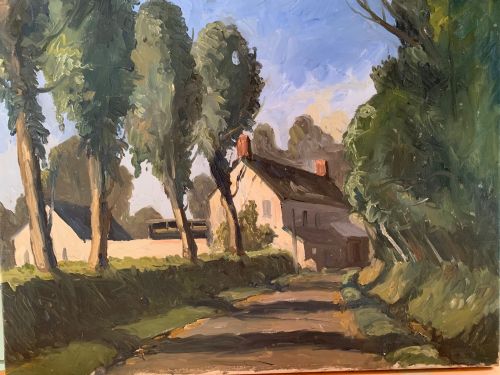
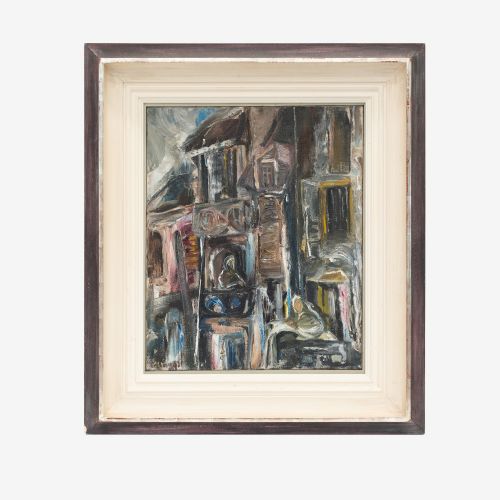
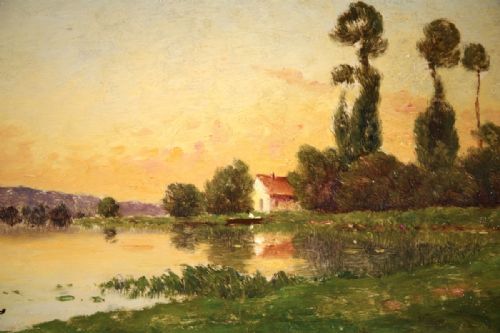
When hunting for an original french oil landscape, collectors encounter works executed across the nineteenth and twentieth centuries, capturing rural scenes, riverbanks, and urban streetscapes. The selections span academic traditions, impressionist plein air studies, and mid-century interpretations of French scenery.
The physical formats range from intimate panels to large canvases, depicting subjects such as the banks of the Seine, Norman coastlines, and Provençal courtyards. Many pieces bear signatures or studio attributions connecting them directly to regional French schools and named painters.
How They Were Made
Painters applied oil paint directly onto stretched canvas, wooden panels, or board supports, utilising brushes and palette knives to build texture and depth. Ground layers prepared the surface before the application of pigments mixed with drying oils.
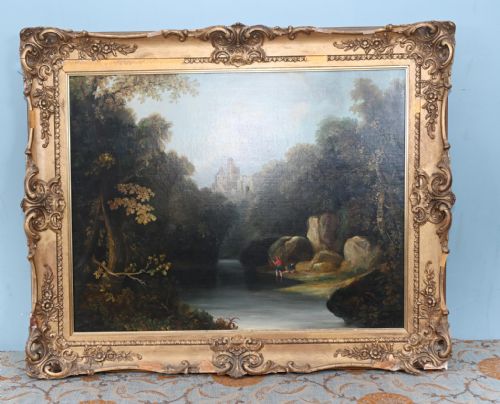
Surviving works frequently retain their original framing configurations, utilising wood, gesso, and gilt wood mouldings to protect and complete the visual presentation of the painted surface.
Listings feature works spanning from the 1860s through to the 1960s, executed in oil on canvas, wood, and gesso panels.
What Varies In Quality
The strength of an original french oil landscape relies on the confidence of the brushwork and the artist's ability to render atmospheric light and spatial depth. Works executed with assured, expressive marks outrank timid or formulaic compositions.
Provenance and documentation elevate individual pieces, particularly when a painting carries a verified signature, exhibition history, or clear connection to a recognised regional school or artistic movement.
Gabriel Mathieu·Arthur Gué·Henri Ottmann·Rene Levrel·Paul Désiré Trouillebert·Lilian Colbourn·Honore Cavaroc·Charles Clair·Henri Jaques Delpy·Paul-Jean Anderbouhr·Raymond Moritz·Louis Suire·Gustave Vidal·Jean-Baptiste Olive·André Prévot-Valéri·Gabriel Dauchot·Mario Pinetti·Ron Folland·Mercedes Legrand·Majorie Hoare·Charles Malfroy
The Original French Oil Landscape Glossary
- Barbizon School
- A nineteenth-century French art movement focused on realist landscape painting inspired by direct observation of nature. Adherents painted outdoors in the forest of Fontainebleau and surrounding rural departments.
- Gesso
- A traditional paint mixture consisting of a neutral binder mixed with chalk, gypsum, or pigment used to prepare wood panels and canvas surfaces. It also forms the carved decorative relief on antique picture frames.
- Post-Impressionism
- A predominantly French art movement developing roughly between the late nineteenth century and the early twentieth century. Artists extended impressionist use of vivid colour while exploring structural form and expressive content.
- Plein Air
- The act of painting outdoors to capture direct observations of natural light, weather, and landscape scenery. This method gained widespread use among nineteenth-century French landscape painters.
Original French Oil Landscape: Frequently Asked Questions
How do I identify a Barbizon school landscape?
Barbizon paintings focus on rural French terrain, farmyards, and forests with earthy palettes and moody atmospheric lighting. They date predominantly from the mid to late nineteenth century.
Brushwork appears less fractured than later impressionist works, prioritising tonal harmony and quiet naturalism over bright spectral contrasts.
Are these paintings executed on canvas or board?
Surviving works utilise both traditional woven canvas supports and rigid wooden panels or board. Canvas was standard for larger studio paintings, while smaller outdoor studies often utilised wood.
Both support types appear across the nineteenth and twentieth-century selections depending on the artist's preferred working method.
What subjects are most common in these French landscapes?
Common subjects include the river Seine, Norman coastal towns, Paris streetscapes, Brittany harbours, and sunlit Provençal courtyards. Figures frequently appear as fishermen, harvesters, or casual strollers.
Artists recorded these specific locales during travels or periods of residency across different French regions.
How do I care for an antique oil painting?
Display oil paintings away from direct sunlight, high humidity, and rapid temperature fluctuations to protect both the canvas support and the brittle oil paint layer. Avoid using chemical cleaners on the surface.
Dust gently with a soft, dry brush and consult a professional conservator if the varnish darkens or surface cracking appears.