
Antique French Canvas Painting
An antique french canvas painting brings centuries of European portraiture, landscape and still life straight to your wall.
Antique French Canvas Painting
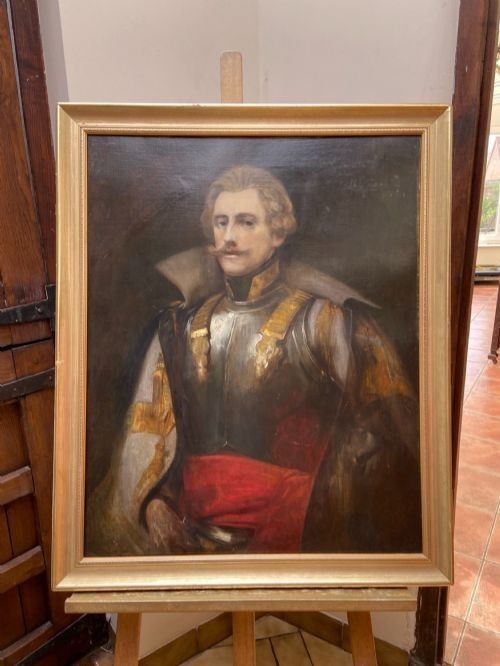
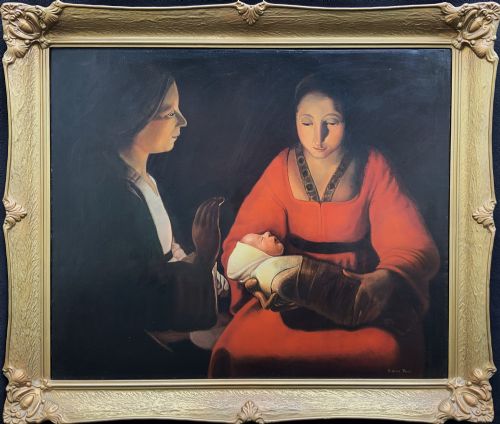
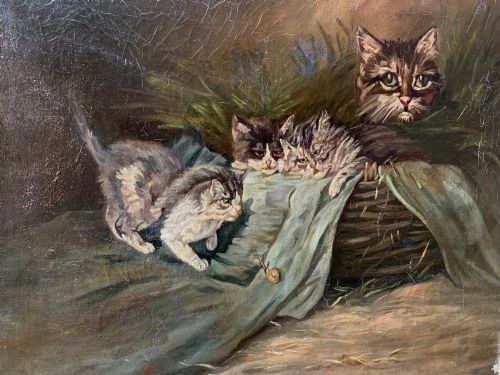
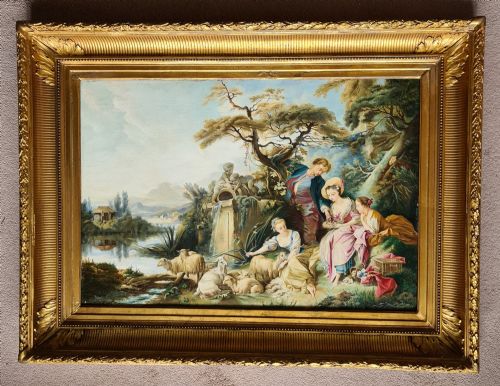
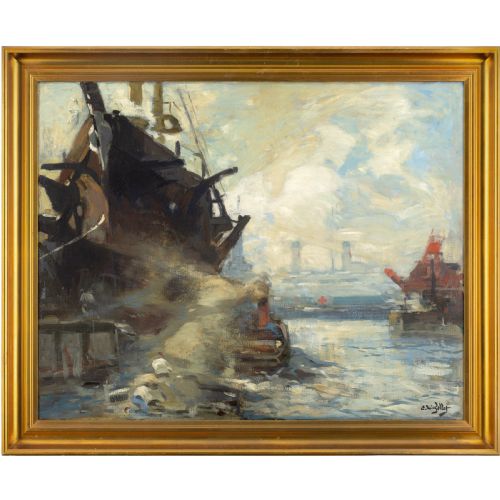
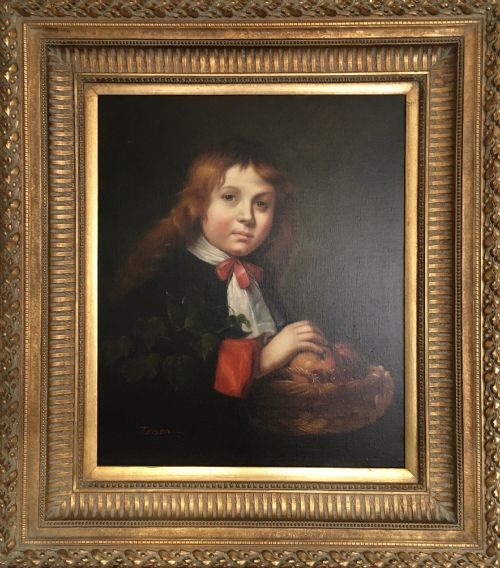
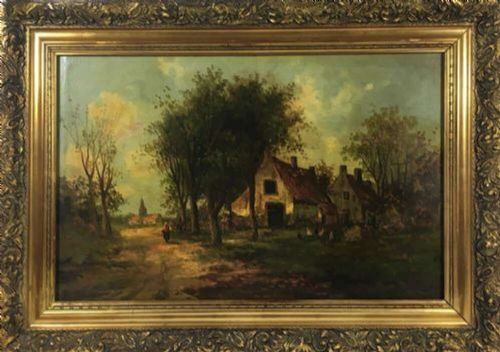
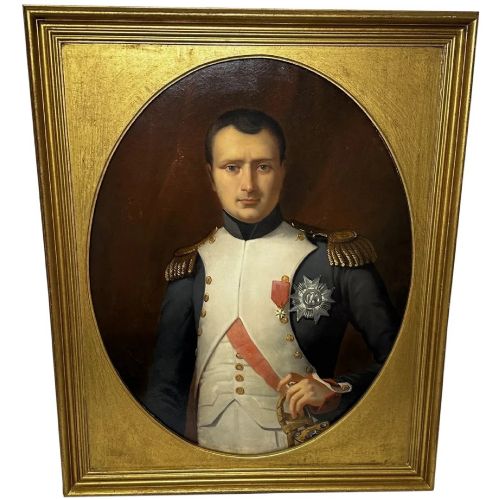
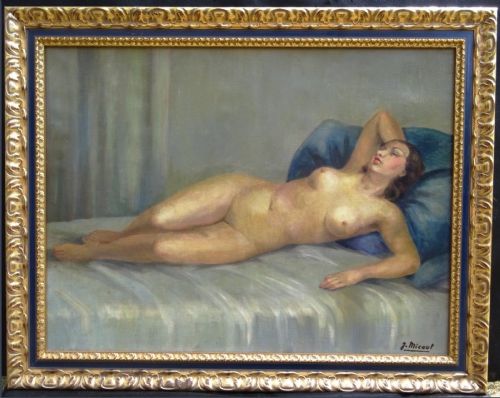
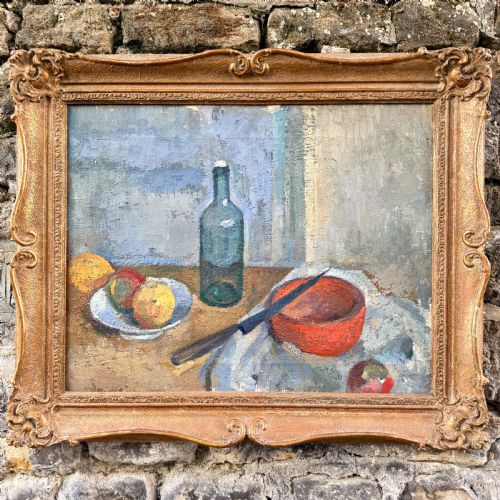
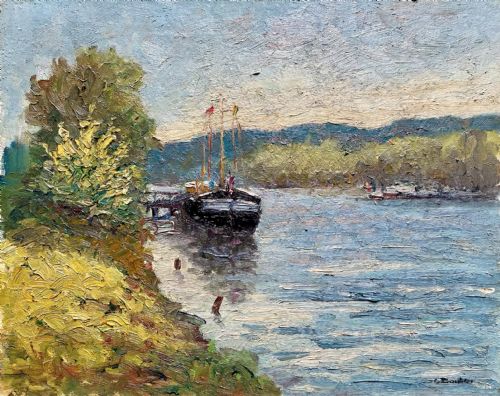
When searching for an antique french canvas painting, buyers encounter works ranging from formal seventeenth-century judicial portraits to sunlit twentieth-century rural scenes. The selection spans distinct historical periods, featuring nineteenth-century academic studies, Barbizon school landscapes and post-impressionist compositions. These artworks capture shifting domestic, military and pastoral subjects rendered on woven fabric supports.
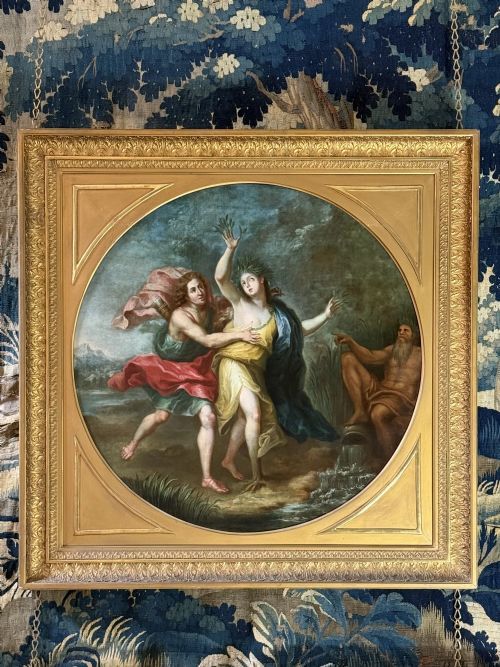
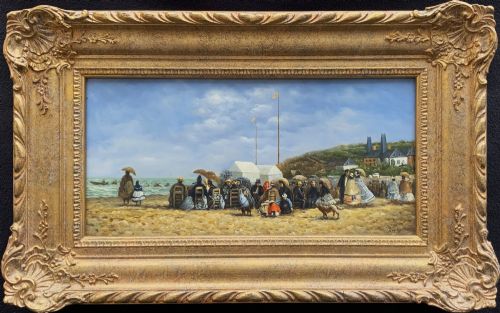
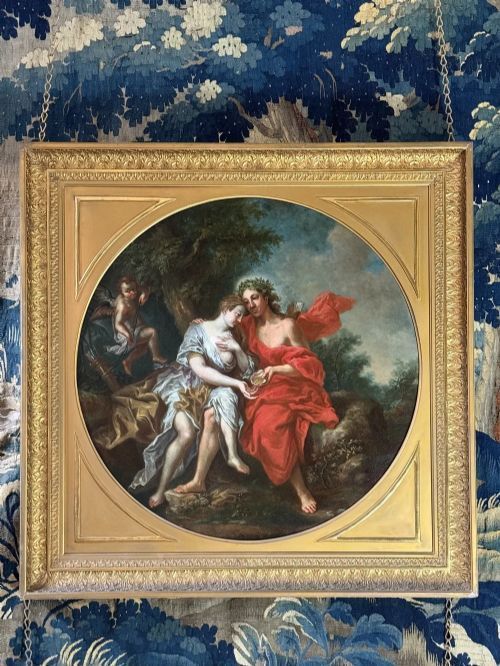
The nineteenth century provides the highest volume of available pieces on this page, particularly portraits of officers, ladies and children alongside coastal and farmyard views. Eighteenth-century classical mythologies and military depictions also appear with regularity, alongside early twentieth-century views of Paris and provincial towns. Buyers find both intimate domestic domestic genre scenes and large decorative panels designed for period interiors.
How they were made
Makers built these pieces using oil paint applied to prepared canvas supports, often utilising gesso grounds to seal the woven fabric before applying pigment. Painters layered oil colours to build depth in garments, skin tones and atmospheric backgrounds, sometimes working en plein air for landscape studies.
Many surviving examples retain their original wooden frames, frequently finished in gilt wood or gesso ornamentation that complements the period aesthetic of the canvas within. Decorative panels and larger compositions occasionally utilised structural wood frameworks to maintain tension across expansive woven surfaces.
Listings feature works spanning from the 17th century to the 1930s, executed primarily in oil on canvas with gilt wood framing.
What varies in quality
The distinction between superior works and standard studio pieces rests upon the handling of light, anatomical precision and brushwork confidence. Master portraitists and recognised salon exhibitors achieved nuanced facial expressions and convincing fabric textures that set their canvases apart from routine provincial output.
Compositional balance and the preservation of the original paint layer determine the standing of individual works. Canvases that maintain their early pigment saturation without heavy overpainting demonstrate the technical competence expected by discerning collectors.
Charles-Antoine Coypel·Eugène-Louis Gillot·Edouard Pingret·Adelaïde Salles-Wagner·Joseph Vivienne
The Antique French Canvas Painting Glossary
- Barbizon School
- A group of French painters associated with naturalistic landscape painting during the mid-nineteenth century. They worked directly from nature, focusing on rural farmyards, forests and skies.
- Gesso
- A plaster-like mixture applied to canvas surfaces as a preparation before oil painting begins. This ground layer provides a smooth, stable base for the pigment.
- Gilt Wood
- Carved timber treated with gold leaf or metallic powder to create a reflective golden surface. It is commonly found on the frames housing period oil paintings.
- Post-Impressionism
- An artistic movement following impressionism that explored expressive colours and structural forms. Artists of this style rejected strict naturalism in favour of personal symbolic vision.
Antique French Canvas Painting: Frequently Asked Questions
How do I hang a heavy framed canvas safely?
Heavy antique canvases require secure wall anchors fixed directly into masonry or wooden studs to support the combined weight of the timber frame and stretcher bars. Professional picture hooks rated for substantial loads prevent slippage over time.
Position the painting at eye level to ensure proper viewing geometry within your room. Keep the artwork away from direct heat sources and strong sunlight to protect the aged oil pigments.
What subjects were popular in nineteenth century French art?
Nineteenth century French art frequently depicted military officers, formal portraits of nobility, and domestic genre scenes featuring families or children. Landscapes inspired by the Barbizon school also dominated Salon exhibitions.
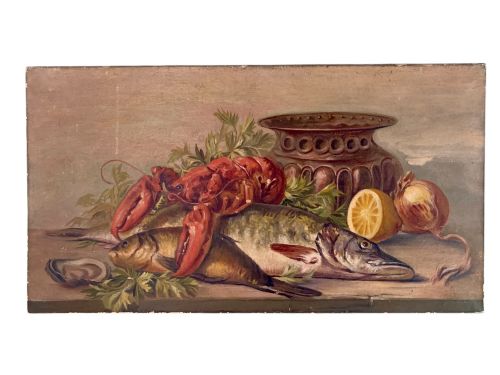
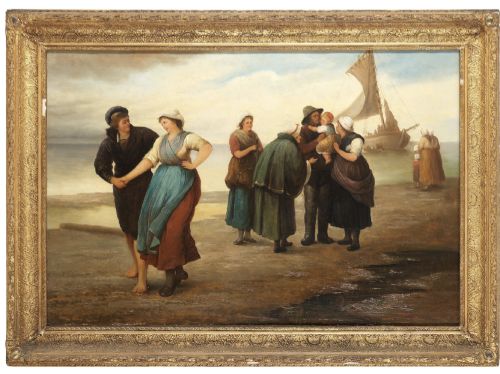
Maritime views and provincial town squares gained favour as artists travelled more widely across the French countryside. Still lifes featuring fish, lobsters and seasonal fruits completed the domestic repertoire.
How can I tell an eighteenth century painting from a later copy?
Eighteenth century works often display craquelure patterns across the oil paint layer that reflect genuine age-related drying and environmental exposure. Pigment analysis and canvas preparation methods provide further clues to period authenticity.
Stylistic conventions in costume, hair styling and classical mythological themes align closely with documented periods like the French Rococo. Comparing signatures and recorded exhibition histories helps confirm the origin of classical subjects.