
French Floral Painting
When you search for french floral painting, you enter a sphere of botanical artistry spanning centuries of European craftsmanship.
French Floral Painting
The phrase french floral painting brings together botanical subjects and continental artistry, appearing across various decorative objects, panels, and canvases. Pieces span from the eighteenth century through to the mid-twentieth century, recording changing tastes in botanical representation.
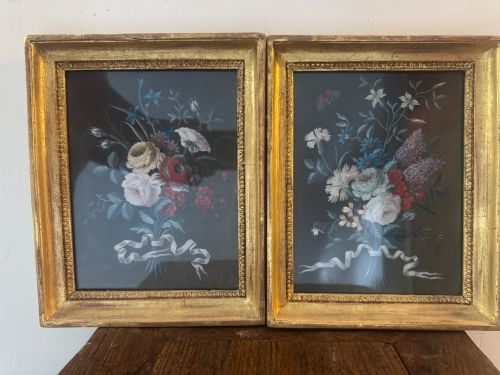
On this page, you will most frequently meet oil paintings, gouache studies, and hand-painted porcelain or ceramic panels. These works capture blossoms ranging from simple garden clematis to elaborate still life arrangements.
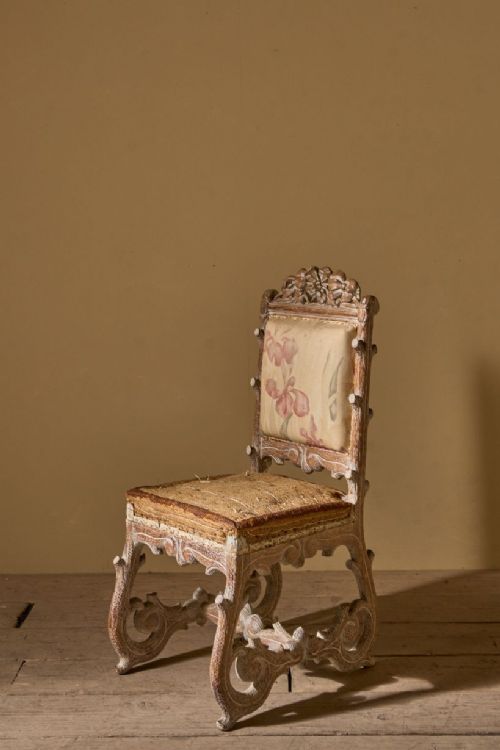
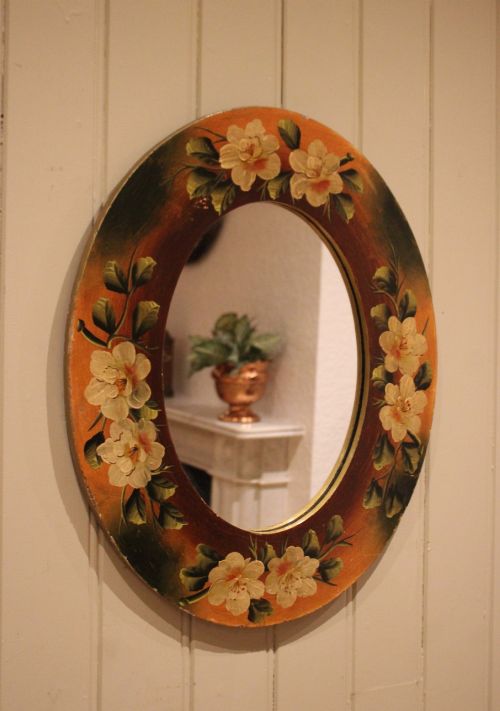
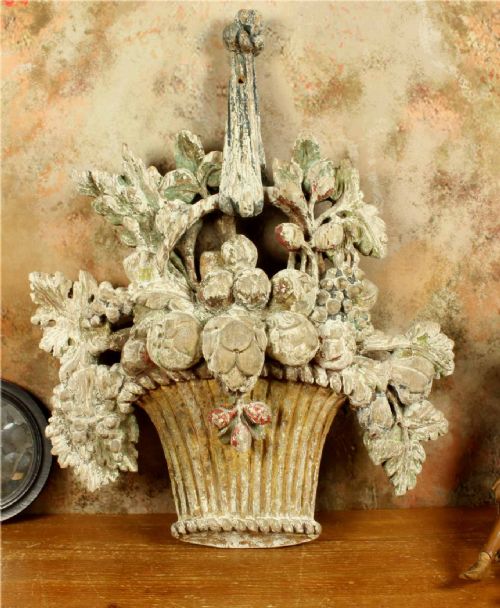
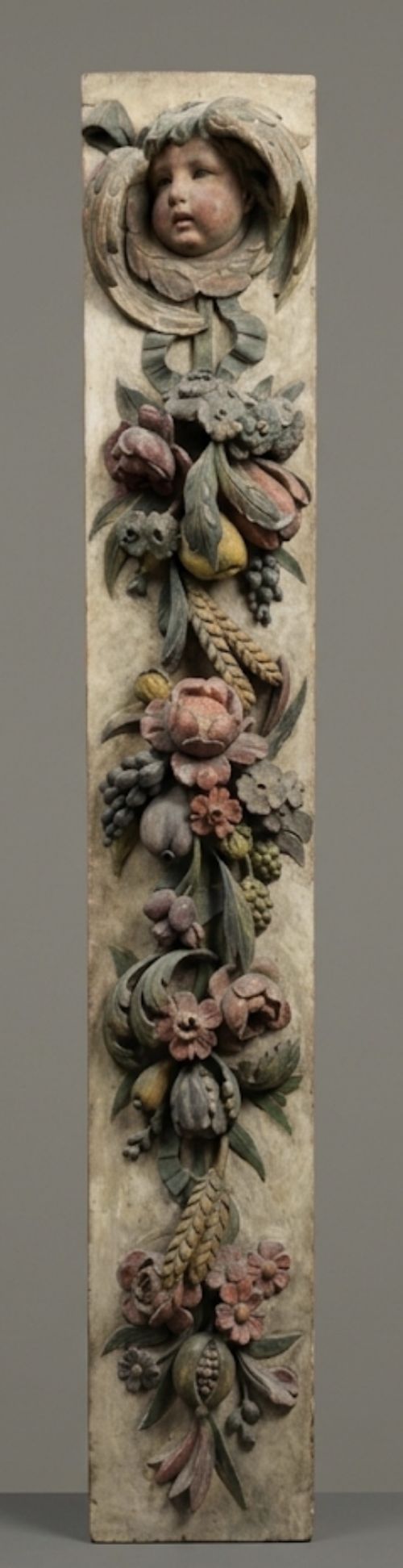
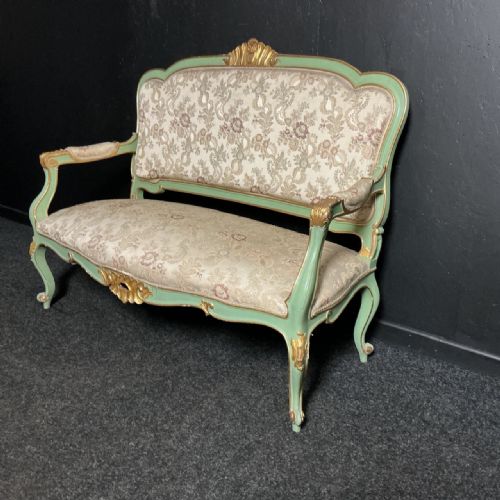
Origins stretch across French provincial workshops and Parisian studios alike, often integrating floral motifs onto functional furniture, mirrors, and tableware. Buyers encounter everything from delicate paper studies to robust polychrome panels designed for architectural display.
Materials and Technique
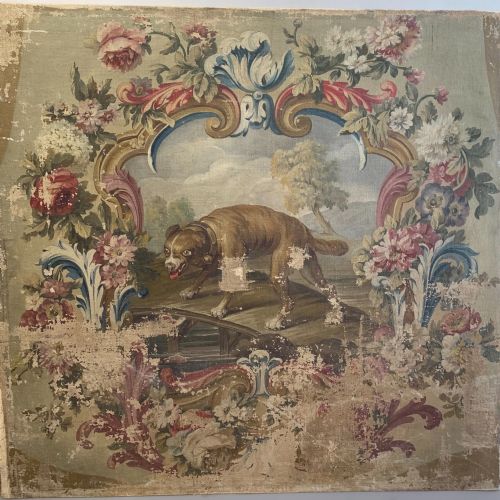
Artists and artisans applied oil and gouache pigments directly onto canvas, wood panels, and heavy paper sheets. Surface preparation involved gesso and priming layers that ensured the longevity of delicate botanical details.
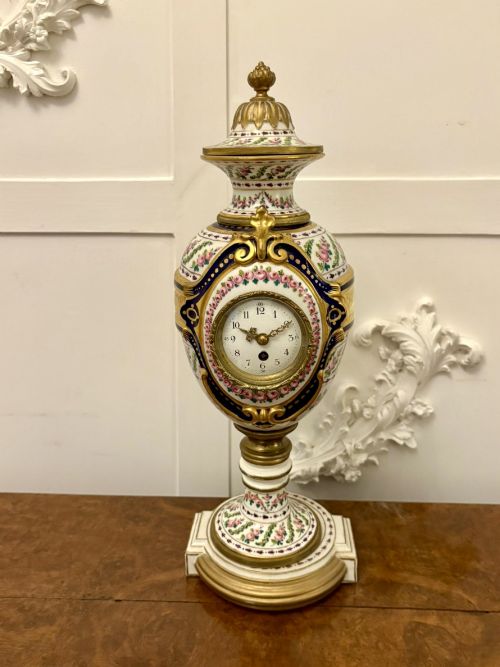
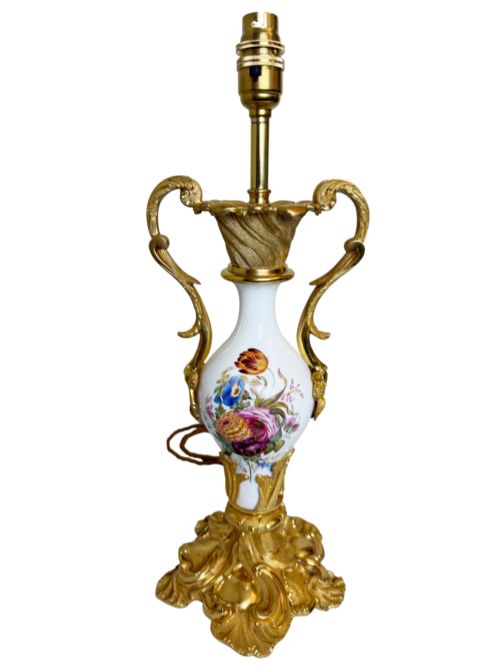
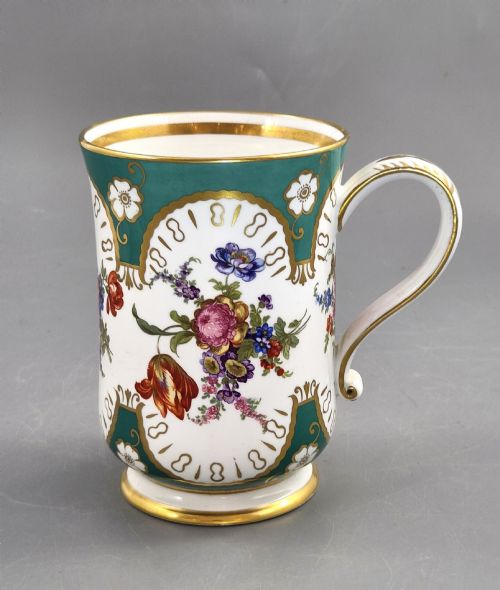
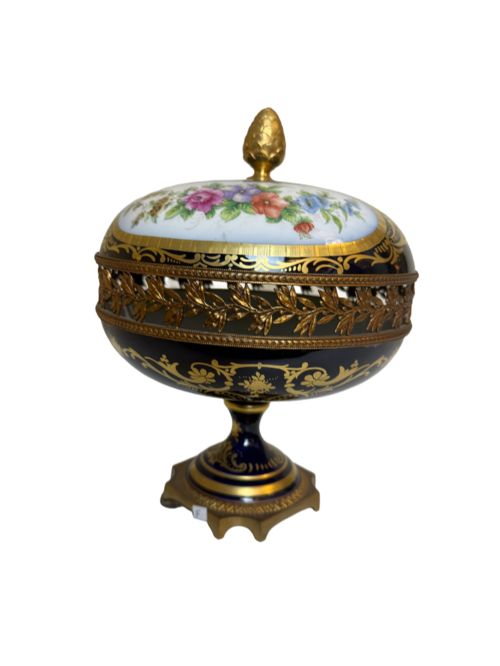
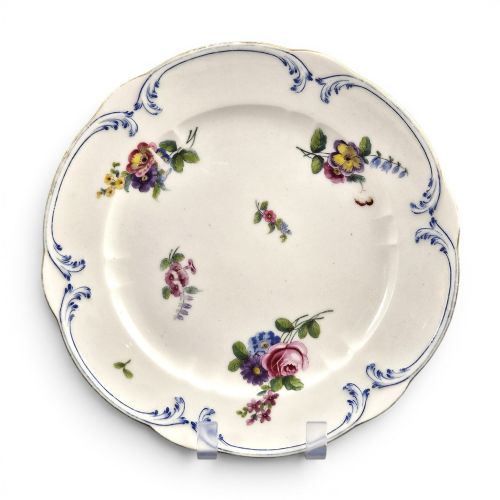
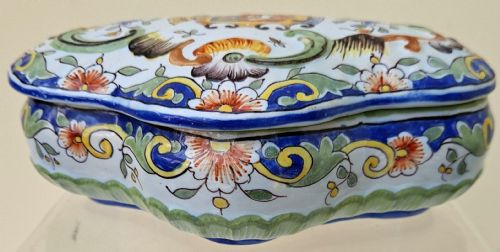
Ceramic decorators utilised soft-paste and hard-paste porcelain grounds, fusing enamel pigments at high temperatures. Gilding with gold leaf frequently bordered these painted scenes, accentuating the floral compositions.
Listings include eighteenth-century Marseille porcelain trays alongside twentieth-century French Modernist oil paintings.
Judging Quality and Execution
The distinction between ordinary and superior items rests upon the precision of the brushwork and the naturalism of the botanical forms. Master artists achieved depth through subtle tonal graduation rather than heavy outlines.
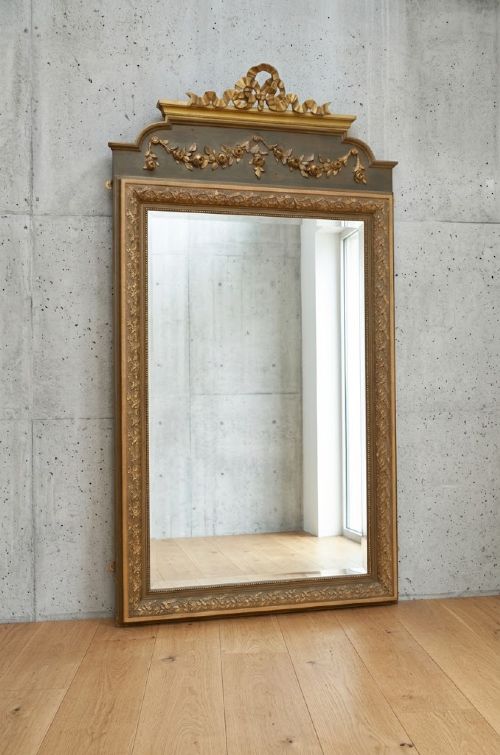
The integration of the painted element into its physical support, whether a carved wooden panel or a gilded mirror frame, dictates the overall coherence of the piece. Superior examples maintain balance between the decorative substrate and the floral subject.
Ambroise Michel·Joseph Gaspard Robert·Pierre Laurent Baeschlin·Samson of Paris
The French Floral Painting Glossary
- Gouache
- An opaque water-based pigment used to achieve flat, matte areas of intense colour. It allows artists to build layered botanical studies with high opacity.
- Soft-paste porcelain
- A glassy composite material fired at lower temperatures than hard-paste porcelain. It absorbs enamel colours deeply, creating soft painterly transitions.
- Polychrome
- Multicoloured decoration applied to ceramics, wood, or metal surfaces. Artisans utilise varied pigments to depict natural floral arrangements.
- Giltwood
- Timber substrates coated with a thin layer of gold leaf or metallic powder. This technique frames painted panels and mirrors with reflective warmth.
- Toleware
- Painted or lacquered sheet metal objects, often decorated with floral motifs. These items combine utility with decorative surface painting.
French Floral Painting: Frequently Asked Questions
How do I care for antique painted surfaces?
Keep wooden panels and canvas works away from direct sunlight and fluctuating humidity levels. Dust surfaces gently with a dry, soft cloth without applying liquid cleaning agents.
Protect porcelain and glass pieces from accidental impact by placing them on stable, level surfaces. Professional conservators should handle any structural restoration of delicate frames.
Where were these painted floral pieces displayed?
Original placements ranged from formal Parisian salons to provincial chateaux and country cottages. Canvases hung as wall art, while painted panels integrated directly into furniture and interior woodwork.
Smaller porcelain dishes and trays served functional roles during dining or dressing rituals. Today, collectors display them similarly within domestic interior settings.
How can I tell the period of a painted panel?
Examine the preparation layers, wood types, and pigments visible on the reverse or edges of the object. Eighteenth-century pieces often display hand-thrown ceramic bodies or pegged wooden framing.
Nineteenth and twentieth-century examples introduce industrial canvas priming and machine-rolled brass components. Stylistic shifts from neoclassical symmetry to Art Deco abstraction also date the execution.
What is the difference between oil and gouache here?
Oil paints utilise drying oils that polymerise into a durable film, offering rich depth and slow blending times. They appear predominantly on canvas and wood panel supports.
Gouache employs water-bound pigments mixed with a binding agent like gum arabic, drying to a matte, opaque finish. Artists favoured gouache for rapid botanical studies on paper.