




Original Floral Fine Art
Original floral fine art brings centuries of painted blossoms into a room, capturing fleeting seasonal blooms through oil on canvas and board.
Original Floral Fine Art
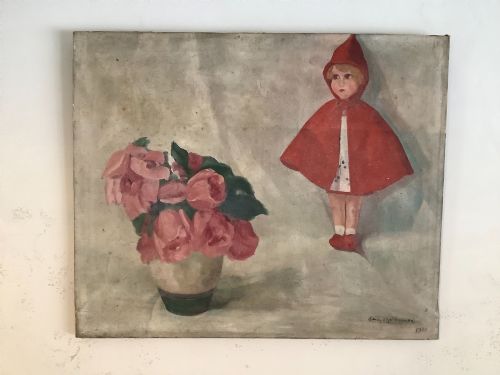
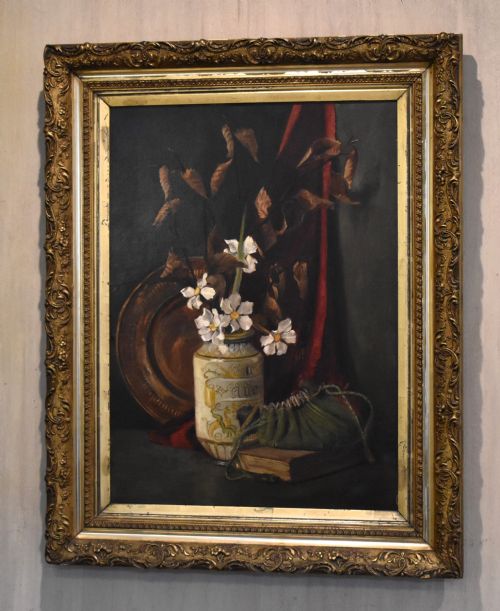
Original floral fine art encompasses oil paintings and works on canvas depicting botanical subjects across distinct historical periods. Buyers seeking original floral fine art encounter pieces ranging from nineteenth-century Victorian compositions to mid-century impressionist studies.
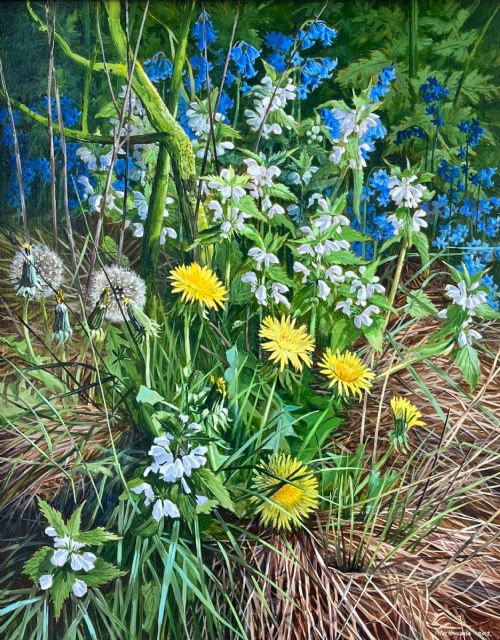
The selection includes British impressionist pieces, naive works, and continental still lifes featuring roses, irises, and hedgerow flowers. These works capture specific botanical arrangements rendered through the individual vision of regional artists.
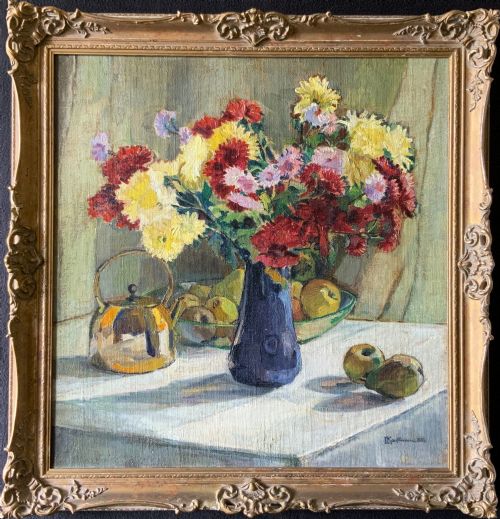
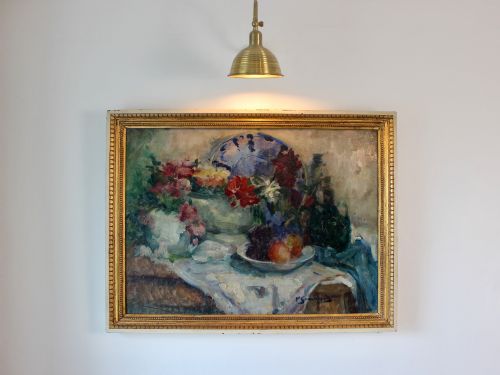
Most examples utilise oil paint on canvas or wood panels, framed in wood or gilt settings appropriate to their era. The assortment spans works created during the 1890s, the 1920s art deco period, and subsequent mid-century decades.
Materials and techniques
Artists apply oil paint directly onto stretched canvas, wood boards, or paper substrates using bristle brushes and palette knives. This medium allows for rich textures and layered colour mixing that define the floral subjects.
Many works are housed within their original wood and gilt frames, which provide structural support and complement the painted surface. The combination of oil pigments and prepared canvas ensures enduring stability across the centuries.
Artists occasionally included wandering garden insects among their floral arrangements, giving watchful buyers a tiny surprise hidden within the petals.
Distinctions in quality
Execution and brushwork separate standard decorative pieces from accomplished works by named artists. The handling of light across petals and the compositional balance determine the visual strength of each painting.
Condition of the painted surface and originality of the framing contribute to the integrity of the piece. Works retaining their period wooden or gilt frames present greater authenticity.
Peter Newcombe·Victor Simonin·Sir George Reid·Harold Edward Conway·Beatrice Parsons·Ralph Hedley·Owen Bowen
The Original Floral Fine Art Glossary
- Canvas
- A heavy woven fabric used as a surface for oil paintings, stretched tightly across a wooden frame. It provides a flexible yet durable support for the application of paint layers.
- Gilt wood
- Wood coated with a thin layer of gold leaf or metallic gilt paint, commonly used for period picture frames. This finish enhances the visual presentation of the artwork.
- Impressionism
- A nineteenth-century painting style characterised by relatively small, thin yet visible brush strokes and an emphasis on accurate depiction of light. Artists working in this manner focus on spontaneous moments.
- Still life
- A work of art depicting mostly inanimate subject matter, typically commonplace objects which may be either natural or man-made. Floral examples focus specifically on arranged groupings of flowers.
- Naive art
- Visual art created by a person who lacks the formal education and training that a professional artist undergoes. These pieces often display a charming simplicity in perspective and proportion.
Original Floral Fine Art: Frequently Asked Questions
How are these paintings dated?
Dating relies on stylistic evidence, artist signatures, framing methods, and canvas stamps. Period characteristics often align with specific decades like the 1920s or 1930s.
Comparative analysis with documented works by known painters helps establish precise creation dates for unsigned or signed canvases.
Where should floral art be hung?
These works suit dining rooms, drawing rooms, and hallways where natural light enhances the oil pigments. Avoiding direct sunlight preserves the integrity of the canvas and paint.
Pairing a nineteenth-century floral piece with traditional decor or a mid-century work with modern interiors creates a balanced display.
What is the difference between oil on canvas and oil on board?
Oil on canvas involves paint applied to woven fabric stretched over wooden bars, offering slight give and a traditional texture. Oil on board uses a rigid wooden or composite panel substrate.
Both techniques were utilised across the nineteenth and twentieth centuries depending on the artist's preference for portability and surface resistance.
How do I care for an antique oil painting?
Maintenance requires keeping the piece away from extreme temperature fluctuations and high humidity levels. Gentle dusting with a soft, dry brush removes surface particles safely.
Professional conservation should be consulted for any structural repairs to the canvas or cleaning of aged varnish layers.