



Blue Post Impressionist Art
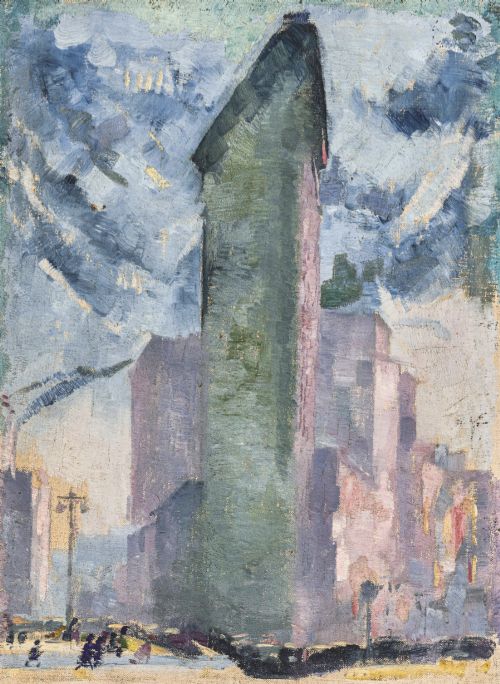
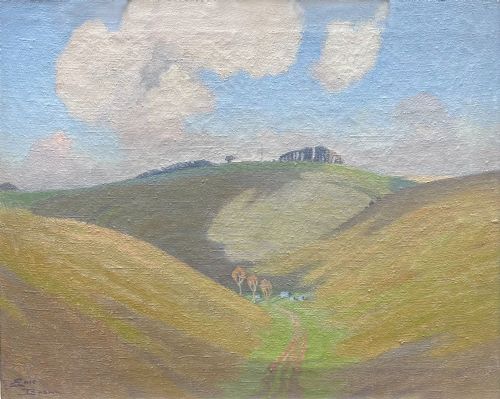
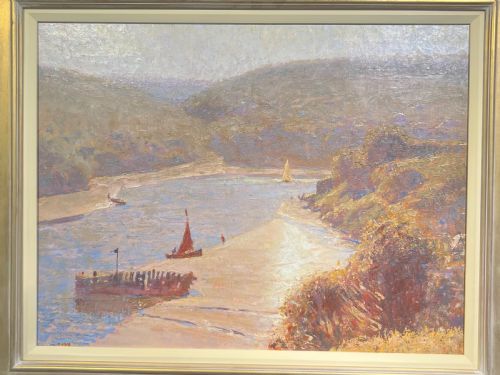
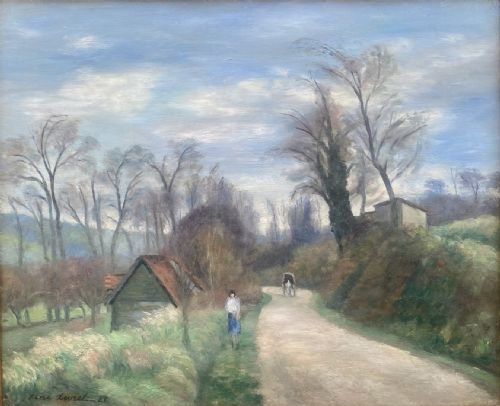
Blue post impressionist art brings together expressive brushwork and vibrant pigments to capture light and atmosphere across landscapes and interiors.
Blue Post Impressionist Art
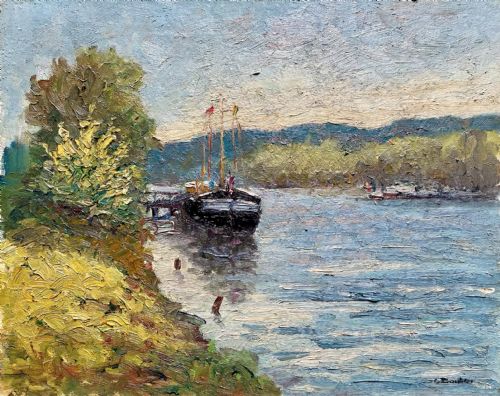
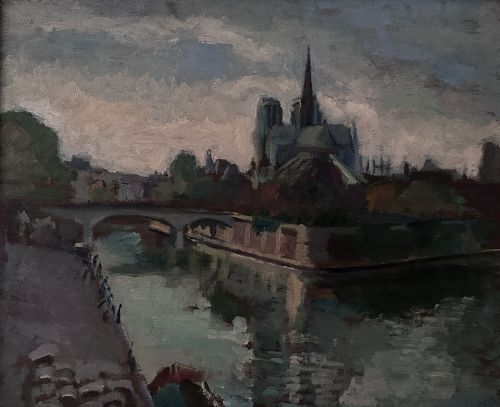
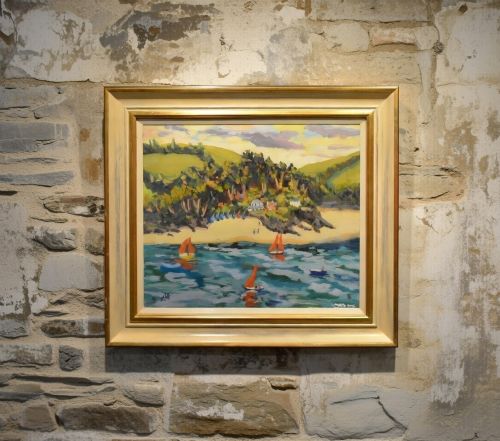
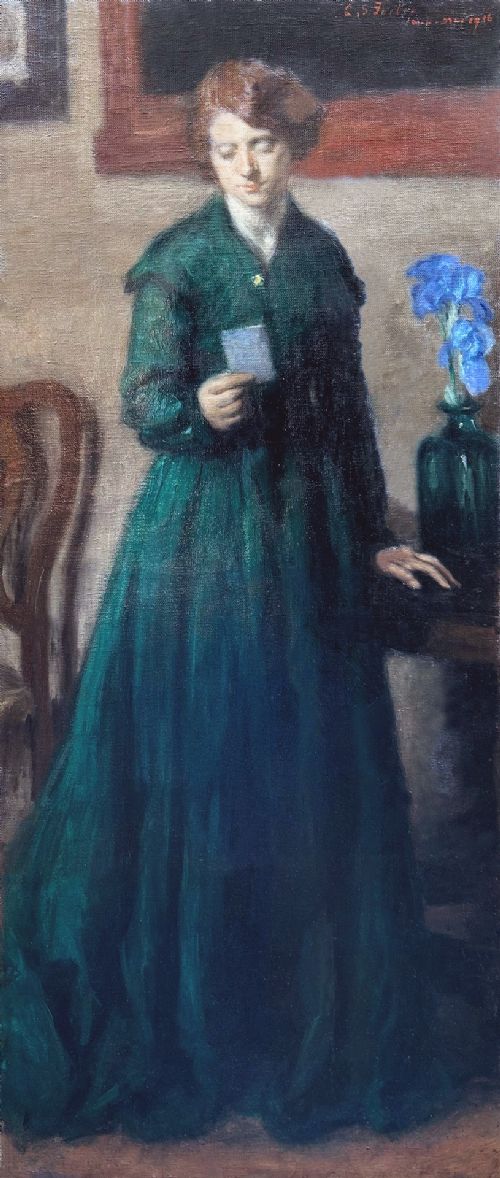
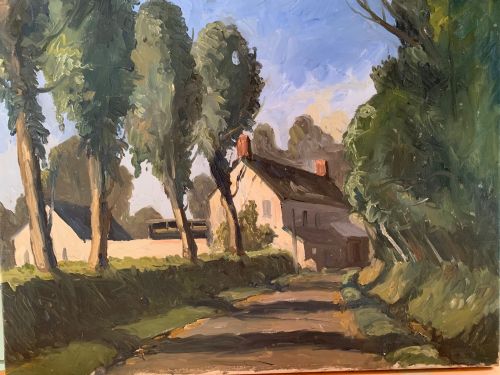
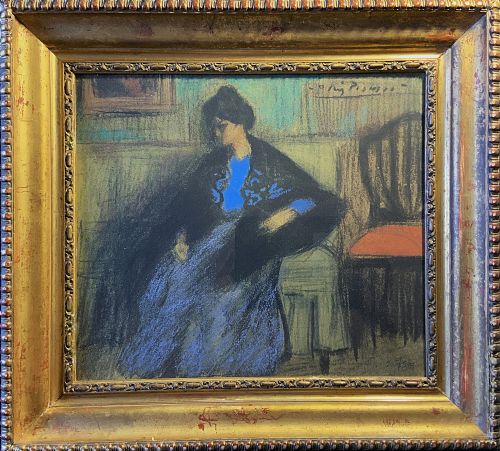
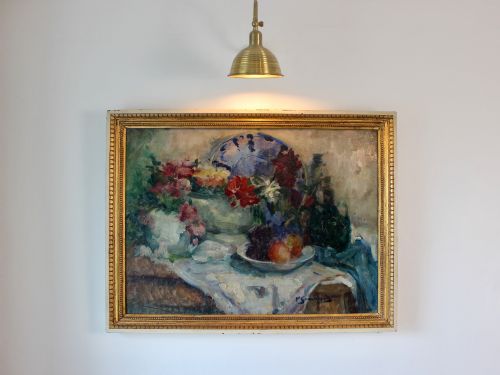
Blue post impressionist art encompasses original paintings and works on paper created primarily during the early to mid-twentieth century. Buyers encounter coastal views, provincial street scenes, and floral still lifes rendered through distinct modernist perspectives.
The selections available lean heavily toward French and British canvases from periods spanning 1900 to 1960. These pieces often emphasise cool palettes, loose brush application, and structural compositions over strict naturalism.
Materials and methods
Artists typically applied oil paint onto stretched canvas, wooden panels, or heavy paper supports using confident, visible strokes. Ground layers often utilised gesso to prepare surfaces for rich pigment absorption.
Works frequently incorporate gouache, lithography, or pochoir techniques alongside traditional oils. The interplay of these mediums allows for varied textures, ranging from flat matte expanses to thick impasto applications.
Quiet French coastal winds and stubborn tube pigments conspired to create scenes of eternal afternoon light.
Judging the work
Quality rests upon the artist's command of light, tonal harmony, and spatial arrangement within the composition. Stronger examples display confident brushwork that defines form without relying on heavy outlines.
The integrity of the original surface, stability of the canvas or panel, and preservation of the pigments dictate overall excellence. Works retaining their initial framing or unlined supports hold particular appeal for collectors.
Pablo Picasso·Alfred Wolmark·Paul-Élie Gernez·Armand Guillaumin·Edward Seago
The Blue Post Impressionist Art Glossary
- Impasto
- Paint applied thickly to a canvas, standing out in relief from the surface. This technique adds tactile depth and catches light across the painted plane.
- Gouache
- An opaque water-based paint that dries to a smooth, matte finish. It allows for vibrant colour saturation on paper supports.
- Pochoir
- A stencil-based printing method used to apply crisp, vibrant colours by hand. It appears frequently in modernist prints and illustrated books.
- Provenance
- The documented history of ownership attached to an artwork. Clear records help establish authenticity and past exhibition history.
Blue Post Impressionist Art: Frequently Asked Questions
What defines blue post impressionist art?
These works emerge from the evolution beyond traditional impressionism, favouring expressive forms and deliberate colour choices. Cool blue and indigo tones frequently dominate coastal and interior scenes to evoke specific moods.
Artists focused on structural integrity and emotional resonance rather than purely recording optical effects. This approach bridges late nineteenth-century ideals with twentieth-century modernism.
How should I care for an oil painting on canvas?
Keep paintings away from direct sunlight, high humidity, and rapid temperature fluctuations to protect the canvas and paint layers. Display them on stable interior walls where atmospheric conditions remain consistent.
Dust the surface gently with a soft, dry brush when needed. Avoid using water or chemical cleaners on the paint film.
Are these works always French in origin?
While many pieces originate from France, particularly regions like Brittany, Provence, and Normandy, British artists also contributed significantly to this movement. St Ives and London workshops produced notable parallel examples.
Geographic origins often reflect the travel patterns and artist colonies popular during the early twentieth century. Signatures and exhibition labels usually provide clear clues to provenance.
How do I identify a mid-century piece?
Mid-century examples often lean further into abstraction, simplifying natural forms into geometric shapes and planes of flat colour. The brushwork tends to become more gestural and experimental compared to earlier decades.
Palette choices during this era also shifted to reflect post-war optimism alongside stark modernist sensibilities. Canvas preparation and framing styles often align with the mid-century aesthetic.