


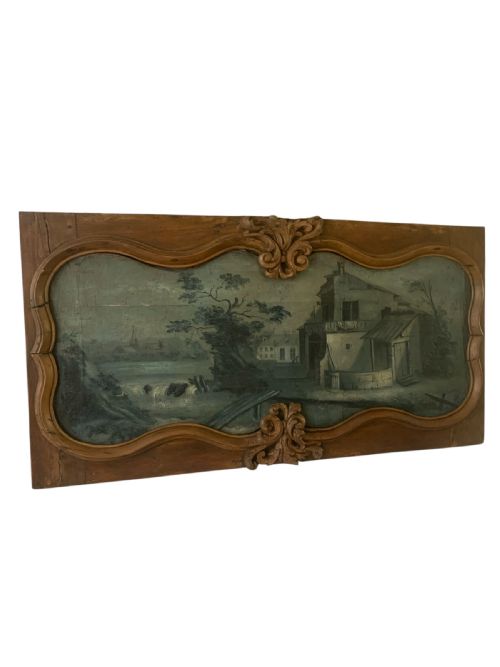
French Architectural Painting
French architectural painting encompasses works depicting buildings, squares and interiors, offering a tangible connection to historical European streetscapes.
French Architectural Painting
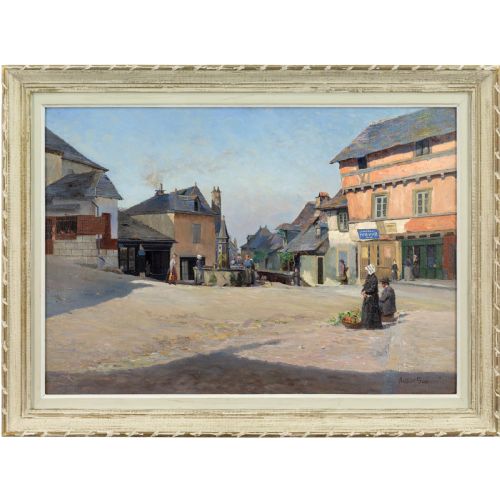
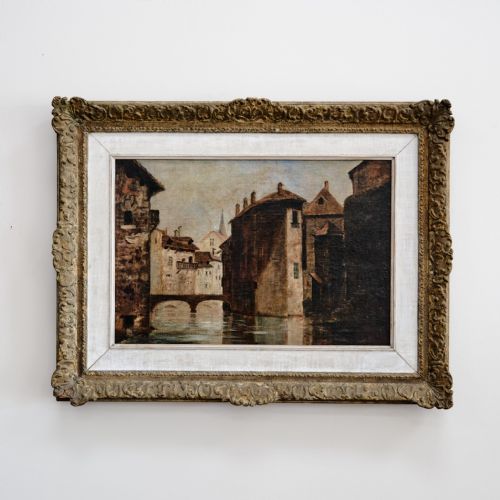
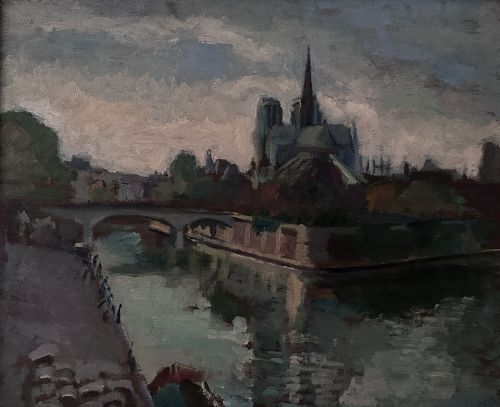
French architectural painting brings structural forms, town squares and historic edifices onto canvas, board and paper. These works capture specific urban and rural locations, ranging from Parisian river scenes to provincial market places.
The selections span multiple eras, with canvases and panels originating from the eighteenth, nineteenth and twentieth centuries. Buyers encounter framed cityscapes, cathedral views and street scenes executed in oils and watercolours.
Compositions often focus on urban life and notable landmarks, such as churches and town halls. Artists render these spaces through various lenses, shifting from detailed depictions to post-impressionist interpretations.
How They Were Made
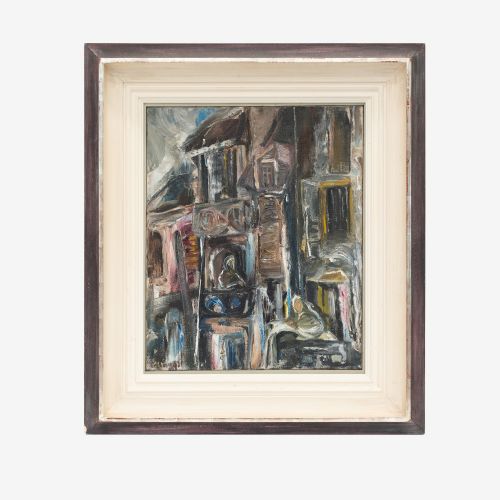
Artists utilise oil paint on canvas or wooden panel to build depth and texture within architectural compositions. Pigments are applied with varying brushwork to define stone facades, shadows and perspective in urban settings.
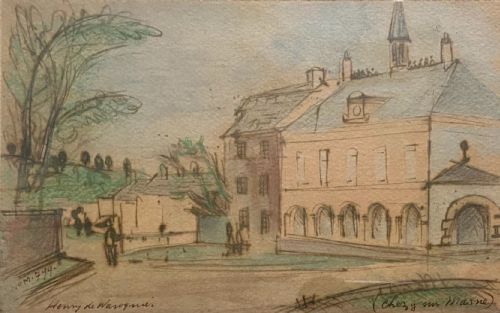
Works on paper employ ink and watercolour mixed media to capture finer details of buildings and figures. Supports range from stretched canvas and sturdy panels to paper sheets housed within period frames.
Canvases capture bustling French market squares where the weather appears perpetually breezy and the town halls steadfast.
What Varies in Quality
Depth of perspective and spatial control separate proficient compositions from simpler renderings. Strong works demonstrate a clear understanding of light on stone, proportion and atmosphere.
Condition of the painted surface and originality of the support influence the character of each piece. Intact brushwork and stable canvas or panel grounds preserve the visual impact intended by the artist.
Arthur Gué·Henry de Waroquier·Paul-Élie Gernez·Victor Gabriel Gilbert·Armand Guillaumin
The French Architectural Painting Glossary
- Oil on canvas
- Pigment suspended in drying oil applied to a stretched woven fabric support. This traditional medium allows for rich colour blending and textured application.
- Post-Impressionism
- An art movement extending beyond impressionism while rejecting its limitations, focusing on symbolic content and formal order. Works in this style emphasise expressive brushstrokes and structural forms.
- Watercolour
- A paint consisting of pigment suspended in a water-soluble vehicle, typically applied to paper. This medium creates translucent washes and delicate architectural details.
- Panel painting
- A painting executed on a flat piece of wood rather than canvas. These rigid supports offer a smooth ground for detailed brushwork.
French Architectural Painting: Frequently Asked Questions
What periods do these paintings cover?
The available works span from the eighteenth century through to the mid-twentieth century. Examples include eighteenth-century panels, nineteenth-century canvases and early twentieth-century post-impressionist scenes.
This broad chronological range allows collectors to select pieces aligned with specific historical art movements and regional French architectural styles.
How should I display these artworks?
These paintings suit traditional wall display in living spaces, studies or hallways. Proper placement avoids direct sunlight to protect pigments and paper supports from fading.
Pairing the works with appropriate period frames enhances their visual presence on the wall while maintaining historical context.
What subjects do the paintings depict?
The works primarily show French street scenes, town squares, cathedrals and riverbanks. Common motifs include marketplaces, historic civic buildings and urban vistas.
Artists frequently populate these architectural settings with contemporary figures, capturing the daily life and atmosphere of French towns.