
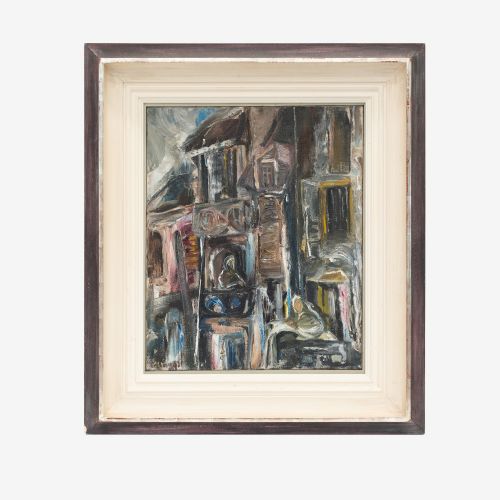


Parisian Oil Painting
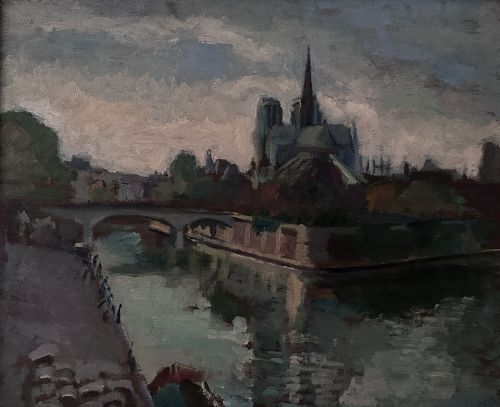
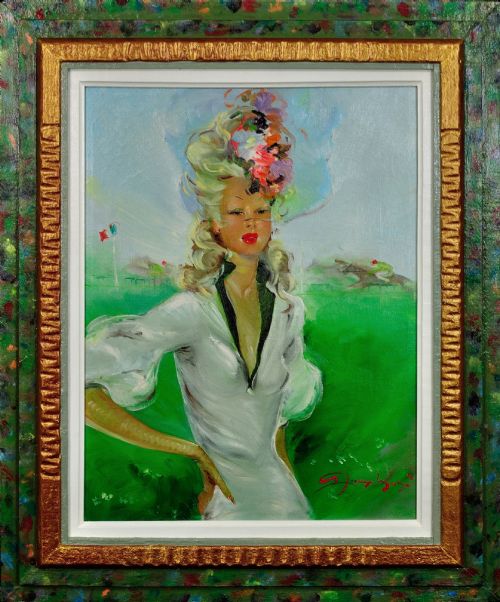
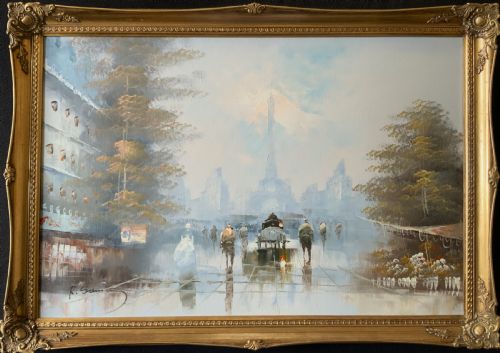
These pieces of parisian oil painting capture the atmosphere and architecture of the French capital across successive decades.
Parisian Oil Painting
A parisian oil painting captures scenes of urban life, monuments, and riverside views across the French capital. When you search for this phrase, you encounter works ranging from nineteenth century academic canvases to mid twentieth century impressions of Notre Dame, the Eiffel Tower, and Montmartre.
The selection includes street scenes, cityscapes, river views of the Seine, and portraits framed in wood and gilt wood. Mid-century examples alongside earlier nineteenth century pieces dominate the visual record, often recording specific locations from the Belle Epoque onwards.
How They Were Made
These works utilise oil paint applied to canvas or board supports, framed in wood or gilt wood structures. The technique relies on layered pigments to build texture, light, and depth across the composition.
Artists employed styles spanning post-impressionism, realism, and expressionism to render light on stone facades, water, and figures. The physical framing ranges from ornate gilt surrounds to simpler wooden mouldings that complement the period of the painting.
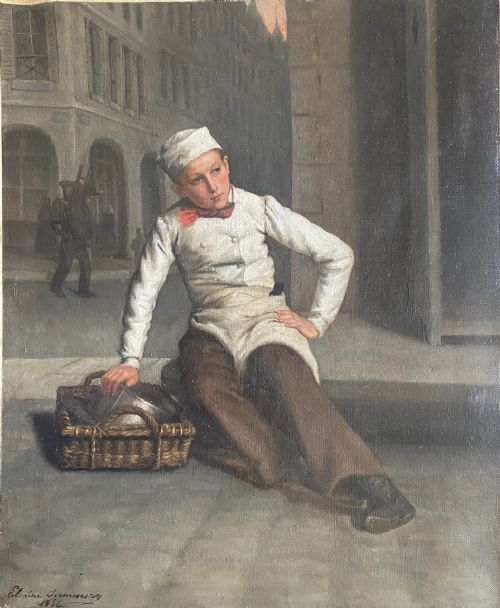
An apprentice cook named Marmiton resting in Paris c.1850 rubs shoulders with fashionable racegoers and bohemian models on the boulevards.
What Varies in Quality
Quality rests in the handling of light, atmospheric depth, and the confidence of the brushwork rather than the mere presence of a signature or a frame. Stronger works convey the bustle and particular light of the city with assured composition and tonal control.
The condition of both the oil paint and the supporting canvas or board dictates longevity, while the retention of a period gilt wood frame adds historical integrity to the piece.
Jean-Gabriel Domergue·Lilian Colbourn·Caroline Burnett·Gabriel Dauchot·Ron Folland·Merio Ameglio·Eduard Leon Cortes·Albert Guillaume·Hermoine Hammond·Pierre Peltier
The Parisian Oil Painting Glossary
- Oil on Canvas
- Pigment mixed with drying oil applied to stretched fabric. This traditional support provides subtle flexibility and enduring stability for the paint layer.
- Impressionism
- A style focused on accurate depiction of light in its changing qualities. Artists prioritized open brushwork and ordinary subject matter.
- Gilt Wood
- Wood treated with gold leaf or metallic powder to create a reflective surface. Frames finished this way were designed to enhance the artwork.
- Belle Epoque
- A period of French history dating from the late nineteenth century to the First World War. It is characterised by optimism, peace, and cultural innovation in Paris.
- Post-Impressionism
- An artistic movement extending impressionism while rejecting its limitations. Practitioners developed geometric forms and expressive use of colour.
Parisian Oil Painting: Frequently Asked Questions
How do I date a parisian oil painting?
Dating relies on stylistic evidence, costume details, and signature styles typical of nineteenth-century academic work or mid-century impressionism. Material examination of the canvas and backing boards also provides chronological markers.
Historical fashions, architectural changes in the cityscapes, and framing types help narrow down the decade of creation.
Where were these paintings displayed?
Many works originated for commercial galleries, private collections, or official exhibitions such as the historic Parisian Salons. Artists often captured local street life for both domestic and international buyers.
Today these pieces transition easily from traditional drawing rooms to modern interior settings.
How should I care for an oil painting?
Keep the canvas away from direct sunlight and dramatic shifts in temperature or humidity to prevent the paint from cracking. Gentle dusting with a soft, dry brush is generally sufficient for surface maintenance.
Avoid using water or chemical cleaners on the paint surface or antique gilt frames.
What subjects are most common?
Street scenes, monuments like Notre Dame and the Eiffel Tower, and river views along the Seine dominate the compositions. Figures in cafes, races, and bohemian neighbourhoods also appear frequently.
Artists recorded both grand civic spaces and quiet suburban corners of the French capital.