



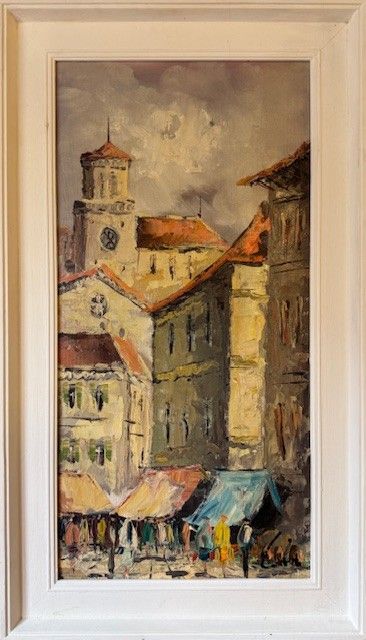


Impressionist Architectural Wall Art
Impressionist architectural wall art captures urban facades and historic streetscapes through loose brushwork, bringing the atmosphere of European cities directly into your interior.
Impressionist Architectural Wall Art
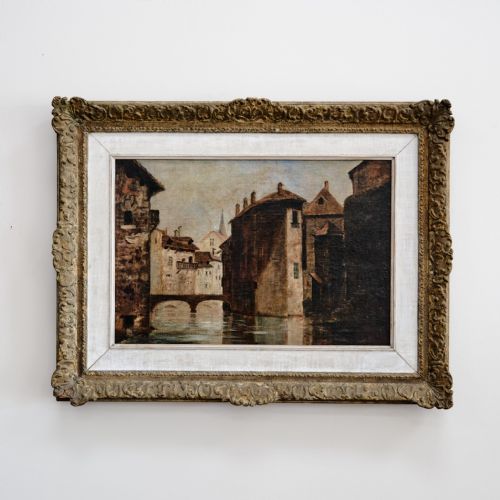
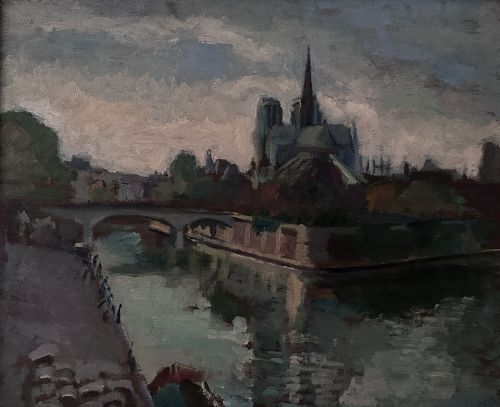
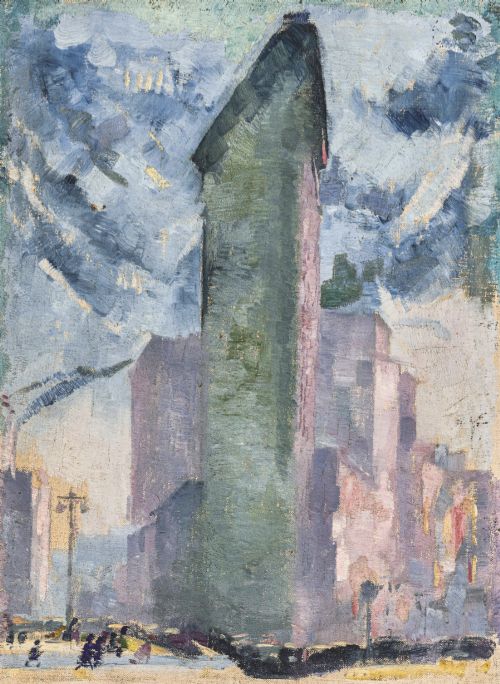
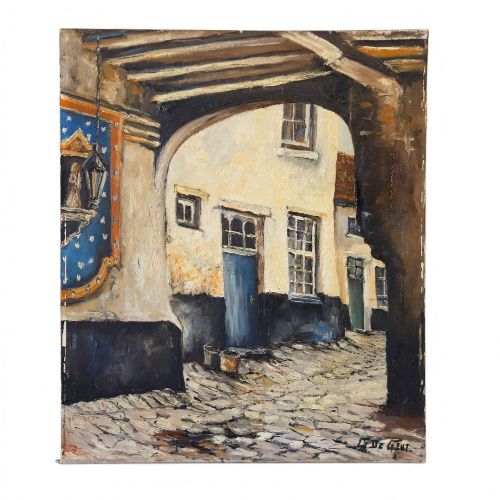
When you search for impressionist architectural wall art, you encounter a selection of paintings, watercolours and drawings focusing on buildings, bridges and cityscapes. These pieces range from nineteenth-century watercolours to mid-century oil paintings on canvas or board.
The most common formats on this page are oil paintings depicting European locations such as Venice, Paris and London. You also find sketches and watercolours showing cathedrals, market squares and street scenes from various early twentieth-century schools.
The makers represented include named artists such as Alfred Wolmark, Charles James Lauder, Paul-Élie Gernez and Letitia Marion Hamilton. Many works also come from regional French, Flemish and Italian traditions spanning the nineteenth and twentieth centuries.
Materials and Technique
The works rely heavily on oil paint applied to canvas, board or panel, alongside watercolours and pastels on paper. Painters utilise quick, visible brush strokes to build up facades, arches and street bustle without heavy reliance on precise architectural drafting.
Support materials vary from stretched canvas and wooden panels to textured paper and gesso grounds. Artists in different decades combined these grounds with fluid oil paints or transparent watercolours to capture changing light on stone and mortar.
The selections span from the nineteenth century through the 1960s, featuring canvas, oil paint, paper, gesso and watercolour.
Judging Quality
Quality rests on the confidence of the brushwork and the artist's handling of light and perspective across built forms. Stronger pieces use loose paint application to convey the solid mass of stone buildings and bustling streets with genuine atmosphere.
The distinction between standard works and finer examples lies in the vitality of the composition and the artist's ability to render complex urban spaces. Greater works demonstrate assured draughtsmanship beneath the impressionist surface, rather than stiff or formulaic replication of windows and roofs.
Alfred Wolmark·Paul-Élie Gernez·Charles James Lauder·Ron Folland·Caroline Burnett·E A Minardo·Job de Vogel·Franz Reder-Broili·Allan Douglass Mainds·Victor Haddrell·Charles Eyres Simmons·Christiaan Pieter Snyders·Helen Donald-Smith·Letitia Marion Hamilton
The Impressionist Architectural Wall Art Glossary
- Canvas
- A heavy woven fabric stretched across a wooden frame to serve as a painting surface. It provides the tensile strength required for heavy layers of oil paint.
- Gesso
- A plaster mixture applied to panels or canvas as a preparatory base for painting. This ground creates a smooth, absorbent surface for oils.
- Pastel
- A dry drawing medium composed of powdered pigment and a binder. It allows artists to achieve soft atmospheric effects on paper.
- Post-Impressionism
- An artistic movement following impressionism where painters explored emotional depth and structural form. Works in this style retain loose brushwork while emphasising distinct outlines.
Impressionist Architectural Wall Art: Frequently Asked Questions
How do I date an oil painting?
Dating relies on stylistic clues, the type of canvas or board, and any signatures or inscriptions on the reverse. Examining the framing materials and stretcher construction also helps establish the era of production.
Many listings provide specific decades or maker lifespans to narrow down the timeframe. Comparing the handling of light and architectural motifs to documented works by regional schools offers further chronological context.
Where should I hang these paintings?
These works suit dining rooms, studies or hallways where architectural subjects complement traditional or eclectic interiors. Ensure the piece hangs away from direct sunlight to protect oil pigments and watercolours from fading.
Pairing a city street scene or cathedral painting with period furniture creates a cohesive historical atmosphere. Consider the scale of the wall space relative to the dimensions recorded in the listing.
Are watercolours fragile?
Watercolour paintings on paper require framing behind glass to protect the pigment and support from moisture and airborne dust. They are sensitive to ultraviolet light, which can cause fading if left in bright sunny spots.
Keeping them in stable indoor conditions preserves the delicate washes and paper supports. Professional framing with acid-free mounts ensures long-term preservation.
What is impressionist architectural art?
This genre combines urban landmarks and streetscapes with the loose, expressive brushwork characteristic of impressionist painting. Instead of rigid drafting, artists focus on capturing the transient play of light and shadow on stone facades.
Subjects frequently include European cityscapes such as Paris canals, Venetian waterways and London squares. These depictions record how cities appeared to artists working through the late nineteenth and mid-twentieth centuries.