

Oak Standing Cupboard
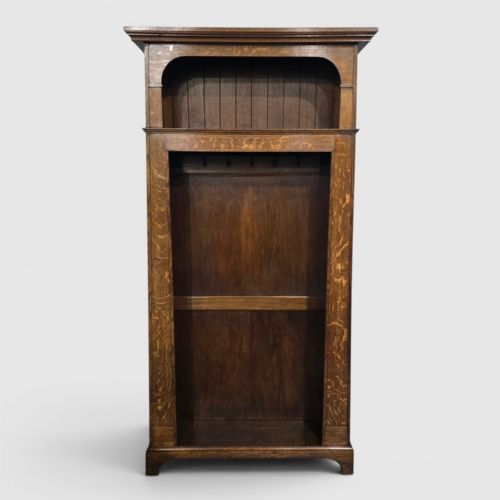
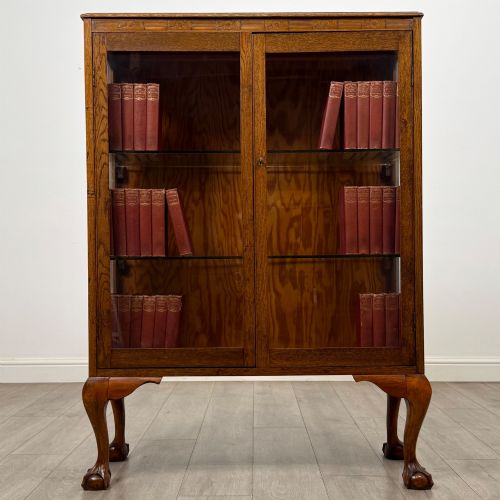
When you search for an oak standing cupboard, you are looking at substantial storage furniture built to anchor a room.
Oak Standing Cupboard
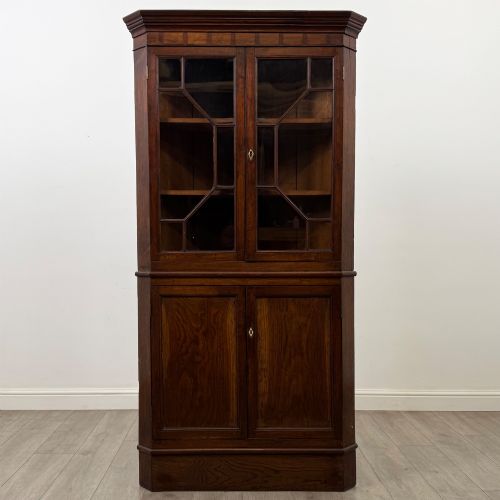
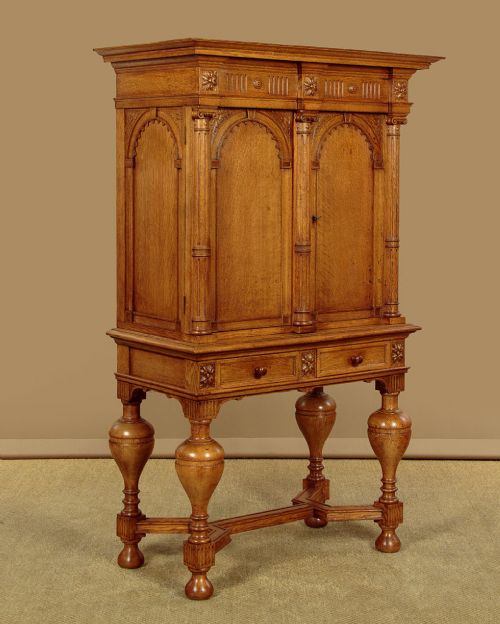
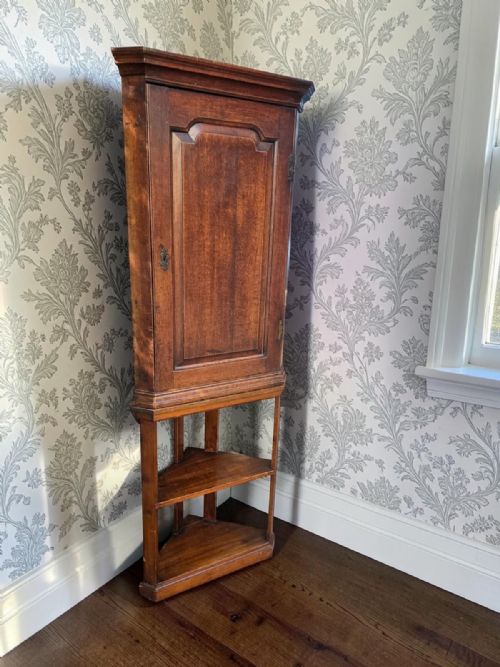
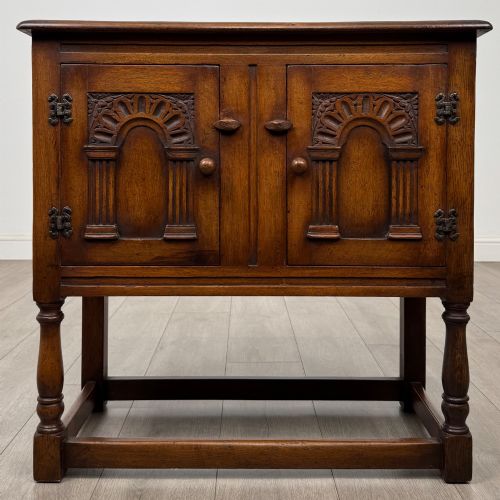
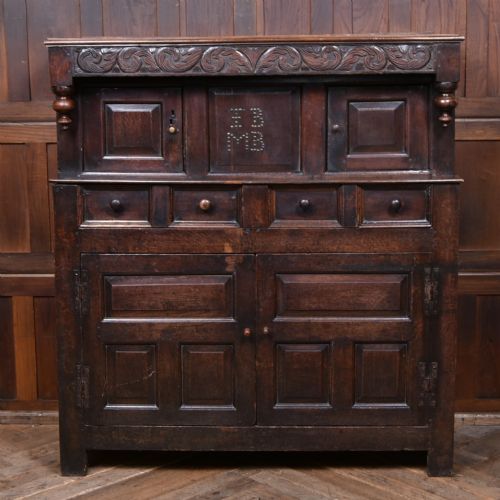
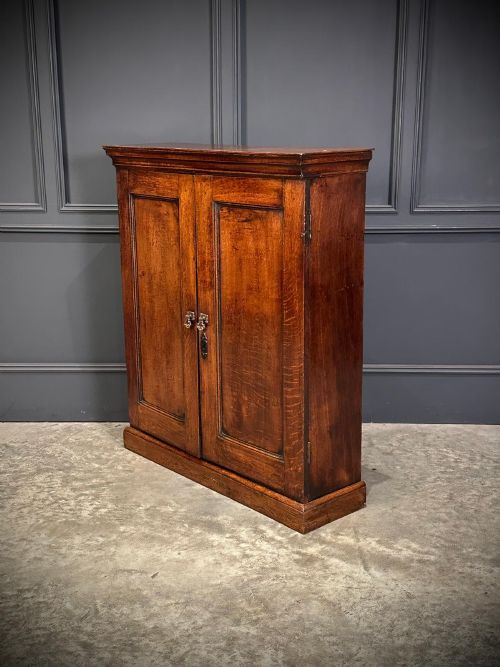
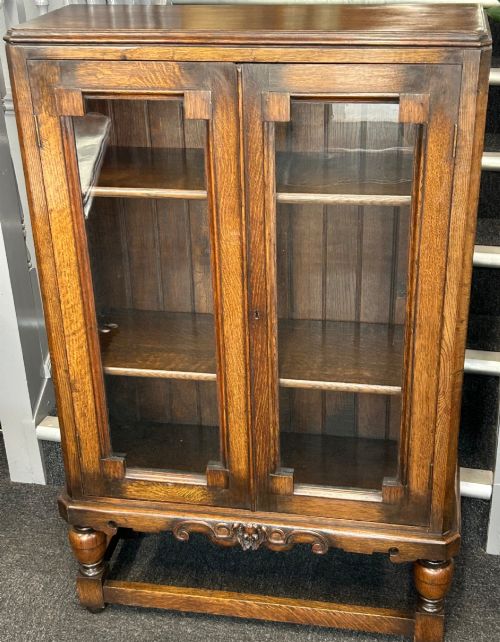
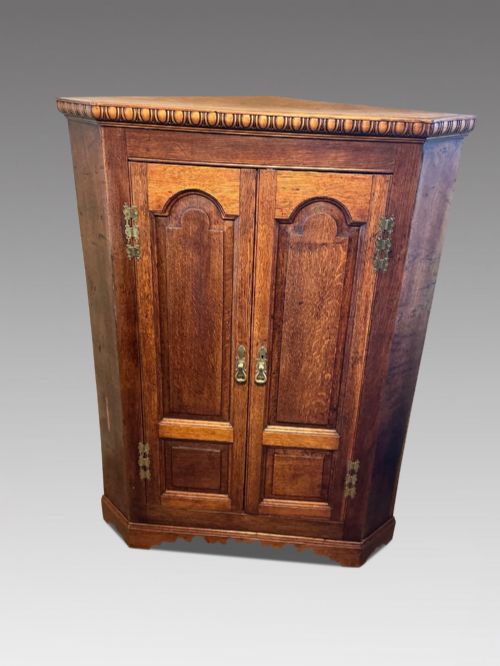
When you search for an oak standing cupboard, you encounter substantial storage furniture designed to rest directly on the floor rather than hang upon a wall. The pieces you meet span several centuries, with Georgian floor standing corner cupboards and early examples from the seventeenth century appearing frequently in the records.
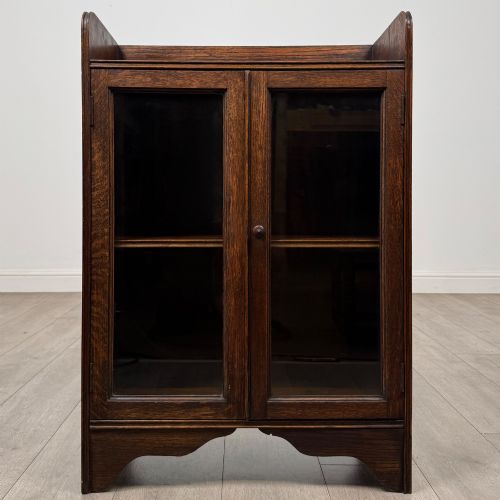
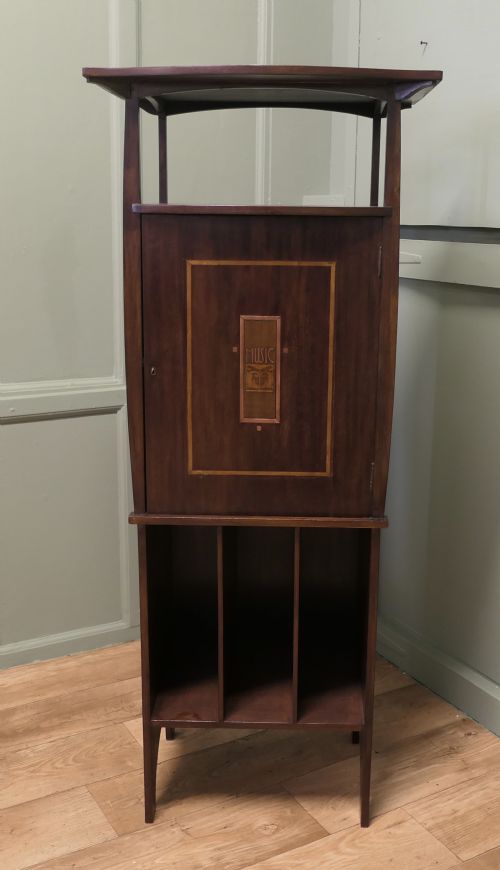
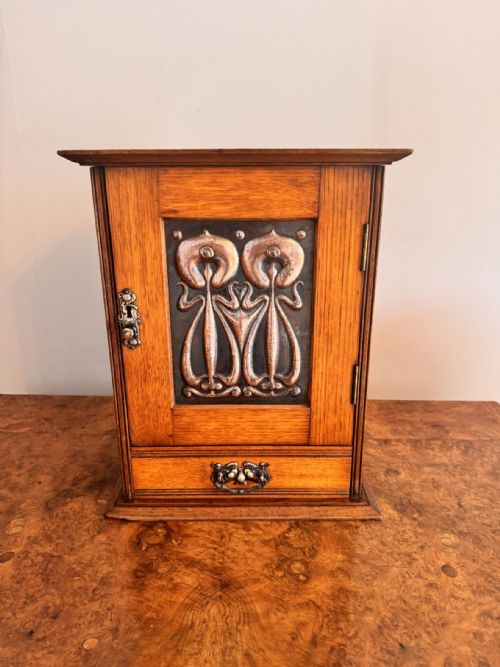
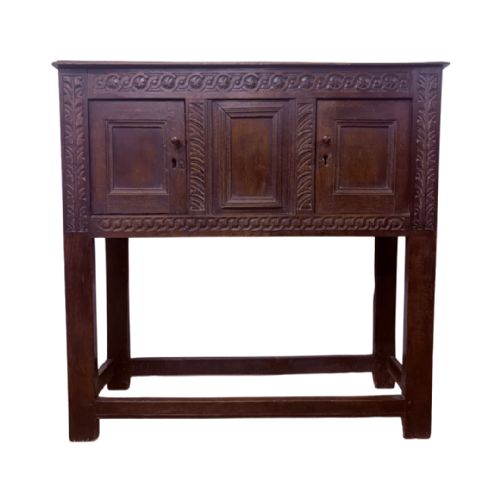
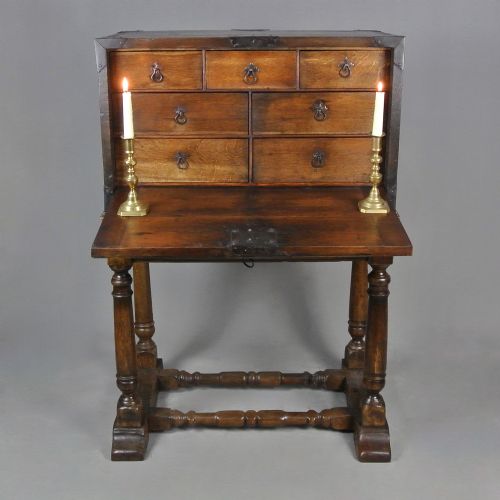
On this page, the selection ranges from panelled standing corner units to joined cupboards on stands. Each object reflects the changing domestic needs of its period, from seventeenth-century joined construction to twentieth-century revival designs.
Materials and construction
Cabinet makers built these pieces primarily from solid oak, sometimes combining it with secondary woods such as walnut or burr yew for decorative contrast. The timber was seasoned, planed, and jointed using traditional frame-and-panel techniques that allowed the wood to expand and contract with seasonal humidity.
Iron and brass hardware, including blacksmith-made hinges, escutcheons, and locks, secured the doors and added functional strength to heavy frames. Hand-carved mouldings, geometric panelling, and occasional wood inlay completed the exterior ornamentation of the better workshops.
Early country examples often retain original blacksmith locks that still throw a heavy iron bolt with a satisfying resonant clunk.
What separates the grades
The distinction between ordinary utility storage and a finer piece rests in the choice of timber and the precision of the joinery. Selected quarter-sawn oak displaying prominent medullary rays indicates a higher grade of material preparation than plain flat-sawn boards.
Original hardware, untouched surface patination, and the retention of early backboards elevate an example significantly. Pieces that have undergone extensive timber replacement or unsympathetic alteration sit lower in the hierarchy of desirability.
GM Elwood for JS Henry·Heals
The Oak Standing Cupboard Glossary
- Court cupboard
- A heavy two-tiered storage piece from the seventeenth century, typically featuring an upper recessed cabinet supported by turned columns.
- Livery cupboard
- An early domestic storage cabinet designed for food or drink rations, usually featuring pierced or louvred panels for ventilation.
- Standing corner cupboard
- A tall cabinet built with a triangular footprint specifically to fit into the internal angle of a room.
- Joined oak
- Furniture construction utilising mortise and tenon joints locked with wooden pegs, prevalent in the seventeenth century before widespread dovetailing.
- Medullary rays
- Natural ribbon-like flecks in oak timber revealed by quarter-sawing, prized by makers for decorative visual texture.
Oak Standing Cupboard: Frequently Asked Questions
How do I date an oak standing cupboard?
Examine the construction methods, tool marks on the interior timbers, and the style of the mouldings and hardware. Pegged joints and hand- cleft panels typically point toward earlier seventeenth-century origins, while machine-sawn boards indicate later production.
Secondary woods used in the interior linings also offer clues to the period. Finer details such as brass butterfly hinges or Georgian architectural cornices help narrow down the decade of manufacture.
Where should I place a standing corner cupboard?
These cabinets suit empty room angles that standard rectangular furniture leaves underutilised. They anchor dining rooms or living spaces while providing functional vertical display or enclosed storage.
Ensure the corner walls meet at a true right angle before purchasing a fixed-geometry antique. Positioning the piece away from direct heat sources protects the historic oak timber from splitting.
Are standing cupboards suitable for modern homes?
Their robust construction and deep internal shelving make them practical for everyday storage of tableware, books, or modern media. The rich grain of aged oak adds warmth and texture to contemporary interiors.
Many variants offer generous capacity without demanding excessive floor space. Their historical character provides a strong focal point in a hallway or reception room.