
Antique Standing Cabinet
When searching for an antique standing cabinet, buyers encounter floor-bound storage forms built to anchor a room.
Antique Standing Cabinet
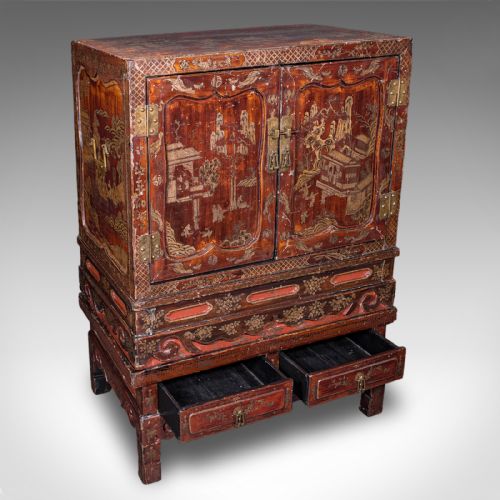
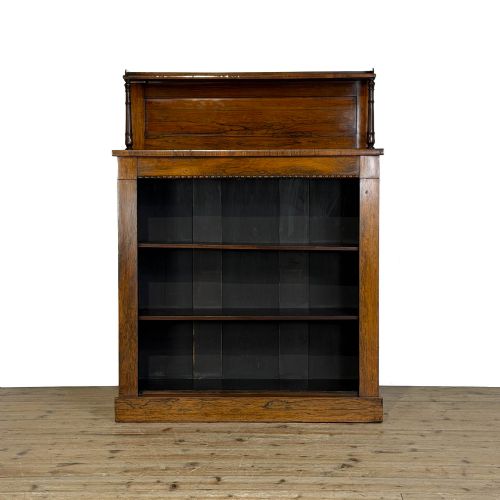
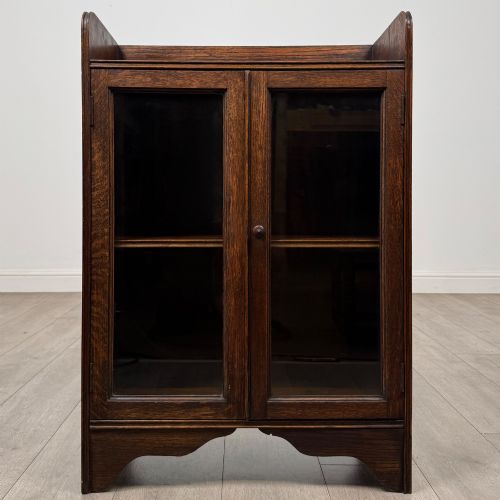
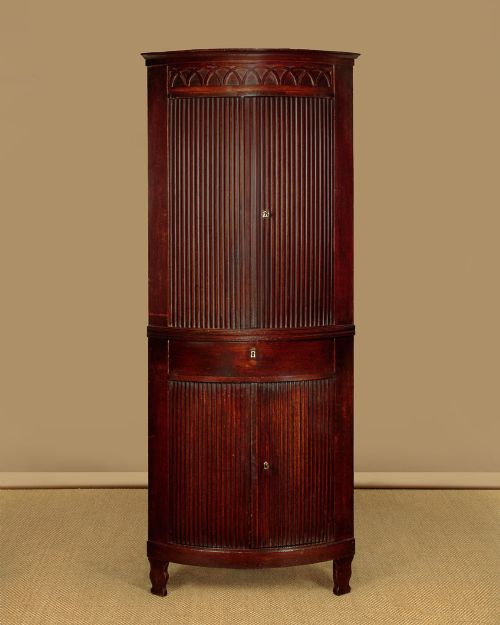
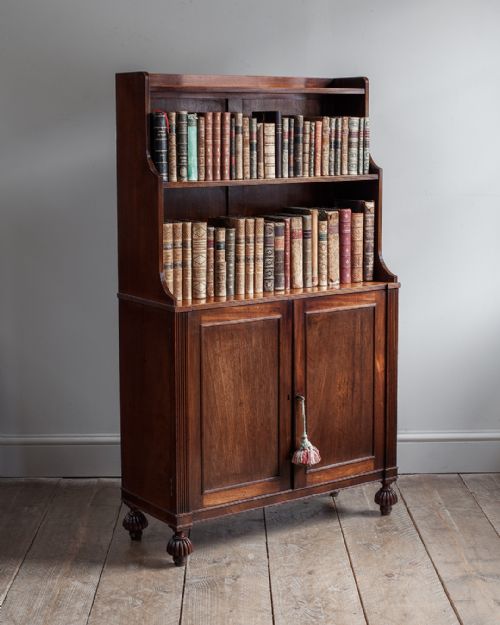
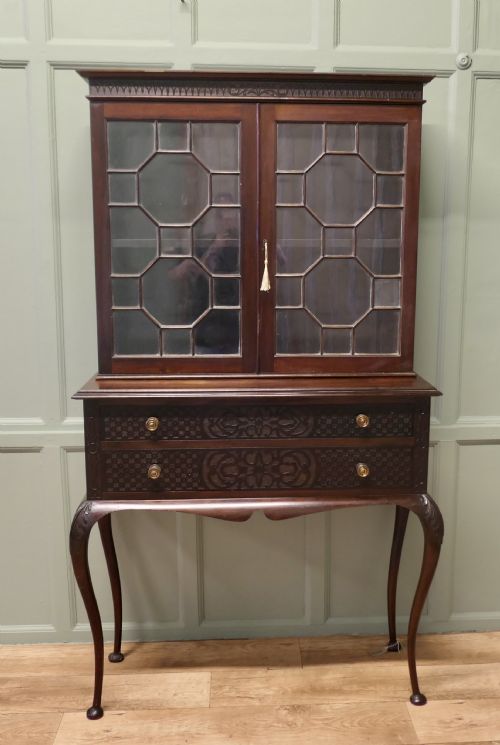
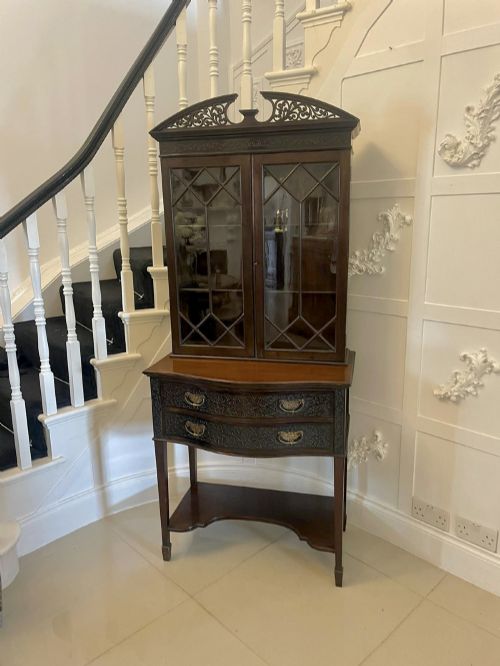
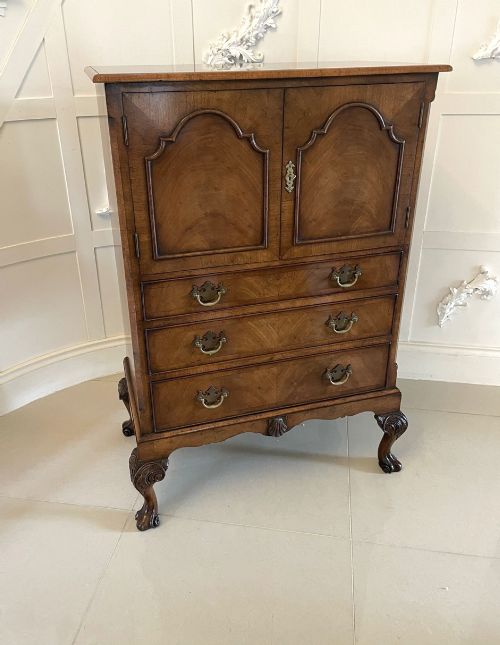
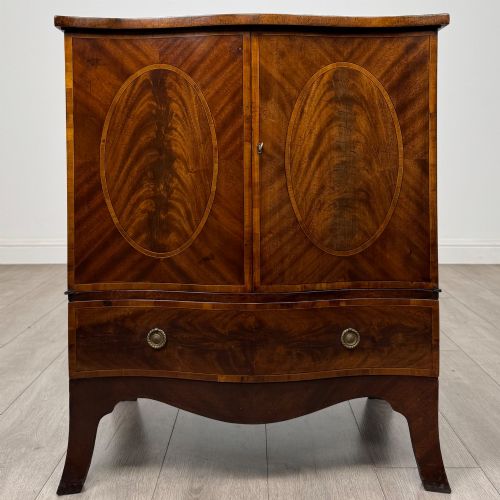
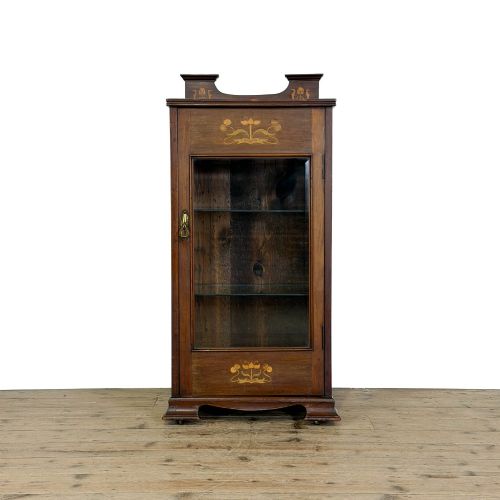
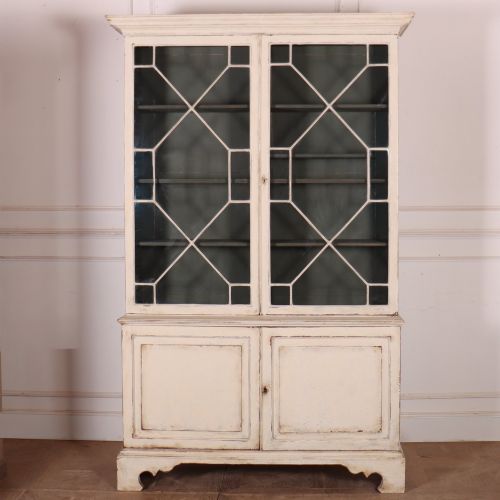
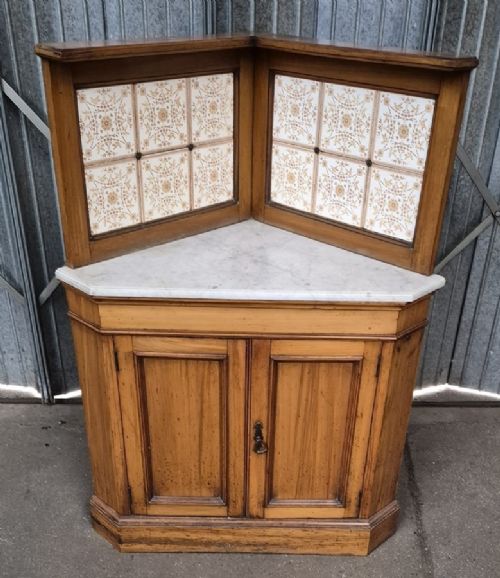
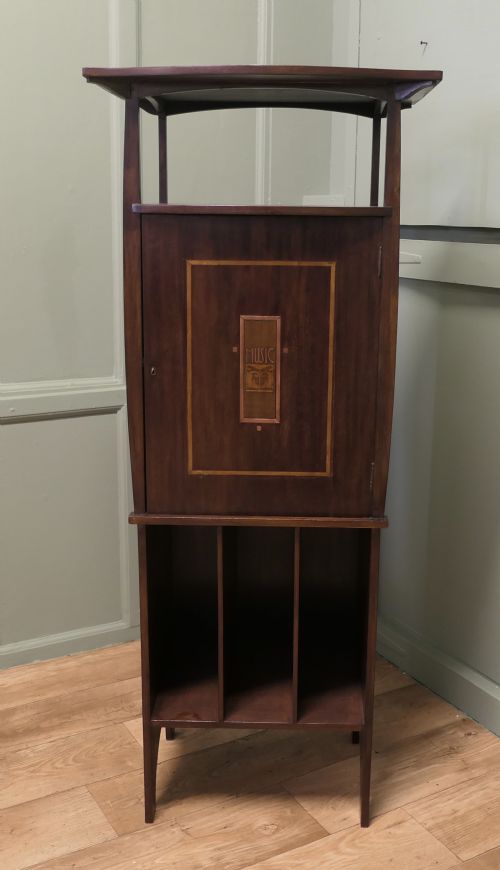
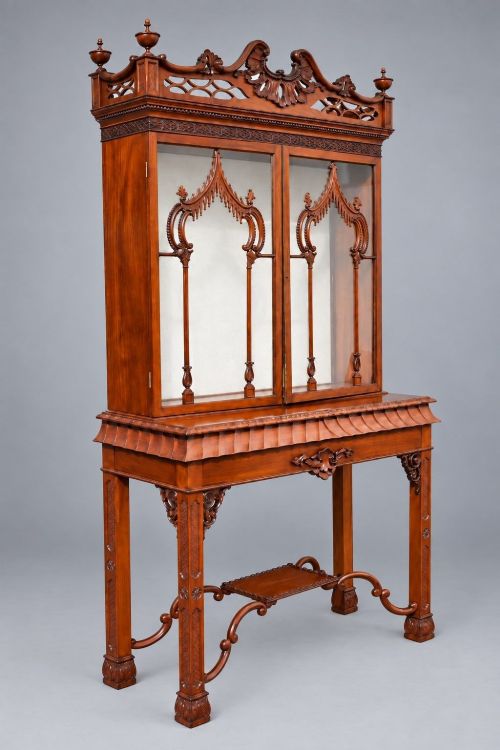
An antique standing cabinet brings together tall display pieces, corner cupboards, and side cabinets designed to rest directly on the floor. The selection spans structural forms from Georgian corner cupboards to Victorian display cases and Edwardian side cabinets.
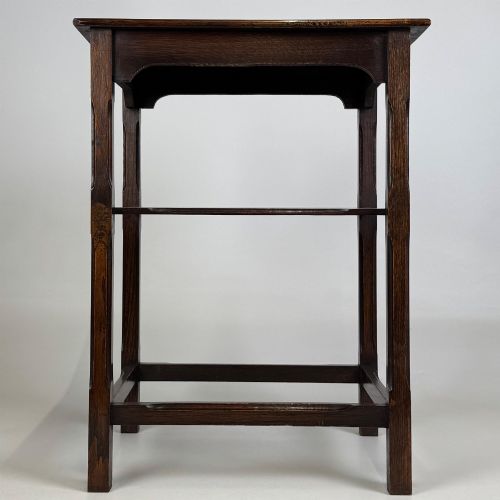
Most examples found on this page lean towards nineteenth-century walnut and mahogany productions, alongside earlier oak and walnut pieces from the eighteenth century. These freestanding items served varied domestic roles, housing books, porcelain, or general household stores.
Makers utilised architectural proportions and fitted shelving to elevate utilitarian storage into decorative furniture. The diverse styles visible across the periods range from plain oak country pieces to highly decorated marquetry and glazed display units.
Distinctions in quality and execution
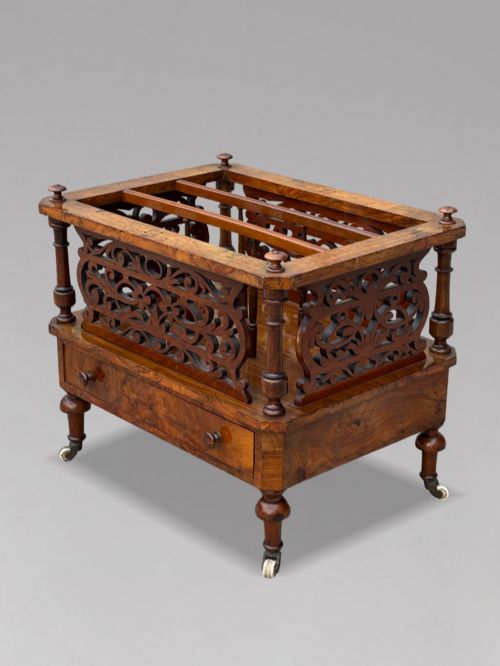
Quality rests heavily on the selection of timber veneers and the precision of the marquetry inlay. Pieces exhibiting dense burr walnut figures or detailed satinwood stringing demonstrate greater workshop investment.
The sophistication of the internal fittings, such as adjustable shelving, original glazing, and fine brass hinges, separates standard utility furniture from pieces produced by notable makers. Structural integrity and timber seasoning dictate how cleanly doors hang and how true the uprights remain.
Some Edwardian smokers cabinets came fitted with internal clay pipe racks and tiny ceramic mixing bowls for enthusiastic collectors.
Maple & Co.·Collinson & Lock·Shoolbred & Co.·Gabriel Viardot·GM Elwood for JS Henry
The Antique Standing Cabinet Glossary
- Marquetry
- Decorative patterns formed by the insertion of small pieces of wood, veneer, or shell into a glued wood matrix. This technique created floral and geometric motifs across Victorian and Georgian cabinet doors.
- Ormolu
- Gilded bronze mounts applied to the corners and feet of cabinets. Makers used these metallic ornaments to accent burr walnut and rosewood surfaces.
- Astral glazing
- Cabinet door construction where thin wooden bars divide the glass into geometric panes. These delicate frames allowed clear visibility into display book cabinets.
- Tallboy
- A tall chest of drawers standing on a base section or separate frame. They provided elevated vertical storage in bedrooms.
- Pier cabinet
- A low freestanding cabinet designed specifically to stand against the wall space between windows. These often incorporated mirrored backs and porcelain mounts.
Antique Standing Cabinet: Frequently Asked Questions
How do I date an antique standing cabinet?
Dating relies on identifying the primary timbers used in the carcase alongside the stylistic cues of the mouldings and feet. Georgian pieces often employ solid mahogany or oak with simpler interior framing.
Later Victorian and Edwardian examples introduce machine-sawn elements, denser marquetry, and softer secondary woods like pine behind mahogany veneers.
Were standing cabinets used in specific rooms?
These pieces served multiple domestic functions depending on their internal configuration and glasswork. Corner cupboards and side cabinets populated reception rooms and dining spaces for stored porcelain and linens.
Bookcases and display cabinets occupied libraries and drawing rooms, while washstands and bedside variants functioned exclusively in bedrooms.
How should I clean a polished wood cabinet?
Maintenance requires gentle dusting with a dry, soft cloth to prevent surface scratching from accumulated particles. Avoid modern silicone sprays that build up and degrade historic finishes over time.
Period wax applied sparingly helps nourish aged mahogany and walnut surfaces while preserving the natural lustre of the timber.
What distinguishes a display cabinet from a bookcase?
Display cabinets incorporate glass doors and frequently feature velvet-lined shelves or mirrored backs designed to showcase decorative objects and porcelain. Bookcases prioritise sturdy wooden shelving intended to bear the weight of heavy volumes.
Many nineteenth-century examples blur these lines by combining glazed upper display sections with enclosed lower cupboards.