
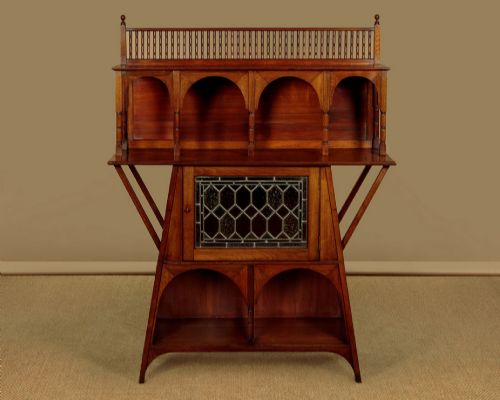
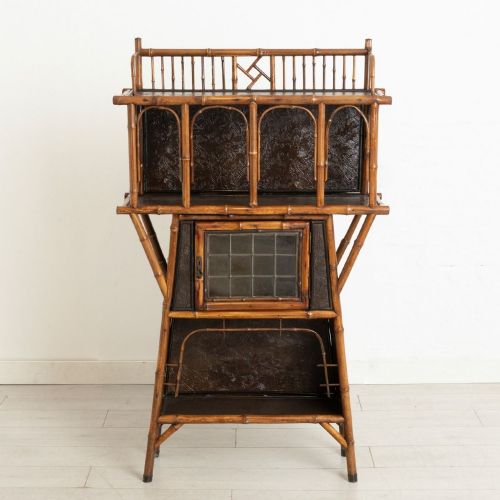
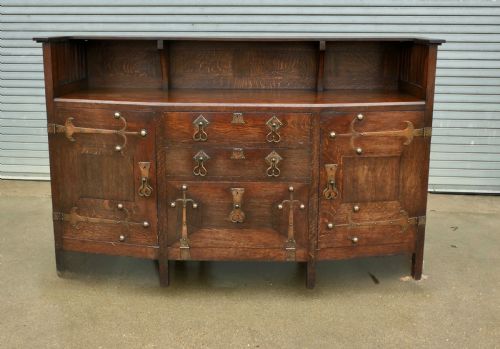
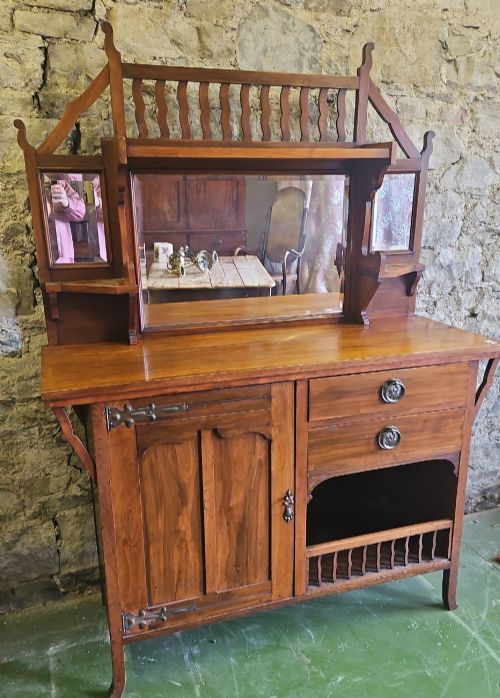
Liberty Style Cabinet
A liberty style cabinet brings the defining craftsmanship of the Arts and Crafts and Art Nouveau movements directly into your home.
Liberty Style Cabinet
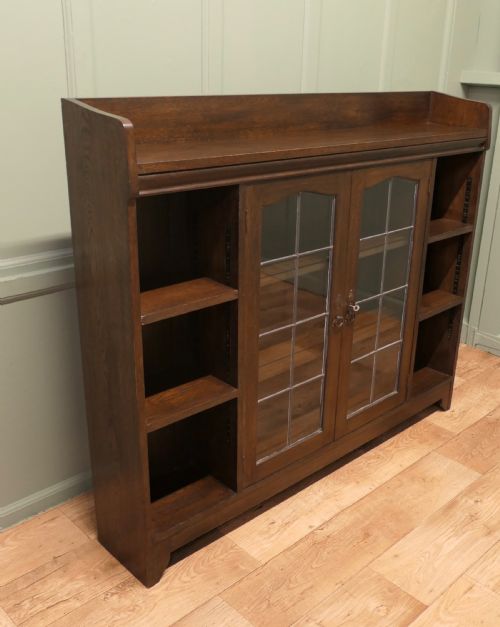
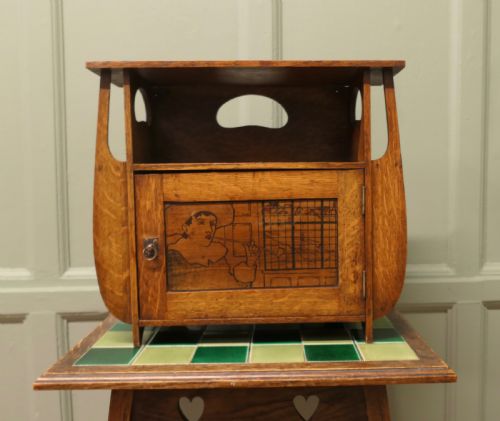
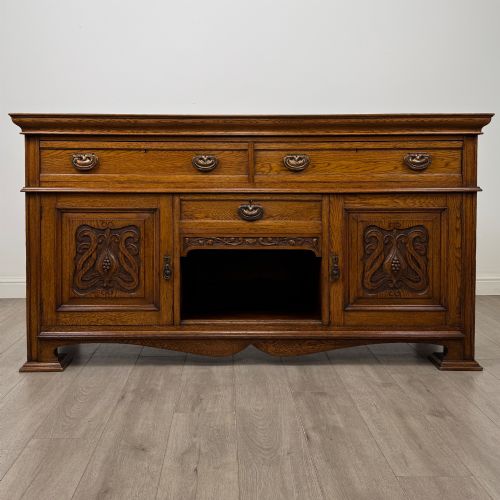
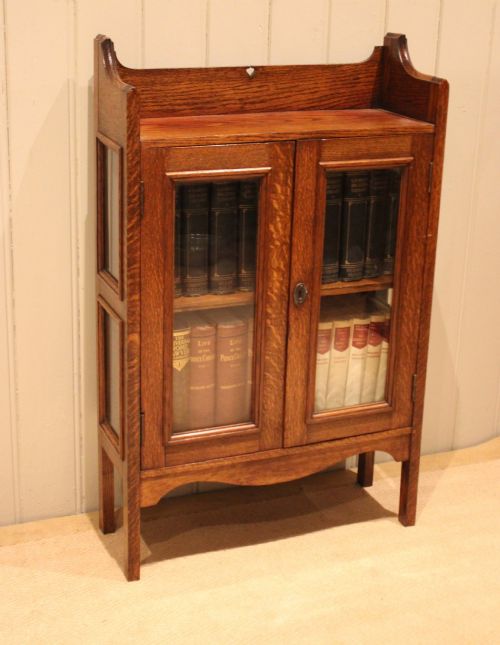
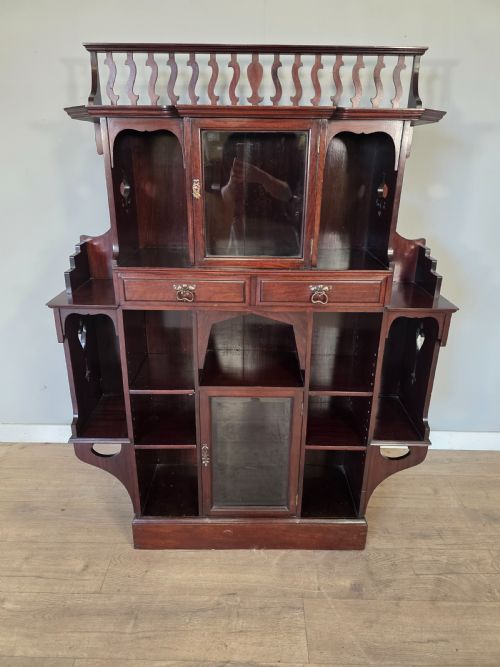
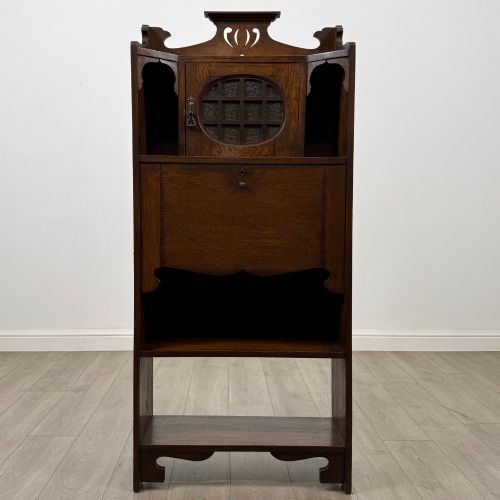
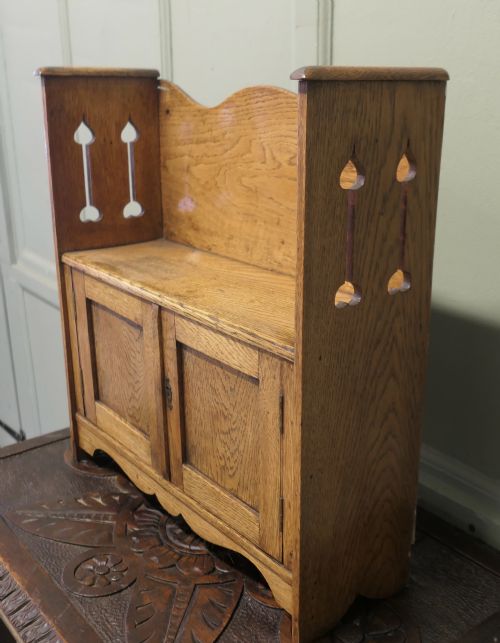
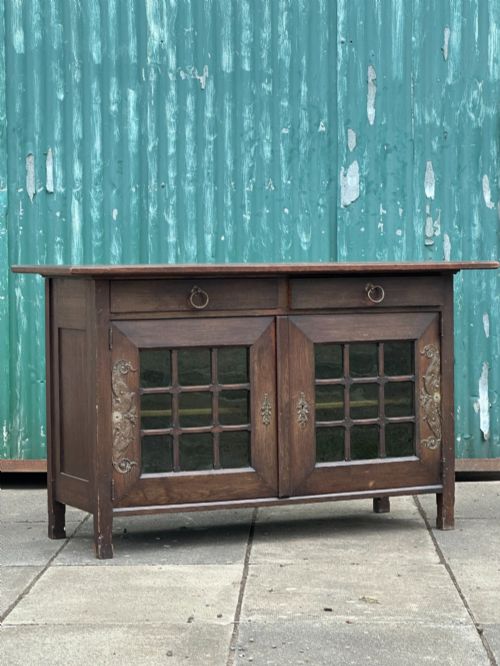
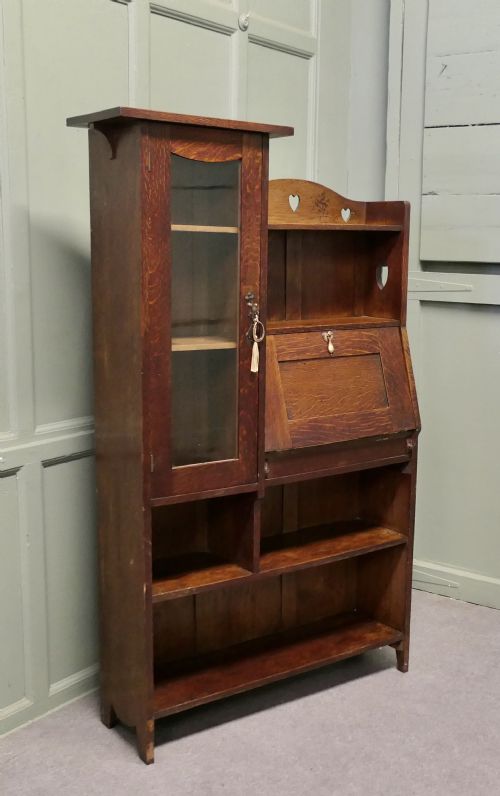
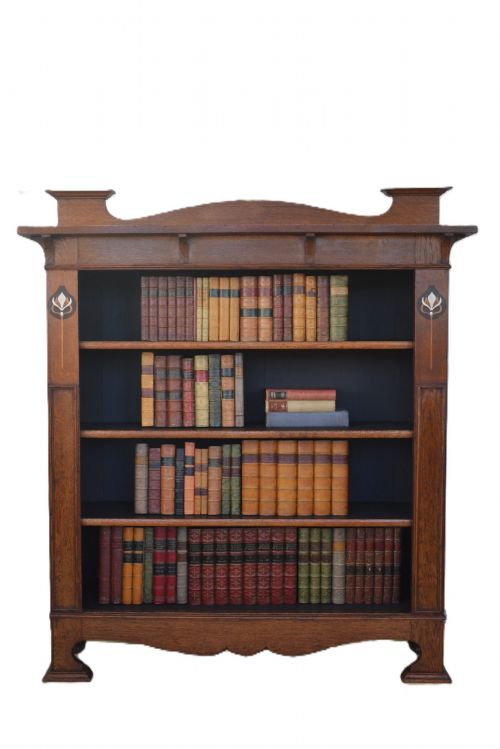
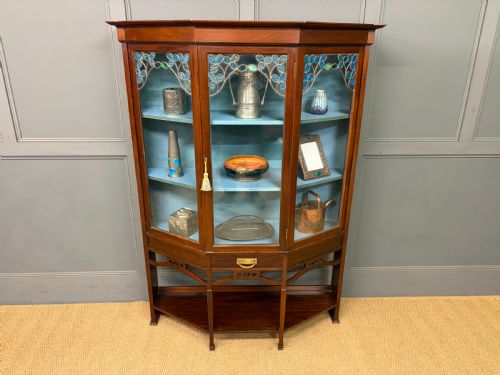
A liberty style cabinet encompasses a diverse range of furniture pieces spanning from the late nineteenth century into the twentieth century. When exploring this selection, buyers encounter sideboards, bookcases, display cabinets, and wall cabinets originating from periods such as the Edwardian era and Victorian decades.
These items emerge from design philosophies associated with Liberty and Co., alongside contemporary workshops like Shapland and Petter. The forms draw heavily upon Arts and Crafts, Art Nouveau, and Aesthetic Movement traditions, offering both functional storage and striking decorative presence.
How they were made
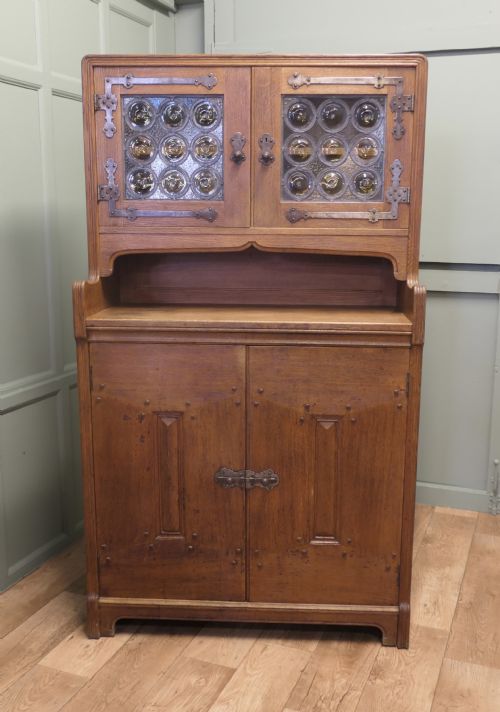
Cabinet makers relied predominantly on solid oak and mahogany as the foundational timbers, occasionally employing bamboo for lighter display pieces. Structural integrity and surface detail were enhanced through the integration of brass, copper, lead, and intricate inlay work.
Joinery methods prioritized traditional handcrafting techniques over mass production, evident in exposed joints and purposeful proportions. Glazed doors and open shelving configurations were constructed to showcase books, ceramics, and curiosities.
Liberty Style Cabinet Retail Price Guide 2026
Typical asking prices for liberty style cabinet among the pieces listed under this phrase on Sellingantiques today, from the lower quarter to the upper quarter. They describe what is for sale here now, not the wider market.
Music cabinets with fall fronts reveal that Victorians stored their sheet music with the same architectural dedication as fine library books.
What varies in quality
The distinction between standard production and exceptional execution rests in the subtlety of the design and the choice of materials. Finer examples display superior timber selection, particularly in golden oak and figured mahogany, coupled with thoughtful proportions and balanced compositions.
Attribution to notable designers or reputable firms elevates a piece, as seen in items bearing specific maker provenance. Furthermore, the intricacy of metal hardware, fretwork, and inlay work separates ordinary utility furniture from distinguished collector pieces.
Liberty and Co·Leonard Wyburd·Shapland and Petter
The Liberty Style Cabinet Glossary
- Arts and Crafts
- A design movement emphasising handcraft, traditional skills, and simple forms. It rejected industrial mass production in favour of honest construction.
- Art Nouveau
- A style characterised by organic, flowing lines and plant-inspired motifs. This aesthetic influenced cabinet hardware, glass panels, and inlay details.
- Inlay
- A technique where contrasting materials are inserted into recesses in the wood surface to create patterns. Common materials include lighter woods and metal foils.
- Bijouterie cabinet
- A specialised display case featuring a glass top or front designed for small treasures and trinkets. These cabinets often highlight delicate woodwork and fine glazing.
Liberty Style Cabinet: Frequently Asked Questions
What is a liberty style cabinet?
A liberty style cabinet is a piece of furniture reflecting the distinctive aesthetic of the Arts and Crafts and Art Nouveau movements. These items typically exhibit honest construction, natural timber grains, and artistic metal hardware.
Such cabinets range from oak sideboards and bookcases to delicate display cases and wall units produced around the turn of the twentieth century.
How do I identify a piece by Liberty?
Attribution often relies on characteristic design traits, such as distinctive brass strap hinges, copper handles, and geometric leaded glass patterns. Some pieces bear direct documentation or stylistic hallmarks associated with the firm's leading designers.
Consulting period catalogues and examining construction methods helps distinguish authenticated workshop pieces from contemporary stylistic interpretations.
Which woods were commonly used?
Oak is the predominant timber found across these listings, frequently finished to highlight a rich golden hue or quarter-sawn grain. Mahogany also appears regularly, particularly in display cabinets and writing desks.
Alternative materials like bamboo and specialised inlay veneers were utilised for specific aesthetic styles including Aesthetic Movement and Moorish influences.
How do I care for antique oak furniture?
Preserving antique oak requires maintaining a stable indoor environment away from direct sunlight and excessive humidity fluctuations. Regular dusting with a soft, dry cloth prevents particulate accumulation on the timber and glass surfaces.
Applying traditional wax polish sparingly helps nourish the wood grain and protects the original patina without sealing the surface artificially.