


Oak Hallway Bench Back
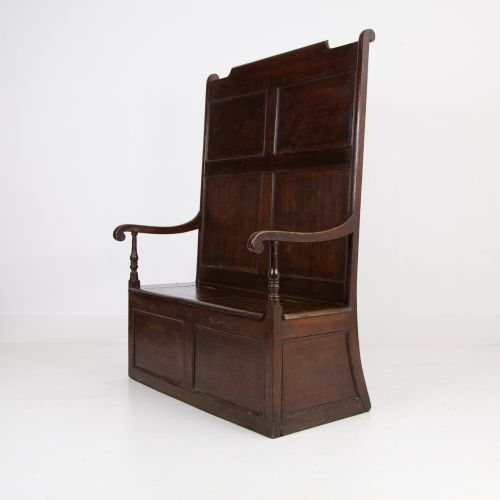
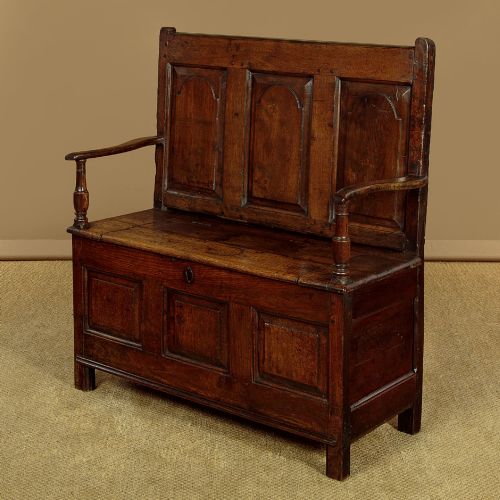
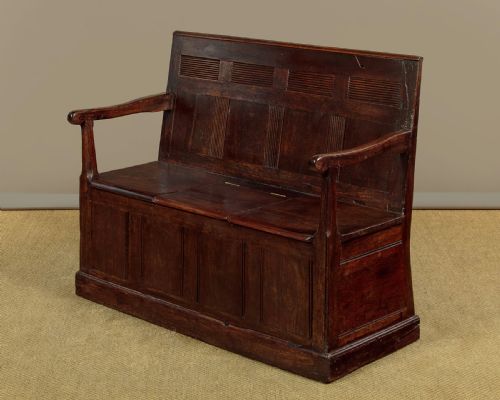
An oak hallway bench back brings substantial timber presence and practical seating to an entryway, drawing on centuries of vernacular woodworking traditions.
Oak Hallway Bench Back
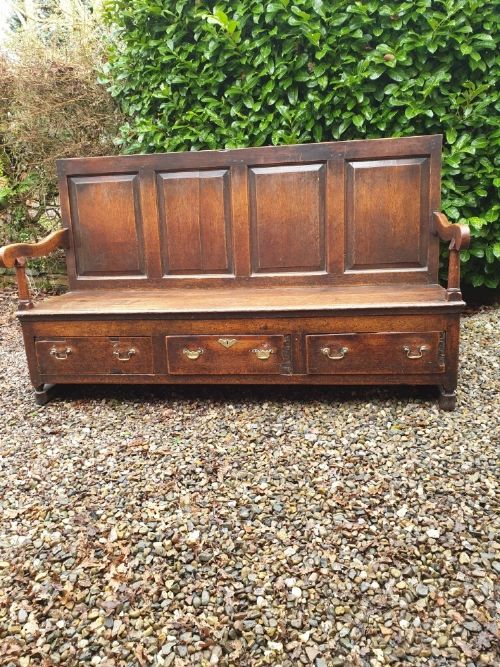
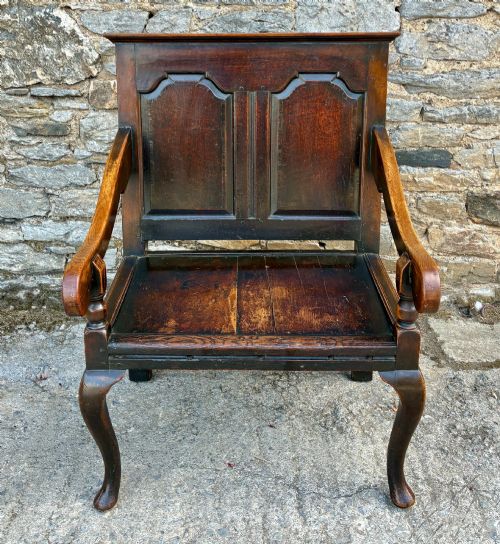
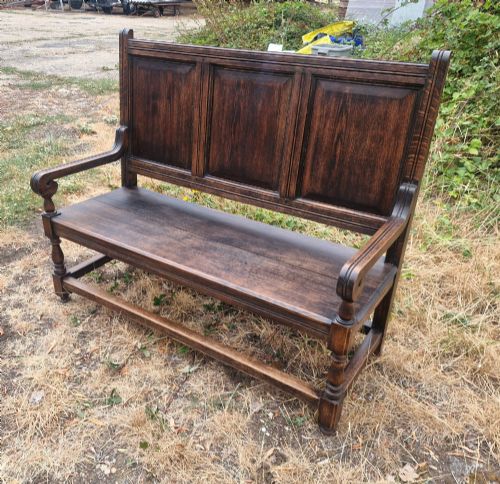
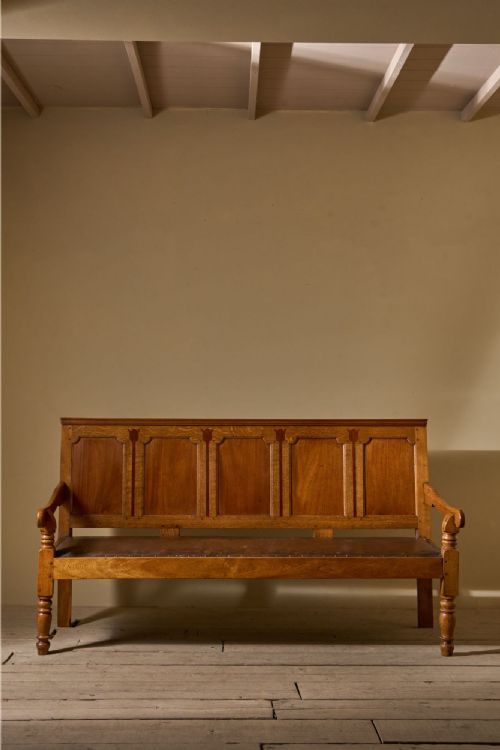
When you search for an oak hallway bench back, you are looking at substantial seating forms that include tall vertical panels designed to shield a drafty passage or frame a hallway. The pieces on this page span several centuries, reaching from the seventeenth century through to the Edwardian period, with eighteenth-century examples appearing frequently.
The forms encompass traditional box settles with integrated storage, high-back settles, panelled hall seats, and church pews fashioned primarily from solid oak. Regional variations such as Welsh settles and tavern pieces sit alongside formal Victorian Gothic revivals and carved country styles.
These items function as both seating and architectural screens within a hallway or porch. Their upright backs range from plain joined panels to heavily carved surfaces decorated with linenfold, geometric motifs, or floral carving.
Materials and construction methods
Makers built these pieces using solid oak, frequently supplemented by elm for seats and structural panels, alongside secondary timbers like walnut or pine. Joinery relied on traditional mortise and tenon joints secured with wooden pegs, creating rigid frames capable of withstanding heavy daily use.
Surface decoration involved hand-carving deep relief panels, applying wood inlay, and occasionally incorporating brass or iron hardware such as hinges and brackets. Some examples feature upholstered elements utilising fabric, leather, or cotton affixed to the timber frame.
One sturdy pew travelled straight from St. Paul's Church in Tiverton to take up a second career as hallway seating.
Distinctions in construction and design
The standard of a piece rests in the choice of timber and the complexity of its joinery, where quarter-sawn oak displays distinct medullary rays that signal superior log selection. Heavy hand-carving executed with crisp detail elevates a form above plain, utilitarian examples from provincial workshops.
Proportion and integrity dictate the upper tier of the range, distinguishing untouched period examples from heavily altered or later assembled pieces. Original box storage floors, unaltered panel backs, and retaining structural elements preserve the historical coherence demanded by serious buyers.
Emma Grant·Hampton & Son's
The Oak Hallway Bench Back Glossary
- Box settle
- A wooden bench featuring a high panelled back and a closed storage compartment beneath the seat. This form kept occupants warm by blocking drafts in older stone or timber dwellings.
- High back settle
- A seating form possessing an extended vertical back panel that often reaches near shoulder or head height. It served as a protective screen against cold air currents in hallways and communal rooms.
- Panelling
- A method of constructing large wooden surfaces using framed boards that can expand and contract with humidity. This technique provides structural stability to the tall backs characteristic of these seats.
- Crossbanding
- A decorative border technique where thin strips of veneer are laid across the grain of the primary wood. It frames drawer fronts or panel edges on more refined eighteenth-century examples.
- Tavern settle
- A robust seating form designed for public houses or inns, combining heavy oak and elm construction. These pieces typically feature high panelled backs to create private seating booths.
Oak Hallway Bench Back: Frequently Asked Questions
How do I place an oak hallway bench back in a modern home?
Position the piece against a long hallway wall where its tall wooden back can anchor the space visually. The enclosed base offers practical storage for shoes or linens while maintaining a clear walkway.
Ensure there is adequate wall space to support the high back without crowding narrow corridors. Pairing the timber with simple flooring allows the grain and panel construction to remain the focal point.
What is the difference between a settle and a hall bench?
A settle traditionally incorporates a high solid back and enclosed sides designed to block drafts in older homes. Many examples include a box base that lifts to reveal a large storage cavity beneath the seat.
A hall bench generally offers a lighter architectural presence with open sides and simpler back panels. These variations reflect whether the piece was made primarily for weather protection or for formal hallway seating.
How can I tell the period of an oak settle?
Examine the construction marks, panel thickness, and joint methods visible on the reverse and interior. Seventeenth and early eighteenth-century examples rely on heavy joined framing with pegged mortises, while later nineteenth-century pieces often display machine-sawn timber and revival carving styles.
Secondary woods and decorative flourishes like crossbanding or specific hardware styles also point toward Georgian or Victorian production periods. Comparing the patination of the oak helps confirm the age of the surface.
Are these benches comfortable for daily seating?
Most antique oak settles feature upright wooden backs and solid timber seats designed for firm posture rather than lounging. Adding a loose squab cushion or pad will soften the seat for regular daily use.
Because the seats were built for durability in busy hallways or public houses, their sturdy construction easily accommodates everyday sitting.