






Antique Oak Hall Seating
These antique oak hall seating pieces range from sturdy 18th-century settles to architectural Victorian benches, offering practical passage furniture with centuries of timber character.
Antique Oak Hall Seating
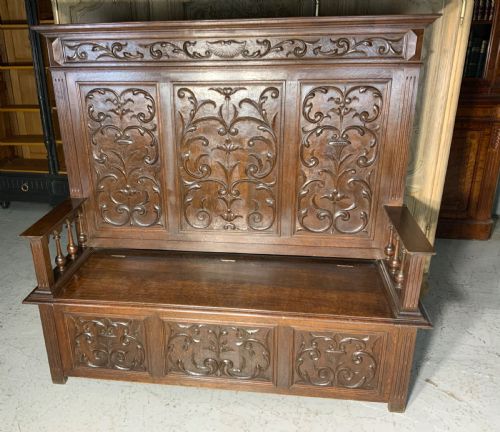
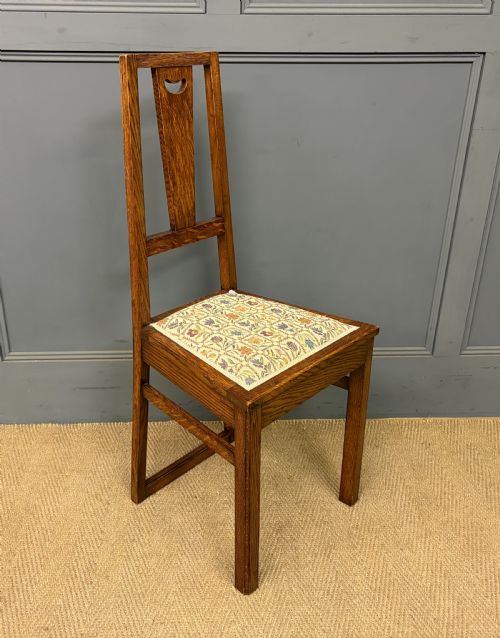
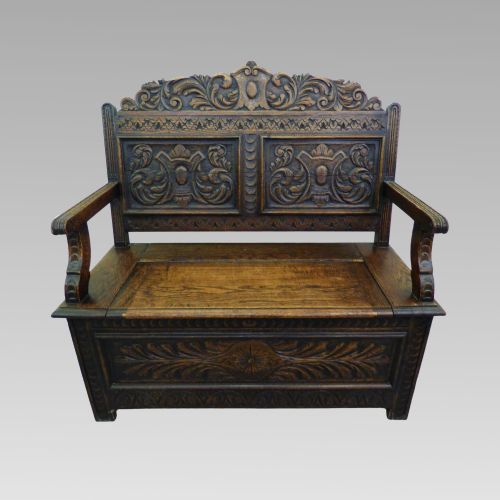
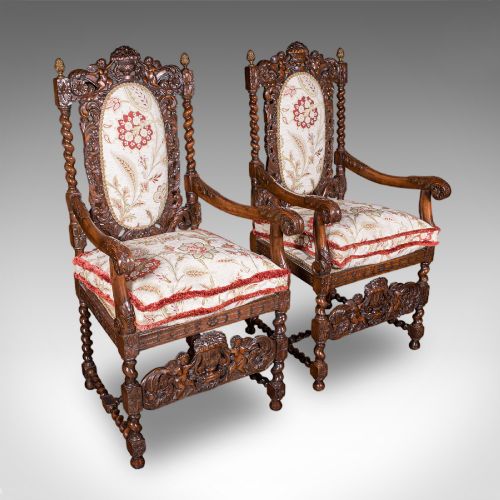
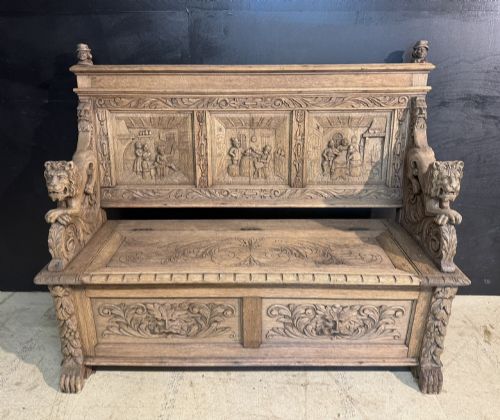
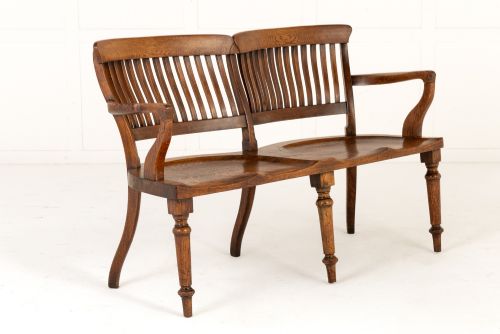
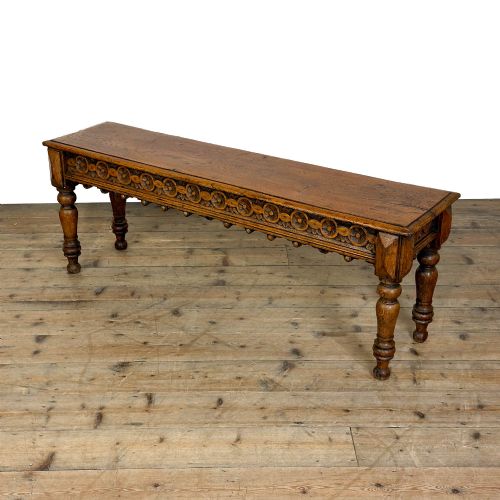
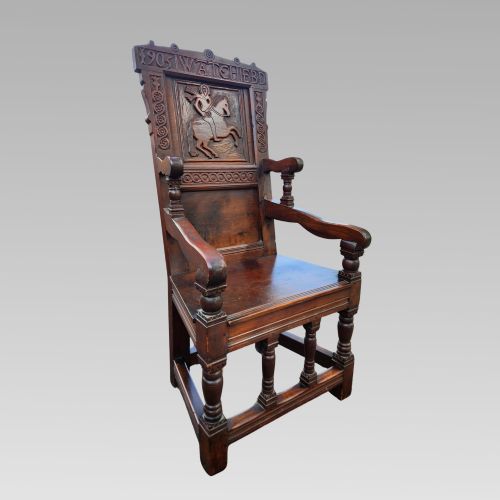
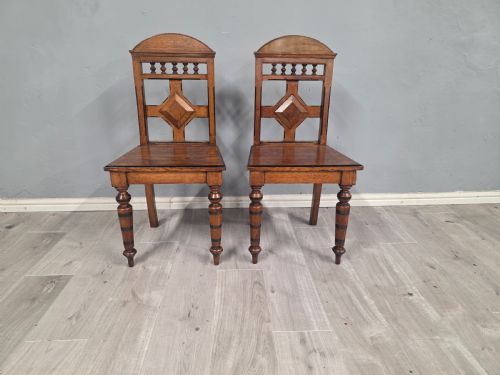
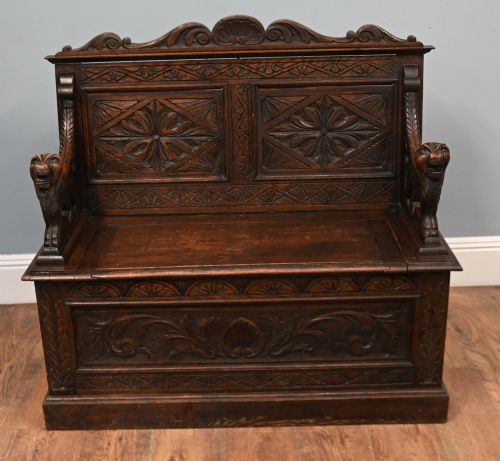
When you search for antique oak hall seating, you encounter a varied selection of functional corridor furniture designed for entrances and passages. The listings here span several centuries, featuring forms such as high-back settles, box benches with lift-up lids, slender hall seats, and paired hall chairs.
You are most likely to meet Victorian and 19th-century interpretations alongside earlier Georgian and 18th-century examples. Many pieces incorporate practical storage compartments, ottoman box seats, or integrated stick stands suited for hallway use.
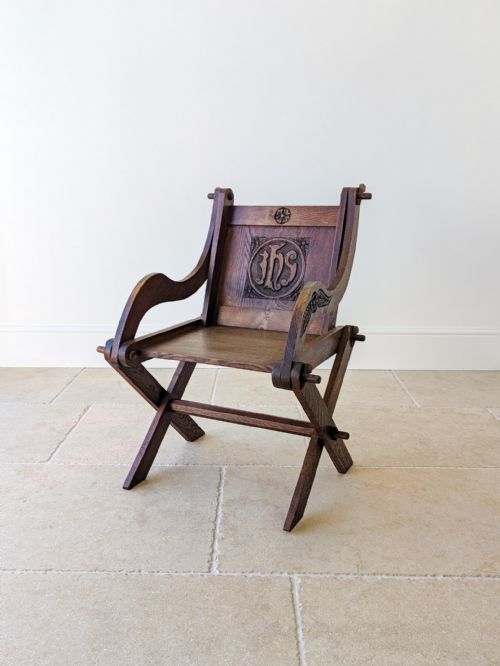
The selection encompasses distinct revival styles, including Gothic Revival, Jacobean Revival, and Arts and Crafts designs. Pieces range from rustic country benches to formal architectural seating with carved panels and shaped trestle ends.
Materials and Construction
The primary material across the inventory is solid oak, complemented occasionally by secondary timbers like ash. Makers utilised traditional joinery methods, constructing sturdy frames with panelled backs, pegged joints, and heavy timber seats.
Surface details frequently include hand carving, trefoil cut-outs, tulip decorations, and architectural mouldings. Some examples integrate supportive hardware in iron and brass, alongside upholstered elements finished in leather, fabric, or velvet.
Antique Oak Hall Seating Retail Price Guide 2026
Typical asking prices for oak hall seating among the pieces listed under this phrase on Sellingantiques today, from the lower quarter to the upper quarter. They describe what is for sale here now, not the wider market.
The listings demonstrate strong representation from the 18th and 19th centuries, utilising solid oak alongside iron, brass, and leather.
Distinguishing Quality in Hall Seating
Quality in these seating pieces is evident in the selection and depth of the timber grain, particularly in golden solid oak and mature panels. Superior examples display crisp, purposeful carving that defines the architectural form without feeling crowded.
Construction integrity separates finer items from simpler utilitarian versions, seen in the seamless operation of lift-up box seats and the rigidity of shaped trestle ends. Original proportions and authentic period patination further elevate the standing of a piece.
GIllows
The Antique Oak Hall Seating Glossary
- Settle
- A wooden bench with a high back, solid arms, and often a closed base or box compartment beneath the seat. This form protected sitters from draughts in entrance halls.
- Monk's bench
- A multi-functional piece featuring a hinged top that folds down to convert the backrest into a table surface. It combines seating with dual-purpose utility.
- Box settle
- A hall bench incorporating a compartment under the lift-up seat used for storing outdoor wear. These provide concealed utility within a heavy timber frame.
- Gothic Revival
- A design style drawing inspiration from medieval architecture, characterised by pointed arches, trefoil motifs, and heavy carved tracery. It is prominent in Victorian seating.
- Trestle ends
- Support structures positioned at either end of a bench rather than traditional legs, often shaped for architectural stability. They distribute weight evenly across the floor.
Antique Oak Hall Seating: Frequently Asked Questions
What is a hall settle?
A hall settle is a heavy wooden bench featuring a high back and solid arms designed to shield sitters from cold drafts in an entrance passage.
Many examples include a built-in box compartment beneath the seat for storing boots and garments.
Were monk's benches used in hallways?
Monk's benches served flexible functions in period homes, frequently placed in reception areas where space required multi-purpose furniture. The hinged top allowed the backrest to fold over into a table.
This design offered a compact solution for seating and surface utility combined.
What is Gothic Revival oak seating?
Gothic Revival seating draws on medieval architectural elements such as pointed arches, trefoil carvings, and heavy framing. These pieces became particularly popular during the 19th century.
Craftsmen utilised solid oak to create dramatic, imposing forms for grand halls and libraries.