
Edwardian Carved Oak Seat
An edwardian carved oak seat brings robust timber and historic revival style directly into a hallway or dining room.
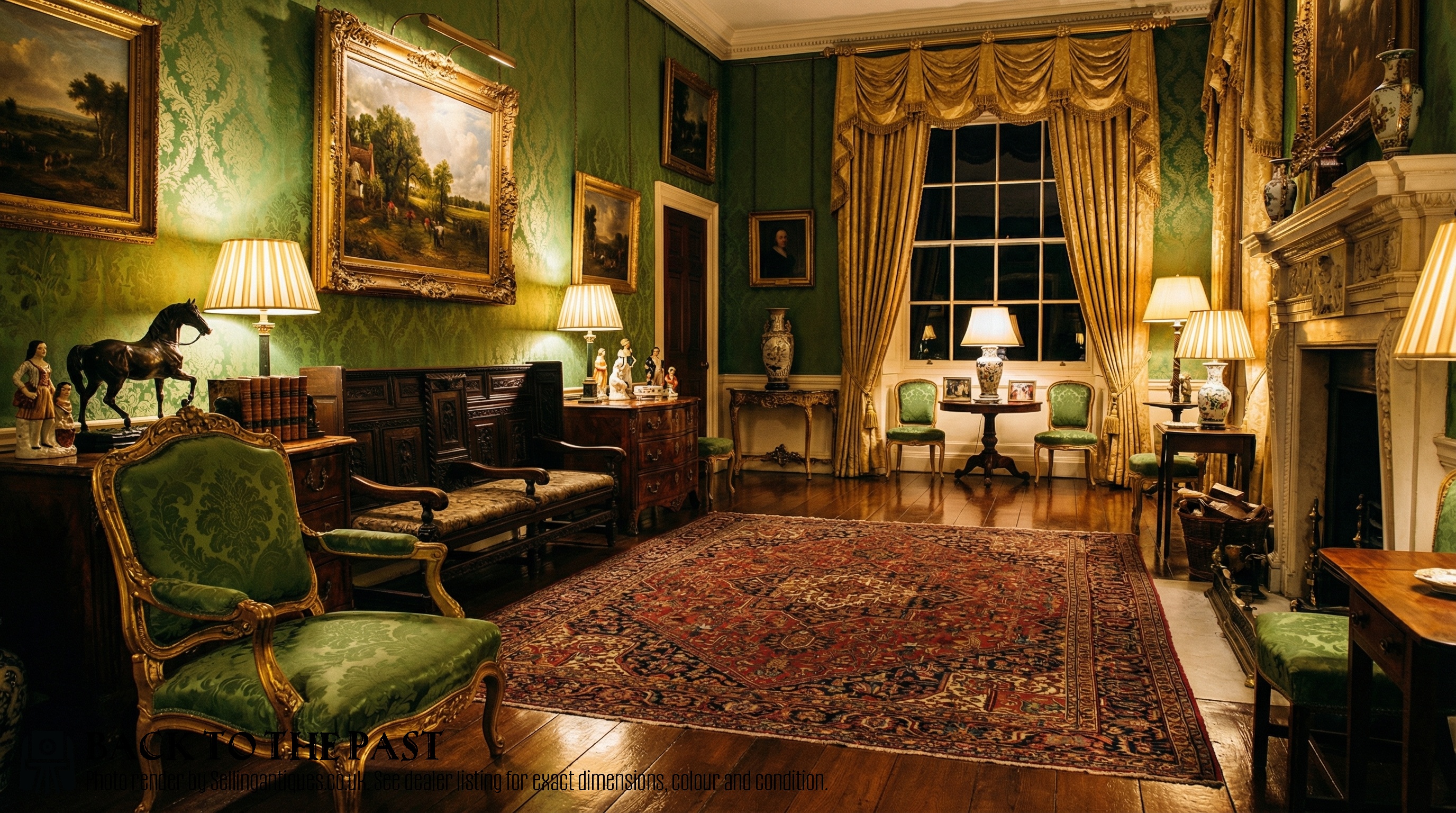
Edwardian Carved Oak Seat
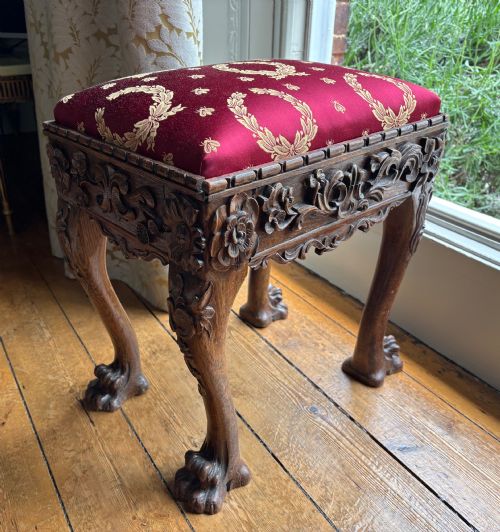
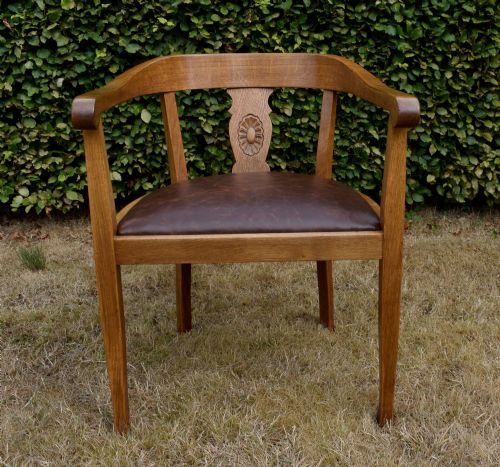
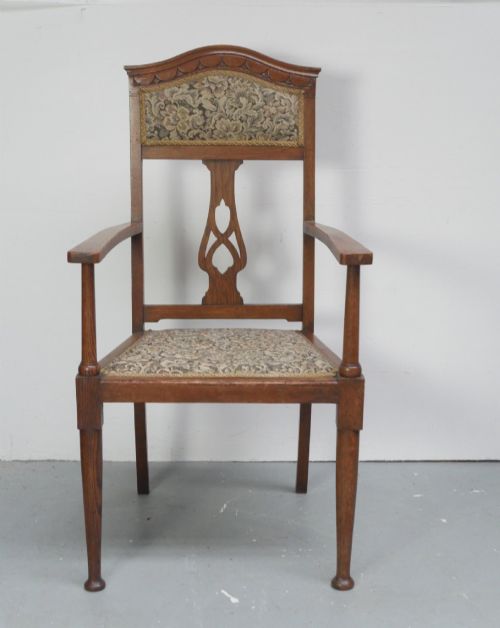
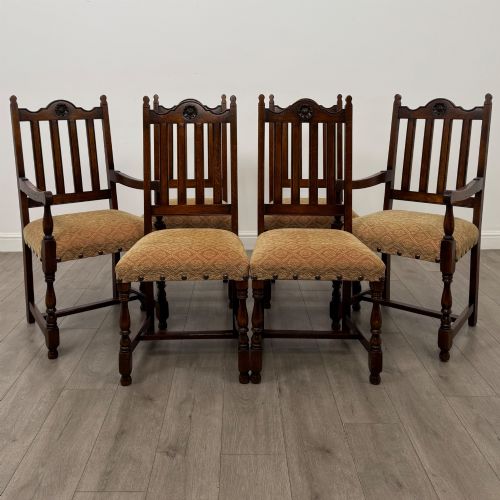
An edwardian carved oak seat encompasses dining chairs, armchairs, benches, stools, and hall seats originating primarily from the Edwardian era, alongside related nineteenth-century and early twentieth-century examples. The selection frequently includes Jacobean Revival and Arts and Crafts designs, reflecting the period's fondness for historic pattern and solid construction.
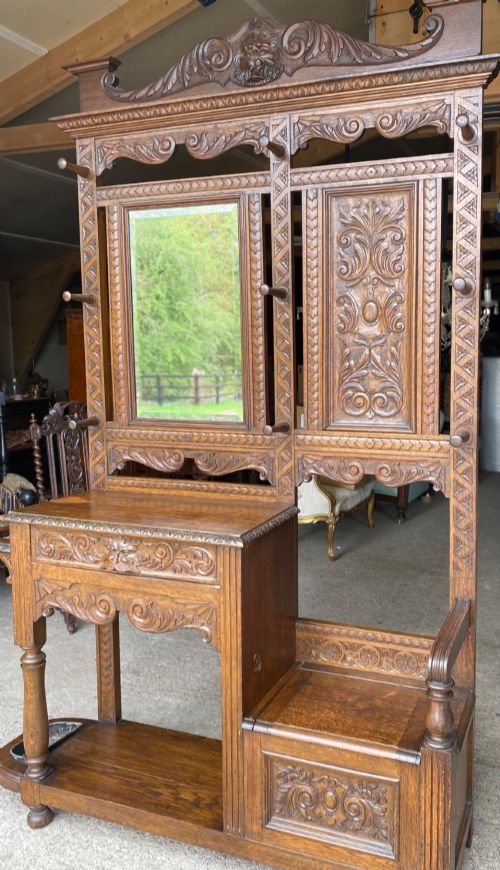
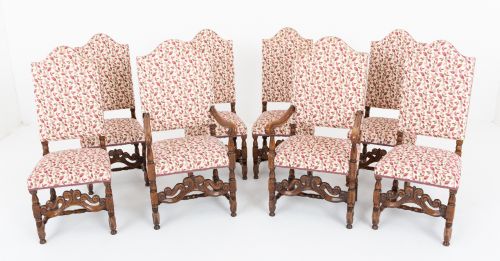
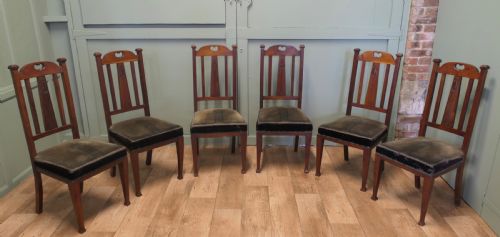
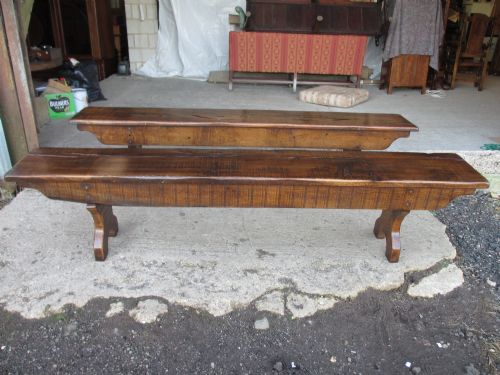
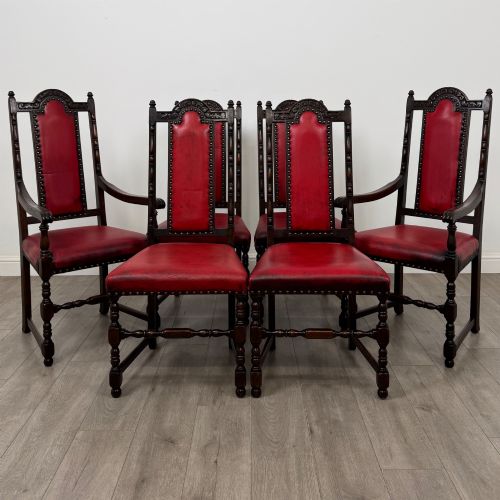
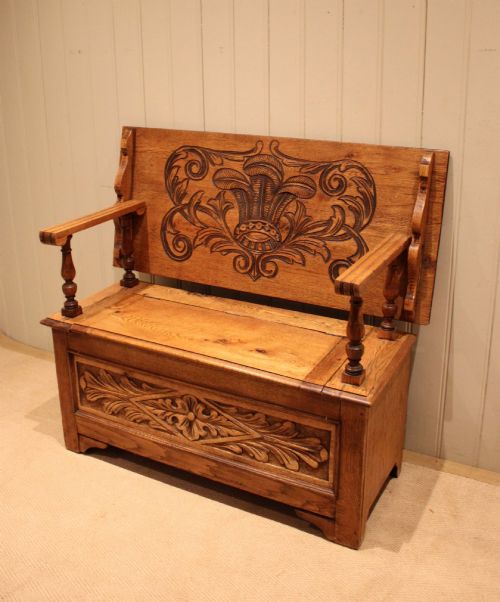
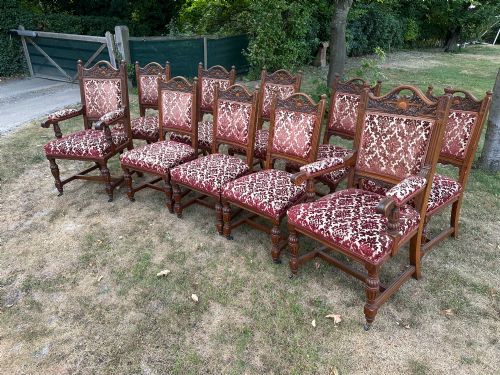
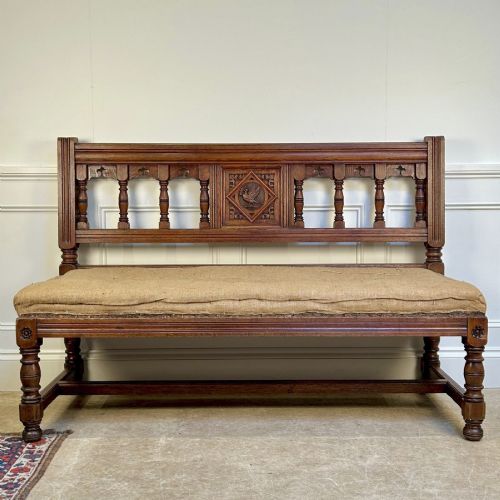
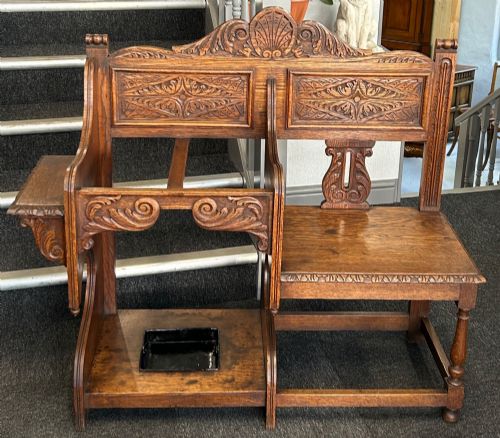
Buyers encounter single hall benches with storage, matched sets of dining chairs, and occasional armchairs featuring carved panels and shaped trestle ends. These pieces range from simple country furniture to elaborate Gothic Revival and Arts and Crafts forms executed in heavy timber.
Materials and Technique
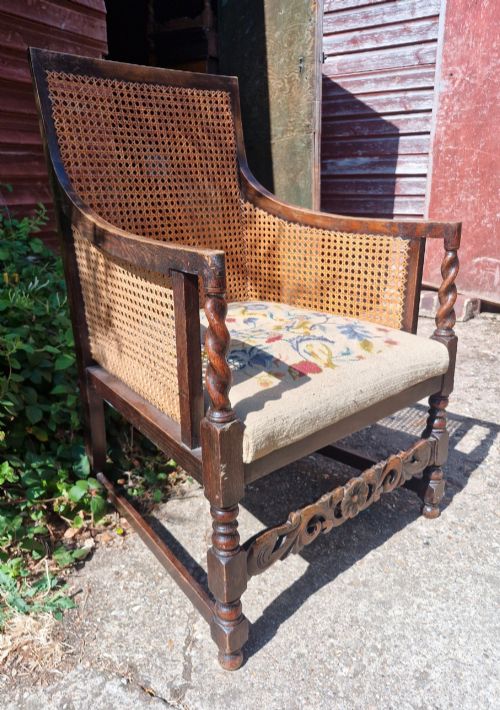
Construction relies heavily on solid oak, selected for durability and finished with brass hardware, iron accents, or carved details. Upholstery materials appearing alongside the timber include leather, fabric, velvet, and cane.
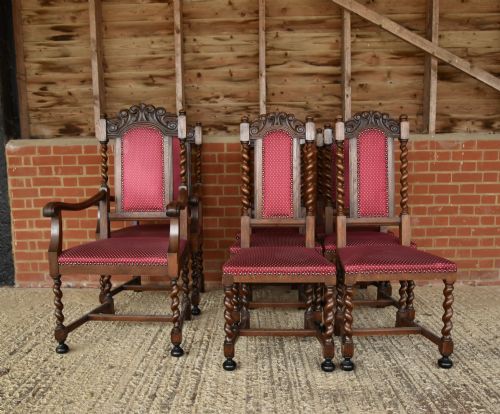
Joinery methods utilise traditional framing techniques to support carved backs, panelled seats, and turned or barley twist legs. Surfaces often display carved geometric motifs, trefoil details, or plain panelled construction.
Some hall seats secretly moonlight as umbrella stands and coat racks.
Quality and Execution
Distinction across the range rests on the crispness of the carving and the integrity of the timber frame. Superior examples demonstrate confident chisel work and substantial weight in the oak components.
The degree of original matching in sets and the subtlety of revival styling influence distinction. Refined proportions and integrated storage or stick stands elevate utility without compromising period character.
GIllows·Shapland and Petter·Liberty and Co·Wylie Lockhead Manufacturers
The Edwardian Carved Oak Seat Glossary
- Bergere
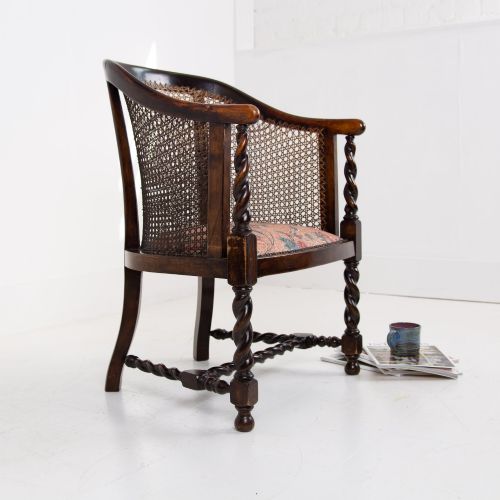
- An upholstered wooden armchair with enclosed cane panels on the back and sides. This French-inspired form appeared in various British revivals.
- Monks bench
- A multifunctional seat with a hinged back that folds down to form a table. This traditional form found renewed popularity during the Arts and Crafts period.
- Club fender
- A low, padded-top metal frame surrounding a hearth to provide fireside seating. Edwardian examples often incorporated oak bases and brass rails.
- Barley twist
- A type of turning resembling a spiralling rope used for furniture legs and structural supports. It became particularly popular during revival periods.
- Trefoil
- A graphic ornament composed of three overlapping lobes resembling a clover leaf. It appears frequently in Gothic Revival decorative carving.
Edwardian Carved Oak Seat: Frequently Asked Questions
Where did people place an edwardian carved oak seat?
These pieces served multiple functions around the home, appearing in hallways as practical benches for putting on boots or storing items beneath the seat. Larger dining sets populated formal rooms, while individual armchairs and settles furnished libraries or studies.
In many cases, hall seats doubled as umbrella stands or incorporated panelled backs designed to protect occupants from draughts near the front door.
How do I identify Arts and Crafts influence?
Arts and Crafts pieces prioritise visible construction, honest materials, and functional simplicity over excessive surface decoration. You will often see clean-lined golden oak, hand-carved panels, and structural pegged joints.
Makers inspired by this movement rejected mass production in favour of studio craftsmanship, resulting in sturdy furniture with distinct artistic personality.
What is the difference between Jacobean Revival and Gothic Revival?
Jacobean Revival pieces draw inspiration from seventeenth-century design, featuring geometric mouldings, strapwork carving, and sturdy turned legs. They emphasise rectilinear forms and heavy panelled oak construction.
Gothic Revival furniture references medieval architecture through pointed arches, trefoil details, and vertical emphasis. These pieces often incorporate ecclesiastical motifs adapted for domestic use.
How should I care for antique oak furniture?
Solid oak benefits from stable indoor humidity away from direct heat sources and strong sunlight, which can dry or fade the timber over time. Regular dusting with a soft cloth preserves the surface finish without chemical buildup.
Treat leather or cane components gently according to their specific material needs, avoiding excessive moisture on natural fibres.