
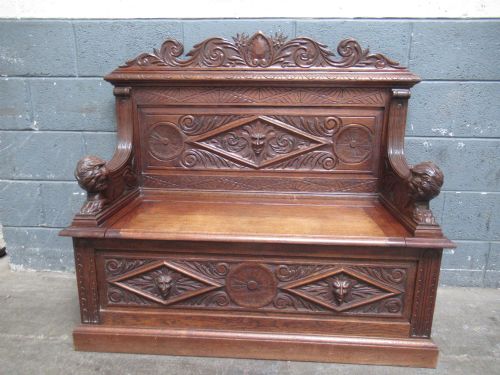
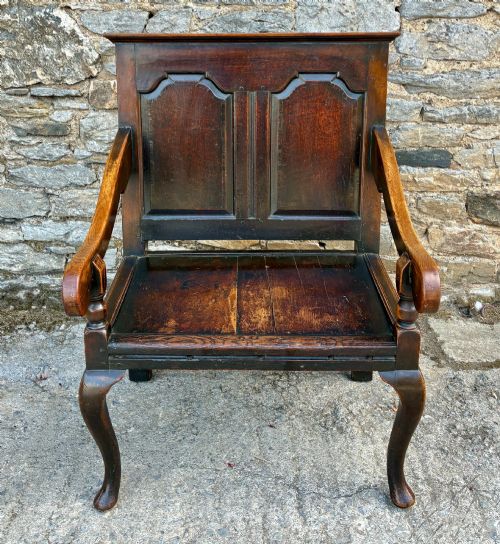
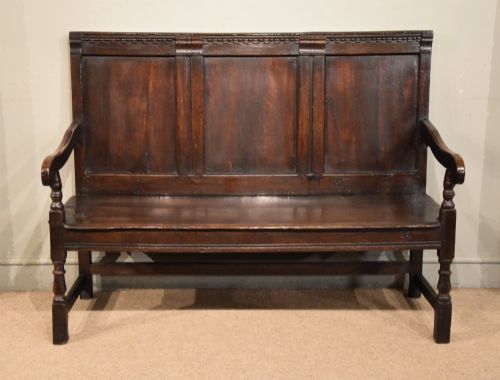
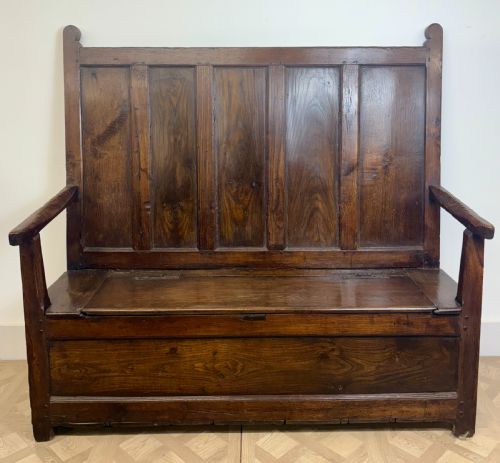
Dark Brown Oak Settle
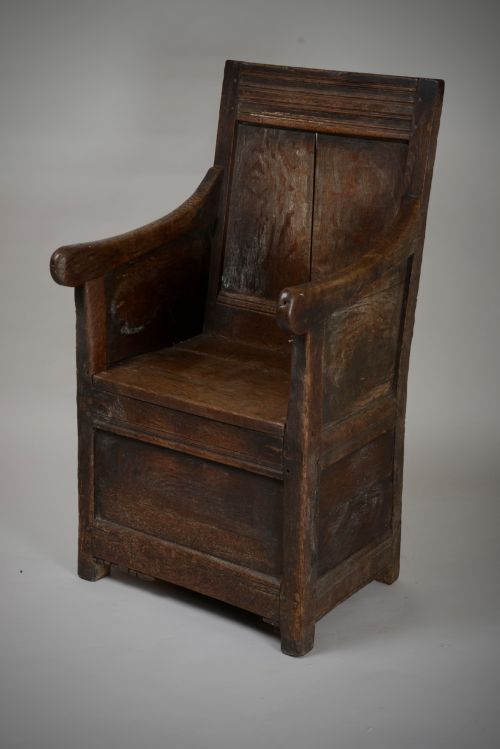
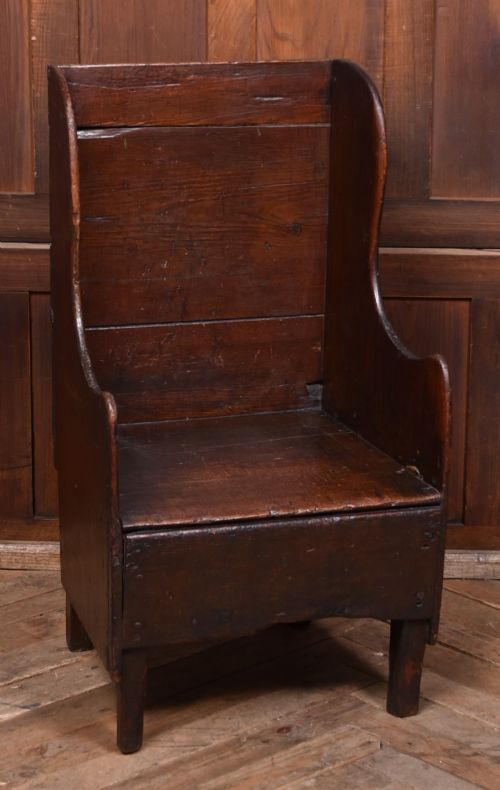
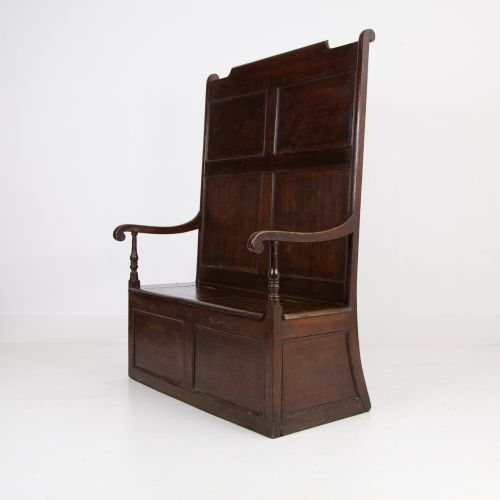
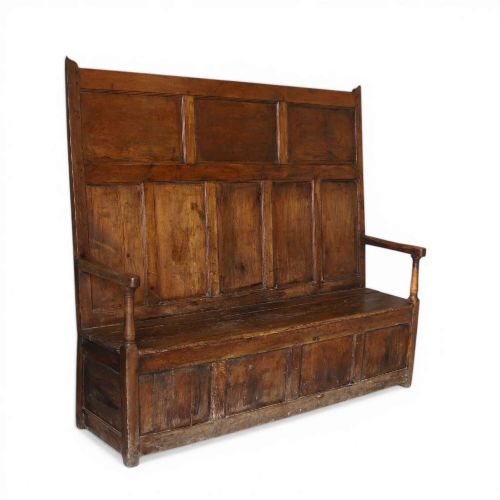
A dark brown oak settle brings centuries of British domestic history into a hallway, offering solid timber seating alongside enclosed storage.
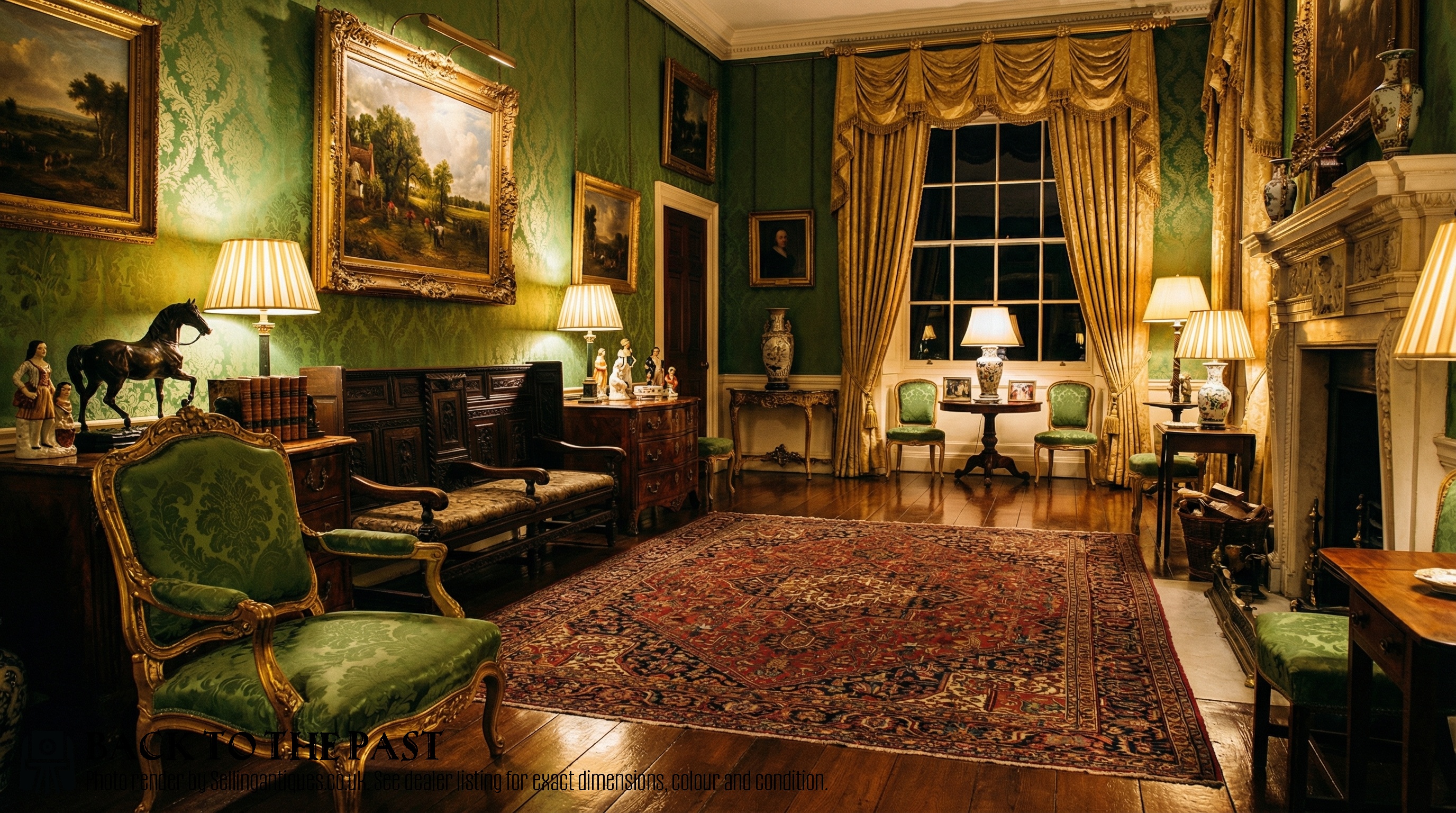
Dark Brown Oak Settle
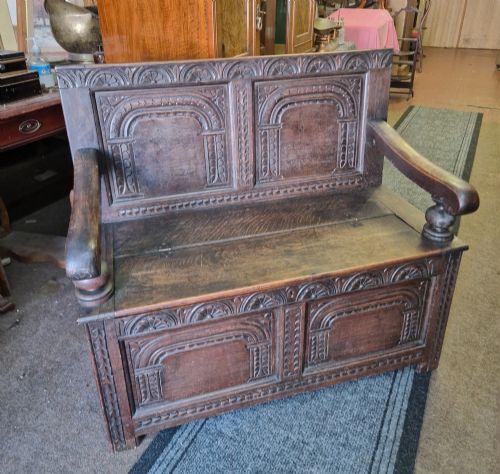
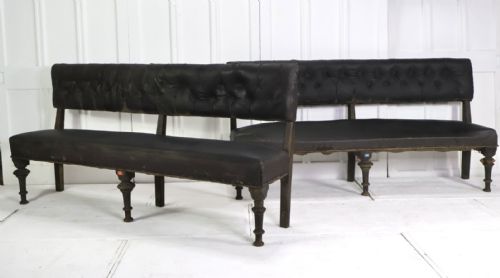
A dark brown oak settle takes several distinct forms across the centuries, ranging from high-backed panelled seats to multi-functional box settles with integrated storage. Buyers encountering these pieces will find examples spanning from the seventeenth century through the Georgian and Victorian eras, alongside later revival styles.
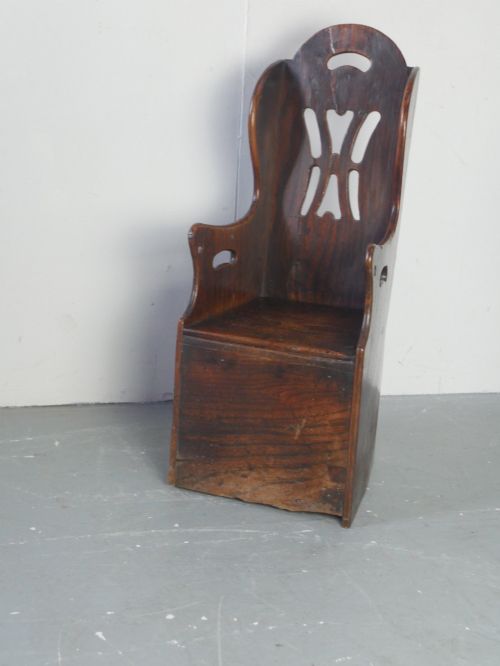
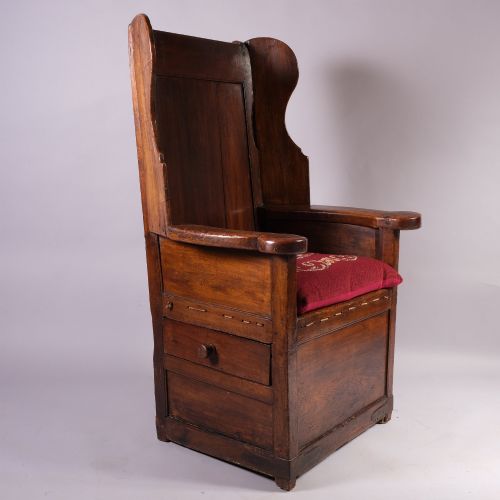
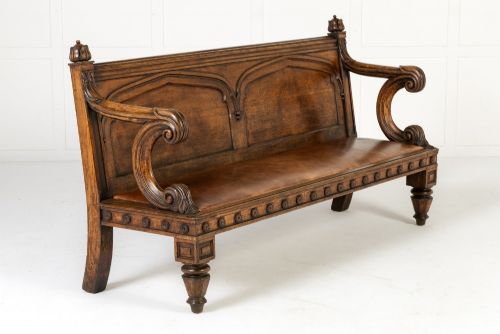
Regional variations appear frequently among the listings, including Welsh and North Country box settles, Lakeland lambing chairs, and Scottish baronial designs. These heavy wooden benches often serve as hall seats or reception furniture, reflecting traditional craftsmanship from various British localities.
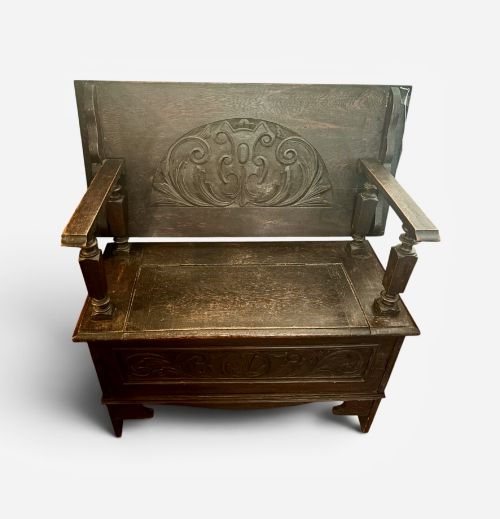
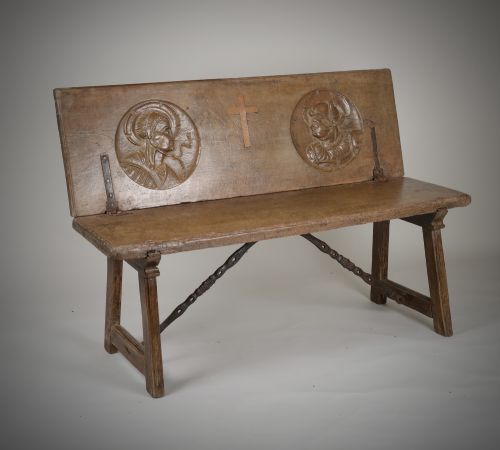
While the core form remains a high-backed wooden bench designed to block draughts, many pieces incorporate panelled backs, hinged seats concealing storage compartments, or folding arms found in monk's benches.
Distinctions in craftsmanship and preservation
The standard of a dark brown oak settle rests upon the crispness of the original joinery and the integrity of the timber rather than mere age. Pieces retaining their original board seats, back panels, and functioning storage boxes command greater regard from collectors.
Proportion and decorative restraint differentiate simpler vernacular forms from heavily ornamented revival pieces. The depth of the carved detailing and the harmonious integration of later alterations or repairs significantly influence the character of each bench.
Listings feature oak combined with ash, elm, iron, and fabric across periods spanning from the sixteenth century to the Edwardian era.
Wylie Lockhead Manufacturers
The Dark Brown Oak Settle Glossary
- Settle
- A wooden bench with a high back, solid arms, and often a closed base, designed originally to keep out cold draughts in older homes.
- Box settle
- A variant featuring a hinged seat lid that opens to reveal a deep storage compartment beneath the bench.
- Lambing chair
- An enclosed wooden armchair, sometimes hooded, traditionally used by shepherds or positioned near hearths for warmth.
- Monk's bench
- A multi-functional convertible piece of furniture whose hinged back folds down to transform the high seat into a table.
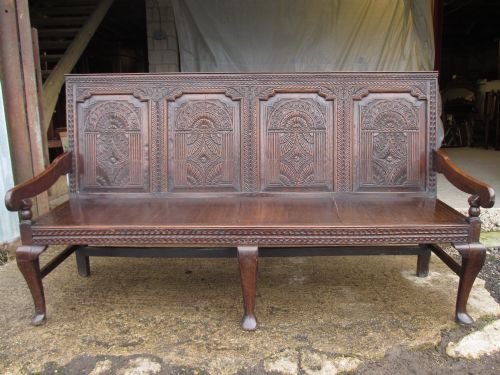
- Panel-back
- A method of construction where the back of the settle is formed of fitted wooden panels held within a grooved frame.
Dark Brown Oak Settle: Frequently Asked Questions
What is a dark brown oak settle used for?
A dark brown oak settle functions primarily as a substantial hallway bench or entryway seat, providing sturdy timber seating alongside concealed storage within the base.
Historically, the high wooden back and solid sides served to block cold draughts in large, unheated rooms before central heating existed.
How do I tell an 17th century settle from a Victorian copy?
Seventeenth-century examples display distinct tool marks, hand-split oak boards, and pegged joinery that reflect period construction techniques without modern machine intervention.
Victorian revival pieces often feature softer timber, machine-sawn components, and carving styles that mimic earlier eras with less structural wear.
Are these benches comfortable to sit on?
These wooden benches feature rigid timber seats and upright panelled backs designed for posture and warmth rather than cushioned lounging.
Many owners add loose fabric squabs or cushions to the seat base for daily comfort while maintaining the historic appearance of the wood.
Where should I place a settle in my home?
A settle fits naturally in entrance halls, boot rooms, or large dining spaces where its linear back creates a visual division or boundary.
Because of the high back and deep footprint, measuring the available floor space and clearance for opening storage lids remains essential before placement.