
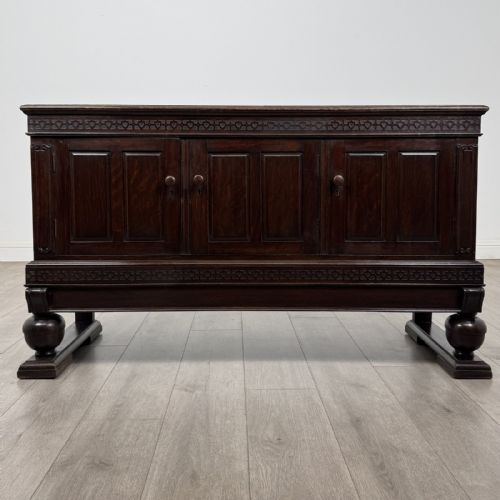
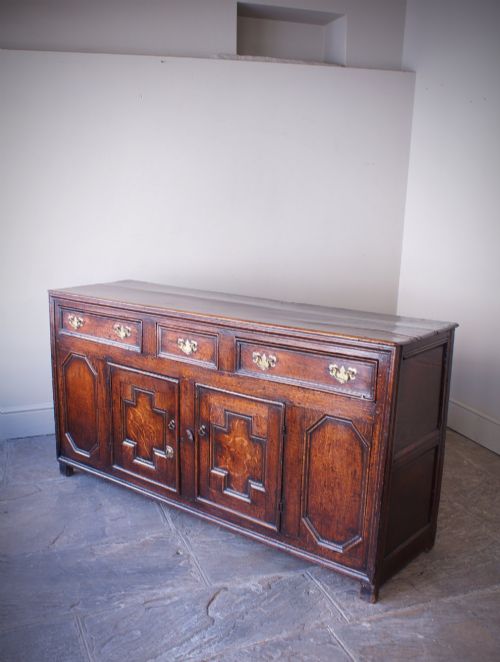
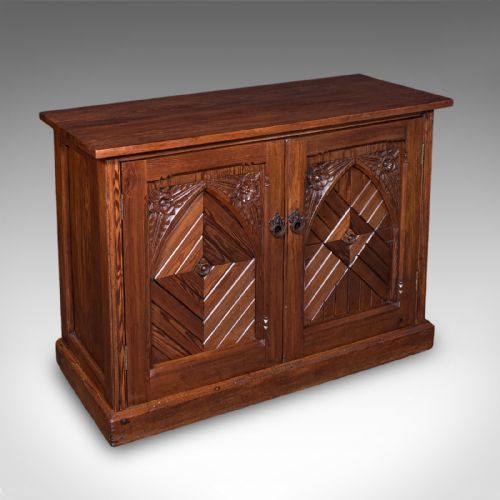
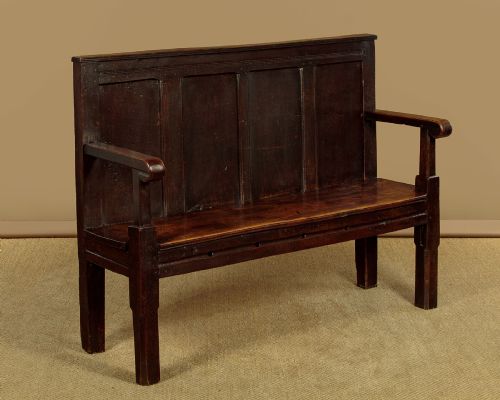
Oak Furniture Panels
These oak furniture panels and related architectural timbers carry the grain, carving and joinery of centuries past into modern interiors.
Oak Furniture Panels
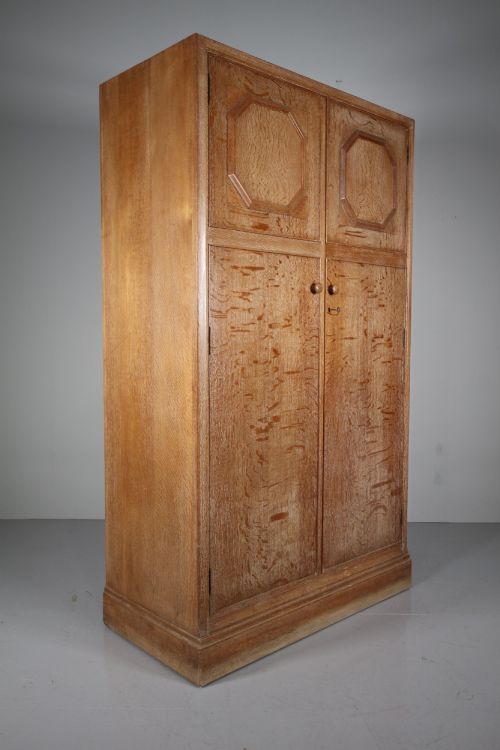
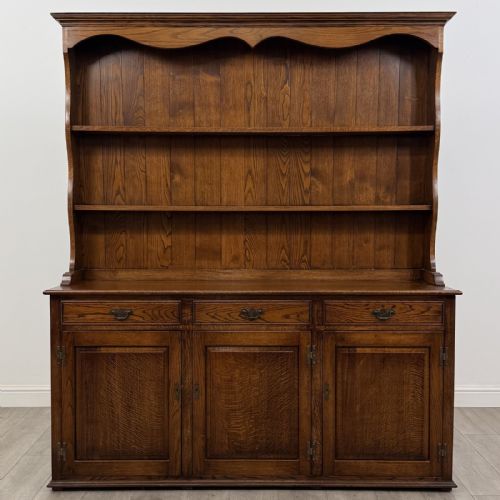
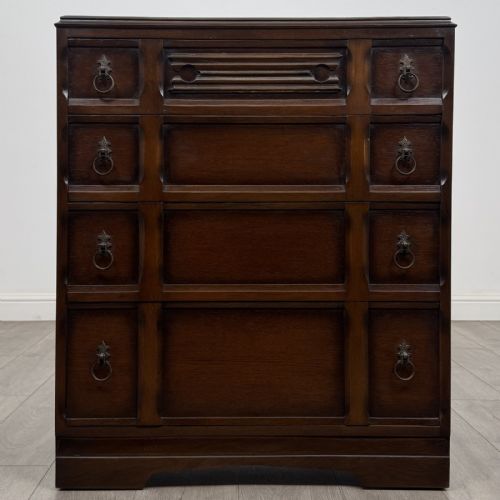
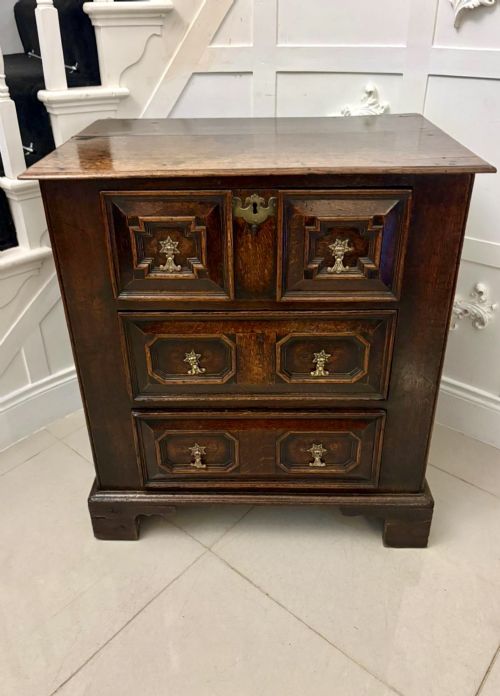
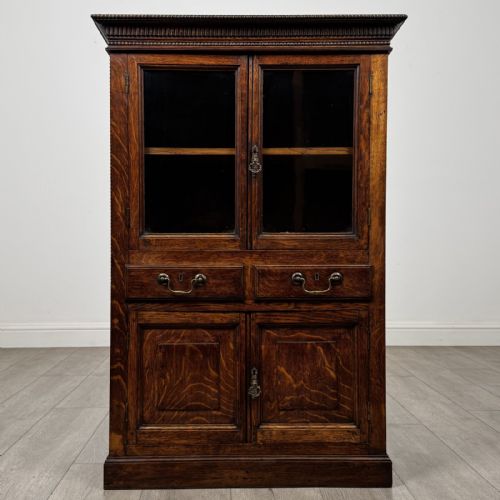
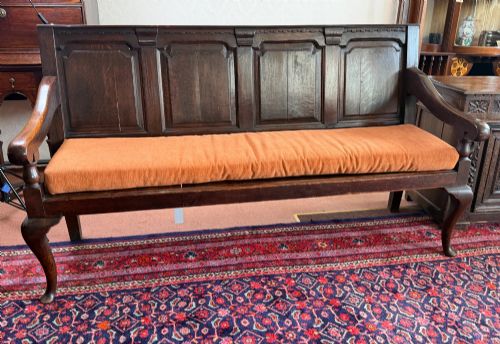
When you search for oak furniture panels, you encounter timber elements salvaged or adapted from larger domestic items such as cupboards, coffers and walling. The items appearing here range from plain seventeenth-century boards to carved eighteenth-century examples and later revivals.
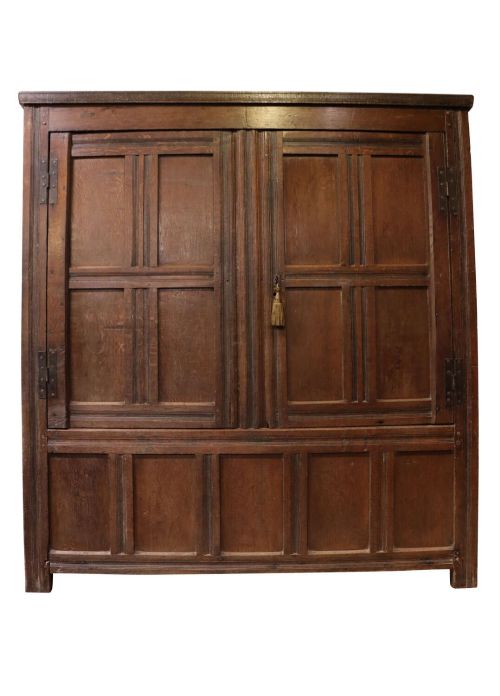
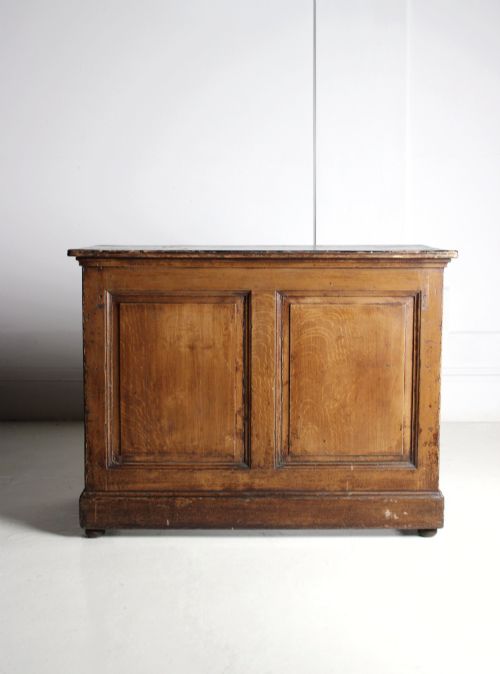
Many pieces display the structural framing and recessed fields characteristic of early British cabinetry, often originating from regional workshops in England and Wales.
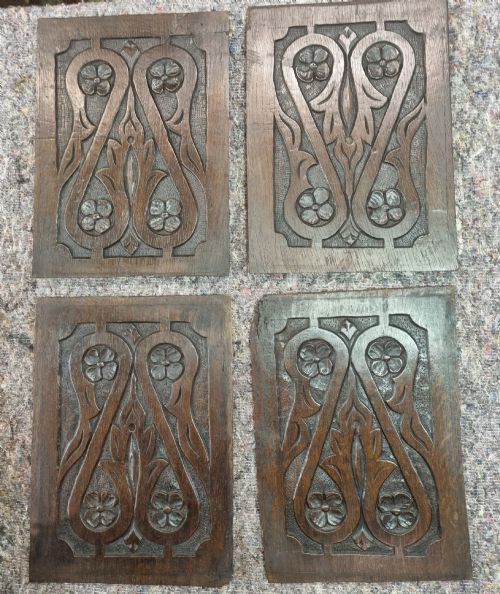
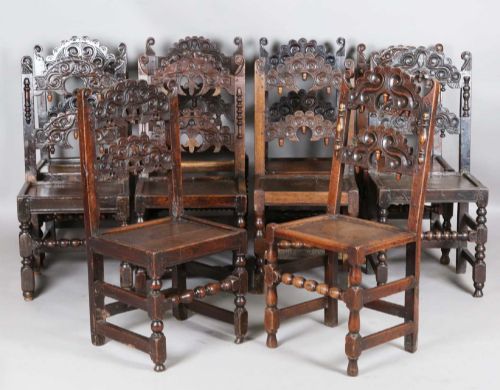
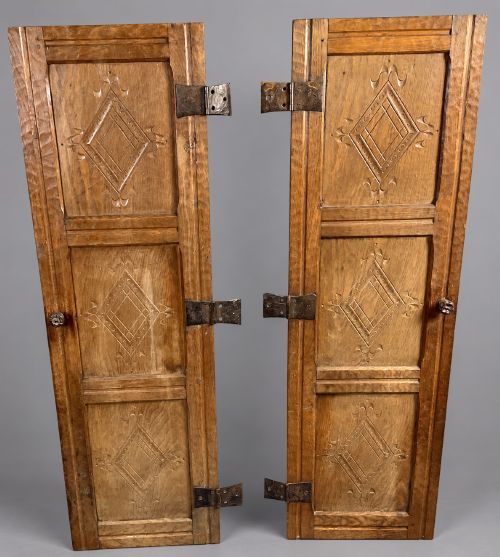
The selection includes carved sets alongside individual architectural fragments, reflecting the varied ways timber elements survived the dismantling of older furniture and interiors.
Materials and Technique
Makers relied on solid native timber, cutting boards along the radius of the growth rings to produce quartersawn surfaces with distinctive medullary ray flecks. Joinery depended on mortise and tenon frames locked with wooden pegs, allowing the panels to expand and contract naturally within their grooves.
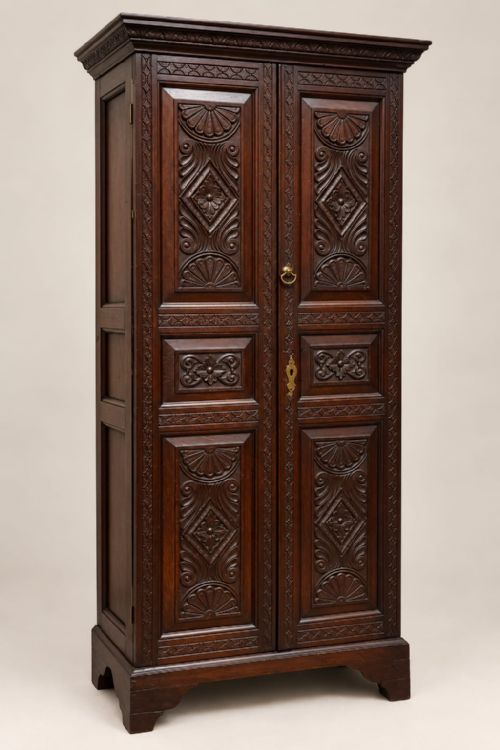
Carving was executed directly into the dense wood using gouges and chisels, producing low-relief geometric patterns, strapwork or floral motifs. Surfaces were finished with wax or left plain, developing depth through handling and exposure over generations.
Materials appearing across the inventory include solid oak alongside supporting elements in pine, brass and iron.
Assessing Quality and Character
Quality rests in the crispness of the hand-carved detail and the integrity of the original timber framing rather than uniform perfection. Pieces retaining their early surface patination and uncompromised structural joints stand apart from those stripped or heavily reworked.
The depth of colour and the presence of natural figuring in the grain dictate the visual impact of each board, distinguishing basic structural infill from significant decorative elements.
The Oak Furniture Panels Glossary
- Panels
- Flat pieces of timber fitted within a surrounding frame to prevent warping. They form the primary surfaces of early cupboards, chests and walling.
- Mortise and tenon
- A joint connecting two pieces of wood where a projection on one fits snugly into a cavity in the other, secured without metal fasteners.
- Quartersawn
- Timber cut perpendicular to the growth rings, producing a stable board with prominent figuration known as silver grain.
- Patina
- The surface sheen and colour developed over decades of use, cleaning and exposure to light.
Oak Furniture Panels: Frequently Asked Questions
What were oak panels originally used for?
These boards formed the structural walls of boarded chests, cupboards and interior wall panelling in period houses. They provided stable surfaces that could withstand humidity changes without splitting the main frame.
Over time, individual panels often survived independently when older furniture was dismantled or remodelled by later owners.
How do I date an old oak panel?
Dating relies on tool marks, the method of timber preparation, and the style of any carved ornament. Hand-riven boards and pegged frame construction typically point to seventeenth or eighteenth-century origin.
Later revival pieces from the Victorian and Edwardian eras often copy these historic motifs but display more uniform machine sawing and different surface treatments.
Can I mount these panels on a wall?
Many surviving panels suit wall mounting as decorative focal points in period or modern rooms. Secure fixings should accommodate the natural movement of the solid timber as seasonal humidity shifts.
Consulting a professional framer or joiner ensures the weight is distributed properly without damaging the old wood.
How should I clean historic oak?
Maintenance requires only a soft, dry cloth to remove dust from the carved recesses and grain. Avoid modern chemical polishes or water, which can penetrate unsealed grain and dull the historic surface.