

Antique Wood Frieze
An antique wood frieze brings architectural depth to a room, offering carved panels and decorative bands drawn from seventeenth to nineteenth century interiors.
Antique Wood Frieze
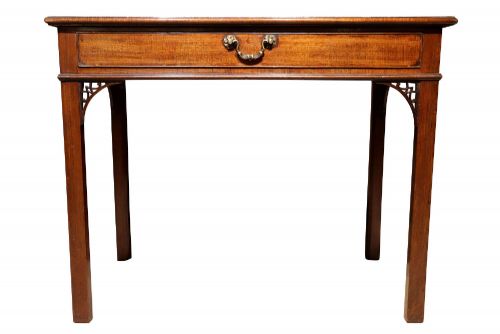
An antique wood frieze comprises horizontal bands of carved timber, panels, and architectural elements salvaged from historic buildings or integrated into period furniture.
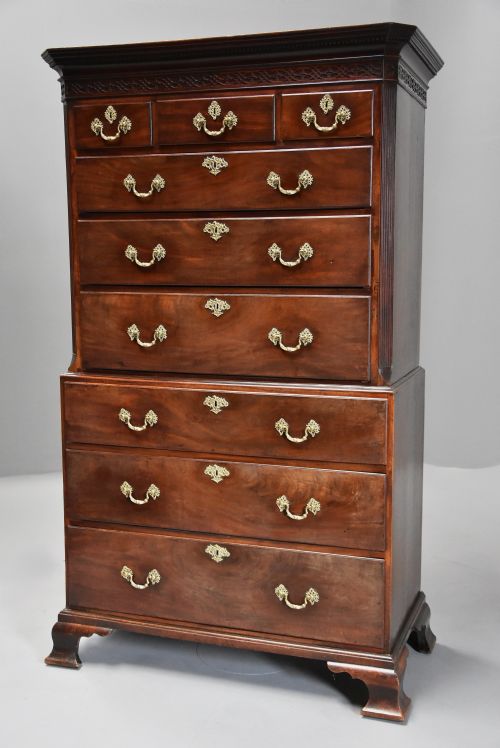
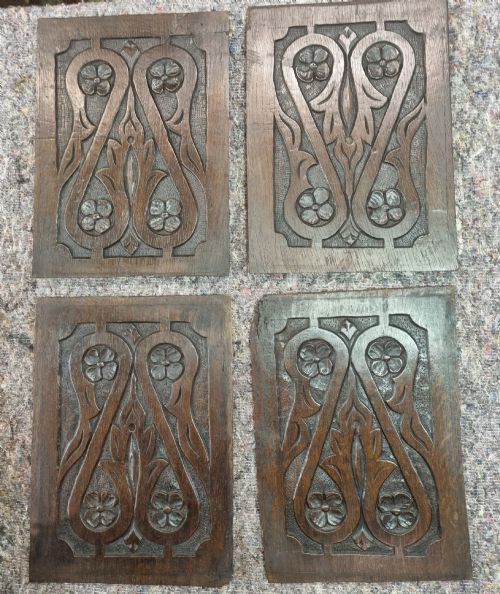
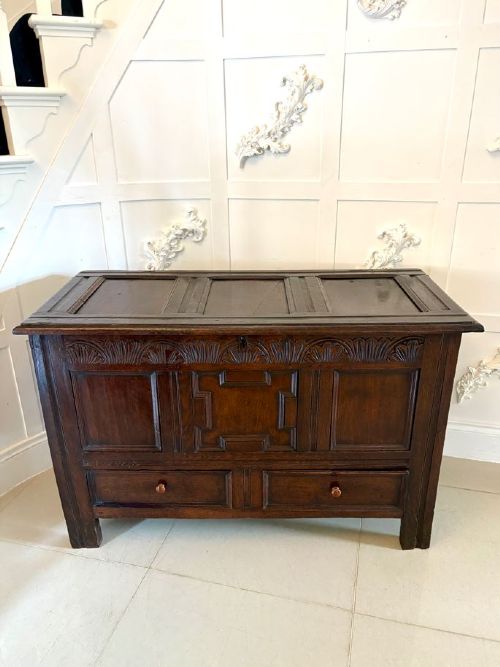
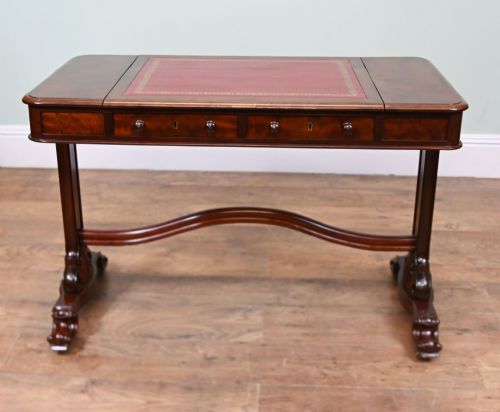
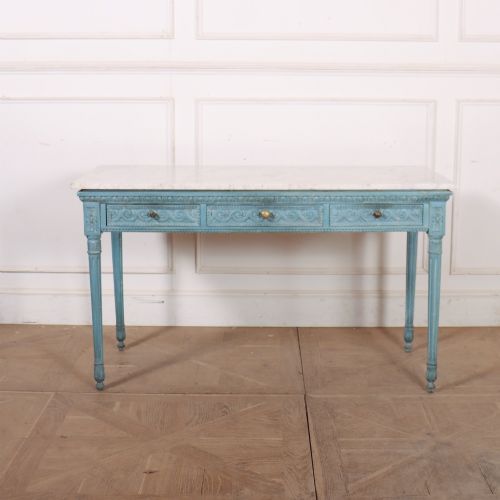
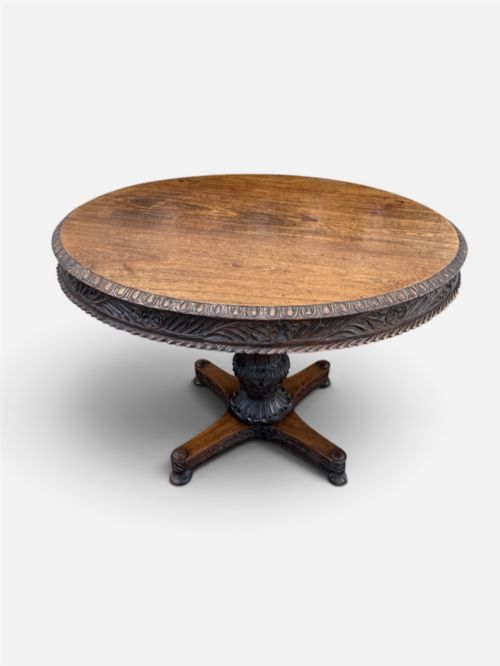
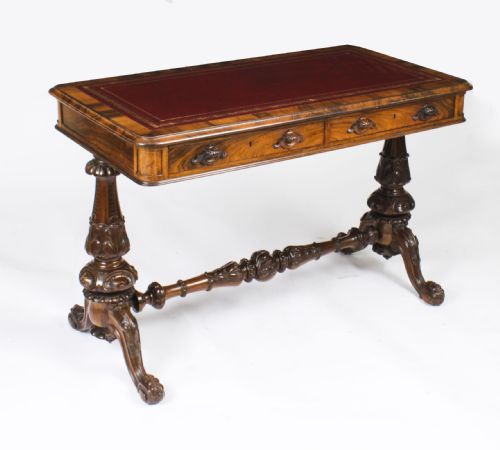
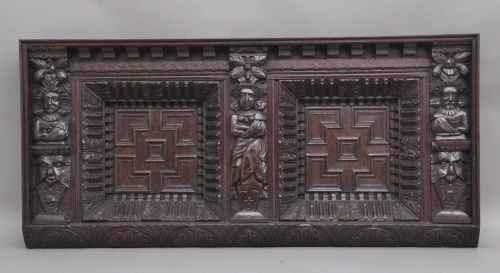
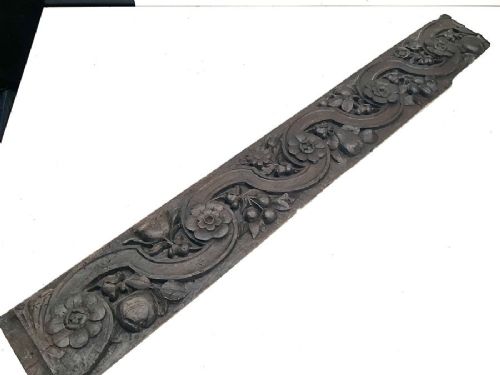
The selections on this page span several centuries, featuring seventeenth century carved oak panels alongside later architectural fragments and table friezes.
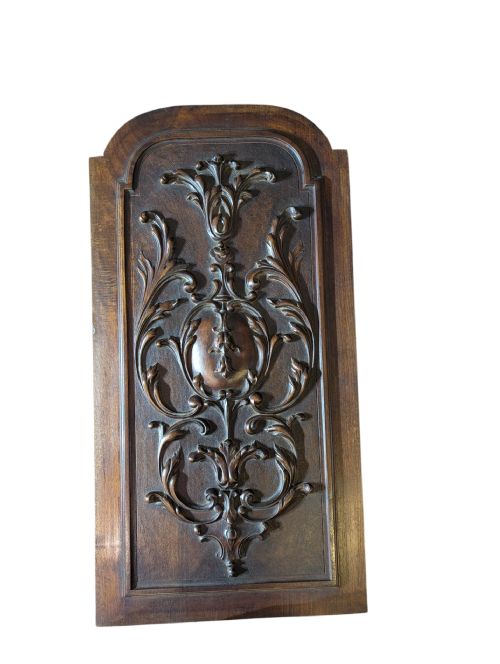
Buyers encounter solid timber panels, overmantel carvings, and decorative mouldings that once formed the upper sections of walls or furniture.
Materials and construction methods
The pieces rely heavily on dense hardwoods such as oak, walnut, and mahogany, selected for their stability and suitability for detailed chisel work.
Craftsmen utilised hand tools to carve high-relief motifs, foliage, and figural scenes directly into the timber grain.
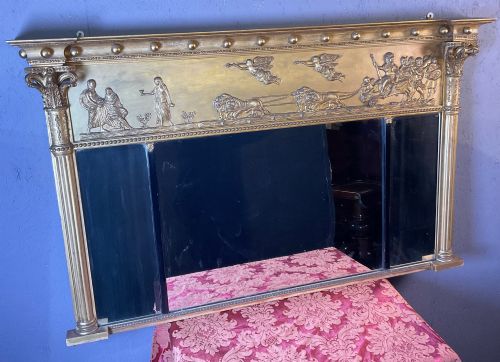
Surface treatments range from natural wax finishes on early oak to parcel gilt accents on later neoclassical and baroque architectural elements.
Several panels depict lively historic scenes, including a seventeenth century depiction of a chicken thief frozen mid-heist in carved oak.
Assessing the quality of carving
Depth and sharpness of the hand-carved detail dictate the distinction between standard architectural salvage and superior artistic execution.
The integrity of the timber ground, preservation of original surfaces, and subtlety of the joinery mark the difference in execution levels.
Edward Pearce·Edwards and Roberts·Ercol
The Antique Wood Frieze Glossary
- Frieze
- The wide central section part of an entablature between the architrave and cornice, often decorated with carving or relief.
- Overmantel
- A decorative panel, mirror, or carving positioned directly above a fireplace mantelpiece.
- Parcel gilt
- A technique where small areas of a wooden carving or frame receive a thin application of gold leaf while the rest of the wood remains exposed.
- Relief
- A sculptural technique where elements remain attached to a solid background of the same material, varying from low to high projection.
Antique Wood Frieze: Frequently Asked Questions
How do I hang a heavy wooden frieze panel?
Heavy carved wood panels require secure attachment to wall studs using concealed metal brackets or french cleats. Distributing the weight evenly prevents warping and protects the antique timber.
Ensure the wall anchor points match the weight of dense hardwoods like oak or walnut. Professional installation is advisable for large seventeenth century architectural fragments.
Where were friezes placed in historic homes?
Friezes traditionally occupied the upper portion of interior walls just below the cornice, or formed decorative bands across large pieces of case furniture. They provided a horizontal visual anchor for high-ceilinged rooms.
Overdoor panels and overmantels served similar decorative functions by drawing the eye toward architectural focal points in reception rooms.
How do I date a carved wooden panel?
Dating relies on examining the tool marks left by the maker, the species of timber used, and the style of the carving. Seventeenth century pieces typically display heavy hand-hewn oak with distinct adze or chisel marks.
Later Victorian and Edwardian examples often utilise mahogany or walnut with machine-assisted preparation beneath the hand finishing. Comparing the motifs to known architectural pattern books helps confirm the period.