
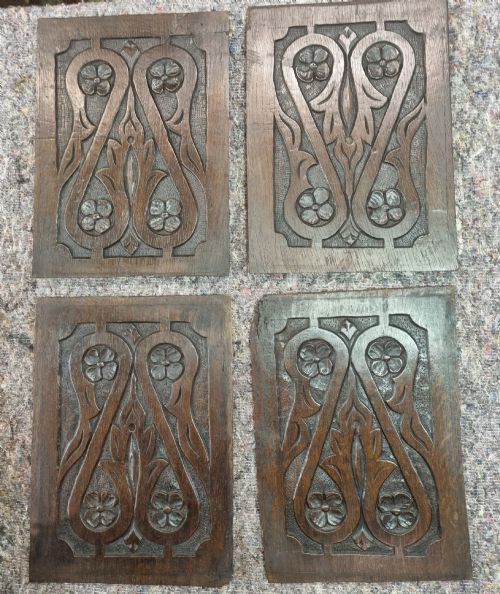
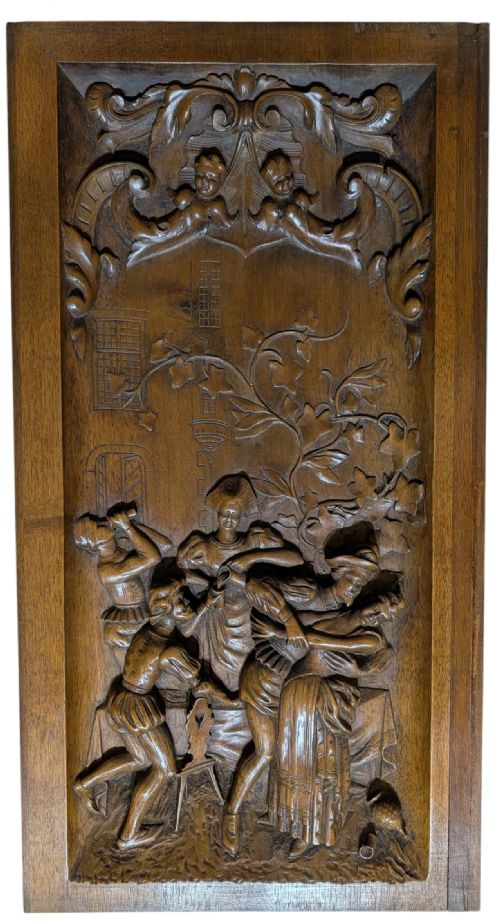


Hand Carved Oak Plaques
Hand carved oak plaques are timber wall sculptures and panels holding centuries of relief work, offering rich historic character for interior spaces.
Hand Carved Oak Plaques
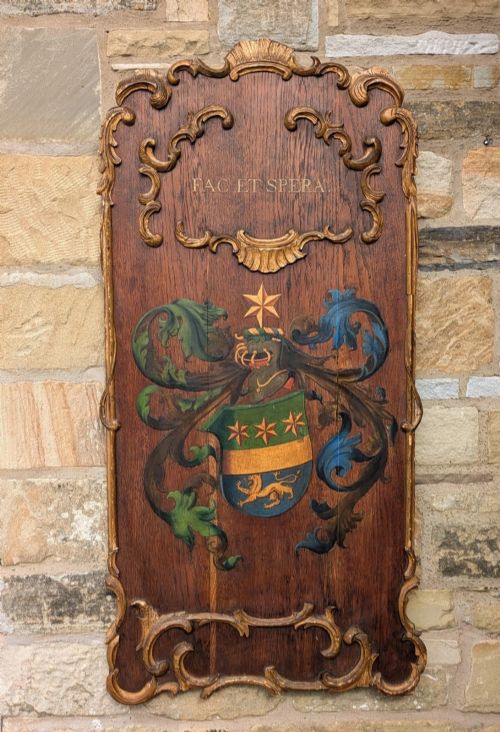
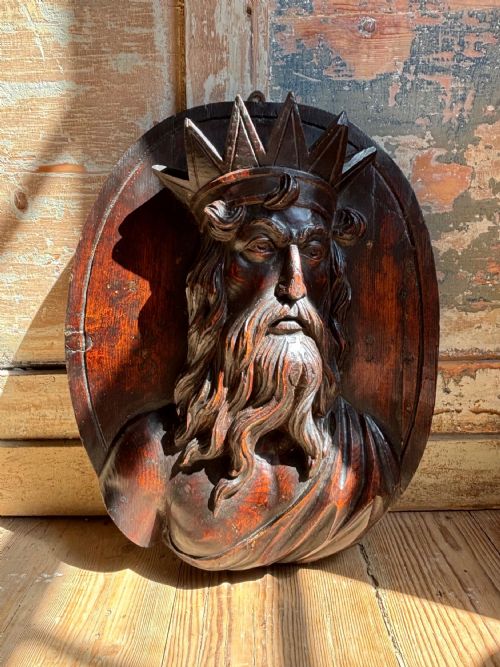
Hand carved oak plaques encompass wall panels, sculptures, and architectural salvage produced across multiple centuries, including the sixteenth, eighteenth, and nineteenth centuries. Buyers searching for hand carved oak plaques encounter diverse forms such as armorial crests, animal studies, and mythological figures like Neptune.
The selection ranges from Dutch Baroque and Black Forest styles to Victorian interpretations and primitive sixteenth-century serpent panels. Wall carvings and architectural panels dominate the offerings, often appearing as single items, pairs, or sets of four.
Origins stretch across Britain and continental Europe, incorporating Dutch Rococo influences and specific regional subjects. These timber objects serve primarily as interior wall displays, mounted to bring tangible age and sculptural depth to a room.
Materials and construction
Makers utilised solid timber, specifically oak, as the primary substrate for relief carving, shaping panels with hand tools to achieve deep three-dimensional forms. Some examples incorporate supplementary materials such as paint, pigment, gilt, paper, and metal to accent specific details.
Surface treatments vary from bare carved wood to polychrome painted armorial crests where pigment and gilt highlight heraldic devices. Structural elements often derive from architectural salvage, utilising timber originally shaped for buildings or furniture before translation into wall displays.
Even fierce sixteenth-century serpents and eighteenth-century chicken thieves need gentle dusting to keep their wooden expressions sharp.
Markers of quality
The standard of carving defines the distinction between pieces, where fluid muscle definition in figures or crisp feather detail in animal subjects reveals the hand of a skilled artisan. Depth of relief and the ambition of the composition, such as complex mythological scenes or heraldic achievements, indicate higher execution.
Material preservation and the integrity of the timber ground also separate examples, alongside the retention of original polychrome paint or gilt where applicable. The clarity of period characteristics, from seventeenth-century primitive styles to refined eighteenth-century Dutch Baroque, anchors the distinctiveness of each plaque.
The Hand Carved Oak Plaques Glossary
- Armorial crest
- A heraldic design displaying a coat of arms, frequently carved in wood and occasionally painted or gilt to represent a specific family or institution.
- Relief carving
- A sculptural technique where figures and motifs project from a flat wooden background, varying in depth from shallow incisions to near-full three-dimensional projection.
- Architectural salvage
- Elements rescued from older buildings, such as panels and door sections, which are subsequently adapted for display as wall decoration.
- Polychrome
- The practice of decorating wooden surfaces in multiple colours using paint and pigment, often seen on historic armorial crests and heraldic panels.
- Cartouche
- An ornamental tablet or oval frame design resembling a rolled-up scroll, often used to enclose emblems, coats of arms, or inscriptions.
Hand Carved Oak Plaques: Frequently Asked Questions
How do I hang a heavy wooden plaque safely?
Heavy timber wall carvings require secure fixings anchored directly into wall studs or masonry using appropriate brackets that match the weight of the oak.
Professional mirror plates or hidden french cleats provide stable support without placing undue stress on the historic wood.
Where were these carved wooden panels originally displayed?
Many panels originated as architectural elements within domestic interiors, masonic halls, or institutional buildings before conversion into wall hangings.
Others served as exterior or interior armorial markers, trade signs, or decorative inserts for doors and furniture.
How should I clean and maintain antique oak panels?
Maintenance requires only a soft, dry cloth to remove dust from the carved recesses without introducing moisture or modern cleaning chemicals.
Keeping the timber away from direct heat sources and dramatic humidity swings prevents the oak from splitting or warping.
How can I tell the period of a carved plaque?
Dating relies on examining the tool marks, timber shrinkage patterns, stylistic conventions of the carving, and any surviving pigment or finish.
Comparing the subject matter and relief depth against documented examples from specific centuries helps confirm the age of the piece.