



Brown Timber Plaque
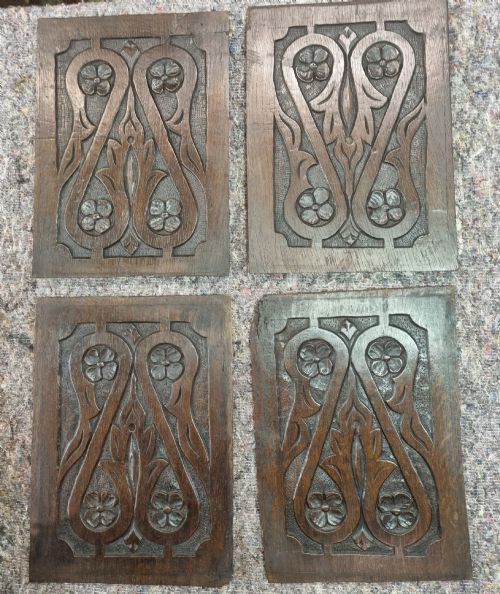
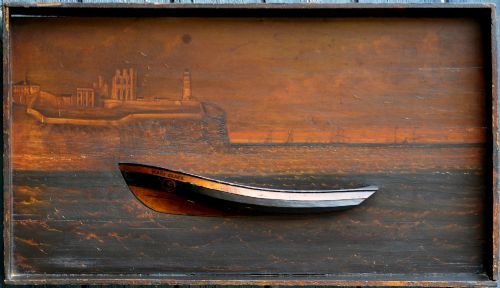
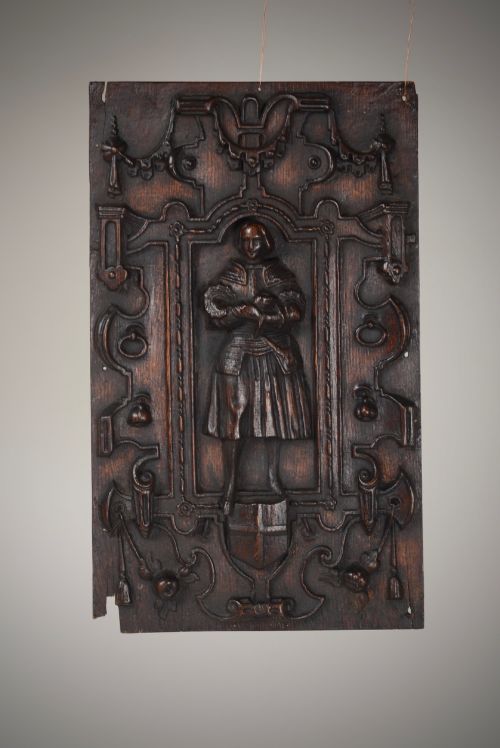
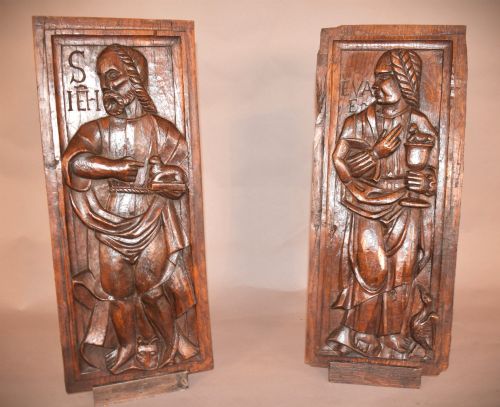
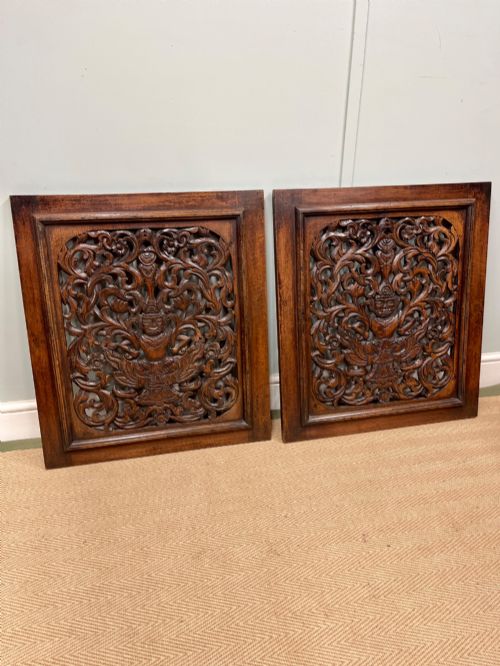
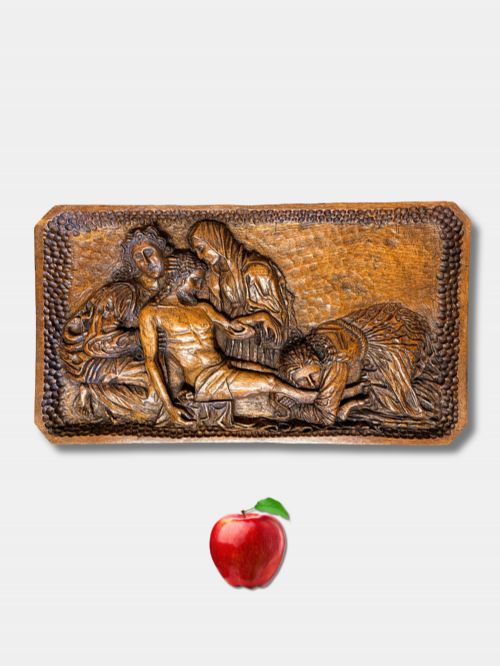
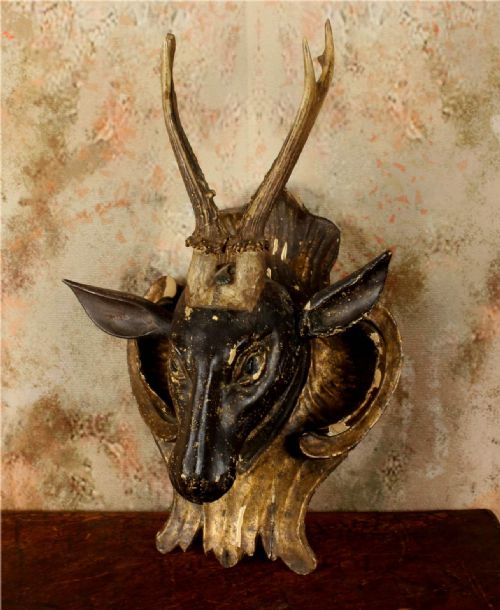
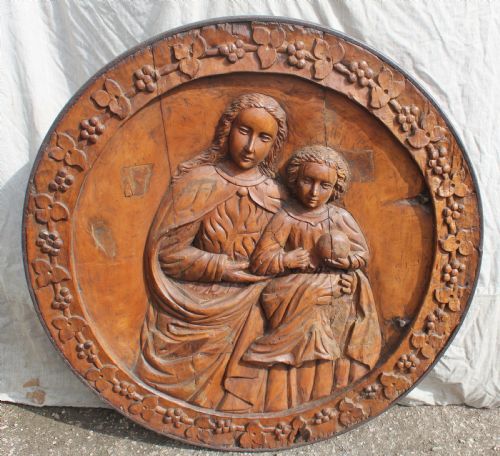
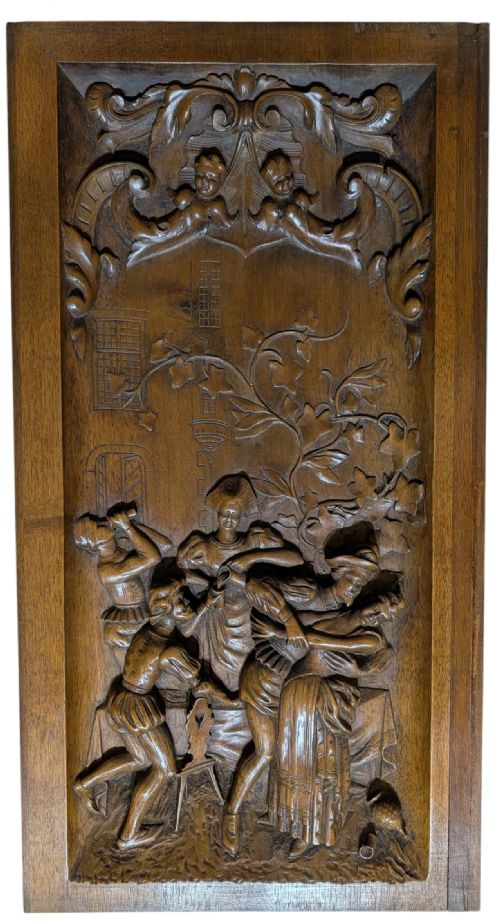
These brown timber plaque examples range from heavy seventeenth century oak panels to nineteenth century Black Forest carvings, offering rich texture for interior walls.
Brown Timber Plaque
When you search for a brown timber plaque, you encounter a varied selection of carved wooden wall art, architectural salvage, and relief panels spanning several centuries. The selection on this page leans heavily towards nineteenth century pieces and earlier European carvings, including Flemish, German, and Italian works.
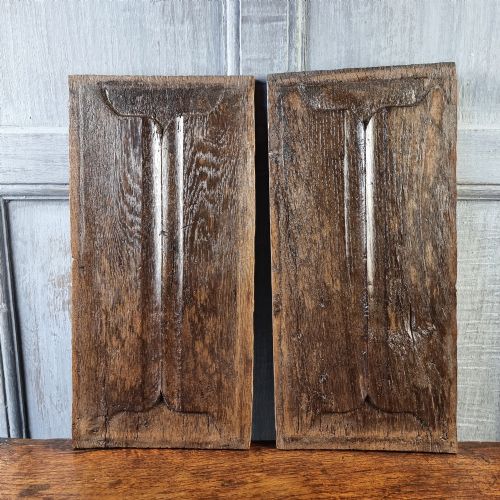
Common forms include linenfold panels, hunting trophies, figural reliefs, and decorative architectural fragments designed for display on interior walls. These objects function primarily as focal points within a room, bringing historical depth and tactile warmth to plain plaster surfaces.
How they were made
The makers utilised dense timbers such as oak, walnut, chestnut, and mahogany, which allowed for deep chisel work and lasting structural integrity. Master carvers employed gouges and chisels to create high relief scenes, pierced acanthus leaves, and expressive portraits directly into the seasoned grain.
Surface treatments vary from untreated natural hardwood to subtle applications of paint or polish that highlight the tool marks of the carver. Many panels display the natural darkening of ageing timber, which deepens the brown tones over decades of exposure to light and air.
Listings feature oak, walnut, mahogany, and teak across periods spanning the sixteenth to the twentieth centuries.
What varies in quality
Quality rests entirely in the crispness and ambition of the carving itself, distinguishing routine decorative output from superior sculptural work. Pieces featuring finely rendered anatomy, deep undercut relief, and expressive human or animal forms demonstrate a higher level of workshop skill.
The choice and condition of the timber also define the grade of the piece, with well-figured grain and minimal structural distortion marking out better examples. Age and original context contribute to desirability, particularly when historic subject matter or regional provenance remains clear.
The Brown Timber Plaque Glossary
- Linenfold
- A style of relief carving used on wooden panels to imitate folded fabric or linen. It became particularly popular in Tudor and sixteenth century interior architecture.
- Relief carving
- A sculptural technique where figures or patterns project from a flat background surface. High relief elements emerge significantly from the wood plane.
- Black Forest
- A nineteenth century style of wood carving originating from the German region, famous for realistic depictions of animals, hunting scenes, and forestry motifs.
- Acanthus
- A classical ornamental motif based on the foliage of the Mediterranean plant, heavily utilised in baroque scrollwork and pierced wood panels.
- Marquetry
- The art of applying pieces of veneer to a structure to form decorative patterns, visible on flat picture frames and decorative panels.
Brown Timber Plaque: Frequently Asked Questions
How do I hang a heavy timber plaque safely?
Heavy wooden plaques require fixings screwed directly into wall studs or masonry rather than relying on standard plasterboard hooks. Ensure the weight is distributed evenly across brackets or integrated hanging loops on the reverse.
Check the stability of the timber backing before installation, as older woods can weaken around original screw holes. Use professional picture wire or heavy-duty D-rings rated well above the actual mass of the carving.
How should I clean antique carved wood?
Dust carved surfaces gently using a soft, dry brush or a clean microfiber cloth to lift debris from deep recesses without abrading the timber. Avoid liquid cleaners, household sprays, or soaking agents that can penetrate unsealed wood and damage historic finishes.
Apply a microcrystalline wax sparingly if the timber appears dry, buffing it gently after application to restore a soft sheen. Keep the plaque away from direct heat sources and strong sunlight to prevent warping and fading.
How can I tell a seventeenth century panel from a nineteenth century copy?
Examine the rear of the panel for tool marks, seasoning splits, and the method used to flatten or join the timber planks. Sixteenth and seventeenth century pieces often show hand- adzed surfaces and iron nails or peg construction appropriate to the period.
Study the style of the carving, as nineteenth century Gothic Revival and Baroque copies sometimes reveal mechanical saw marks or softer, more uniform execution. Patina accumulated over centuries provides a reliable indicator of age when combined with construction evidence.
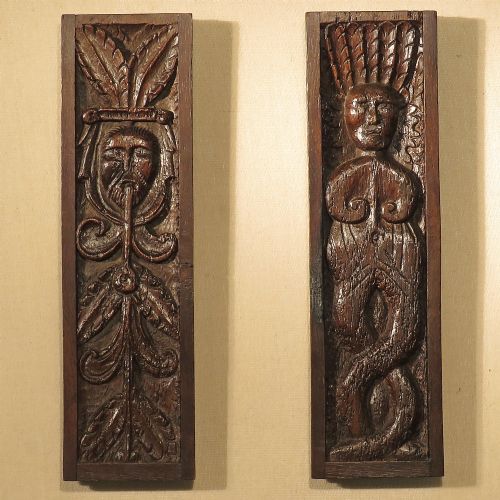
What is a Green Man panel?
A Green Man panel depicts a human face surrounded by or sprouting from foliage, vines, or leaves. This ancient architectural and decorative motif symbolises rebirth and the cycle of growth.
Such carvings appear frequently on medieval and Renaissance woodwork, translating pagan imagery into Christian and domestic decorative contexts. The foliage typically flows directly from the mouth or cheeks of the carved figure.