
Coffer Chest Panels
Coffer chest panels are solid timber fragments and joined storage boxes holding centuries of domestic history, bringing authentic period character to modern interiors.
Coffer Chest Panels
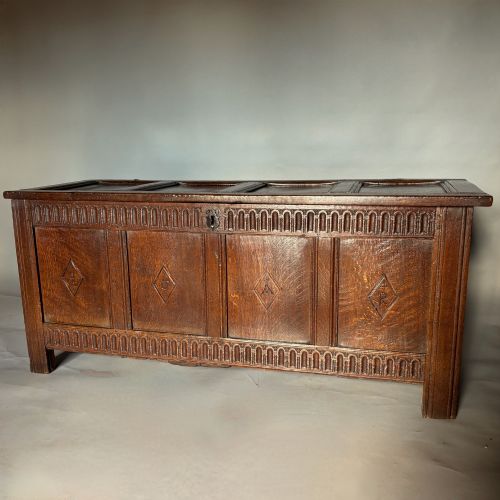
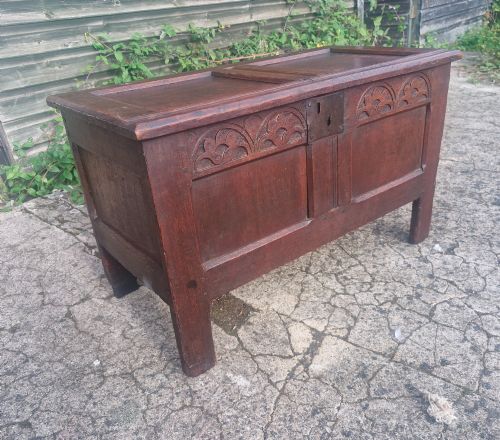
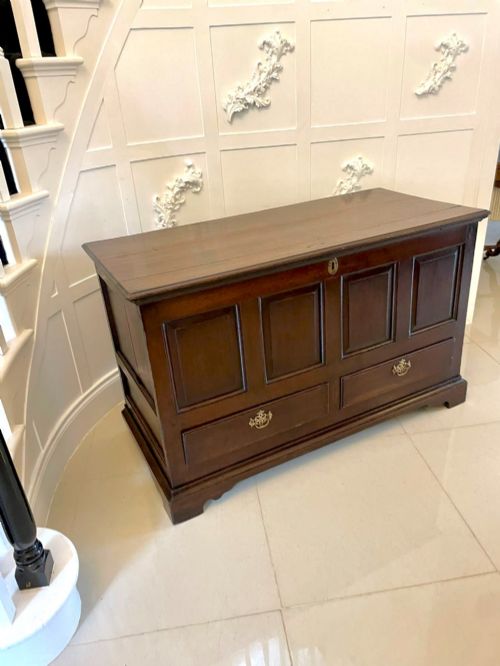
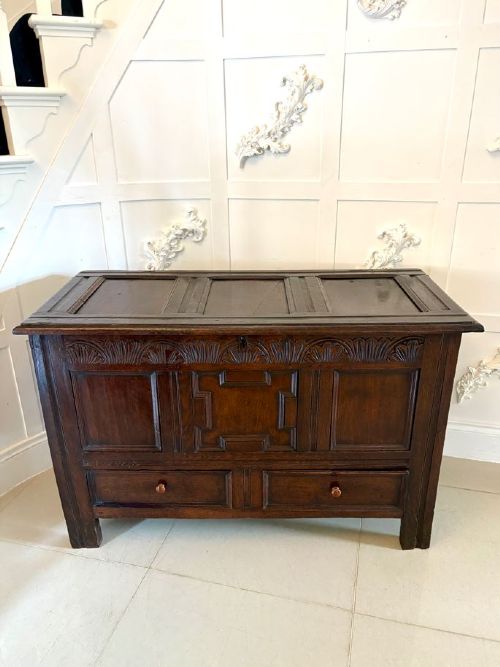
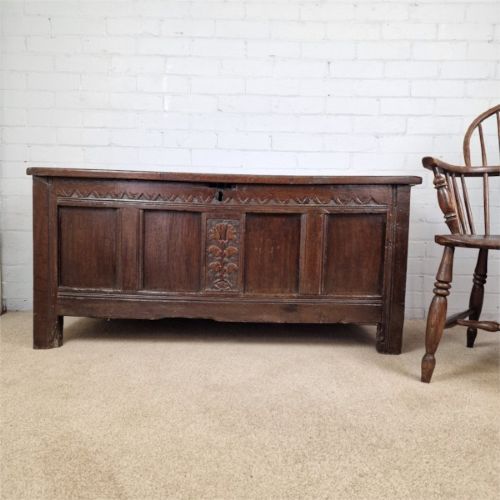
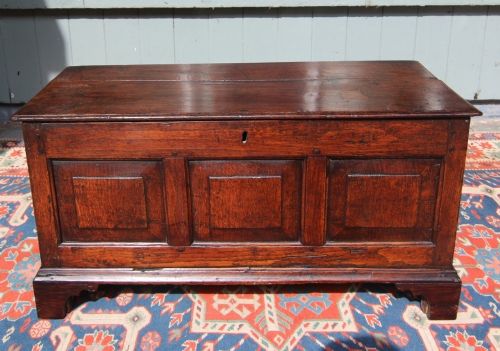
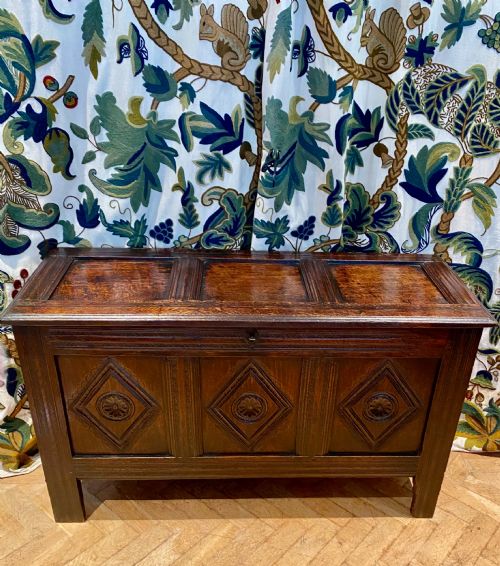
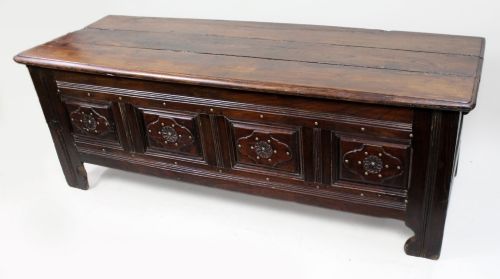
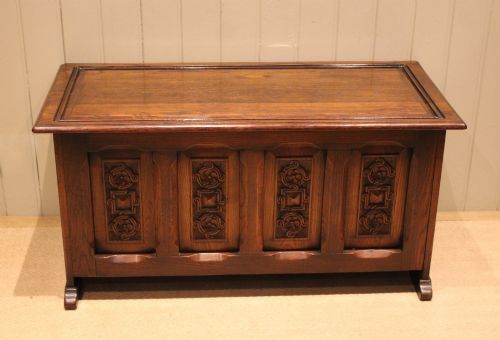
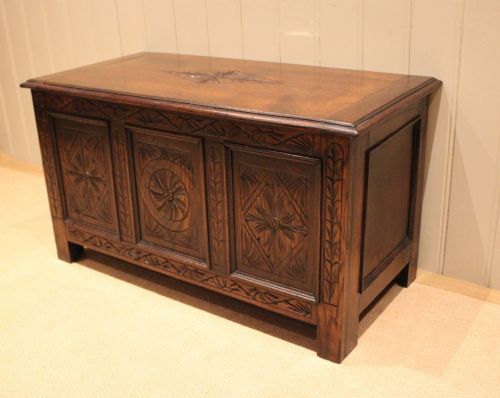
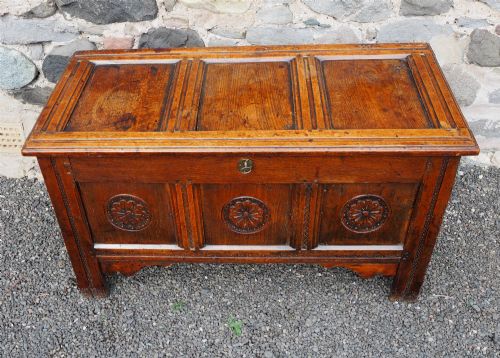
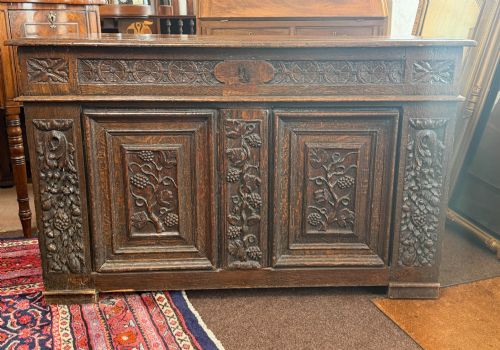
When searching for coffer chest panels, buyers encounter individual carved timber elements alongside complete joined storage boxes. The most frequent examples on this page are seventeenth and eighteenth century oak coffers and mule chests displaying traditional panel construction.
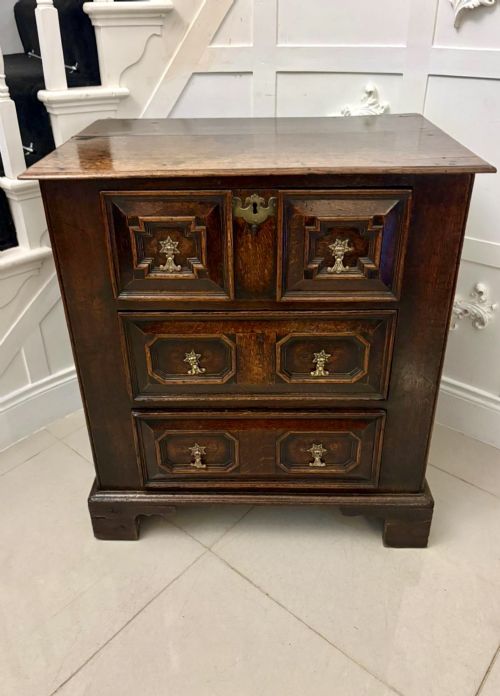
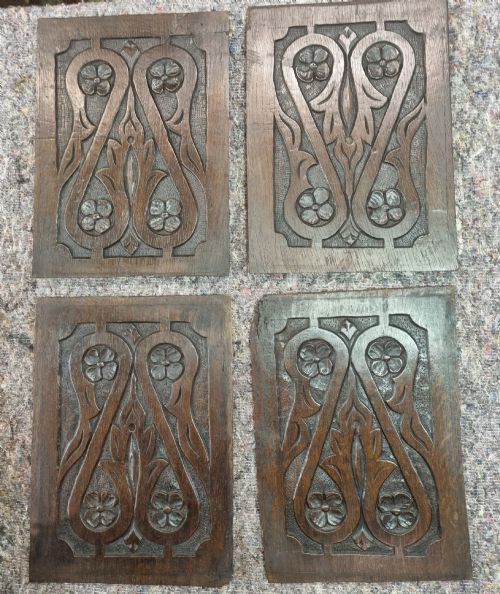
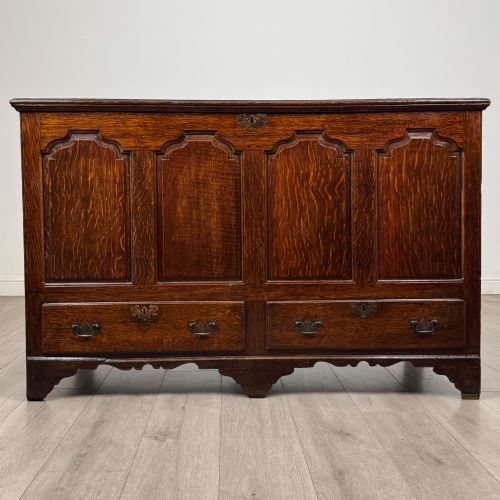
The inventory spans multiple periods, ranging from sixteenth century and seventeenth century pieces to Georgian examples, alongside later revivals from the early twentieth century. Forms include standard coffers, mule chests with lower drawers, smaller coffer bach formats from Wales, and individual carved wooden panels removed from their original housings.
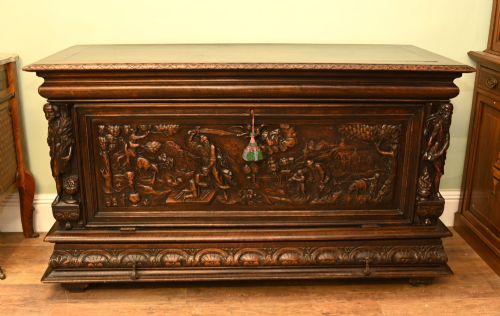
Regional British pieces sit alongside French provincial and Italian walnut trunk forms. These items reflect centuries of utilitarian storage design, shifting from plain boarded construction to intricate geometric carving and marquetry inlay.
Materials and Construction
Makers relied primarily on English oak, supplemented by walnut, pine, and wood variants shaped through traditional joinery techniques. Panels were typically set into grooved frames to allow for natural timber movement as humidity shifted over the decades.
Surface decoration involved hand chiselling, gouge carving, and occasionally marquetry inlay using contrasting timbers. Iron hinges, brackets, and brass fittings secured the lids and corners, providing durable hardware built for heavy domestic use.
Makers occasionally hid small carved initials inside hidden friezes, leaving silent signatures for future generations to uncover during quiet moments of dusting.
Evaluating Quality
Quality rests upon the crispness of the hand carving, the structural integrity of the joined frame, and the survival of original timber surfaces. Pieces retaining genuine patination and early ironwork demonstrate superior craftsmanship compared to heavily restored or later revival items.
The choice of timber grain and the complexity of panel assembly distinguish standard utilitarian boxes from exceptional high status commissions. Depth of relief in carved friezes and the harmony of proportions further separate ordinary examples from the finest survivals.
The Coffer Chest Panels Glossary
- Coffer
- A heavy wooden chest traditionally used for storing valuables, linen, or documents. Most examples utilise robust joined oak construction with hinged lids.
- Mule chest
- A storage chest featuring one or more drawers built beneath the main compartment. This form emerged as domestic storage needs evolved during the seventeenth and eighteenth centuries.
- Coffer bach
- A small Welsh oak coffer, translated literally as little coffer. These compact boxes often sat upon side tables or stands.
- Marquetry
- The art of applying small pieces of veneer to a structure to form decorative patterns. Craftsmen utilised contrasting woods to create intricate pictorial or geometric designs.
- Joined oak
- Furniture constructed using mortise and tenon joints secured with wooden pegs. This method defined seventeenth century cabinet making before solid board nailing fell out of favour.
Coffer Chest Panels: Frequently Asked Questions
What is a coffer chest panel?
A coffer chest panel is an individual section of carved wood removed from an antique storage box, or a structural component within a larger joined chest. These elements showcase period carving techniques and timber characteristics.
Buyers often collect individual panels for wall mounting or architectural integration, appreciating the exposed grain and historic tool marks.
How do mule chests differ from coffers?
Mule chests include one or more drawers positioned beneath the primary compartment, combining the deep storage of a traditional chest with the accessibility of drawer storage.
Standard coffers provide a single top opening compartment without lower drawers, representing an earlier and simpler form of domestic furniture.
What is a coffer bach?
A coffer bach is a small Welsh oak chest designed for domestic use in modest households during the seventeenth and eighteenth centuries. These miniature boxes served to store personal documents, small valuables, or baptismal gifts.
Despite their diminutive proportions, they display the exact same joined panel construction and decorative carving as their larger counterparts.
How should I care for antique oak?
Antique oak benefits from stable indoor humidity levels and protection from direct sunlight, which can dry and split historic timber. Applying a traditional beeswax polish maintains the surface sheen without sealing the wood.
Avoid placing these pieces near active heat sources or damp exterior walls to preserve the structural stability of the joints.