


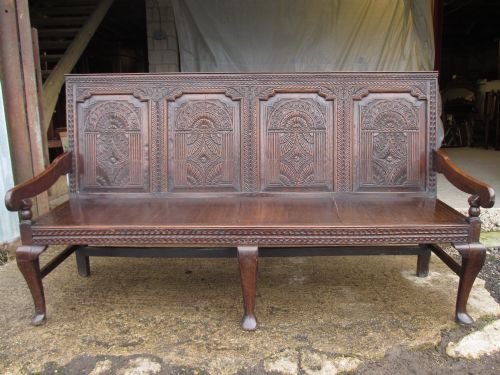
Georgian Wooden Panels
Georgian wooden panels and panelled furniture bring solid timber and carved detail straight from period interiors.
Georgian Wooden Panels
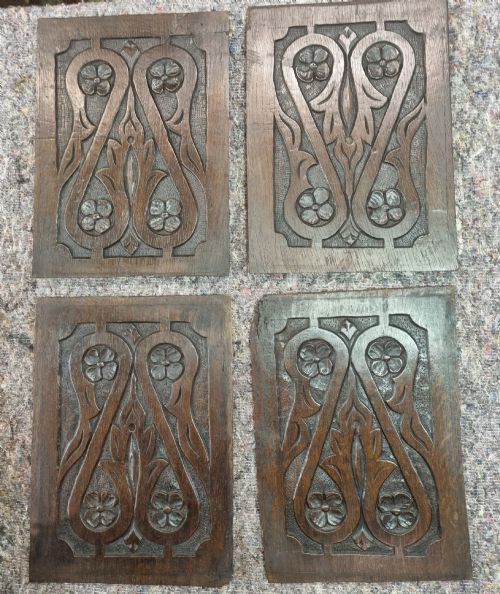
When you search for georgian wooden panels, you encounter everything from individual carved architectural plaques to panelled structural elements built into larger storage pieces.
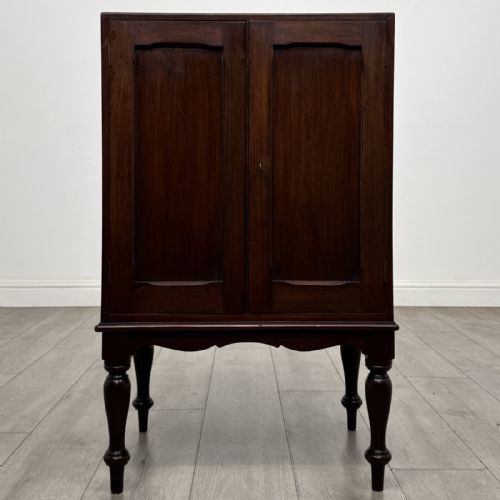
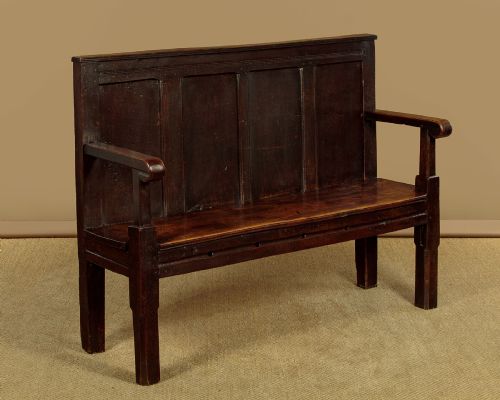
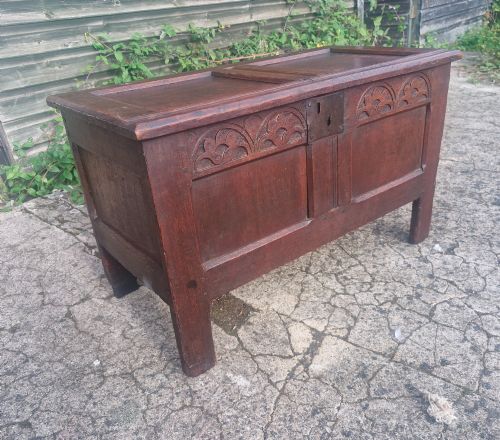
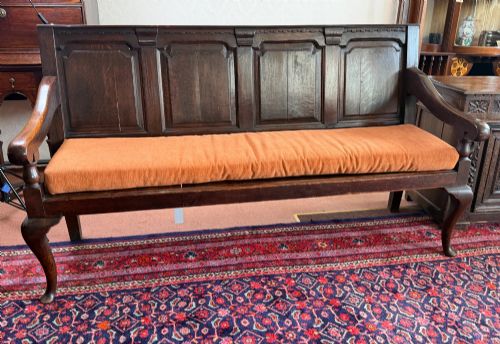
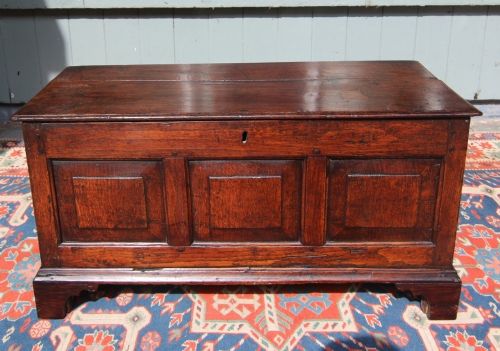
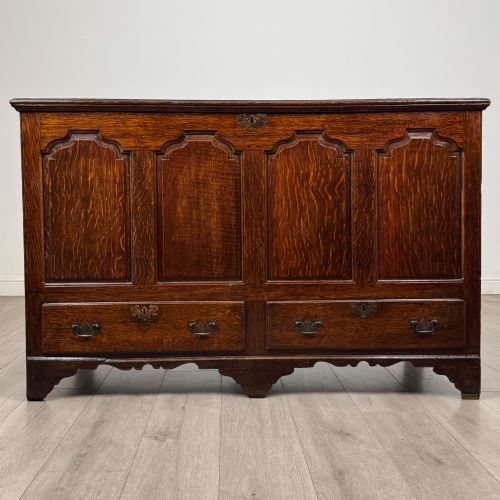
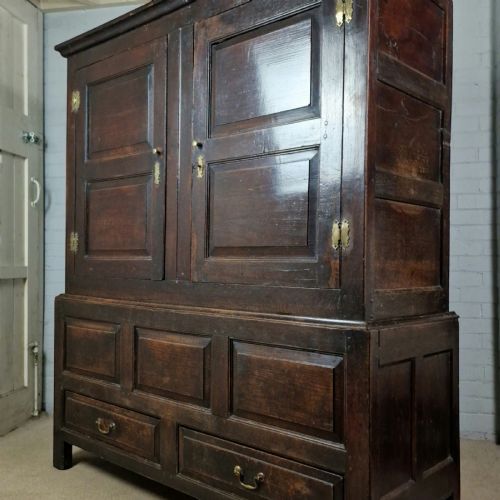
The most frequent items on this page are sturdy oak coffers, mule chests, and settles, where panel construction forms the main body of the piece.
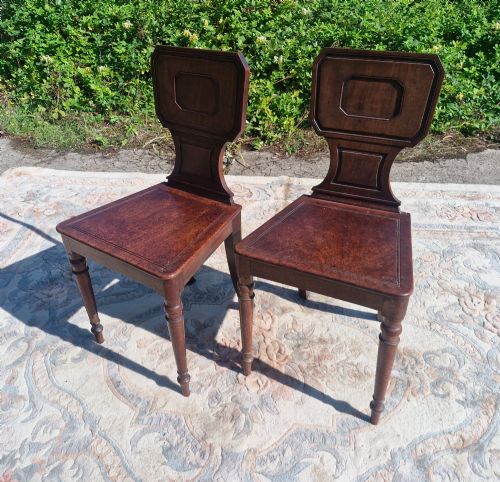
Pieces span the seventeenth through to the nineteenth century, reflecting regional vernacular traditions alongside formal Georgian cabinet making in oak and mahogany.
Materials and construction
Cabinet makers relied primarily on homegrown oak and rich imported mahogany, often incorporating elm, ash, and brass fittings for hinges and escutcheons.
Panels were traditionally held within frame structures using mortise and tenon joints, allowing the solid timber to expand and contract naturally through changing seasons.
Surface decoration frequently involved hand carving, geometric moulding, and subtle wood inlay rather than applied veneers.
Some solid oak settles served double duty as household storage units and high backed windbreaks beside roaring tavern fires.
Variations in quality
The standard of carving determines much of the distinction between standard utilitarian items and finer decorative works, with crisp chisel work separating superior panels from softer, worn examples.
The choice and integrity of the timber influence the overall character, as well-figured oak and dense mahogany retain their structural crispness far better over centuries.
Original hardware, untouched surface patination, and the retention of primary board backs or seat bases elevate the integrity of individual pieces.
The Georgian Wooden Panels Glossary
- Coffer
- A large wooden chest used for storage, constructed with heavy panelled sides and often fitted with a hinged lid.
- Mule chest
- A storage chest featuring one or more drawer bases beneath the main compartment, combining the functions of a coffer and a small chest of drawers.
- Settle
- A wooden bench featuring a high panelled back designed to block draughts, frequently incorporating a hinged seat with enclosed storage underneath.
- Wainscot
- A type of solid oak panelling applied to walls, which also lent its name to heavy framed armchairs of the period.
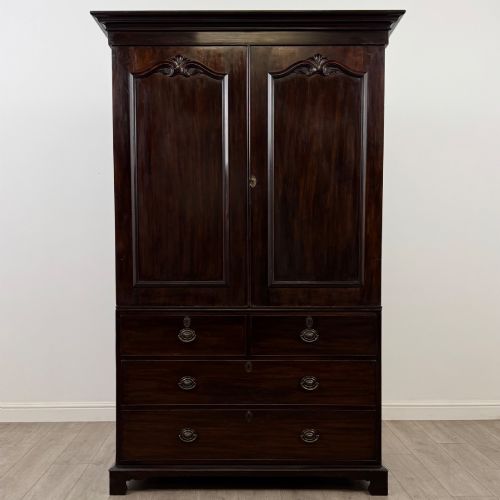
- Dentil cornice
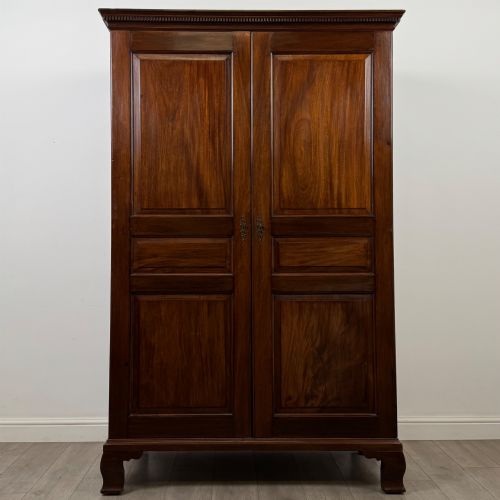
- A architectural moulding characterised by a repeating series of small rectangular blocks projecting beneath the upper edge of tall cabinets and wardrobes.
Georgian Wooden Panels: Frequently Asked Questions
What is a coffer bach?
A coffer bach is a small Welsh box or chest, traditionally constructed in oak with panelled details for domestic storage.
These miniature chests often mimic the construction of full sized furniture on a smaller scale.
How do I care for antique oak furniture?
Keep wooden pieces away from direct heat sources and sudden humidity shifts to prevent timber splitting.
Apply traditional wax sparingly and buff gently with a soft cloth to maintain the natural surface finish.
What distinguishes oak from mahogany pieces?
Oak items generally display earlier seventeenth and eighteenth century vernacular roots with visible grain and pegged joints.
Mahogany furniture leans towards formal Georgian and Regency cabinet making with smoother finishes and refined bracket feet.
Where were corner cupboards placed?
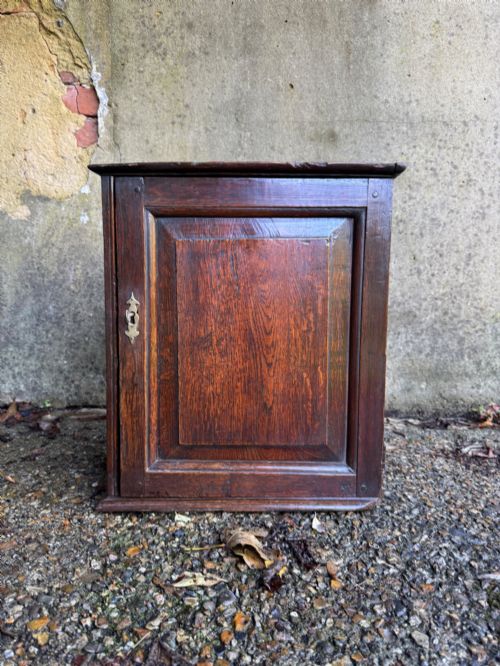
Corner cupboards were designed to fit neatly into domestic room angles to maximise storage space.
Examples appear in both hanging wall formats and tall standing floor units across the eighteenth century.