
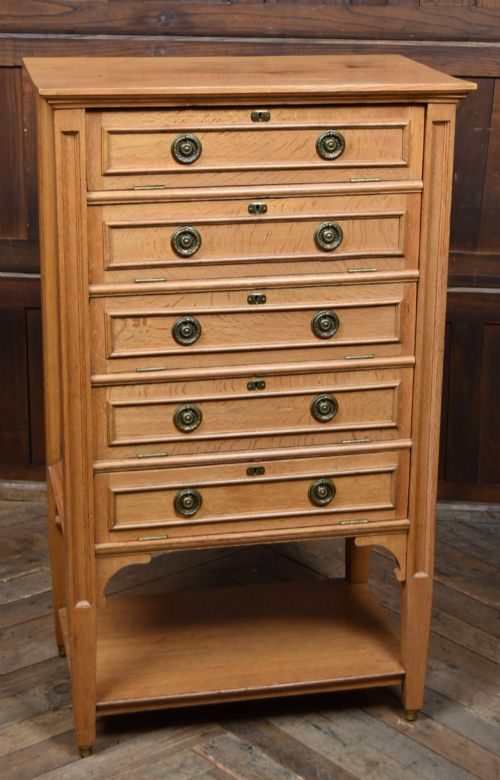
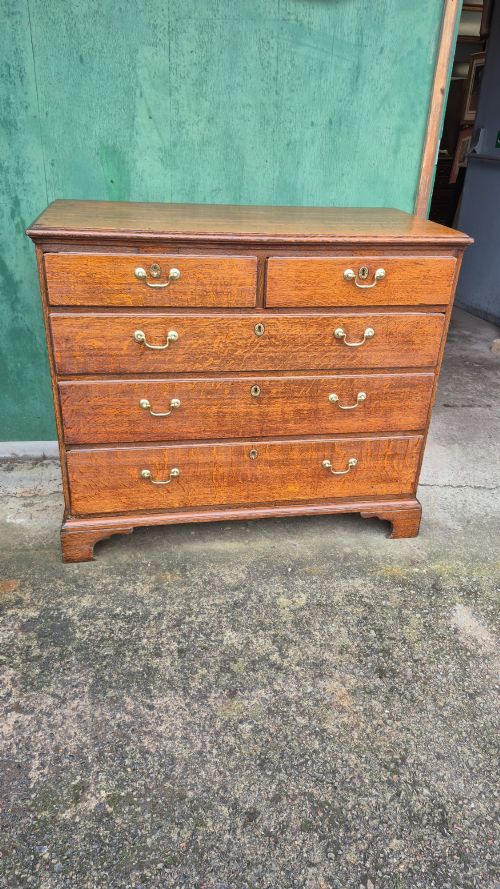
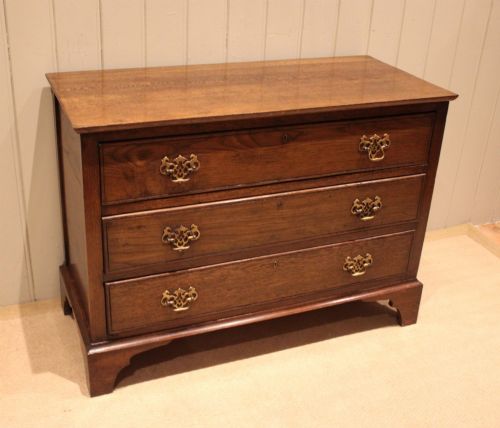
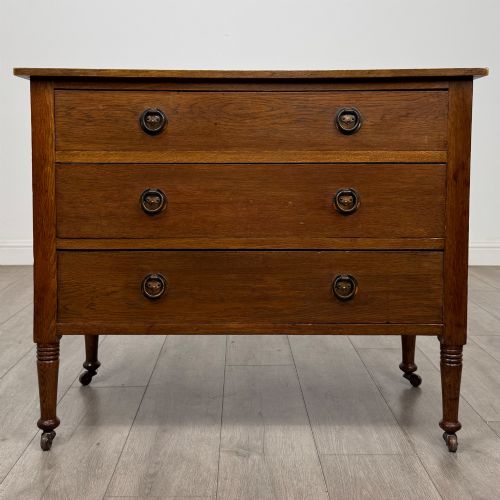
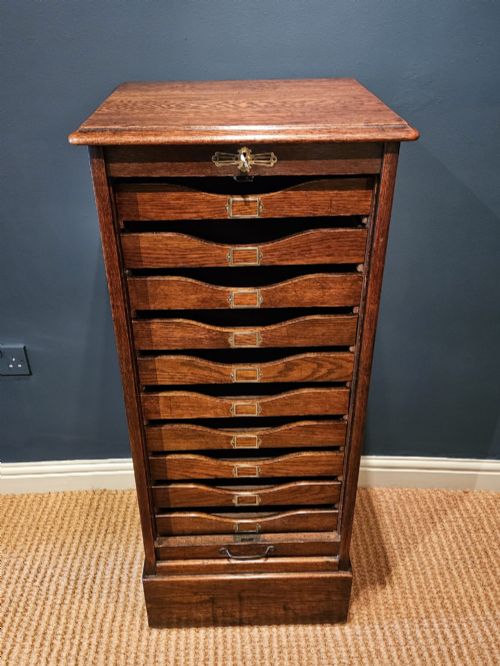


Oak Chest with Drawer
An oak chest with drawer is a practical storage piece offering deep interior space combined with accessible lower compartments for smaller items.
What They Are
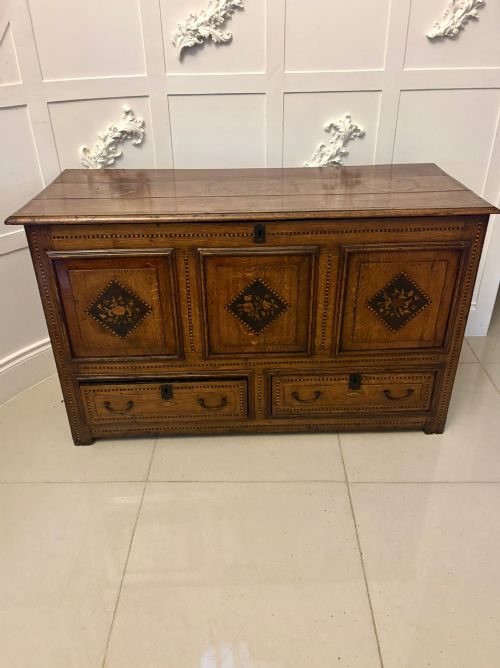
An oak chest with drawer combines traditional blanket storage with integrated drawer space below the main compartment. This category encompasses regional pieces such as Welsh coffer bach items, mule chests with lower drawers, and standard drawer configurations from the 17th through the 19th centuries.
The versions most commonly met in current listings include Georgian vernacular pieces and miniature coffer bach examples dating from the 18th century. These items blend utilitarian storage functions with period cabinet-making styles, utilising native timbers across various regional British workshops.
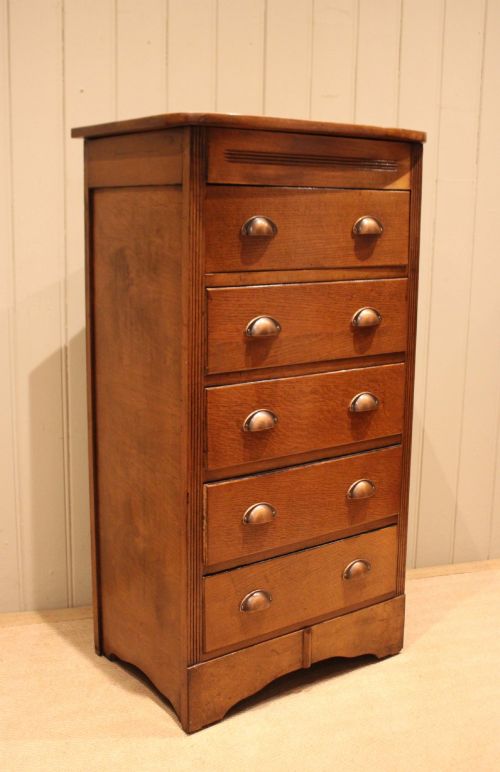
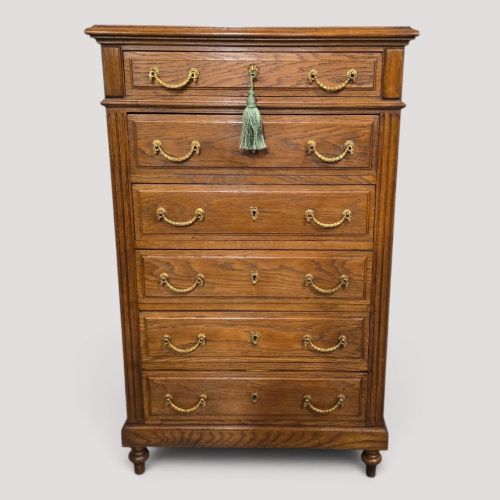
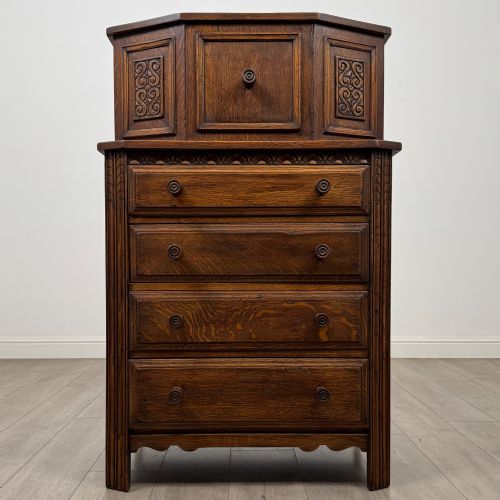
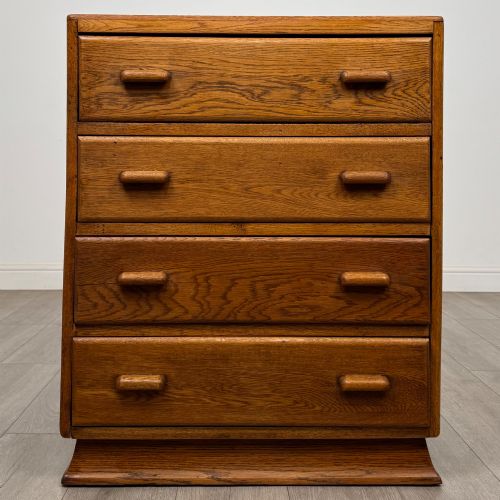
Buyers encounter forms ranging from low mule chests fitted with single or twin drawers to tall chests of drawers featuring secret compartments and specialised linings. Such variations reflect the diverse domestic storage needs of households across the Georgian and Victorian eras.
How They Were Made
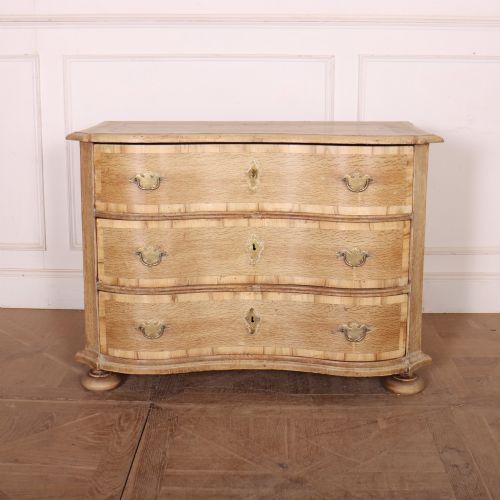
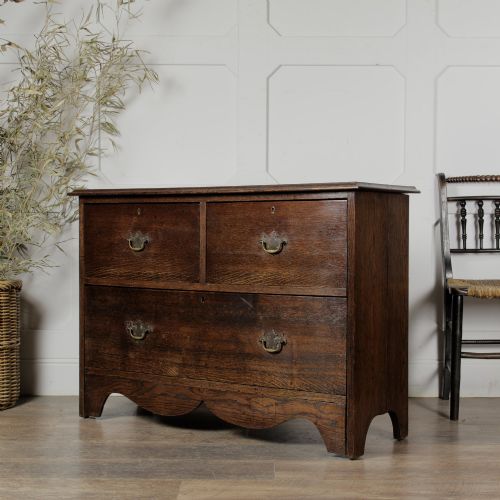
Cabinet-makers constructed these pieces primarily using solid oak timber, frequently pairing it with secondary woods such as mahogany for cross-banding or drawer linings. Iron hinges, brass swan neck handles, drop handles, and lion head mounts secure the operational elements.
Construction methods involve traditional joinery techniques, including hand-cut dovetails for drawer boxes and frame-and-panel assembly for larger bodies. Surfaces occasionally display carved foliate details, geometric mouldings, marquetry inlay, or scumble painted faux wood grain finishes.
Retail Price Guide 2026
Typical UK retail prices for oak chest with drawer, calculated from the Sellingantiques database of over a million retail prices indexed since 2003. This retail price guide relies exclusively on Sellingantiques data; no external sources or auction records are used, so the figures do not describe the wider market.
Secret drawers hidden within these chests provided domestic staff and homeowners a discreet spot for secret letters and small fortunes.
What Varies in Quality
The distinction between standard examples and finer pieces rests upon the integrity of the timber selection and the precision of the joinery. Superior items retain their original brass hardware, uncompromised backboards, and cleanly fitted oak linings within the drawers.
Degree of ornamentation also separates pieces within this range. Examples featuring skilled carving, geometric panelling, or harmonious secondary wood cross-banding demonstrate a higher level of workshop execution than plain utilitarian variants.
Heals of London
The Oak Chest with Drawer Glossary
- Coffer bach
- A small Welsh miniature chest traditionally used for storing valuables or as a wedding gift. These scaled-down pieces mirror the construction of larger blanket chests.
- Mule chest
- A storage chest equipped with one or more functional drawers positioned beneath the main lifting lid compartment. This hybrid form bridges the chest and the chest of drawers.
- Cross-banding
- A decorative border technique where thin strips of veneer, often mahogany, are applied across the grain framing the primary oak drawer fronts. This adds visual contrast to the facade.
- Bracket feet
- Simple architectural supports projecting beneath the corners of a chest, lifting the body off the floor. They provide structural stability while lightening the overall silhouette.
Frequently Asked Questions
What is a coffer bach?
A coffer bach is a miniature Welsh chest dating primarily to the 18th century. These small pieces feature a hinged lid above a single lower drawer.
Craftspeople built them as presentation pieces or for storing precious personal items. Their compact proportions make them distinct collector items today.
How do mule chests differ from standard chests?
Mule chests combine the traditional top-opening lid of a blanket chest with one or more drawers built into the base. This dual access separates them from standard chests of drawers.
They emerged to offer more organised storage without abandoning deep interior space. The lower drawers allowed frequent access to linens without moving items off the top surface.
Where were these pieces made?
These items originated across British and European workshops, with distinct regional styles developing in Wales and England. Vernacular furniture makers utilised local timber stocks.
Workshop traditions varied from rural Welsh framing techniques to urban Georgian cabinet-making. This regional diversity shapes the decorative details found on individual pieces today.
How should I care for antique oak?
Antique oak benefits from stable indoor humidity away from direct heat sources and sunlight. Extreme temperature shifts can cause the timber to split.
Routine maintenance involves gentle dusting with a dry cloth. Avoid modern silicone polishes to preserve the natural patina developed over centuries.