

Oak Blanket Trunk
An oak blanket trunk is a robust domestic storage chest, offering enduring utility and straightforward historical character for modern interiors.
Oak Blanket Trunk
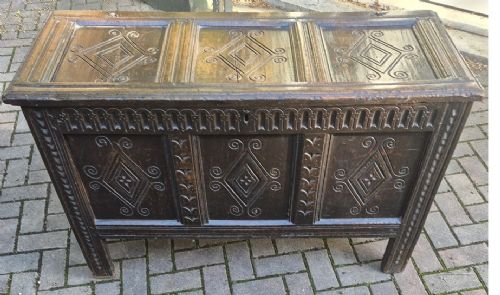
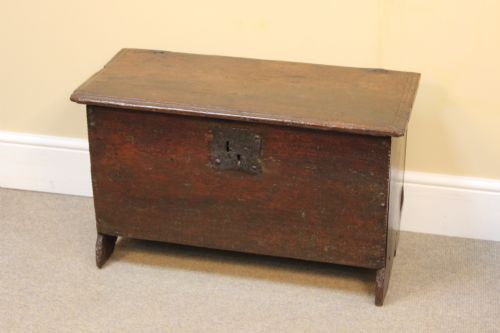
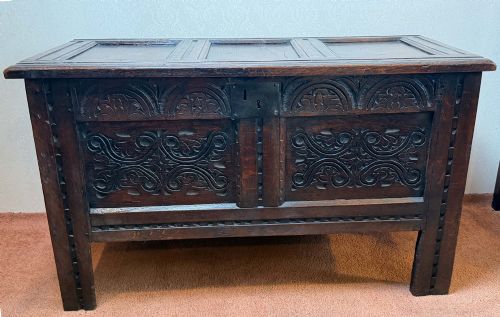
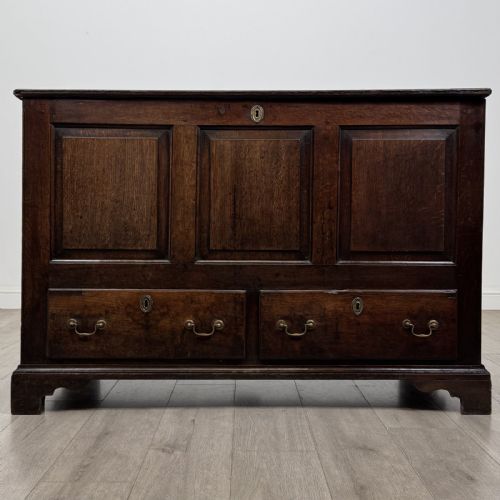
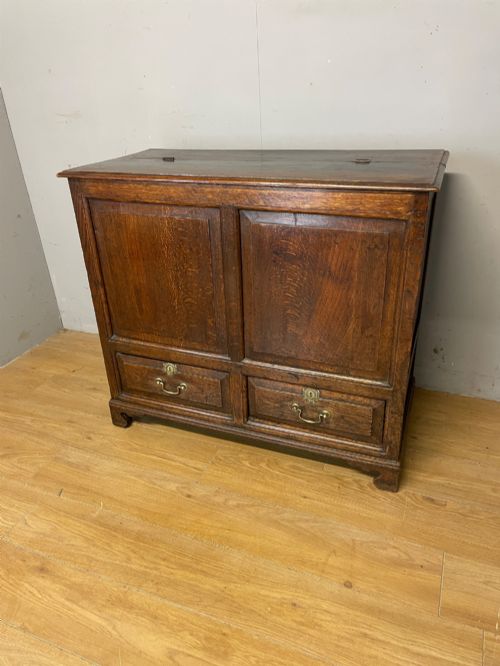
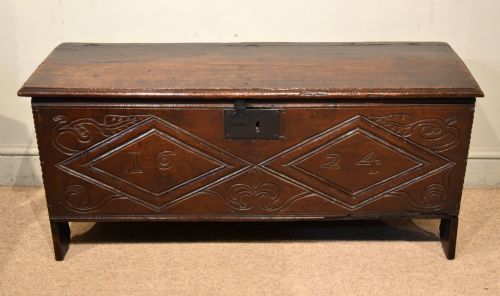
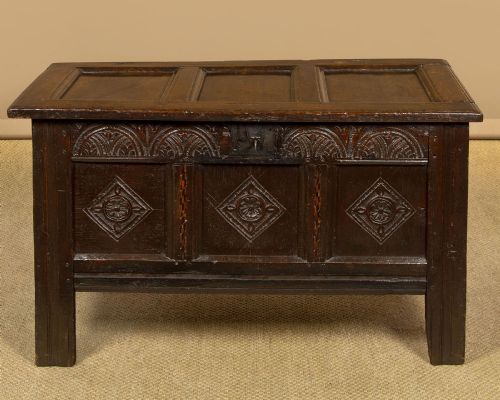
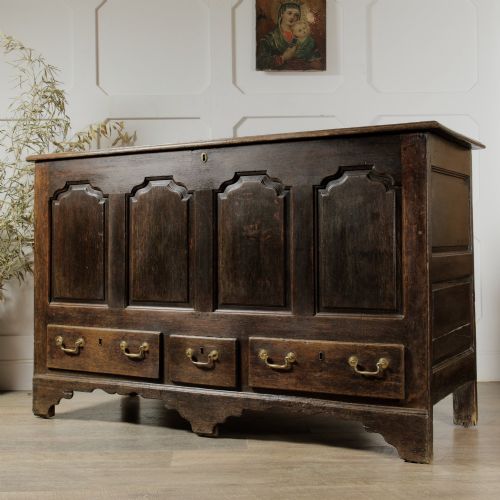
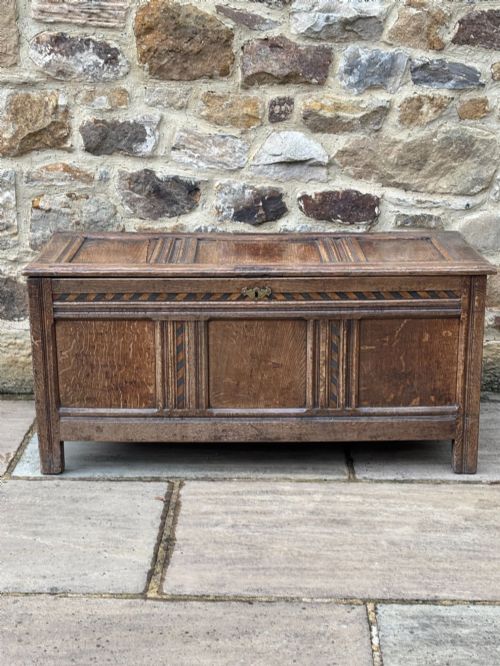
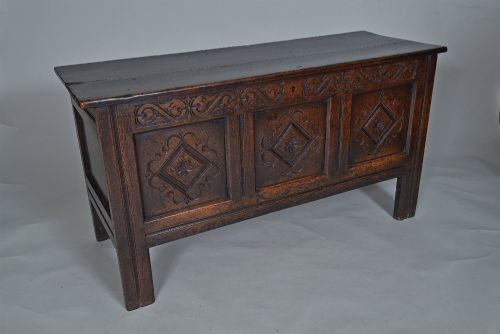
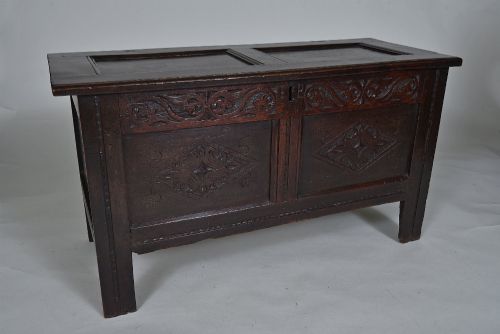
An oak blanket trunk encompasses heavy wooden storage chests, mule chests, and boarded coffers utilised for domestic organisation across centuries. Buyers searching for an oak blanket trunk encounter forms ranging from early boarded six-plank pieces to panelled seventeenth-century coffers and eighteenth-century mule chests fitted with lower drawers.
The most common examples on this page date from the seventeenth and eighteenth centuries, reflecting vernacular English craftsmanship. These sturdy containers served to store textiles, linens, and personal valuables before built-in closets became standard household fixtures.
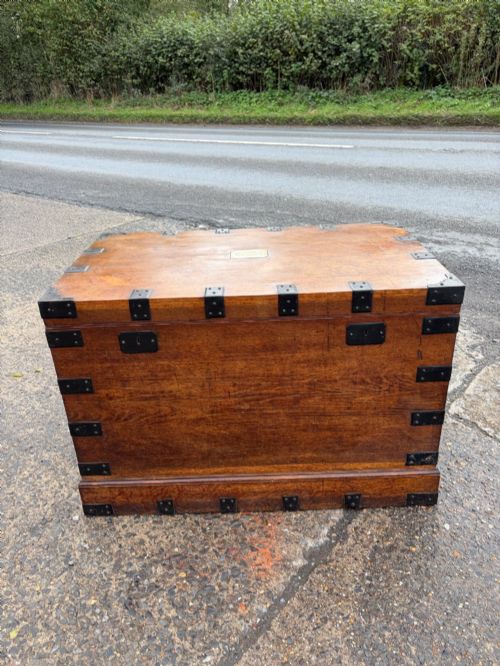
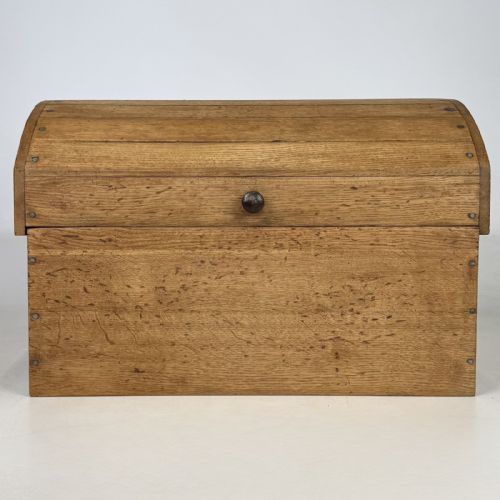
Regional variations appear frequently, including small Welsh coffer bach chests and West Country boarded containers displaying carved details. Later nineteenth and twentieth-century interpretations also surface, maintaining the functional storage purpose through simpler revival styles and iron-bound constructions.
How they were made
Makers constructed these storage pieces primarily from solid timber, predominantly utilising native oak supplemented by elm, pine, and occasional bog oak for contrasting detail. Panels were assembled using traditional joined framing methods to accommodate seasonal wood movement without splitting.
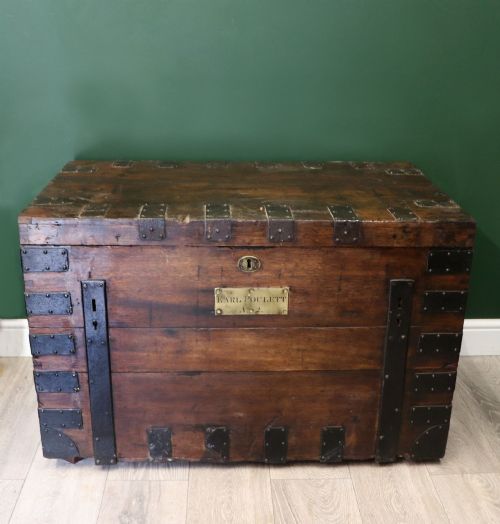
Surface decoration involved hand carving, marquetry inlay, and timber inlay work executed by regional carpenters and joiners. Iron and brass hinges, locks, and metal binding straps reinforced lids and corners for heavy everyday use.
Oak Blanket Trunk Retail Price Guide 2026
Typical asking prices for oak blanket trunk among the pieces listed under this phrase on Sellingantiques today, from the lower quarter to the upper quarter. They describe what is for sale here now, not the wider market.
Listings feature oak blanket trunks spanning from the sixteenth century through the Edwardian era, incorporating iron and brass hardware.
What varies in quality
The degree of sophistication in the hand-carved panels and the crispness of marquetry inlay distinguish finer examples from plain utility pieces. Original ironwork, intact hinges, and surviving contemporary locks elevate the integrity of a chest.
Proportion and scale dictate desirability, with smaller proportions and coffer bach variants commanding particular attention from collectors. The survival of an undisturbed surface patina and minimal timber replacement preserve the historical authenticity of the piece.
Gillows of Lancaster·Earl Poulett of Somerset
The Oak Blanket Trunk Glossary
- Mule chest
- A storage chest featuring one or more functional drawers beneath the main internal compartment. This form evolved during the late seventeenth and eighteenth centuries to provide easier access to stored linens.
- Six plank coffer
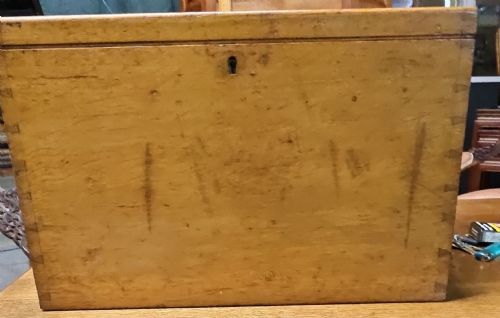
- A primitive box construction made from six individual boards joined edge-to-edge with peg fasteners. This represents one of the earliest surviving forms of household storage.
- Coffer bach
- A small Welsh tabletop or miniature coffer traditionally produced in oak during the eighteenth century. These diminutive chests served specific domestic storage roles.
- Linenfold
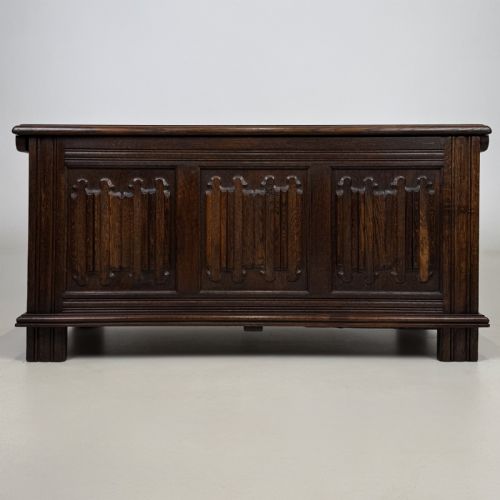
- A style of carved wooden panelling resembling folded vertical linen fabric. This decorative motif appears frequently on sixteenth and seventeenth-century panels.
- Marquetry
- The art of applying decorative veneer pieces in various woods to form geometric or pictorial patterns. This technique enhances the visual richness of seventeenth-century lids and friezes.
Oak Blanket Trunk: Frequently Asked Questions
What were oak blanket trunks used for?
These robust chests served primarily to store household textiles, wool blankets, and heavy garments in domestic settings before built-in wardrobes existed. They also safeguarded family valuables and documents under secure lock and key.
Over generations, their heavy lids and flat surfaces allowed them to double as occasional seating or impromptu tables within the home.
How do I date an oak blanket trunk?
Dating relies on observing construction methods, such as distinguishing early six-plank board assembly from later joined frame-and-panel techniques. Tool marks, hand- forged iron hinges, and regional carving styles also provide clear chronological indicators.
Secondary woods used in drawer construction and the presence of specific inlay patterns help narrow the period of origin.
How do I live with an oak blanket trunk?
Position these heavy timber pieces away from direct heat sources and dramatic humidity fluctuations to prevent the oak from splitting. Maintaining consistent indoor conditions protects the historical joints and surface finish.
Their substantial tops make them suitable for displaying objects or serving as functional coffee tables in modern living spaces.
What is the difference between a coffer and a mule chest?
A coffer is a simple lidded storage box consisting solely of an upper compartment accessed from the top. They represent the foundational form of household trunk storage.
A mule chest incorporates one or more drawers built beneath the main chest cavity, bridging the transition between simple boxes and modern drawer chests.