




Nomadic Anatolian Rug
A nomadic anatolian rug brings tactile warmth and tribal history into a room through geometric motifs and rich wool textures.
Nomadic Anatolian Rug
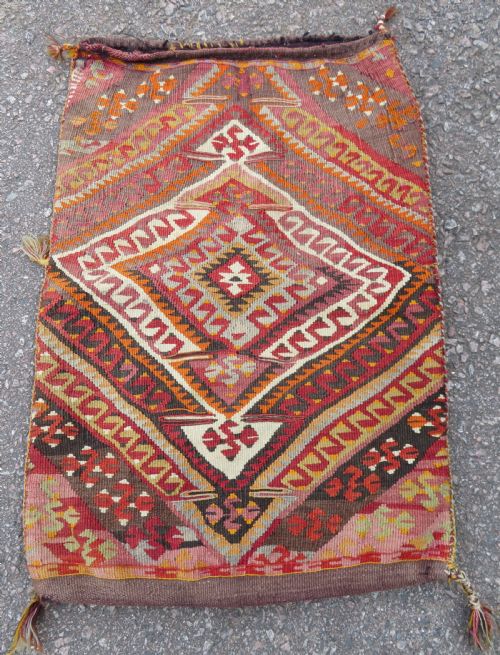
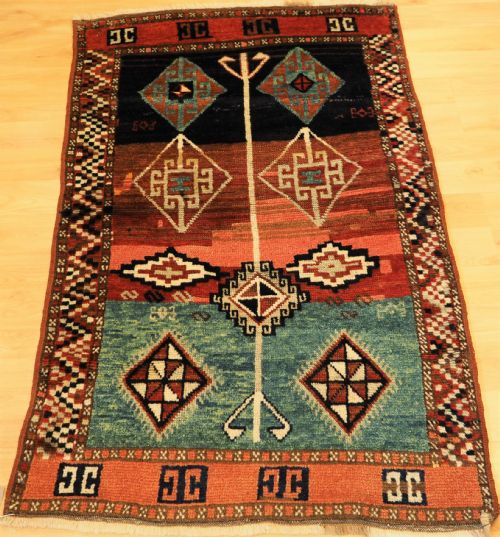
A nomadic anatolian rug encompasses floor coverings, runners, prayer rugs and woven cushions originating from Turkish tribal regions during the nineteenth and early twentieth centuries. Buyers encounter specific regional variations including Yuruk, Kurdish, Bergama, Karapinar and Malatya Konya pieces, alongside functional household items such as saddlebags and flatweave kilims.
The forms range from full room-size carpets and elongated runner rugs down to small scatter rugs, wall-hanging panels and dismantled bag faces repurposed as cushions. These textiles reflect the distinct weaving traditions of nomadic and village groups across Anatolia, utilising traditional formats passed down through generations.
Assessing Quality and Character
Quality in these pieces rests upon the integrity of the weave, the depth and balance of natural wool colours, and the preservation of the original tribal design. Finer knot density and intact borders distinguish superior examples from simpler village work.
The condition of the wool pile, the crispness of geometric motifs and the survival of original flatweave ends or side cordings dictate the desirability of each textile within its specific regional group.
Some antique saddlebags retain their original leather trim, having survived decades of bouncing across Anatolian highlands on four-legged transport.
The Nomadic Anatolian Rug Glossary
- Kilim
- A flatwoven carpet or rug produced without a pile. These pieces rely on tightly packed horizontal weft threads pulled across vertical warps to form sharp geometric patterns.
- Cicim
- A supplementary weft-float embroidery technique sewn onto a woven ground. It adds raised surface patterns to tribal textiles and panels.
- Juval
- A large storage bag face produced by nomadic tribes for household possessions. Collectors prize these fragments for their concentrated tribal designs.
- Yuruk
- A term describing rugs woven by migrating pastoralist groups in Anatolia. These pieces often feature saturated wool colours and bold geometric layouts.
- Heybe
- The traditional Turkish term for a paired saddlebag used by nomads. Surviving complete examples retain both compartments used for transport.
Nomadic Anatolian Rug: Frequently Asked Questions
What is a nomadic anatolian rug?
A nomadic anatolian rug is a hand-woven textile created by tribal or village weavers in Turkey during the nineteenth and early twentieth centuries. These pieces utilise local wool and traditional geometric motifs.
They served practical roles in nomadic life, functioning as floor coverings, sleeping mats, prayer spaces and containers for transport before entering the decorative market.
How do I care for an antique rug?
Protect your textile by placing it in a low-traffic area out of direct sunlight to prevent wool degradation and fading. Vacuum gently with the suction attachment rather than a rotating brush bar.
Professional specialist cleaning is recommended for antique wool textiles when necessary. Avoid using chemical spot treatments on natural dyes.
How can I date these rugs?
Dating relies on wool characteristics, natural dye palettes, structural analysis and stylistic comparisons with documented regional pieces. Nineteenth-century examples often display softer wool hand and specific tribal iconography.
Later pieces from the early twentieth century shift toward different chemical dye introductions and coarser structural foundations. Dealers attribute dates based on these cumulative material markers.
Where were these rugs made?
These textiles were produced across various regions of Anatolia, including East Anatolia, Bergama, Karapinar and Konya. Different nomadic confederations and settled villagers maintained distinct local weaving dialects.
Groups such as the Yuruk and Kurdish weavers developed recognizable design repertoires tied to their specific geographic areas and ancestral traditions.