
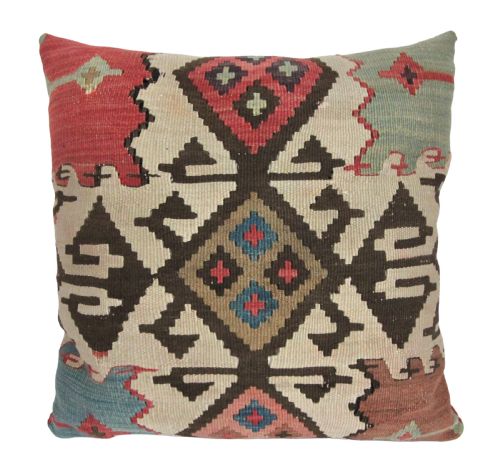


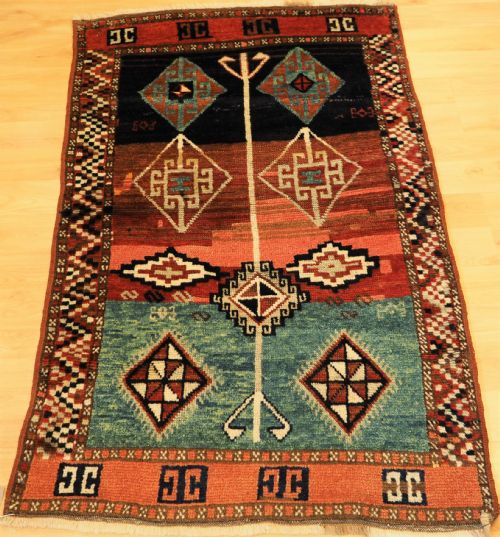


Multicoloured Anatolian Rug
A multicoloured anatolian rug brings warmth, history, and vibrant pattern into a room through traditional village weaving.
Multicoloured Anatolian Rug
When you search for a multicoloured anatolian rug, you encounter hand-woven textiles originating from Turkish regions such as Konya, Malatya, and Bergama. These pieces encompass flat-woven kelims, pile rugs, and cushions created by village weavers.
The selection on this page ranges from late nineteenth-century examples to pieces from the early twentieth century. Forms vary from large area carpets and prayer kelims down to smaller scatter rugs and decorative cushions.
Tribal and traditional designs dominate the selection, showing the rich aesthetic heritage of regions like Sivrihisar and Afyon. Each piece reflects the specific village traditions and local weaving techniques of its origin.
How they were made
The makers utilised natural wool and cotton to construct these textiles, employing traditional hand-weaving methods passed down through generations. Wool provides the durable pile and flat-woven surfaces, while cotton frequently forms the structural foundation.
Many kelims are woven in two separate parts and joined together to create larger formats, as seen in traditional Bergama region examples. Dyeing methods relied on natural sources to achieve the varied, rich palettes characteristic of these village rugs.
Some village weavers split their kelims down the middle just to sew them back together again.
What varies in quality
The standard of a piece depends heavily on the fineness of the weave and the complexity of the design. Village rugs with well-balanced proportions and clear regional motifs stand apart from simpler variations.
Condition and scale also define the hierarchy, with large, intact formats and well-preserved cushions representing the upper end of the selection. The richness and depth of the wool dyes further distinguish finer regional examples.
The Multicoloured Anatolian Rug Glossary
- Kelim
- A flat-woven carpet or rug produced without a pile. These textiles are created by tightly interweaving warp and weft threads.
- Yuruk
- A term describing rugs made by nomadic or formerly nomadic Turkmen groups in Anatolia. These pieces often feature bold geometric designs.
- Prayer rug
- A small textile featuring a mihrab or niche design representing the direction of prayer. They were traditionally used for daily devotions.
- Warp
- The vertical threads stretched upon a loom before weaving begins. The weft threads are passed through the warp to form the cloth.
- Pile
- The upright loops or cut ends of yarn that form the surface of knotted carpets. Flat-woven kelims lack this raised surface.
Multicoloured Anatolian Rug: Frequently Asked Questions
Where were these rugs made?
These textiles originate from various regions and villages across Turkey, including Konya, Malatya, Bergama, and Sivrihisar. Each area developed distinct weaving habits and colour choices.
Local village weavers produced these pieces for domestic use and local trade, incorporating traditional regional motifs into every rug or kelim.
How do I care for an old kelim?
Protect your textile by placing it in areas with moderate foot traffic and avoiding direct, harsh sunlight. Regular gentle vacuuming without a rotating brush helps remove trapped dust.
Professional cleaning tailored for antique wool textiles ensures the longevity of the natural fibres and dyes. Avoid harsh chemical spot treatments entirely.
How can I tell the age of a piece?
Age is indicated by the structure, the nature of the wool, and the specific village attribution recorded in the design. Pieces from the late nineteenth century often display distinct regional dyeing characteristics.
Comparing construction methods and design motifs helps place textiles within periods spanning from the 1850s to the 1930s.