
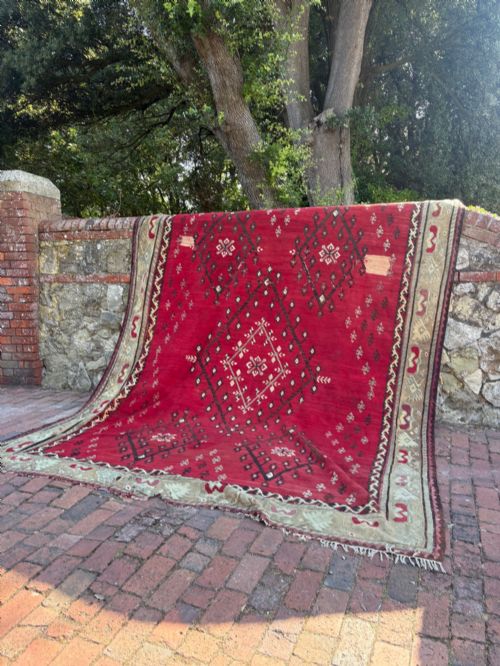

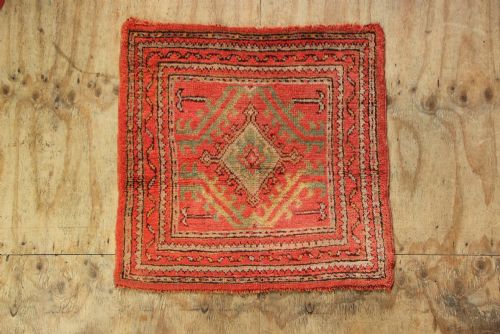


Red Wool Turkish Rug
A red wool turkish rug brings decades of woven Anatolian character into a room, offering both practical warmth and rich regional designs.
Red Wool Turkish Rug
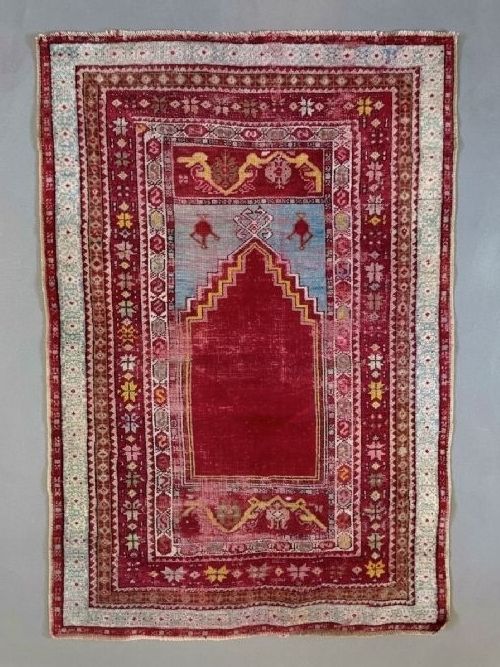
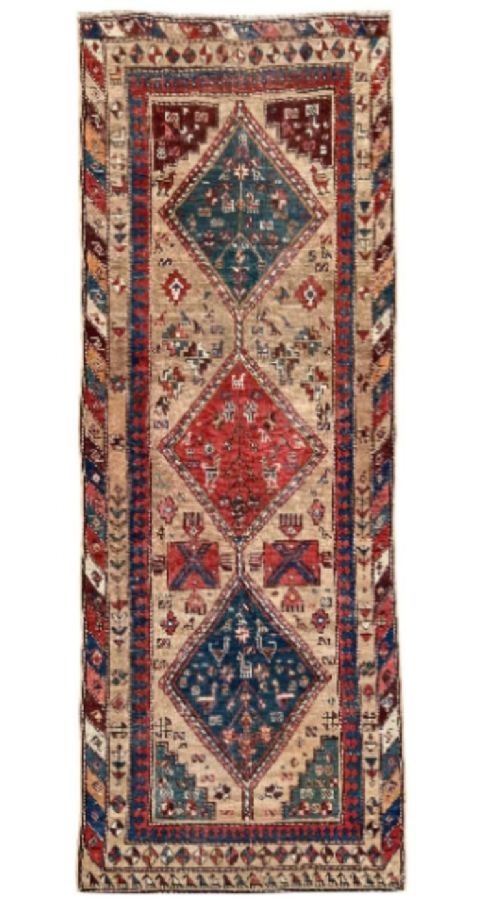
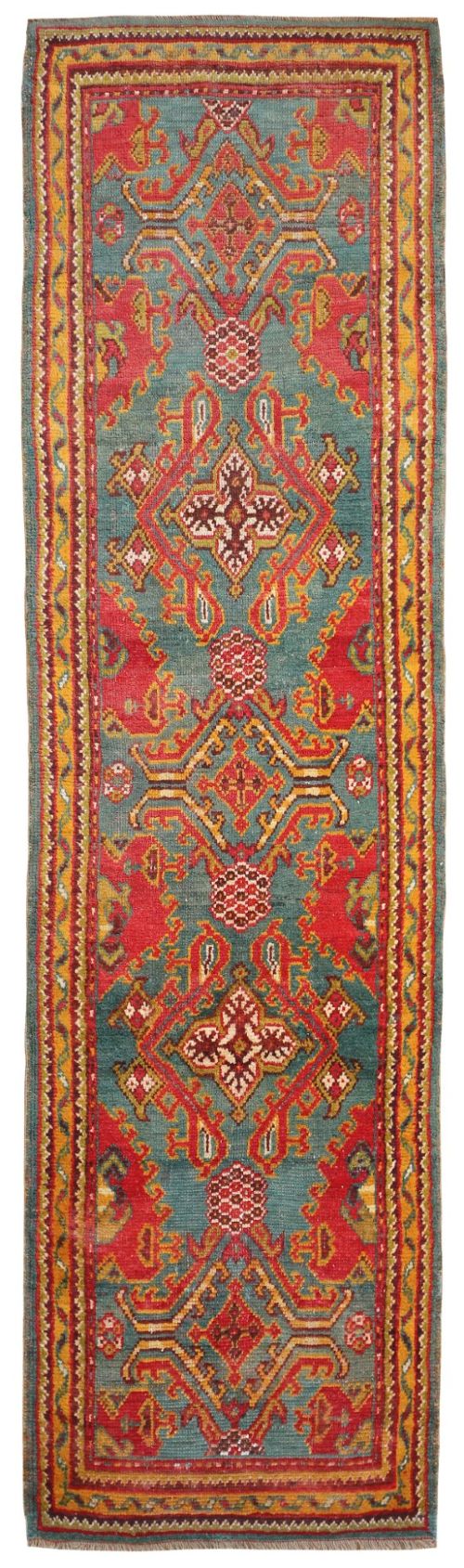
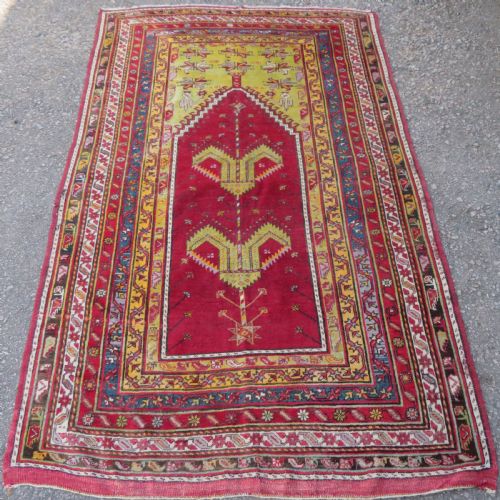
A red wool turkish rug encompasses various forms such as runners, square carpets, flatweave kilims, and prayer rugs originating from centres like Ushak, Konya, Bergama, and Kirsehir. Buyers searching this phrase encounter examples spanning from the eighteenth century through to the early nineteen-thirties, reflecting diverse Anatolian tribal and Ottoman traditions.
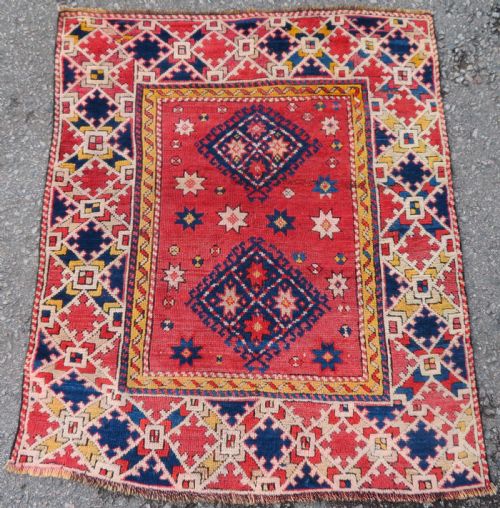
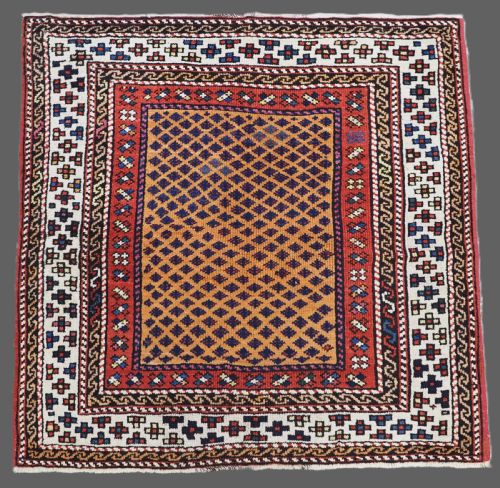
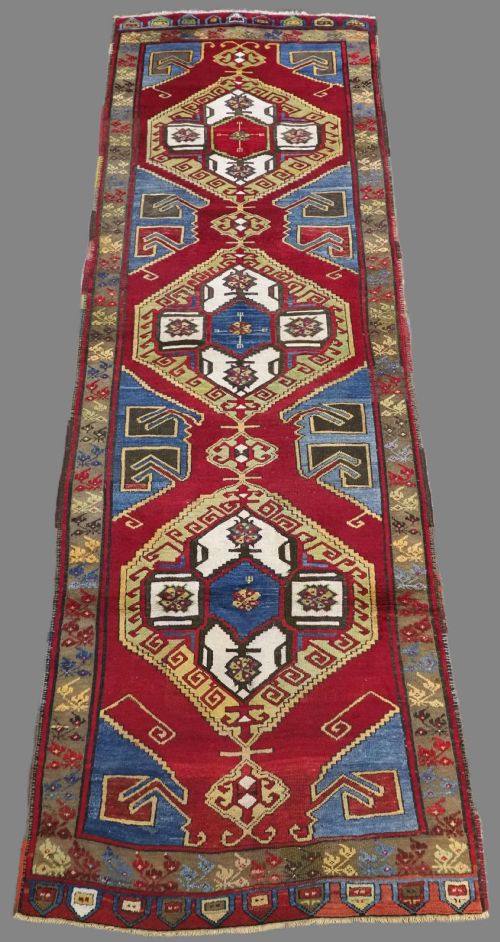
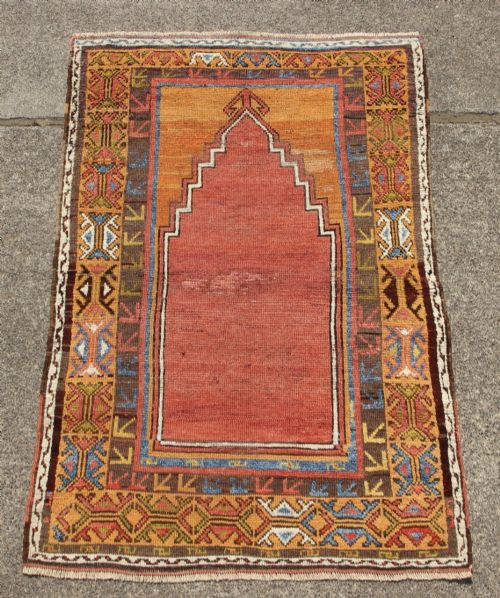
The most common versions met on this page are village and tribal weavings, including long runners and small square formats. These pieces often display geometric medallions, lattice patterns, or mihrab designs associated with regional prayer rugs.
Materials and construction
The foundation and pile rely heavily on wool and cotton, frequently utilising hand-spun wool and angora wool for added texture and durability. Natural dyes provide the characteristic red tones and secondary hues found across these Anatolian textiles.
Weavers employ traditional knotting and flatweaving techniques depending on whether the piece is a pile rug or a kilim. Structural elements like warp and weft threads are combined with carefully selected dyed fibres to create enduring floor coverings and cushions.
Red Wool Turkish Rug Retail Price Guide 2026
Typical asking prices for red wool turkish rug among the pieces listed under this phrase on Sellingantiques today, from the lower quarter to the upper quarter. They describe what is for sale here now, not the wider market.
Several pieces double as travel-sized comfort, appearing as compact bag face cushions woven by nomadic hands for everyday camp life.
Assessing quality and character
Quality in these textiles rests upon the fineness of the weave, the clarity of the regional design, and the depth achieved by natural dyes. Finer knot counts and well-defined motifs distinguish sophisticated city or workshop carpets from simpler village productions.
Condition and integrity also influence the standing of a piece, where surviving original borders and honest age-related wear hold distinct appeal. The handling of wool preparation and dye saturation determines how richly the surface ages over decades of use.
The Red Wool Turkish Rug Glossary
- Prayer rug
- A small textile featuring a mihrab or niche design historically oriented towards Mecca during daily prayers. These rugs are often characterised by specific regional motifs unique to towns like Ghiordes or Ladik.
- Kilim
- A flatweave carpet or rug produced without a pile by tightly interweaving warp and weft strands. This technique creates a lightweight textile with crisp geometric patterns.
- Runner
- A long, narrow carpet format designed for hallways, corridors, or alongside beds. These pieces require specific proportions to fit linear interior spaces.
- Medallion
- A central ornamental motif placed in the middle of the field. It serves as the focal point for the surrounding geometric or floral patterns.
- Mihrab
- The arched architectural niche depicted on prayer rugs symbolising the direction of prayer. Its shape varies distinctly between different Anatolian weaving regions.
Red Wool Turkish Rug: Frequently Asked Questions
How do I care for an old wool rug?
Regular gentle vacuuming without a beater bar removes trapped dust from the wool fibres. Professional cleaning tailored for antique textiles preserves the natural dyes.
Positioning the rug out of direct sunlight prevents fading of the red tones. Using a breathable underlay protects the cotton and wool foundation from friction against the floor.
Where were these rugs made?
Production centres span across Anatolia, encompassing towns and villages such as Ushak, Konya, Bergama, Kirsehir, and Milas. Each district developed distinct colour palettes and geometric or floral vocabulary.
Nomadic tribes and settled village communities alike contributed to this regional diversity. Local access to specific sheep breeds and plant dyes directly shaped the output of each area.
What is the difference between a rug and a kilim?
A standard rug is woven with a raised pile formed by individual knots tied to the warp threads. This construction yields a plush texture and substantial weight underfoot.
Conversely, a kilim is produced entirely through flatweaving without any pile. This method results in a thinner, reversible textile with sharp, linear pattern edges.
How can I tell the age of a piece?
Dating relies on examining the specific wool preparation, dye compositions, and structural characteristics typical of particular decades or centuries. Natural dye variations and hand-spun textures often point towards nineteenth-century or earlier origins.
Design motifs also evolve across periods, allowing comparison with documented examples from specific Anatolian traditions. Wear patterns and material ageing provide further physical clues to a textile's timeline.