


Nineteenth Century Overmantel
Nineteenth century overmantel mirrors bring scale and reflected light to a room, appearing in English and French styles from the Victorian and Regency periods.
Nineteenth Century Overmantel
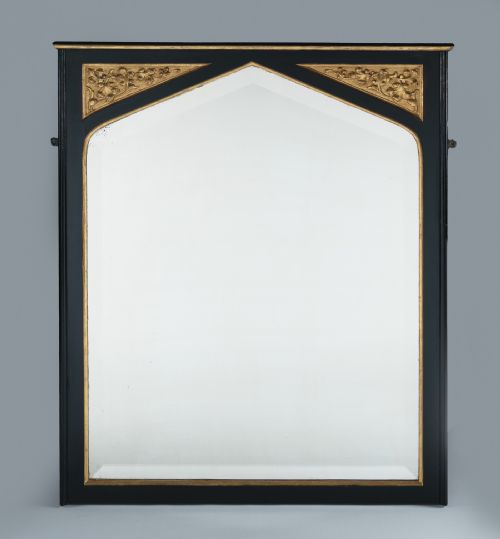
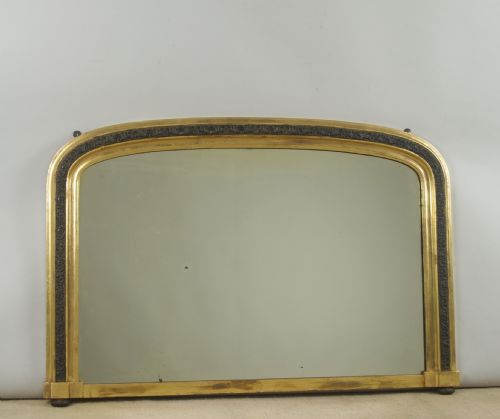
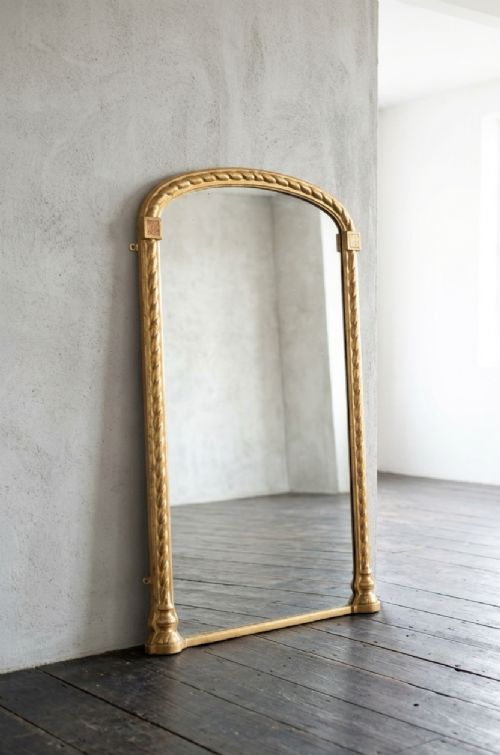
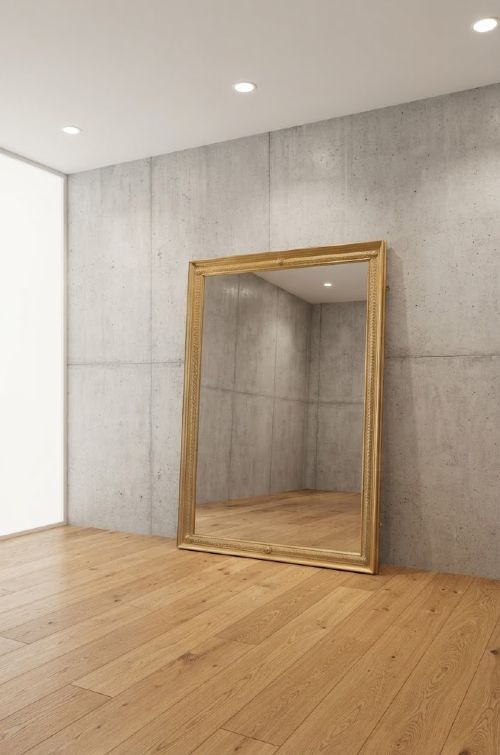
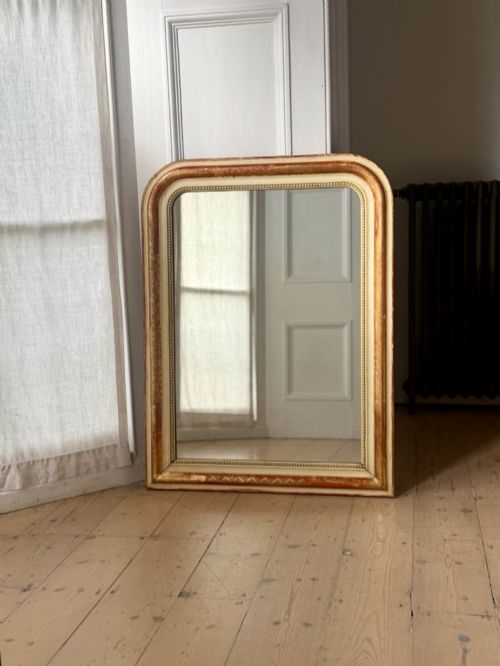
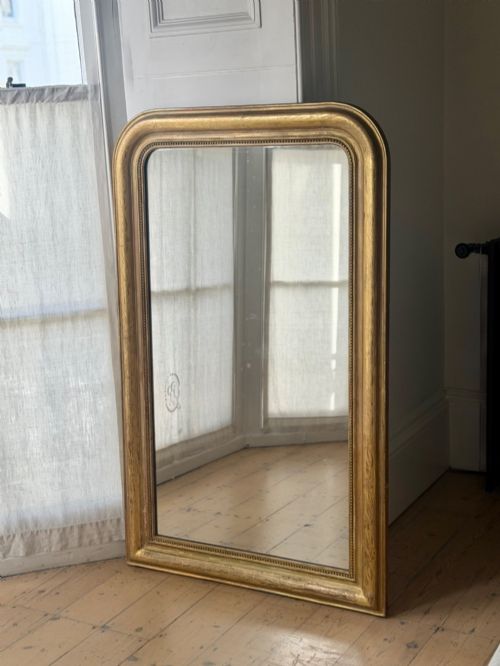
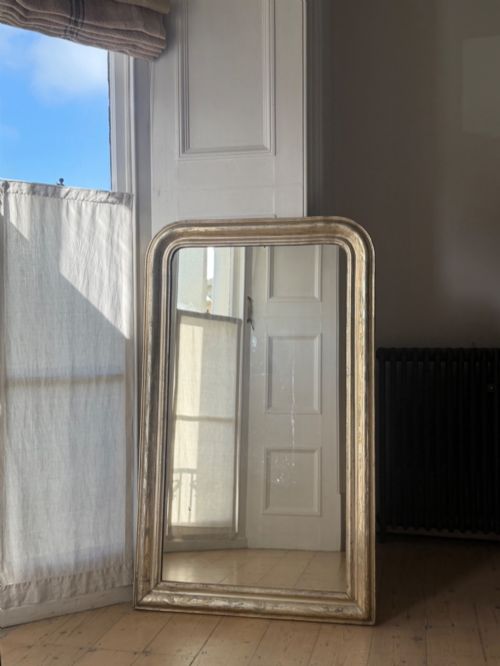
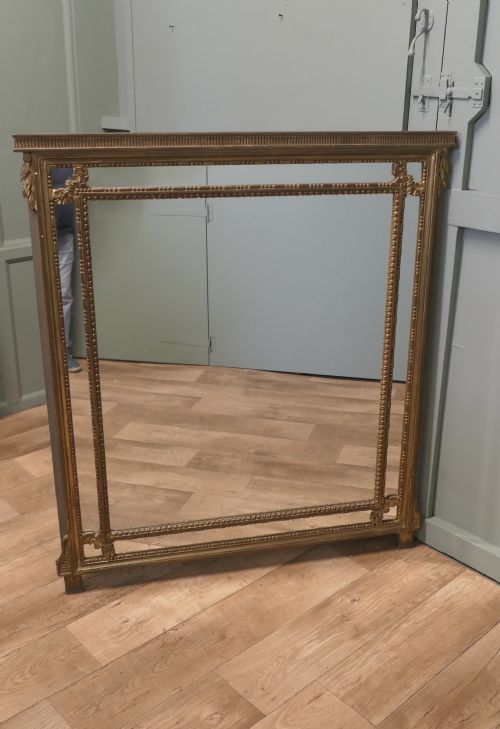
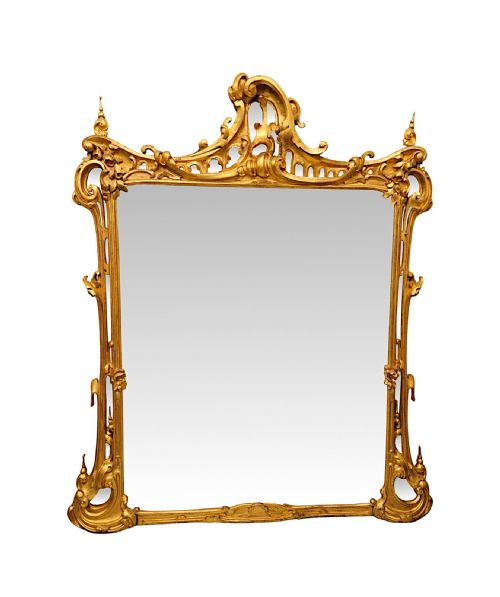
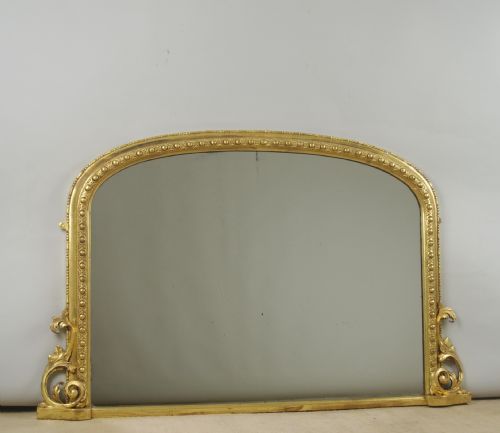
A nineteenth century overmantel is a large architectural mirror designed to sit on the mantelpiece above a fireplace. The pieces seen here span the Victorian era, the Regency period, and nineteenth century French workshops, taking the form of overmantel mirrors, pier mirrors, and trumeau mirrors.
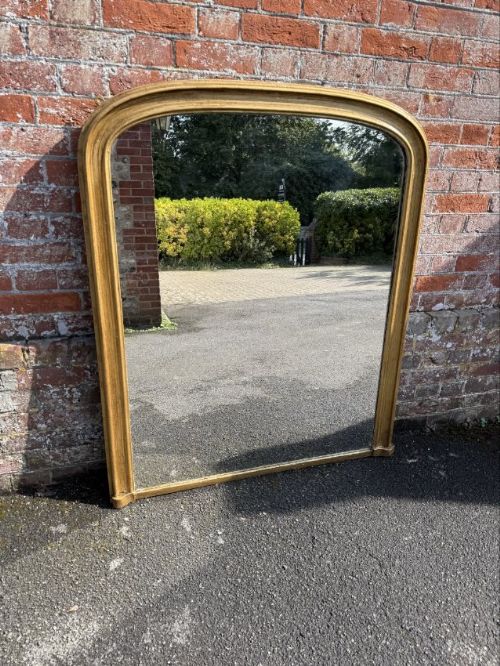
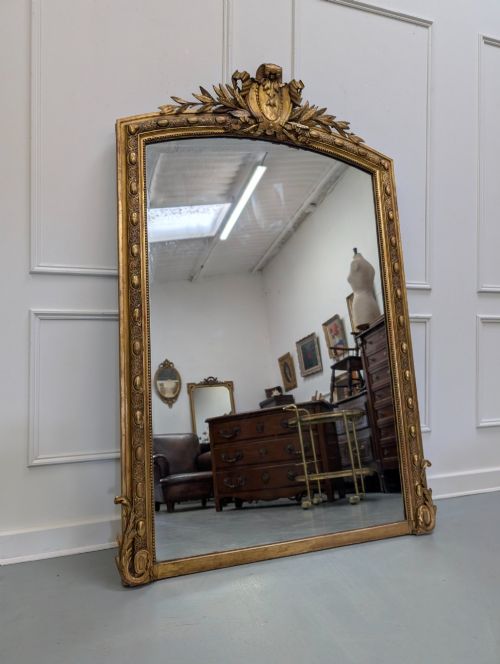
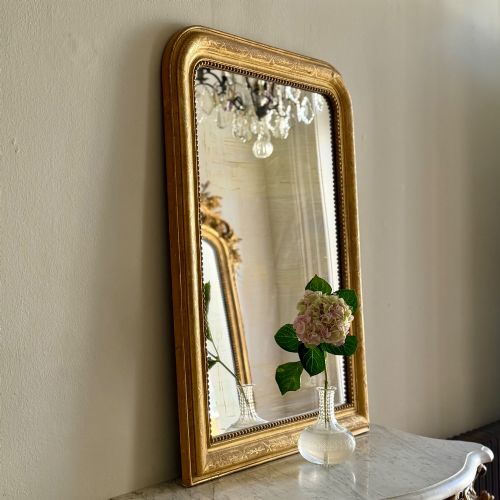
English examples frequently feature arched tops, carved wood and gesso, and hour glass ribbed frames, while French pieces introduce Louis Philippe styles, pastoral oil paintings, and tall proportions. These items function as focal points in period interiors, reflecting light through large expanses of mirror glass.
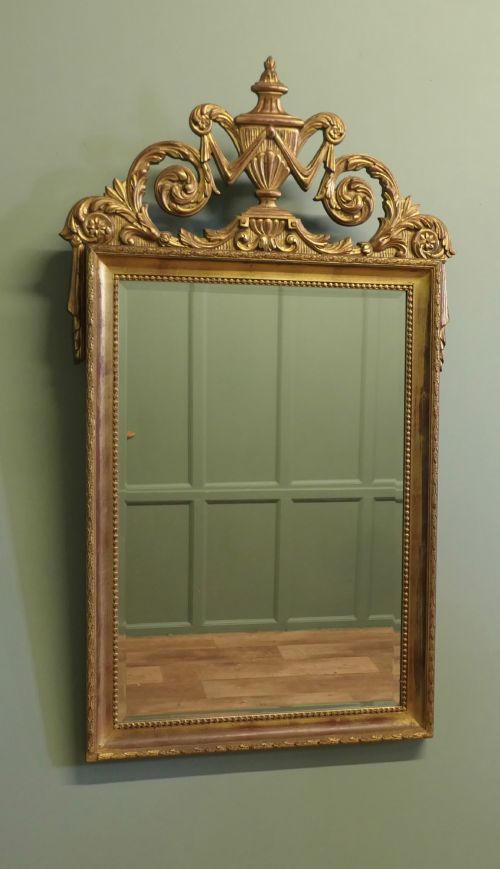
Wall mirrors and overmantel mirrors appear in various formats, from straightforward rectangular frames to waisted designs with carved pediments. The nineteenth century overmantel category also embraces parcel gilt oval cushions, triple plate mirrors, and Chinese Chippendale influences.
How they were made
Maker workshops built these frames using timber such as oak, walnut, and mahogany, often applying gesso and composition ornaments over carved wood bases. Gilding was achieved with gold leaf and burnished finishes, alongside painted wood surfaces and parcel gilt details.
Glass production relied on heavy mirror glass plates, including mercury glass on early pieces and verre eglomise panels. Frames utilised corner blocks, applied acanthus leaf decoration, lion masks, and floral motifs to articulate the distinct French and English styles.
Nineteenth Century Overmantel Retail Price Guide 2026
Typical asking prices for nineteenth century overmantel among the pieces listed under this phrase on Sellingantiques today, from the lower quarter to the upper quarter. They describe what is for sale here now, not the wider market.
Listings feature 19th Century, Victorian, Regency, and Louis Philippe styles created from giltwood, gesso, composition, and mirror glass.
What varies in quality
Quality rests in the crispness of the carved wood and gesso ornament, where hand-carved depth differs from repetitive composition mouldings. The articulation of details like acanthus leaves and lion masks reveals the hand of the maker.
The integrity of the surface finish separates examples, distinguishing original burnished gold leaf from later interventions. Original mirror glass plates and balanced proportions contribute to the standing of a nineteenth century overmantel.
The Nineteenth Century Overmantel Glossary
- Overmantel mirror
- A large mirror specifically proportioned to hang or stand on the mantelpiece above a fireplace. These frames often match the width of the fireplace surround.
- Gesso
- A plaster-like mixture applied to wood frames to create a smooth surface for gilding or to receive low-relief mouldings. It allows for intricate decorative detail.
- Trumeau mirror
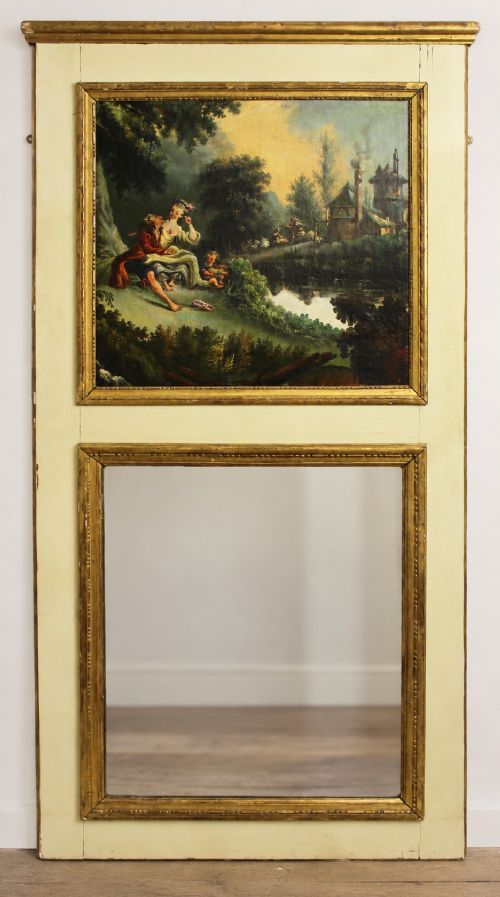
- A tall wall mirror incorporating a painted panel or oil painting above the glass plate. Originating in French interior design, these pieces often feature pastoral scenes.
- Verre eglomise
- A technique where designs are cold-painted and gilded on the rear face of glass. This creates a mirrored silhouette effect often seen in Regency pieces.
- Composition
- A mouldable mixture of whiting, resin, glue, and linseed oil pressed into decorative motifs. It was applied to wooden frames as a faster alternative to hand carving.
Nineteenth Century Overmantel: Frequently Asked Questions
Where should an overmantel mirror hang?
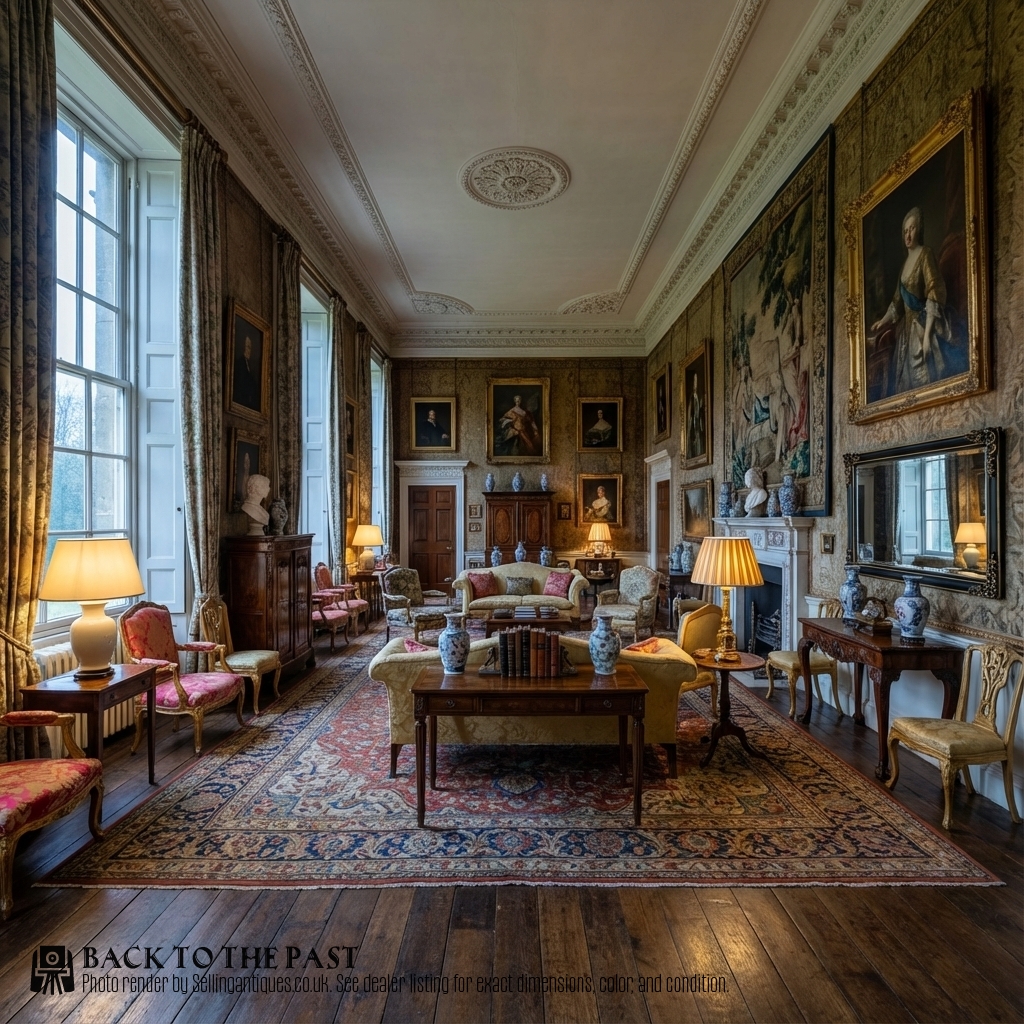
These mirrors traditionally sit directly on the mantelpiece shelf above a fireplace, anchoring the vertical space of the chimney breast. They also function successfully on large expanse walls as pier mirrors.
The height of the ceiling and the width of the fireplace dictate the placement, ensuring the scale of the frame matches the surrounding architecture.
How do I identify a French nineteenth century mirror?
French pieces often display Louis Philippe rounded top corners, taller proportions, or painted trumeau panels featuring pastoral scenes. The frames frequently utilise soft giltwood or painted wood.
English equivalents tend toward arched tops, heavier gesso carved decoration, and distinct architectural pediments associated with Victorian and Regency designs.
What is mercury glass?
Mercury glass refers to older mirror plates silvered with a liquid mercury amalgam rather than modern chemical solutions. This technique produces a characteristic mottled reflection.
Such glass appears frequently on early nineteenth century pieces and contributes to the historic appearance of the mirror.
Can these mirrors be hung on a wall?
Many overmantel mirrors are heavy architectural objects designed to rest on a mantelpiece while secured to the wall for stability. Heavy gilded wood and gesso frames require appropriate fixings.
Wall mounting is possible provided the weight is distributed properly into structural wall studs or masonry.