




Nineteenth Century Inlaid Table
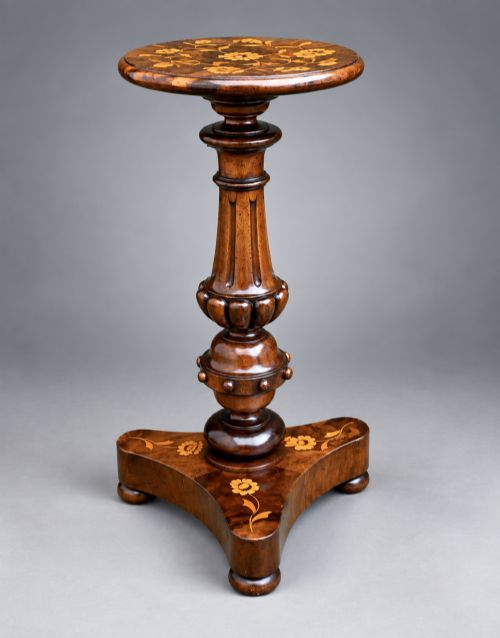
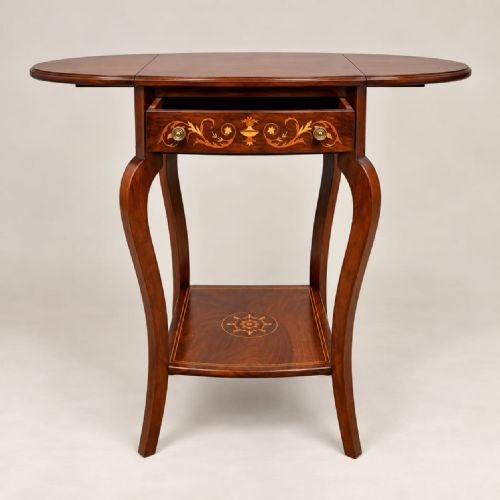
A nineteenth century inlaid table brings together period craftsmanship and contrasting woods, offering a functional surface with decorative marquetry.
Nineteenth Century Inlaid Table
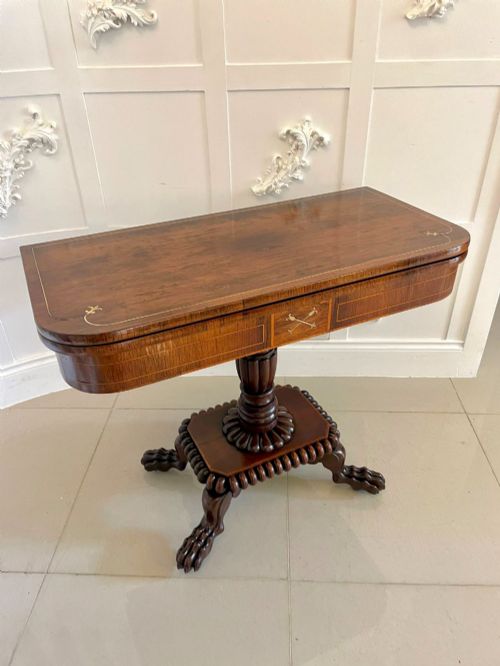
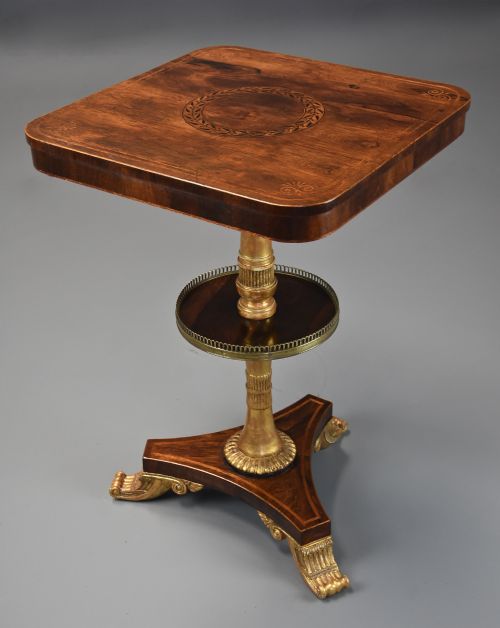
A nineteenth century inlaid table encompasses a variety of forms designed for specific rooms and daily uses, ranging from card and games tables to occasional and side tables. These pieces frequently appear in rosewood, mahogany, or walnut, displaying decorative surface work from the Regency and Victorian eras.
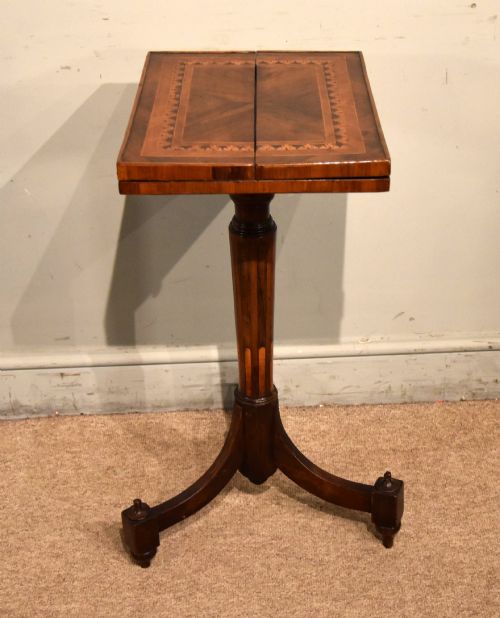
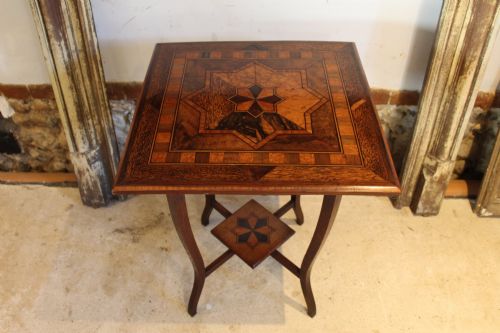
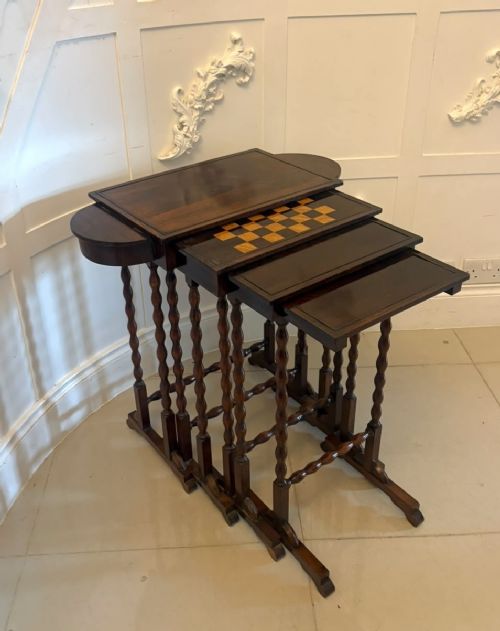
The most common examples on this page are occasional and card tables featuring geometric or floral motifs set into the timber. Buyers encounter surfaces finished with contrasting veneers such as satinwood or lemon wood, reflecting the stylistic shifts of the nineteenth century.
Materials and Techniques
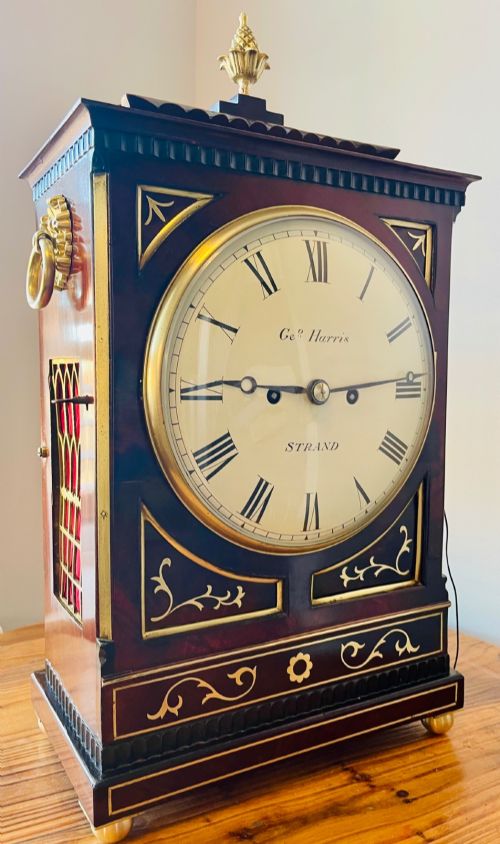
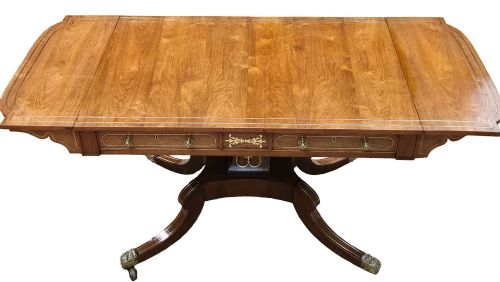
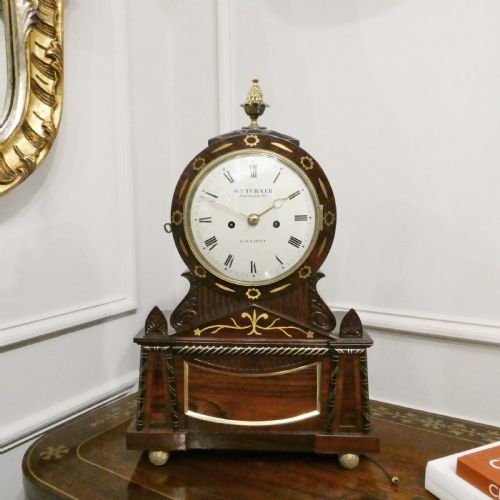
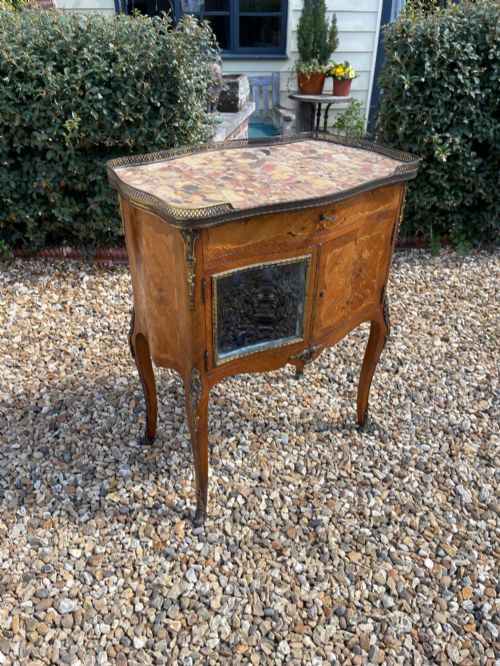
Cabinet makers utilised dense hardwoods like mahogany and rosewood as a foundation, applying contrasting veneers of satinwood, olive, and lemon wood for decorative impact. Brass and ormolu mounts frequently complement the timber surface, secured alongside intricate marquetry and parquetry patterns.
Inlaid elements were meticulously hand-cut and fitted into recessed channels within the primary wood grain. This technique required precise carpentry to ensure the contrasting materials sat flush across the tabletop and borders.
Some tables double as chess boards, proving that nineteenth century furniture makers appreciated a quick game.
Markers of Quality
Quality rests in the precision of the veneer work and the integrity of the underlying timber framework. Superior examples display tight, seamless joints where the inlaid motifs meet the surrounding wood, with no lifting or shrinkage in the decorative elements.
The selection of secondary timbers and the refinement of brass or ormolu mounts distinguish finer workshop output. Well-executed marquetry maintains sharp definition in its floral or geometric lines, showing deliberate contrast in the chosen woods.
George Bullock·Turner of London·Seller of Reading·H Mitchell
The Nineteenth Century Inlaid Table Glossary
- Marquetry
- Decorative patterns formed by fitting together thin slices of wood veneer onto a structural surface. This technique creates pictorial or geometric designs across tabletops.
- Parquetry
- Geometric mosaic woodwork arranged in regular patterns such as cubes or stripes. It forms durable and decorative surfaces on furniture tops.
- Ormolu
- Gilded bronze mounts applied to furniture for decorative accent. Workshops used these cast metal details to frame wood panels and corners.
- Crossbanding
- A border of veneer laid around the perimeter of a tabletop with the grain running perpendicular to the centre panel. This frames the primary timber.
- Regency
- An English design style spanning the early nineteenth century characterised by classical revival motifs and dark woods. Pieces often incorporate brass inlay.
Nineteenth Century Inlaid Table: Frequently Asked Questions
What were nineteenth century inlaid tables used for?
These tables served various social and domestic functions in the home, acting as surfaces for tea, card games, or reading.
Specific forms like games tables featured folding tops and integrated boards, while occasional tables held lamps and decorative objects.
How do I identify a Regency table?
Regency tables typically employ dark tropical hardwoods like rosewood or mahogany, often accented with brass stringing or inlaid motifs.
They draw inspiration from classical antiquity, presenting clean structural lines and restrained classical ornamentation.
How should I care for an inlaid tabletop?
Protect the polished wood and delicate veneers by keeping the table away from direct sunlight and sudden temperature changes.
Apply occasional wax polish suitable for antique furniture to maintain the moisture and sheen of the timber.
What is the difference between marquetry and parquetry?
Marquetry involves cutting varied wood veneers into pictorial or floral shapes to create decorative surface pictures.
Parquetry uses geometric shapes arranged in repeating patterns to form abstract designs like cubes or chequers.