


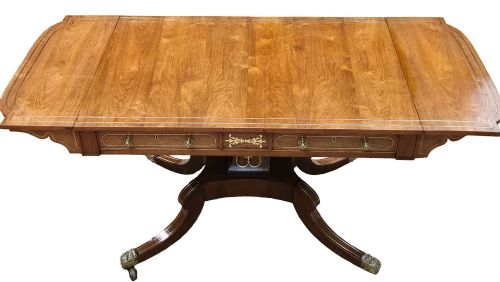
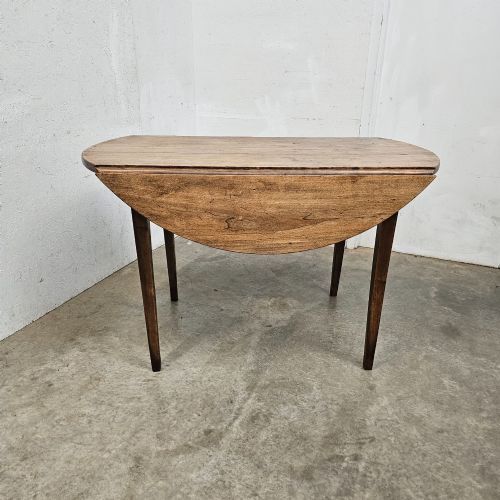
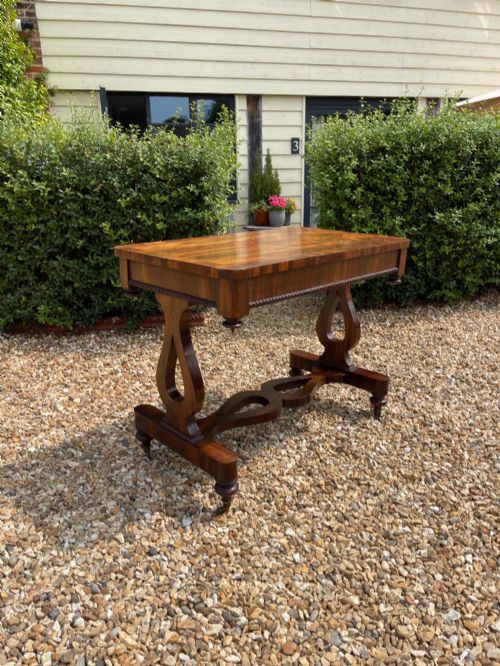
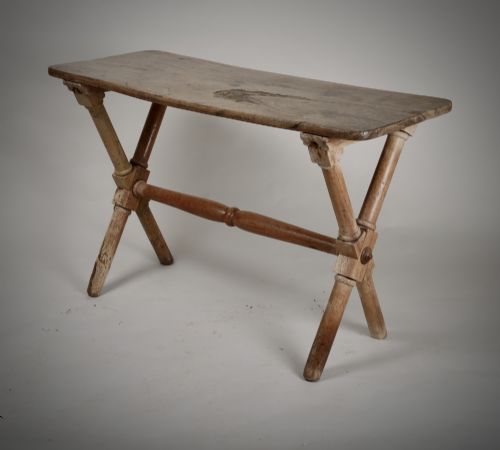
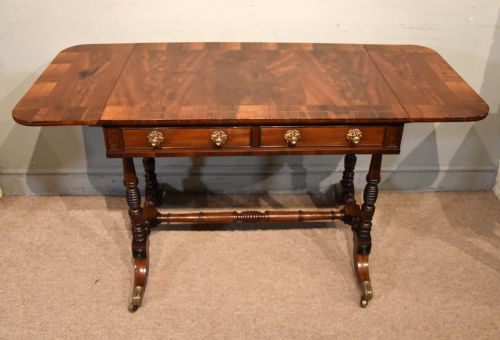
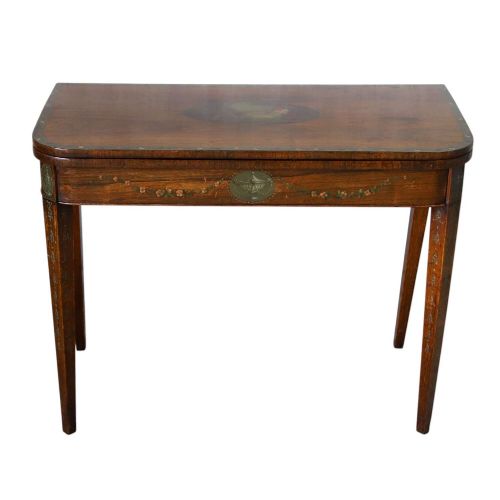
Nineteenth Century Console Table
A nineteenth century console table brings classical proportion and striking timber to a hallway or drawing room.

Nineteenth Century Console Table
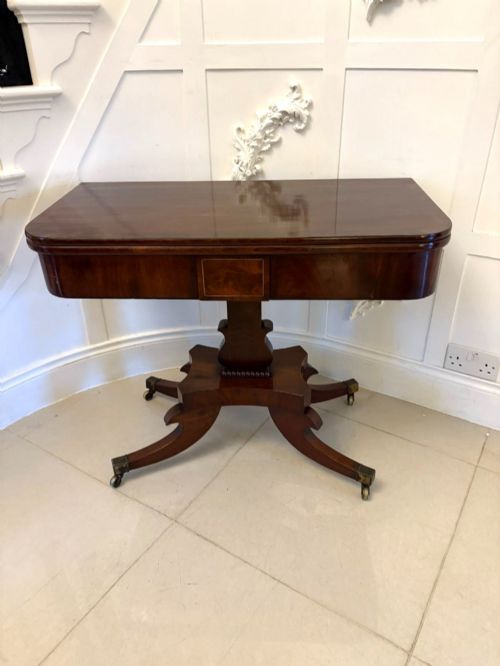
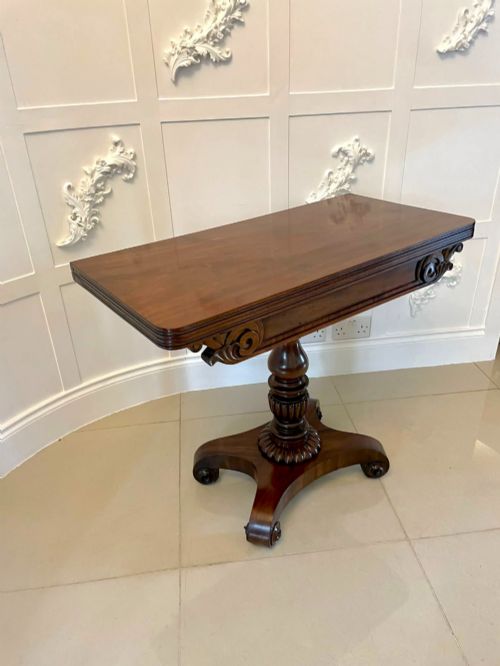
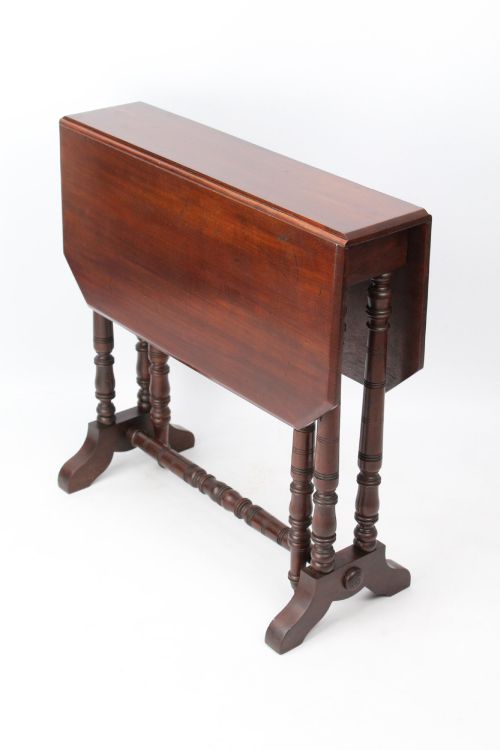
A nineteenth century console table typically presents a long, narrow surface designed to stand flat against a wall, often accompanied by matching side, card, and tea tables from the Regency and Victorian periods.
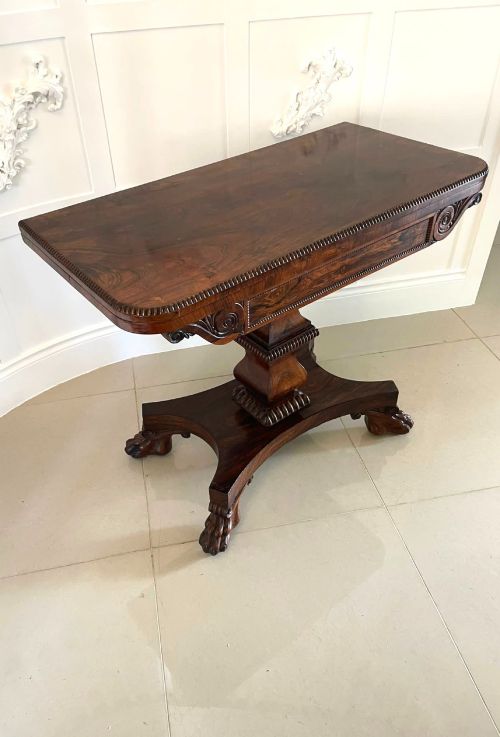
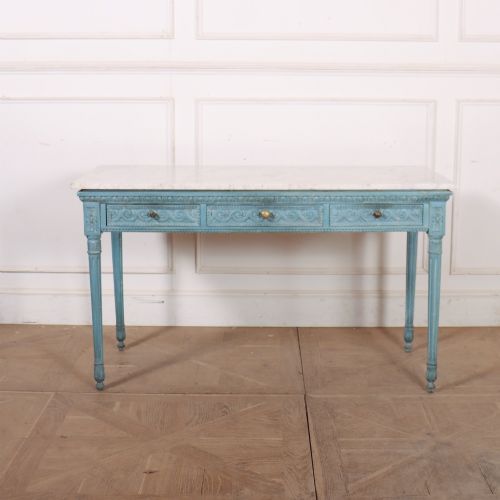
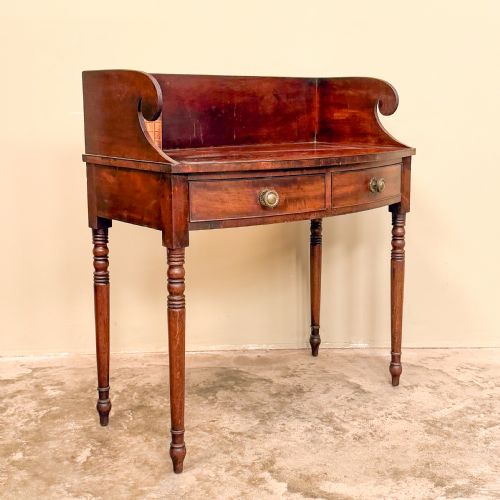
The selection ranges from grand French Empire walnut pieces with marble tops to English mahogany and rosewood designs reflecting the Regency and William IV eras.
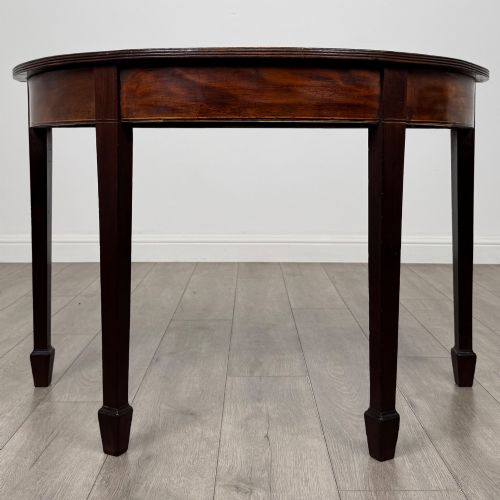
Makers utilised versatile timber frames alongside specialised forms like demilune side pieces and pier tables, accommodating both formal reception rooms and intimate domestic spaces.
Materials and Construction
Cabinetmakers constructed these tables using dense hardwoods such as mahogany, rosewood, walnut, and oak, frequently adding figured veneers and crossbanding to enhance the visual depth of the timber.
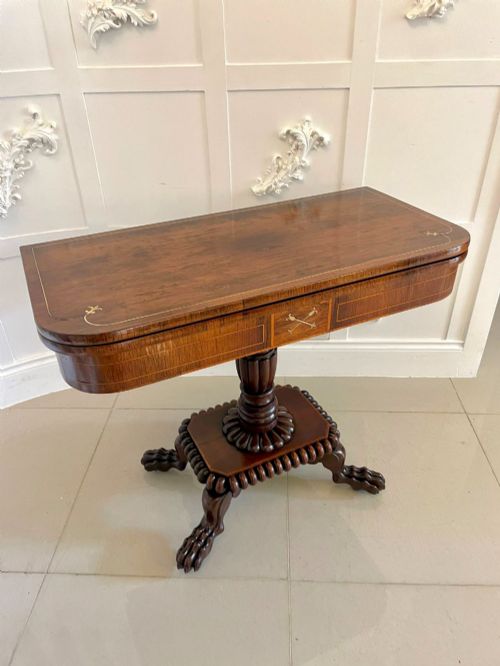
Metalwork played a defining structural and decorative role, with brass inlay, gilt bronze ormolu mounts, and brass lion paw feet integrated into the design.
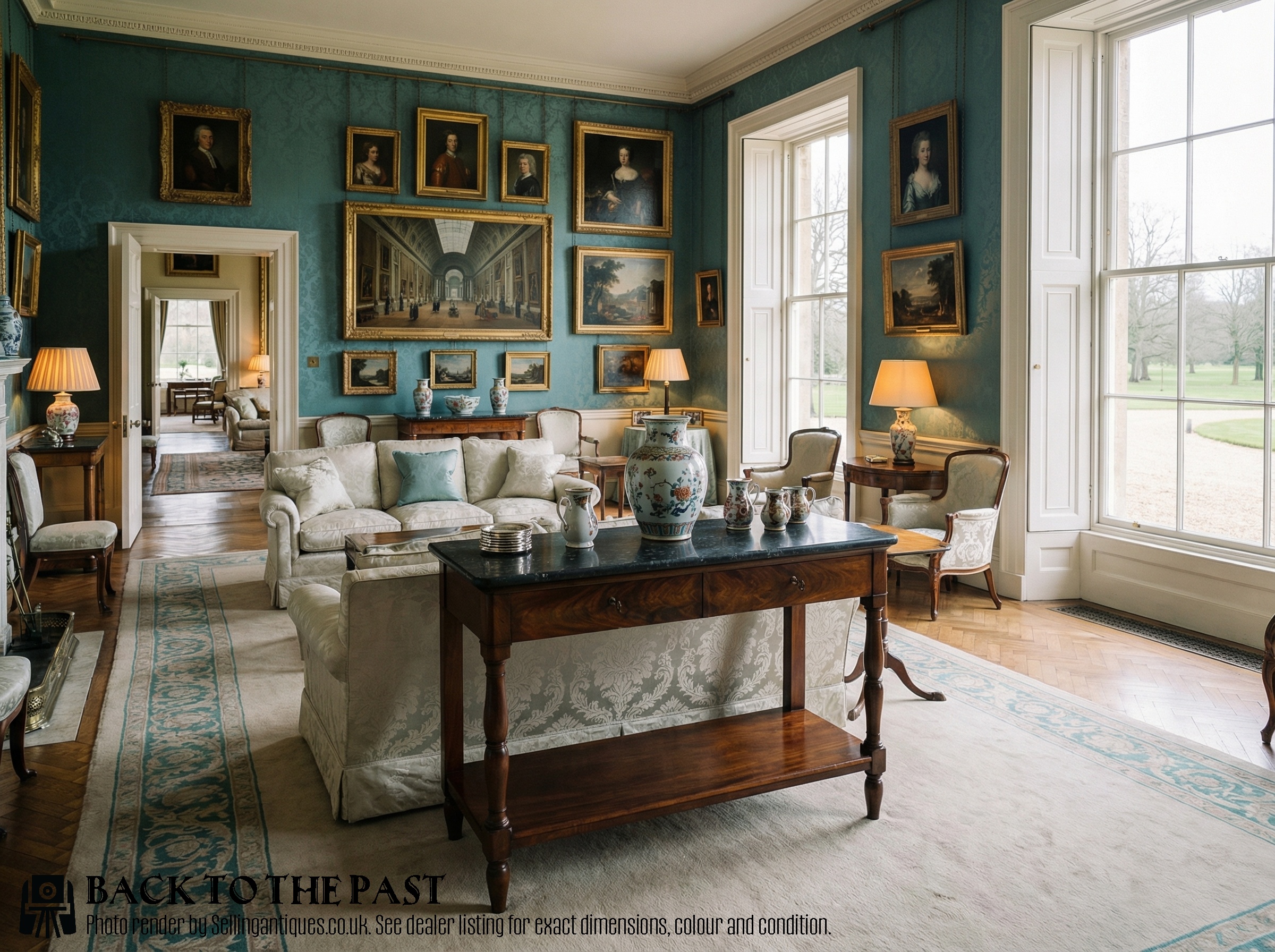
Many classical and continental examples feature heavy white Carrara marble slabs fitted directly to carved, gilded, or parcel-gilt wooden bases.
Nineteenth Century Console Table Retail Price Guide 2026
Typical asking prices for nineteenth century console table among the pieces listed under this phrase on Sellingantiques today, from the lower quarter to the upper quarter. They describe what is for sale here now, not the wider market.
At least one nineteenth century workbench comes complete with a clamping bar, ready for serious woodwork.
Judging Quality and Execution
The distinction between standard production and top-tier workshop output lies in the crispness of hand carving, the choice of figured timber, and the precision of brass inlay.
Superior examples exhibit seamless joinery in the frame and well-balanced proportions that integrate ornamentation without crowding the silhouette of the piece.
George Bullock·François Linke·James Mein·William Trotter
The Nineteenth Century Console Table Glossary
- Console table
- A table designed to stand against a wall, frequently secured with brackets or resting on front legs. These pieces anchor hallway spaces and display decorative objects.
- Ormolu
- Gilded bronze mounts applied to furniture. This French technique adds metallic contrast to dark woods like rosewood and mahogany.
- Crossbanding
- A narrow strip of veneer laid across the grain of the primary timber. It frames the tabletop and highlights the carpenter's precision.
- Demilune
- A half-moon shape used for tabletops and sideboards. This curved form fits neatly into smaller corners and narrow passages.
- Parquetry
- Geometric wood inlay patterns forming decorative surfaces. It demonstrates advanced woodworking skill.
Nineteenth Century Console Table: Frequently Asked Questions
Where should a nineteenth century console table go?
These tables suit hallways, entryways, and drawing rooms where floor space is limited. Their shallow depth allows them to stand against walls without obstructing pathways.
They pair well with wall mirrors or artwork, serving as a functional surface for decorative items or correspondence.
How do I care for polished mahogany or rosewood?
Keep wooden surfaces away from direct sunlight and strong heat sources to prevent the finish from drying out. Regular dusting with a soft, dry cloth preserves the natural sheen.
Apply a traditional beeswax polish sparingly when the wood appears dry, rubbing it gently in the direction of the grain.
How can I tell Regency from Victorian tables?
Regency tables generally display clean classical lines, brass inlay, and restrained mahogany or rosewood surfaces inspired by ancient Greek and Roman forms. They date from the early part of the century.
Victorian pieces often feature heavier proportions, darker walnut or mahogany timbers, and elaborate carvings like barley twist legs or bold scrollwork.
Did these tables always have marble tops?
While French and Italian examples frequently incorporated white Carrara marble slabs to resist stains and add weight, many English tables utilised solid or veneered timber tops.
Marble-topped versions were typically chosen for formal salons and dining spaces where damp objects or serving dishes might touch the surface.