


Carved Wood Dressing Table
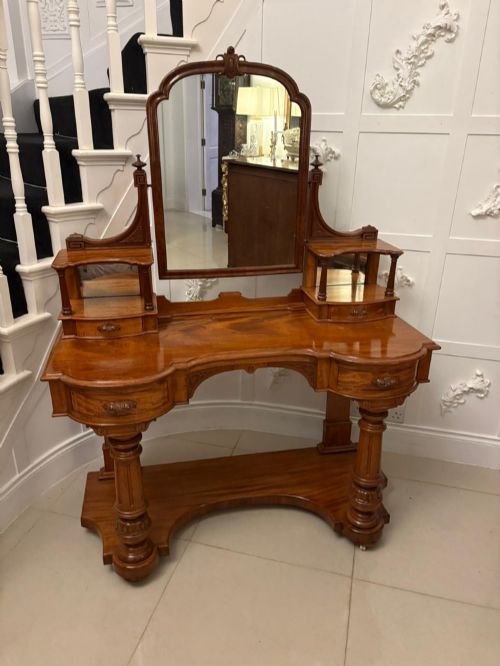
A carved wood dressing table brings functional elegance to a bedroom, offering rich timber grain and traditional craftsmanship.
Carved Wood Dressing Table
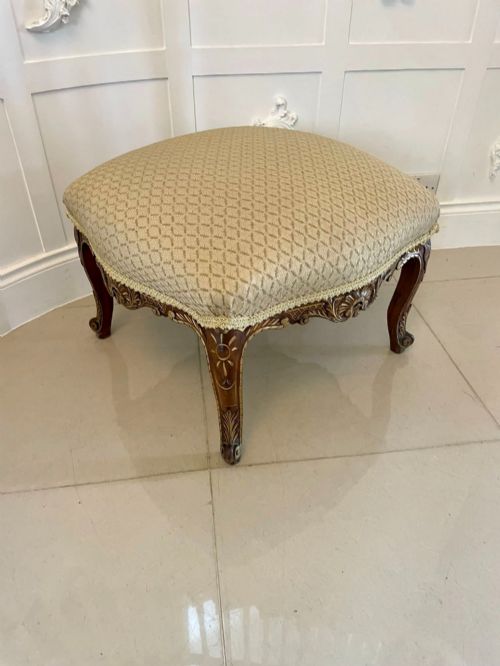
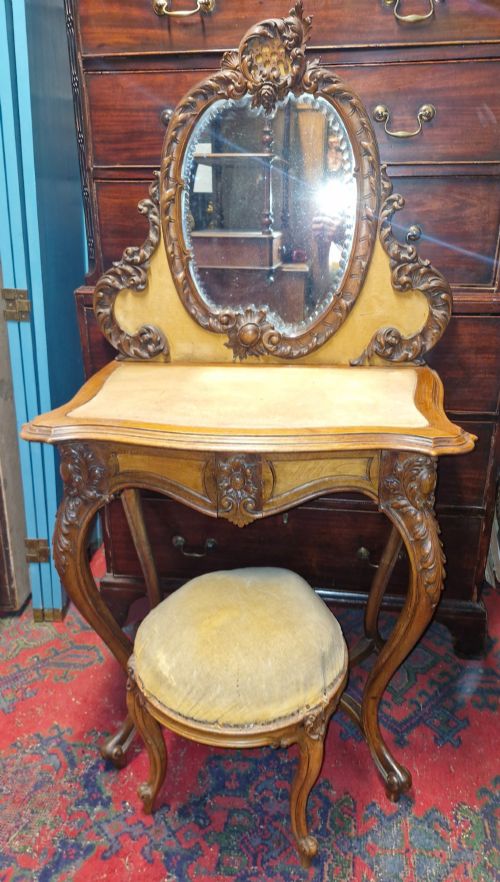
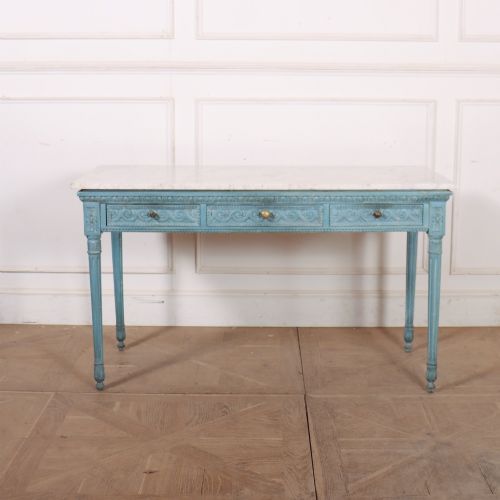
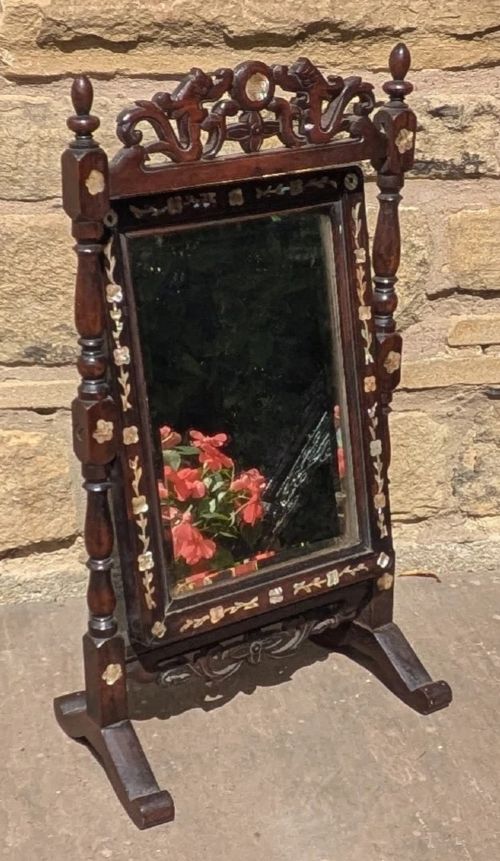
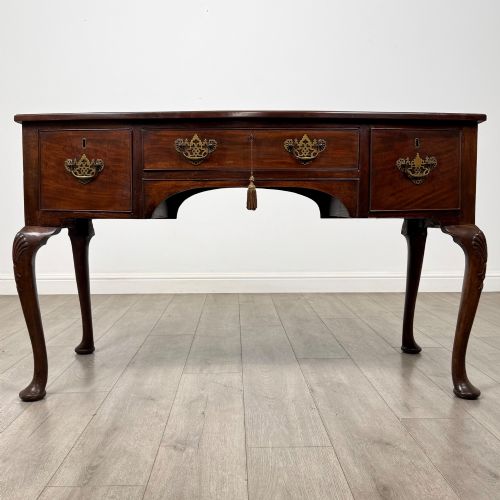
A carved wood dressing table serves as a dedicated space for grooming and preparation, frequently appearing alongside matching mirrors or stools in the bedroom. The pieces on this page span the Victorian and Edwardian eras, alongside earlier Georgian influences and later twentieth-century interpretations.
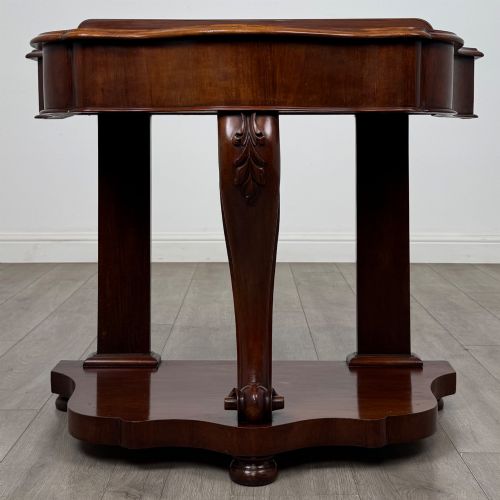
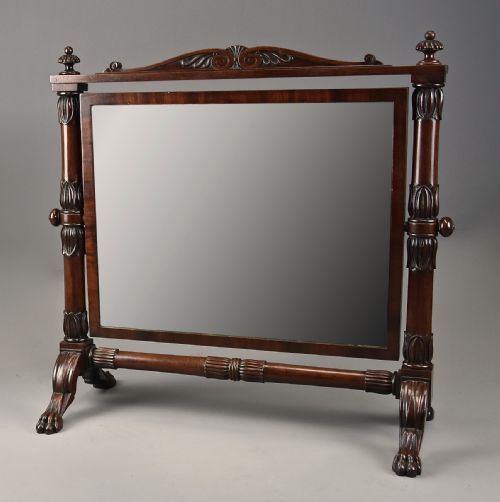
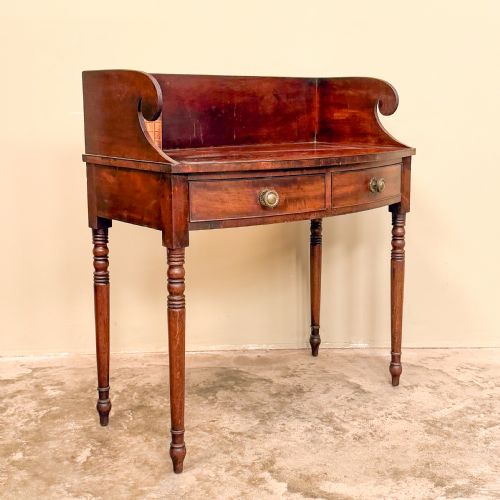
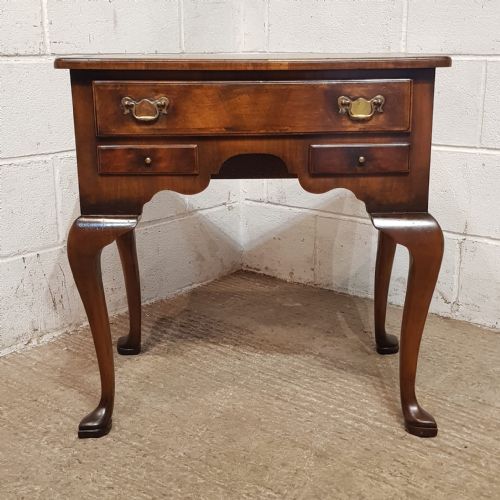
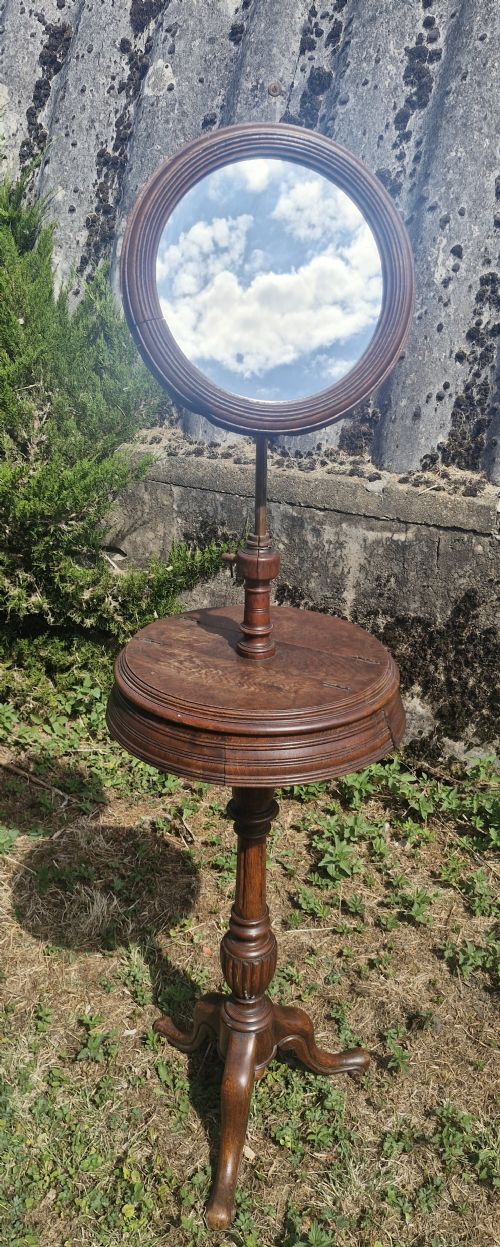
Most examples emerge in solid mahogany, walnut, or oak, often displaying specific regional characteristics like cabriole legs or serpentine fronts. Buyers will also encounter related forms such as lowboys, washstands, and cheval mirrors sharing the same carved vocabulary.
The style ranges from restrained Georgian proportions to exuberant Victorian Gothic Revival, Rococo Revival, and Queen Anne Revival ornamentation. Each iteration reflects the prevailing interior tastes of its specific decade, from the mid-nineteenth century onward.
Materials and construction
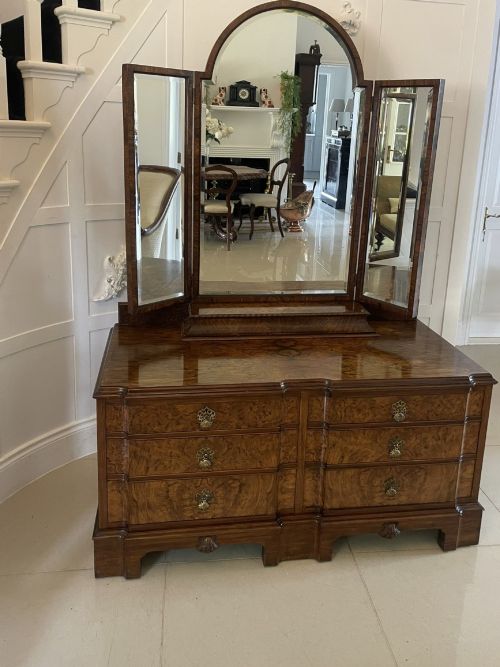
Cabinetmakers relied heavily on dense hardwoods such as mahogany, walnut, and oak to provide a stable foundation for intricate hand-carved details. Burr walnut and flame mahogany veneers frequently face drawer fronts and tabletops to showcase complex, figured grain patterns.
Secondary timbers like pine or elm often form the internal drawer linings and carcass structures, joined using traditional dovetails. Accents in brass hardware, glass mirrors, and occasional fabric or leather inserts complete the composition of these vanity pieces.
The listings on this page span the 17th through the 20th centuries, utilising mahogany, walnut, oak, and elm alongside brass and glass.
What separates the finest examples
The depth, sharpness, and fluidity of the hand-carving dictate the artistic merit of a piece, separating utilitarian work from master craftsmanship. Crisp relief work on drawer rails, legs, and mirror frames indicates a workshop of higher standing.
Timber selection and veneer matching also govern worth, as symmetrical grain alignment across multiple drawers requires immense skill. Original surface patination and intact structural joinery preserve the integrity that collectors prize above later alterations.
P and MA Nicholson·Waring and Gillows·Cesar Bagard
The Carved Wood Dressing Table Glossary
- Lowboy
- A small dressing table or side table featuring one or more rows of drawers, typically raised on slender legs.
- Cheval mirror
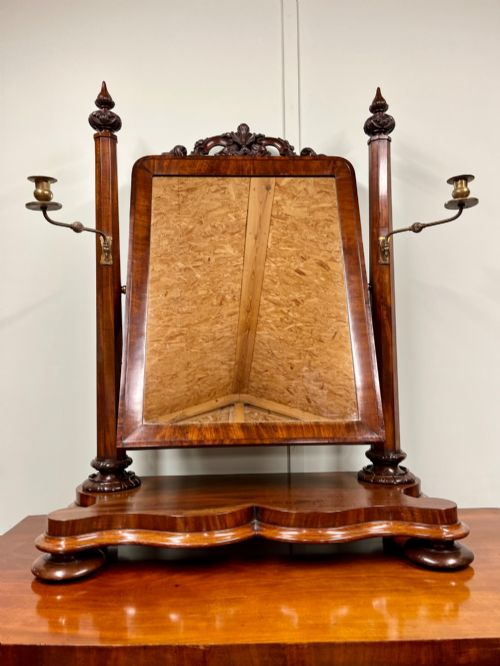
- A full-length dressing mirror suspended in a frame that allows it to swing at various angles.
- Cabriole leg
- A furniture leg that curves outward in a convex arc and tapers inward in a concave arc, ending in a distinct foot.
- Serpentine front
- A furniture facade shaped with a central convex curve flanked by two concave curves.
- Cross stretcher
- An X-shaped wooden brace connecting the legs of a table or stool for added stability.
Carved Wood Dressing Table: Frequently Asked Questions
What is a carved wood dressing table used for?
These pieces function primarily as designated stations for personal grooming, writing, and displaying table mirrors. They provide convenient surface space and drawer storage for daily essentials.
Historically, they occupied prominent positions in bedrooms and boudoirs, often paired with matching stools or washstands for a cohesive suite.
How do I date a carved wood dressing table?
Dating relies on observing the primary timber, hardware, construction joints, and decorative style. For instance, heavy mahogany and burr walnut typically point toward Victorian or Edwardian periods, while lighter oak often connects to earlier Georgian or revival styles.
Examing drawer construction methods, such as hand-cut versus machine-cut dovetails, offers further clues regarding the manufacturing era.
Can I use a lowboy as a dressing table?
A lowboy serves admirably as a compact dressing table, particularly in smaller bedrooms where full-scale vanities overwhelm the floor plan. Its proportions allow it to double as a writing desk or a hallway console.
Pairing a lowboy with a small stool or table mirror replicates the traditional vanity setup without requiring excessive space.
How do I care for antique polished wood?
Maintain polished timber surfaces by dusting regularly with a soft, dry cloth and avoiding silicone-based sprays that build up over time. Keep pieces away from direct sunlight and heat sources to prevent the wood and veneer from drying out or cracking.
Occasional application of traditional beeswax helps nourish the grain and preserve the historic patina of the finish.