

Neoclassical Carved Urn
These neoclassical carved urn pieces bring classical proportions and decorative presence to a room, drawing on centuries of revival design.
Neoclassical Carved Urn
A neoclassical carved urn combines classical antiquity with decorative utility, appearing across lighting, vessels, and architectural ornaments. These items originate from periods spanning the eighteenth through the early twentieth centuries, encompassing Georgian craftsmanship and later revivals.
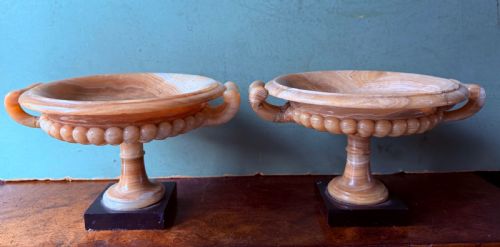
Buyers encounter table lamps, tazza urns, and decorative lidded vessels fashioned from stone, wood, and metal. The selection includes Grand Tour souvenirs alongside Adam and French neoclassical revivals.
The form derives from ancient vessels utilised for storage or ritual, translated into interior furnishings by makers working in wood, marble, and alabaster.
How they were made
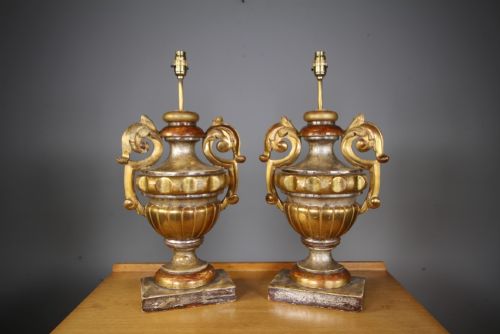
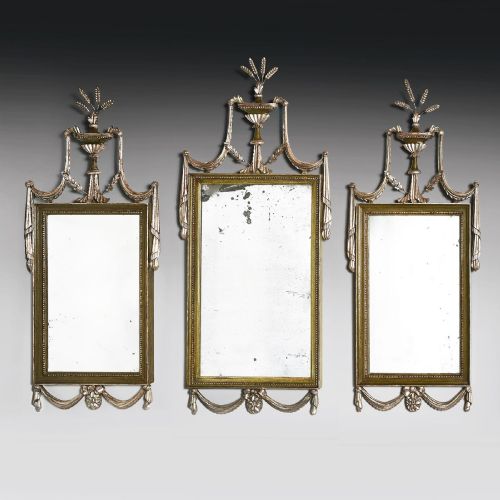
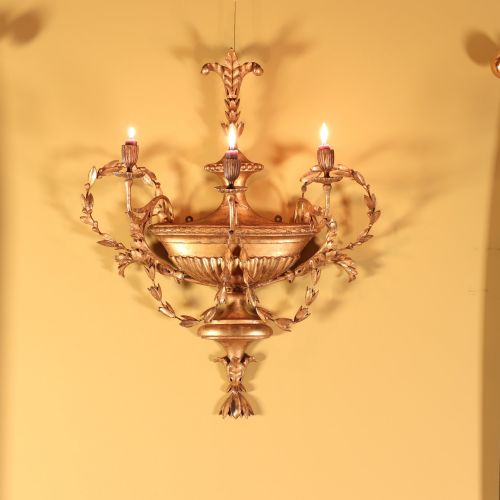
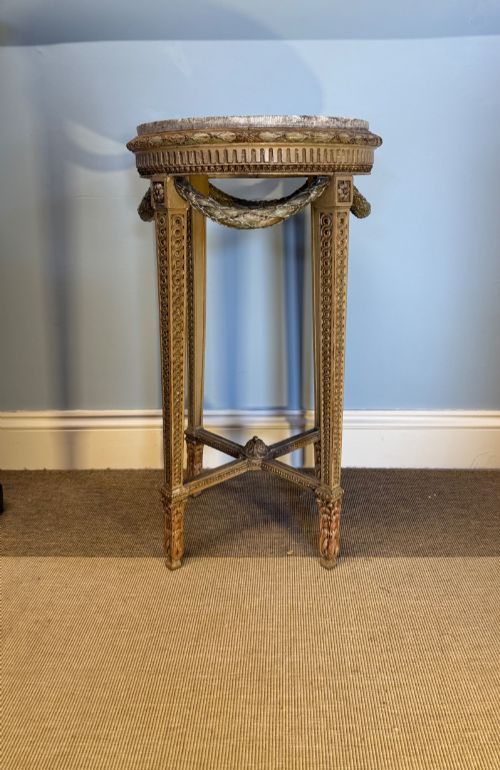
Carved timber pieces rely on pine, mahogany, and walnut substrates finished with gesso and giltwood applications. Artisans chiselled intricate classical motifs directly into the wood before applying gold leaf or paint.
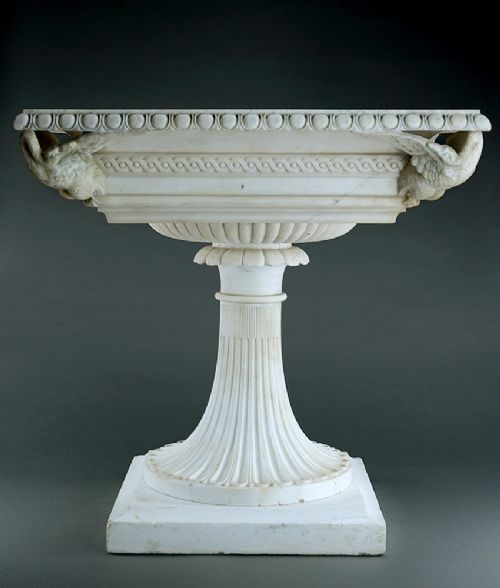
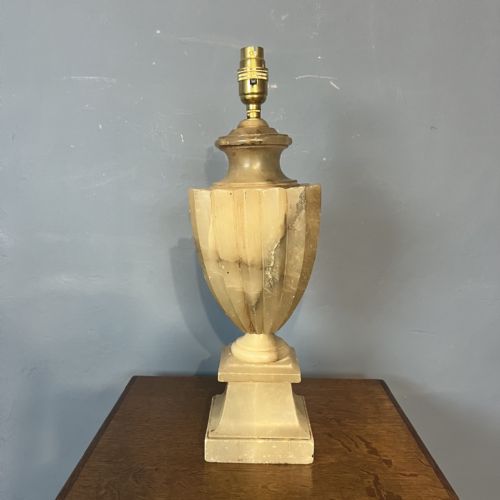
Stone versions employ alabaster, cast stone, and various marbles, including rosso antico and alabastro egiziano. These materials were turned on lathes or hand-carved to achieve smooth contours and classical proportions.
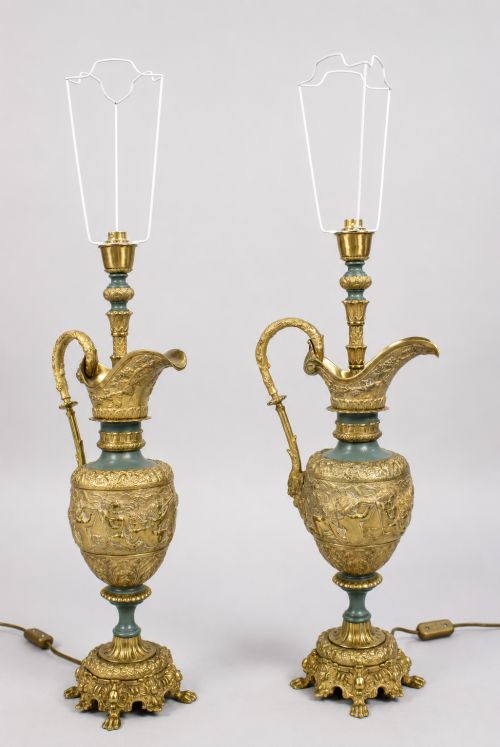
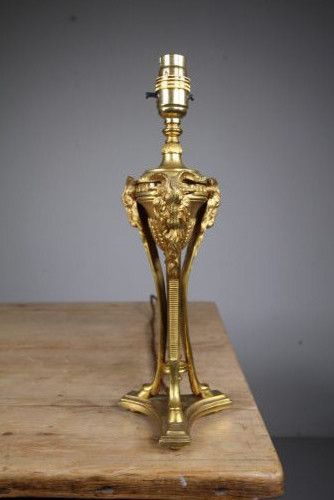
Metal components incorporate cast bronze, ormolu, brass, and gilt metal, often combined with stone bases to create substantial table lamps and decorative objects.
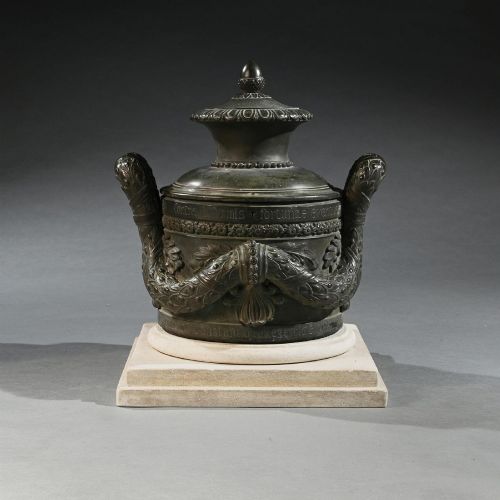
One exceptional vessel bears a Latin inscription and potential maritime ties, proving that even decorative urns occasionally harbour a secret language.
What varies in quality
The precision of the carving distinguishes superior examples from simpler production, particularly in the crispness of acanthus leaves, rams' heads, and classical drapery. Hand-carved wooden details and finely turned marble demonstrate greater artisan skill than cast equivalents.
The integration of materials dictates the visual success of an object, such as how cleanly giltwood meets gesso or how seamlessly marble components fit together. Gradations in the figuring of the stone and the warmth of the original gilding separate standard items from exceptional survivals.
Gillows Of Lancaster·Benedetto Boschetti
The Neoclassical Carved Urn Glossary
- Giltwood
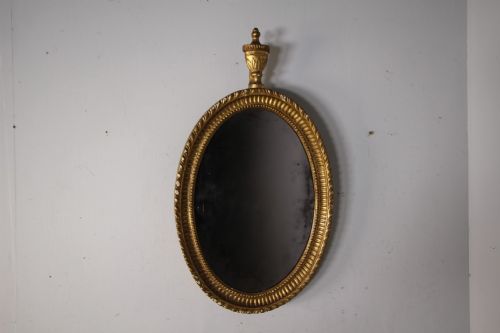
- Wood that has been coated with gold leaf over a prepared surface. This finish provides the bright, reflective sheen seen on many neoclassical mirrors and lamp bases.
- Gesso
- A plaster-like mixture applied to wood surfaces as a base for gilding or painting. It allows craftsmen to model sharp, intricate reliefs before applying gold leaf.
- Tazza
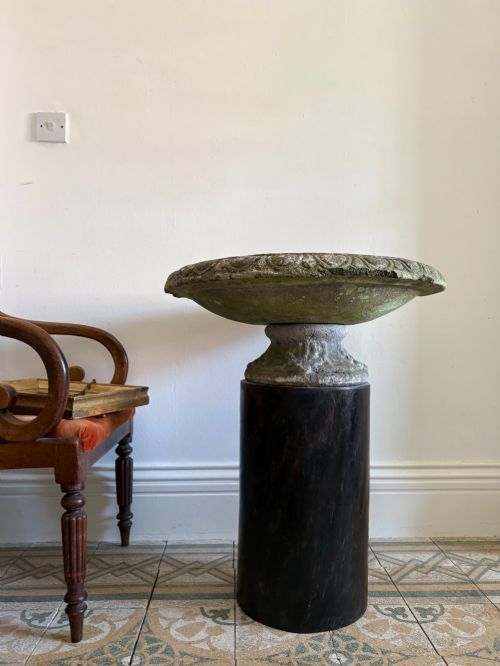
- A shallow cup or vase set on a pedestal, commonly carved from marble or alabaster. These decorative forms were popular as Grand Tour souvenirs during the nineteenth century.
- Ormolu
- Gilded bronze utilised for mounts, hardware, and decorative vessels. The technique involves applying a mercury-gold amalgam to cast bronze.
- Grand Tour
- A cultural journey across Europe undertaken by young gentry to study classical antiquities. Travellers frequently returned with souvenirs such as alabaster urns and marble models.
Neoclassical Carved Urn: Frequently Asked Questions
How do I identify a Grand Tour souvenir?
Grand Tour items typically feature high-grade stones like alabaster or rosso antico, carved as miniature architectural models or classical vessels. They reflect classical antiquities seen by travellers in Italy during the nineteenth century.
Look for authentic wear to the stone surfaces and period fastening methods beneath the base. These pieces were produced specifically to be packed and transported home by tourists.
What is the difference between Georgian and Adam style?
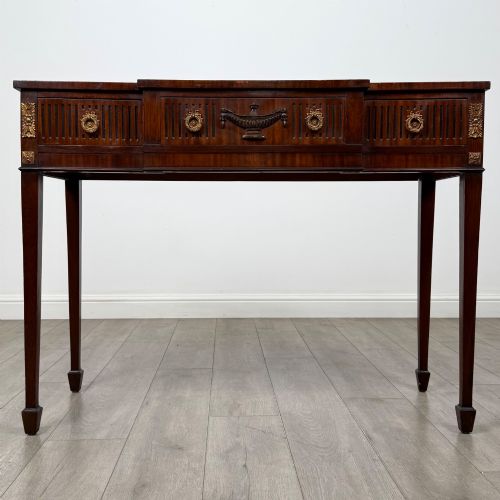
Georgian design spans the eighteenth century, encompassing robust classical proportions and heavier carved mahogany furniture. Adam style, emerging later in the period, introduces lighter, more delicate neoclassical ornamentation inspired by Robert Adam's excavations.
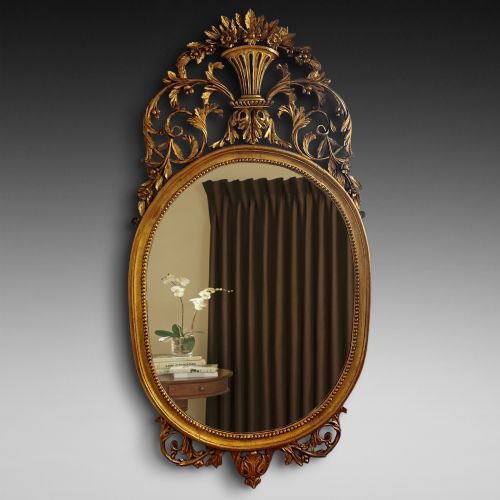
Adam pieces frequently display crisp gesso and giltwood urn motifs, swags, and paterae on mirrors and tables. The distinction lies in the refined delicacy of the later revival work.
Where should I place an alabaster lamp?
Alabaster lamps suit side tables or consoles where their translucent stone can be illuminated from within. They function best in spaces that benefit from a soft, diffused ambient glow.
Keep these lamps away from direct moisture and excessive heat to protect the porous stone structure. Regular dusting with a dry cloth maintains the polished finish.
How do I care for antique giltwood?
Antique giltwood requires gentle maintenance with a dry, soft brush to remove dust without disturbing the gold leaf. Avoid liquid cleaners and chemical sprays, which damage the underlying gesso.
Position giltwood items away from direct sunlight and fluctuating humidity to prevent the wood from warping and the gesso from cracking.