


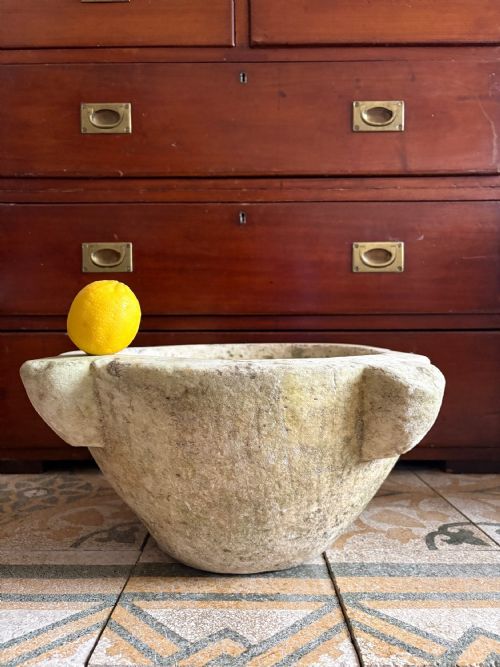


Italian Carved Urn
An italian carved urn brings the heavy classical presence of marble and bronze straight into a room from centuries of Mediterranean workshops.
Italian Carved Urn
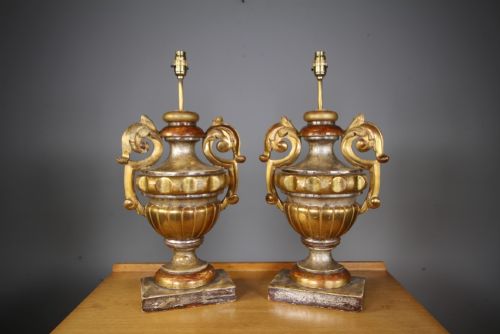
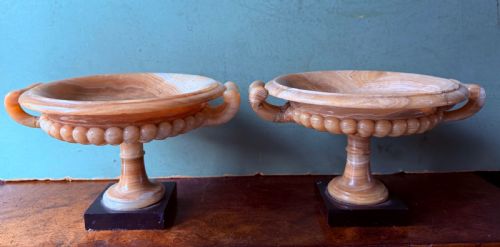
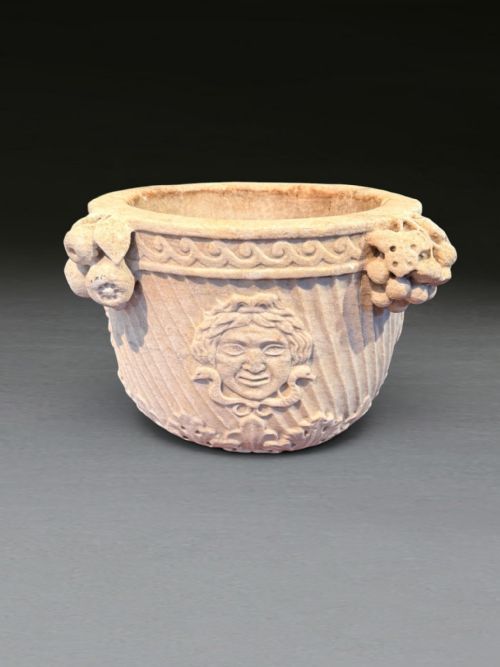
When you search for an italian carved urn, you encounter objects shaped by centuries of classical design, ranging from 16th century Renaissance pieces to Victorian Grand Tour souvenirs. These items appear as decorative vessels, table lamps, tazzas, and planters made to echo ancient ruins and classical architecture.
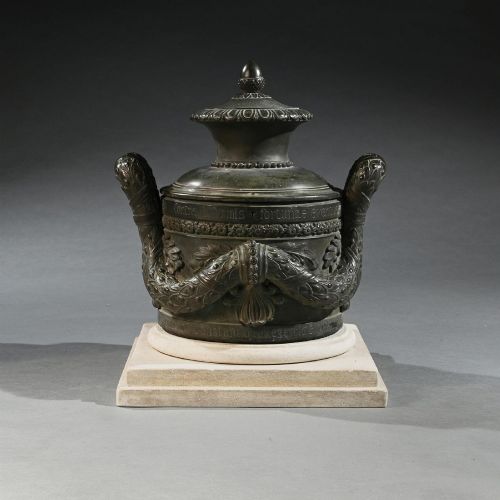
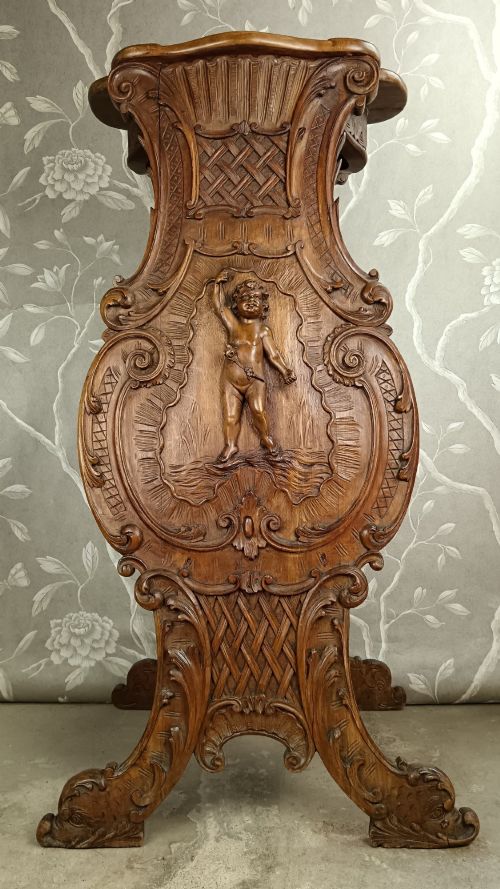
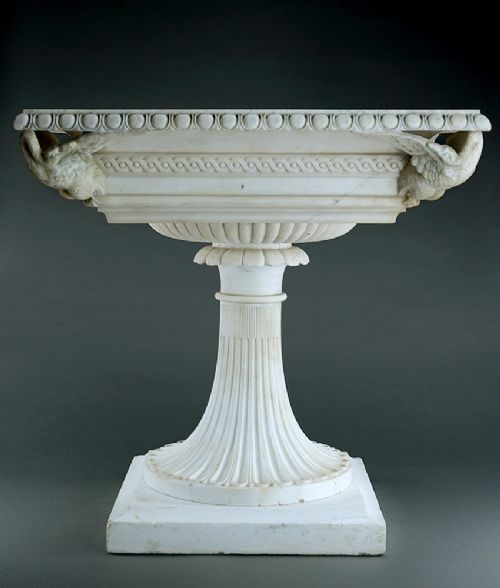
The most common examples on this page are 19th century Grand Tour souvenirs carved from alabaster or marble, alongside bronze vessels and wooden pedestals. They reflect periods spanning the 16th to the 20th century, drawing on Neoclassical, Baroque, and Renaissance revival styles.
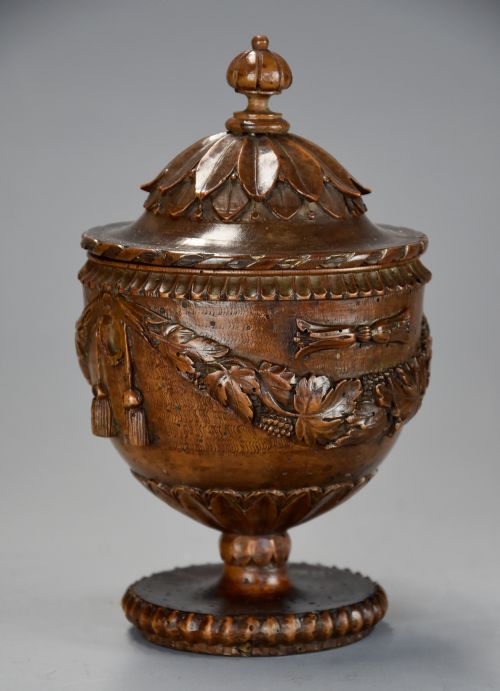
Many items take the form of campana urns, tazze on black marble bases, or lidded vessels. Their origins trace directly through Italian workshops and foreign travellers collecting classical antiquities.
How they were made
Makers shaped these pieces from heavy natural materials, predominantly marble, alabaster, bronze, and walnut. Artisans turned stone on lathes and hand-carved details into soft alabaster or dense white and coloured marbles.
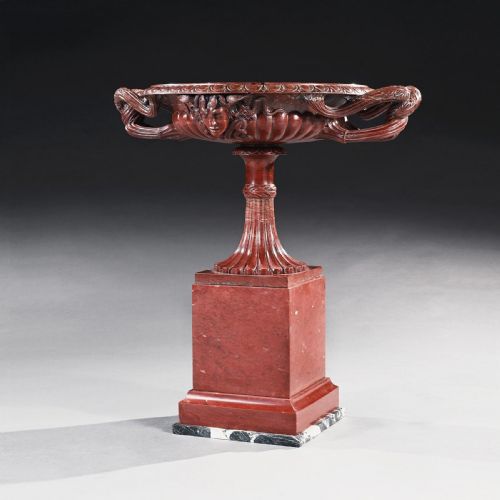
Bronze components utilised traditional casting methods to produce detailed classical ewers and locking vessels. Finish work often included gilding with gold leaf or mounting stone tazze onto contrasting black marble block bases.
Listings feature materials spanning white marble, alabaster, bronze, gold leaf, and walnut across periods from the 16th to the 20th century.
What varies in quality
The standard of carving distinguishes superior pieces from simpler souvenir items, particularly in the crispness of acanthus leaves and the depth of classical relief work. Highly-figured stones and well-matched marble varieties command greater attention than plain surfaces.
Proportion and the handling of the material dictate overall success, whether in the thin walls of an alabaster tazza or the precise patination on a cast bronze urn.
Benedetto Boschetti
The Italian Carved Urn Glossary
- Tazza
- A shallow cup or vase on a pedestal, often used as a decorative centerpiece in classical design. These vessels frequently appear in alabaster and marble.
- Grand Tour
- A cultural journey undertaken by wealthy Europeans through Italy during the 18th and 19th centuries. Souvenirs from these trips included small-scale carved stone and bronze urns.
- Campana Urn
- A bell-shaped vessel with flared rims and handles, modeled after ancient pottery and stone vases. They serve as prominent garden planters and interior decorative objects.
- Rosso Antico
- A deep red antique marble prized by sculptors for its rich colour and smooth grain. It appears often in high-status Grand Tour vases.
- Labrum
- A large stone basin or vessel derived from Roman baths. These heavy pieces demonstrate significant scale and ancient form.
Italian Carved Urn: Frequently Asked Questions
What is a Grand Tour urn?
These are souvenir items produced in Italy during the 18th and 19th centuries for travellers collecting miniature versions of classical antiquities.
Craftsmen used local materials like alabaster and marble to replicate famous ruins and museum pieces for foreign buyers.
How do I identify marble types?
Study the veining and coloration of the stone, noting distinctive shades like red rosso antico or variegated green breccia.
Italian workshops utilised specific regional quarries, helping to connect stone vessels to their geographic origins.
Where should I place a heavy stone urn?
Due to their substantial weight in marble and bronze, these pieces require sturdy tables, pedestals, or stone plinths.
Keep them away from high-traffic edges where accidental knocks might damage delicate alabaster rims.
Are these urns waterproof?
Most antique stone and alabaster vessels were created for decorative display rather than holding water or living plants.
Using them directly for flora can stain porous interior surfaces over time.