





Nautical Oil Painting Frame
When you search for a nautical oil painting frame, you are looking at maritime art housed in period wood and gilt settings that bring historic seascapes to life on your wall.
Nautical Oil Painting Frame
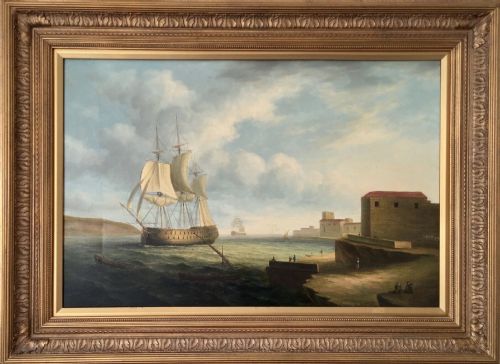
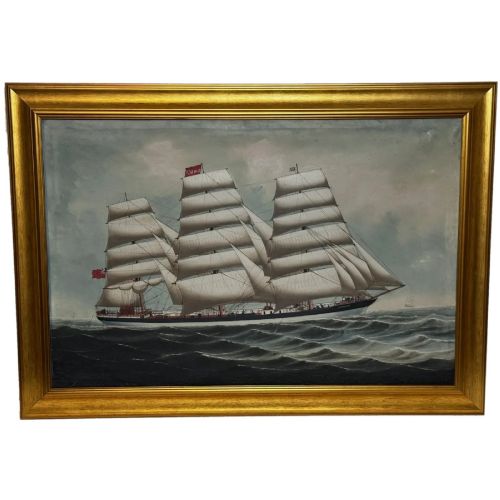
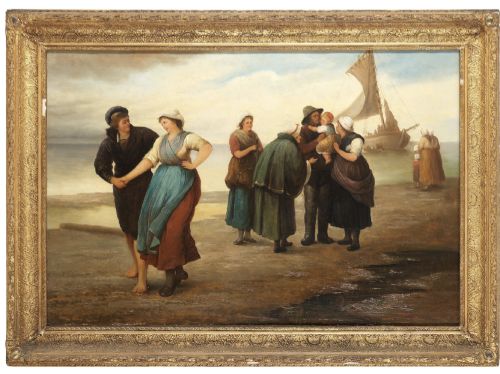
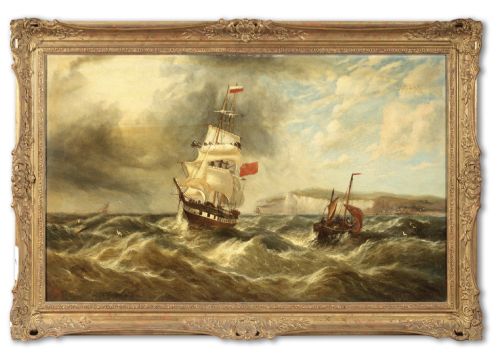
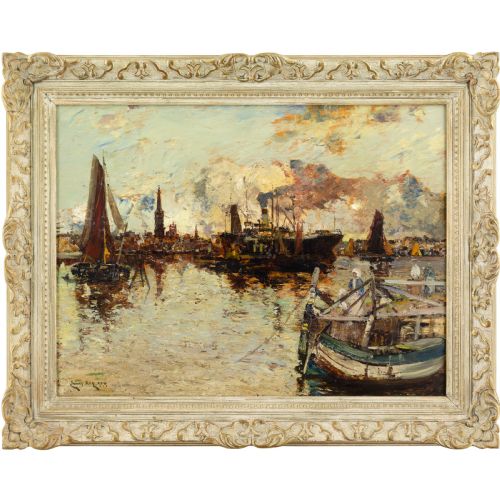
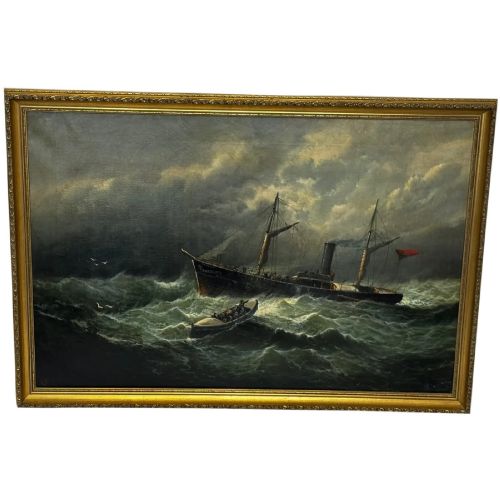
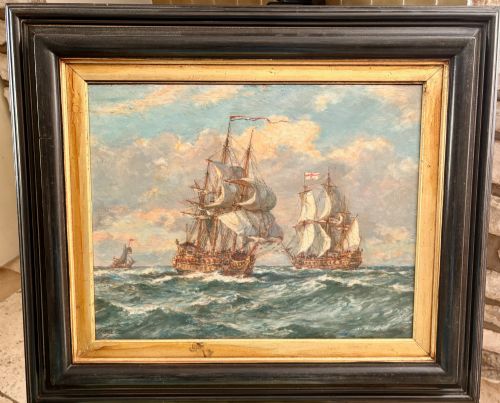
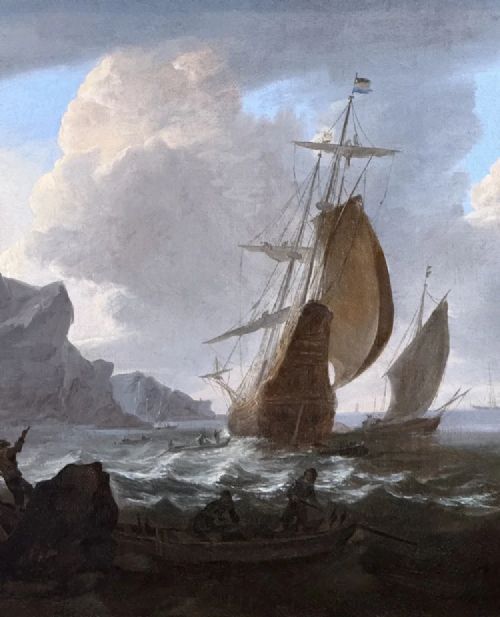
A nautical oil painting frame houses marine scenes, shipping portraits and coastal views created across the nineteenth and twentieth centuries. These works capture sailing ships, naval battles, and stormy harbours rendered in oil on canvas, board, and panel.
Most examples found in this selection date from the Victorian and Edwardian eras, reflecting a period of intense maritime trade and naval expansion. The accompanying frames are typically constructed from wood with gilt ornamentation designed to complement the subject matter.
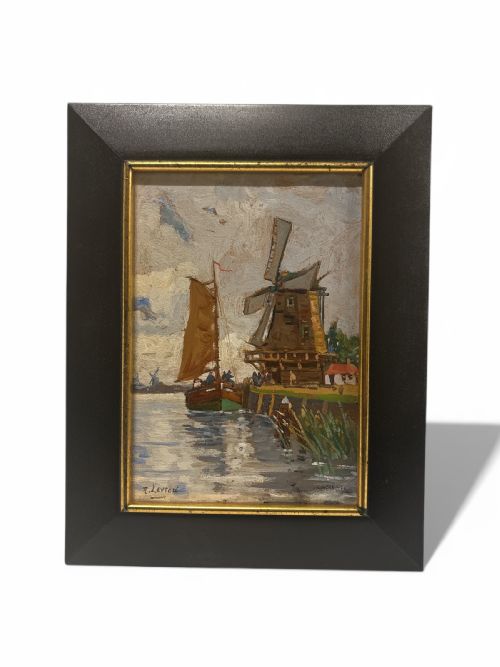
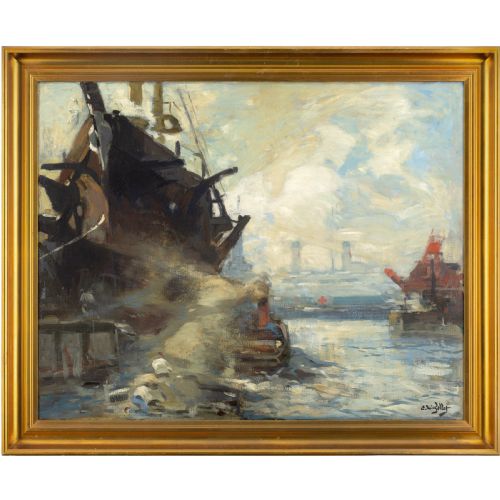
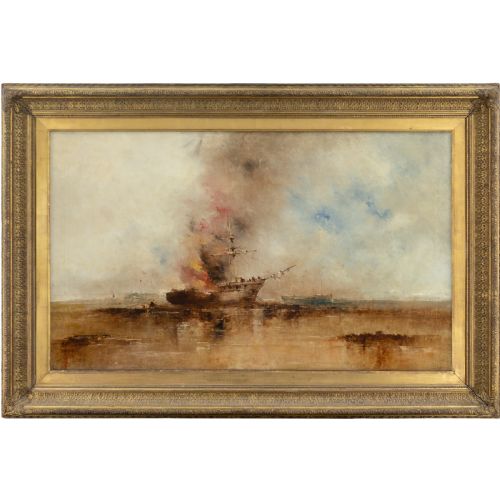
Subjects range from tranquil coastal landscapes and calm river estuaries to dramatic shipwrecks and vessels caught in gales. Artists utilised both detailed realism and impressionistic brushwork to record the movement of water and light.
How They Were Made
Artists applied oil paint to stretched canvas, wooden boards, or panels using bristle brushes and palette knives to build texture in the depiction of waves and sails. Canvases were often primed with gesso before the maritime scene was painted in layers.
The accompanying frames are constructed from carved and moulded wood, finished with layers of gesso and gold leaf to create the characteristic gilt appearance. Decorative plaster ornaments, known as composition or compo, were frequently applied to wooden corners and centres to form intricate patterns.
Listings feature oil paintings on canvas and panel alongside gilt wood frames spanning the Victorian, Edwardian, and mid-twentieth-century periods.
What Varies in Quality
The proficiency of the artist dictates the success of the marine painting, particularly in the accurate rendering of rigging, hull construction, and water movement. Stronger works demonstrate a secure grasp of perspective and atmospheric light during changing weather conditions.
Frame construction also varies, with superior examples retaining their original hand-carved or moulded giltwood ornament rather than later replacements. The harmony between the painting and its protective border determines the overall integrity of the piece.
Eugène-Louis Gillot·William McAlpine·James Kay·Bernard Gribble·Bonaventura Peeters·John Wilson Carmichael·Abraham Hulk I
The Nautical Oil Painting Frame Glossary
- Giltwood
- Wood that has been coated with a thin layer of gold leaf or gold paint. This finish was widely applied to nineteenth-century picture frames to enhance the artwork.
- Gesso
- A plaster mixture used as a base coat on wooden panels and canvas before painting, or moulded onto frames to create relief decoration. It provides a smooth surface for gilding.
- Marine Painting
- Artworks depicting ships, maritime scenes, naval battles, and coastal views. These subjects gained immense popularity during the Victorian era.
- Panel
- A flat piece of wood used as a rigid support for oil paintings instead of stretched canvas. Panels were common in smaller nineteenth-century works.
Nautical Oil Painting Frame: Frequently Asked Questions
How do I date a maritime painting frame?
Dating relies on the construction techniques of the wooden moulding and the type of gesso preparation beneath the gilt finish. Earlier nineteenth-century frames often feature hand-carved wooden details, while later periods relied more on moulded composition ornaments.
Examining the backing boards and fixings also helps establish the age of the complete framed object. Original combinations of painting and frame provide the most reliable chronological context.
What subjects are common in these paintings?
Artists frequently depicted three-masted schooners, merchant vessels, and naval warships navigating coastal waters or open seas. Scenes range from peaceful harbour approaches to dramatic shipwrecks and vessels caught in heavy gales.
Local landmarks, lighthouses, and specific historical shipping events also appear across the selection. Each subject reflects the dominant maritime trade and naval interests of the nineteenth and early twentieth centuries.
How should I hang a heavy gilt frame?
Large giltwood frames require secure wall fixings anchored directly into masonry or wall studs to support the combined weight of the wood, canvas, and glass if present. Using professional picture hooks rated for the specific load ensures stability.
Position the artwork at eye level away from direct sunlight and heat sources to protect the oil paint and the delicate gilt finish. Regular inspection of the hanging wire and D-rings maintains long-term security.
Are original frames important to the artwork?
Original frames complement the period aesthetic of the oil painting and often share the same historical timeline as the canvas. A well-matched frame enhances the visual impact of the maritime scene and preserves its historical integrity.
While frames were sometimes replaced over the centuries, matching a nineteenth-century painting with a contemporaneous gilt frame remains desirable for collectors. The condition of the gilding contributes significantly to the overall presence of the piece.