





19th Century Marine Landscape
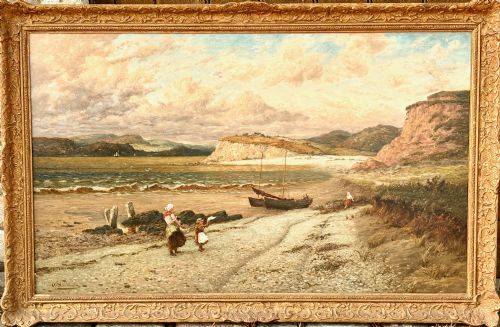
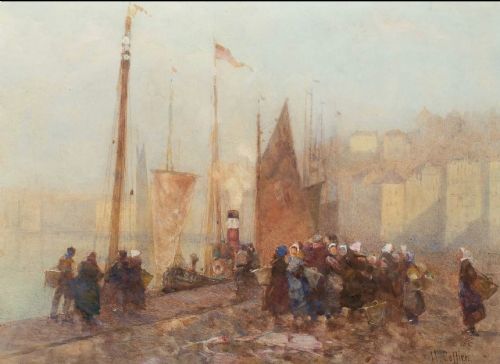
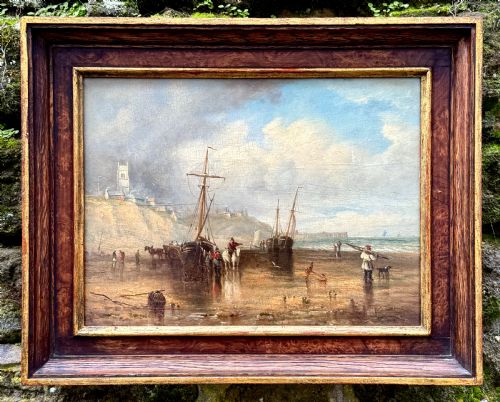
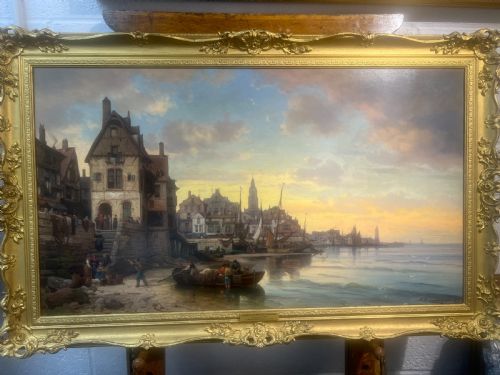
A 19th century marine landscape captures the enduring drama of coastal life and open water through the eyes of Victorian artists.
19th Century Marine Landscape
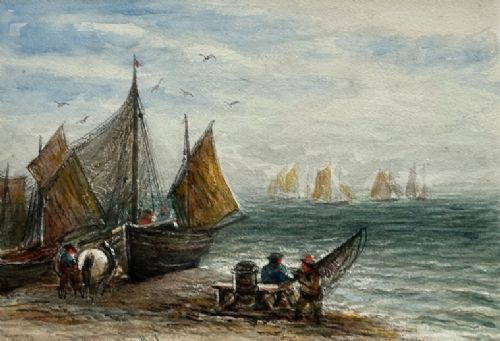
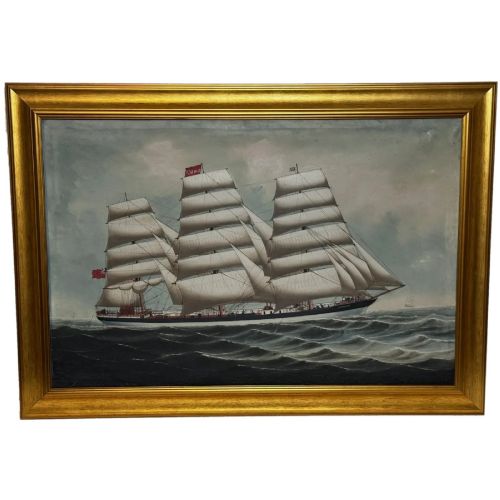
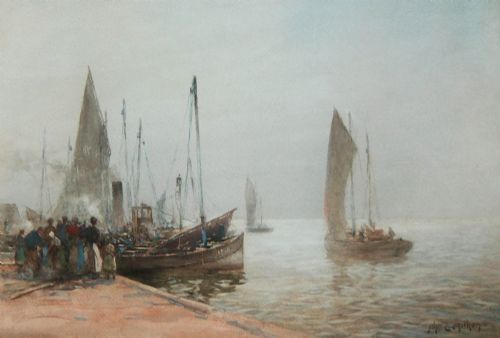
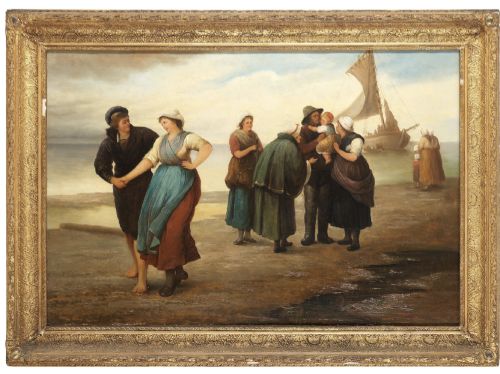
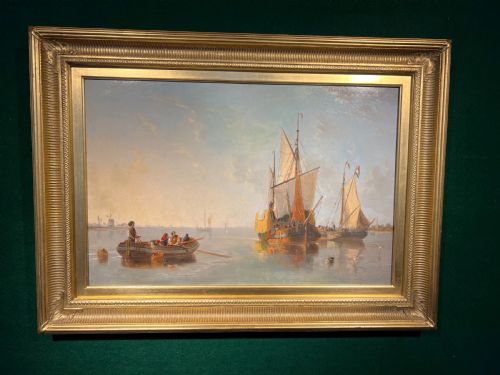
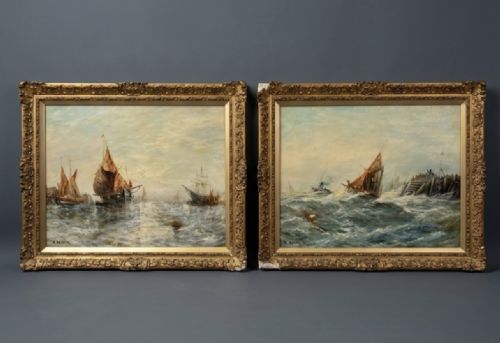
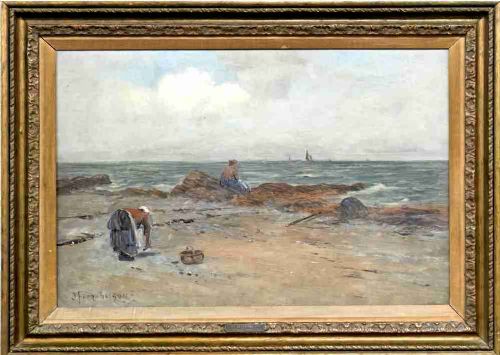
A 19th century marine landscape typically depicts coastal scenes, busy harbours, fishing boats, and open seascapes painted during the Victorian era and surrounding decades. These works range from intimate watercolours on paper to large oil paintings on canvas housed in original gilt wood frames.
The pieces available here lean heavily into British and European coastal views, recording specific locations from St Ives and Scarborough to foreign ports and Venetian waterways. Buyers will frequently encounter depictions of sailing vessels, clippers, and local fishermen navigating tidal waters.
Beyond simple topographical records, these paintings reflect a period deeply connected to maritime trade, naval power, and seaside leisure. The common thread uniting these works is a focused study of light, weather, and water recorded across the nineteenth century.
Materials and Methods
Artists of this period relied primarily on oil paint applied to canvas or wood board, alongside detailed watercolours worked on heavy paper. Oil paintings allowed for rich layering and dramatic handling of stormy skies and deep water, while watercolours offered swift, luminous captures of coastal light.
Many of these works remain set within their period giltwood or gilt frames, which were constructed from wood and moulded gesso to complement the tonal range of the canvas. The choice of medium directly dictated the mood, with oils providing heavier texture and watercolours lending a transparent delicacy.
Artists braved freezing North Sea winds and salty spray with portable easels just to capture an accurate wave.
Assessing Artistic Merit and Execution
Quality in these coastal works rests on the artist's command of atmospheric perspective, accurate vessel rigging, and the natural movement of water. Stronger examples demonstrate confident brushwork and precise topographical observation rather than formulaic studio production.
The relationship between the painted scene and its original gilt frame also influences the overall integrity of the piece. Superior compositions successfully balance the human elements, such as shipping figures or harbour workers, with the vast scale of the surrounding sea and sky.
James Orrock·Thomas Creswick·John Wilson Carmichael·Joseph Farquharson·John Moore of Ipswich·George Stanfield Walters·Thomas Bush Hardy·Gustave De Bréanski
The 19th Century Marine Landscape Glossary
- Seascape
- A work of art depicting the sea, coastal views, or maritime activity. This serves as the primary category for coastal and ocean imagery.
- Giltwood
- Wood carved and coated with gold leaf or a gold-coloured metallic finish. These frames frequently accompany nineteenth-century oil paintings.
- Watercolour
- A painting method in which the paints are made of pigments suspended in a water-based solution. Paper serves as the standard support for these delicate coastal studies.
- Barque
- A sailing vessel with three or more masts. These ships appear frequently in commercial shipping and harbour views of the period.
- Provenance
- The chronology of the ownership of a work of art. Documented history adds significant context to signed nineteenth-century canvases.
19th Century Marine Landscape: Frequently Asked Questions
How do I care for an antique oil painting?
Keep oil paintings away from direct sunlight and sudden temperature shifts to protect the canvas and paint layers. Dust the surface gently with a soft, dry brush without applying pressure.
Avoid using water or chemical cleaners on the paint or the gilt frame. Professional conservators should handle any deeper cleaning or canvas repairs.
How can I identify the location in a painting?
Artists often inscribed the title or location directly onto the reverse of the canvas, the stretcher bars, or the margin of the watercolour paper. Contemporary shipping types, coastal landmarks, and architectural styles also offer strong clues to the specific port.
Local historical societies and maritime records frequently help match specific vessels or coastal topographies to the artist's working dates.
What is the difference between a marine and a landscape painting?
Marine paintings focus primarily on the sea, ships, coastal navigation, and maritime labour rather than inland terrain. While coastal landscapes include landmasses and shores, marine art prioritises the water and nautical activity as the central subject.
Many nineteenth-century works bridge both genres by depicting harbours framed by surrounding towns and cliffs.