


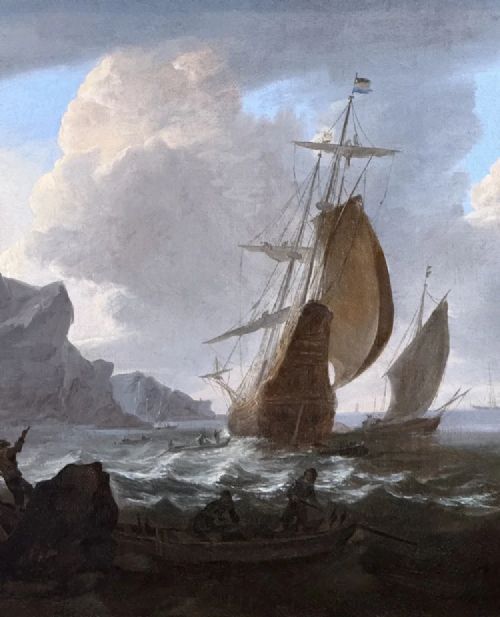

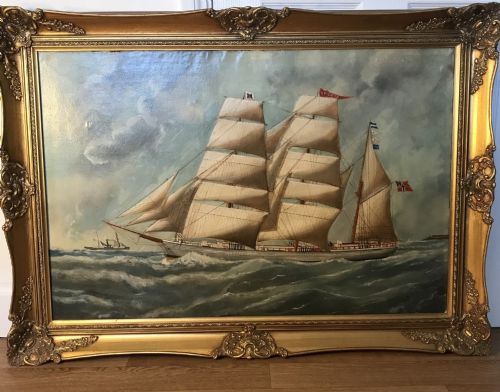
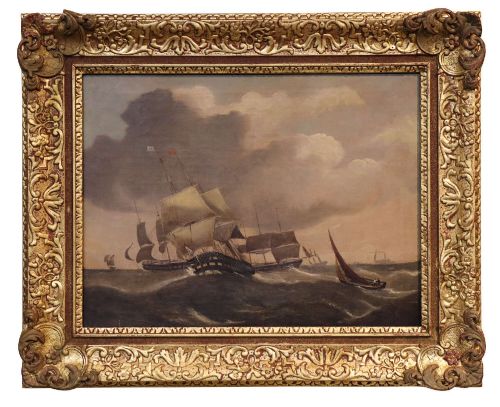
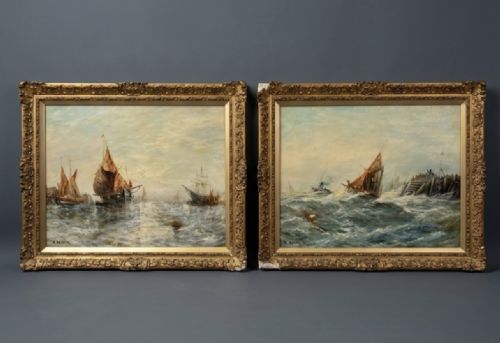


Gold Framed Sea Seascape
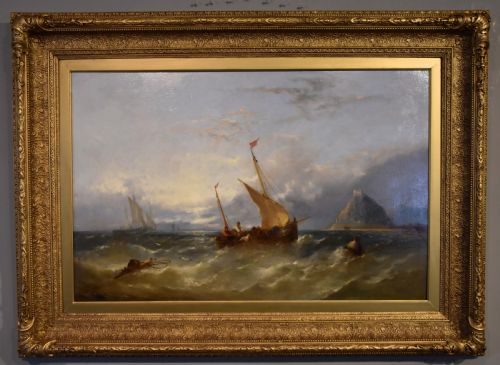
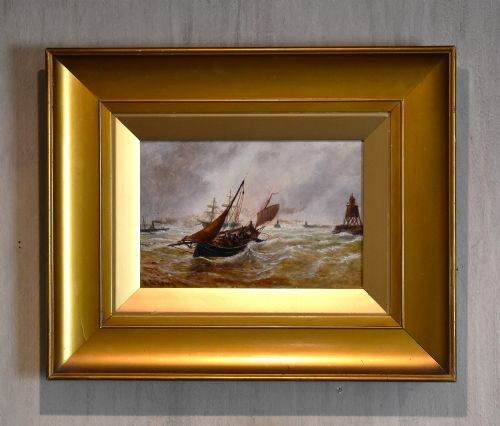
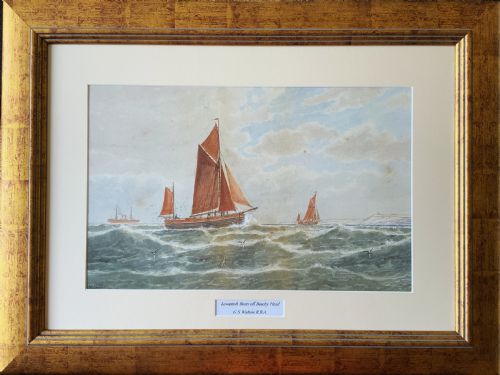
These gold framed sea seascape works capture turbulent coastal waters and sailing vessels across centuries of maritime tradition.
Gold Framed Sea Seascape
A gold framed sea seascape brings together historical maritime painting and decorative framing, most commonly found in nineteenth-century and Edwardian oil on canvas formats.
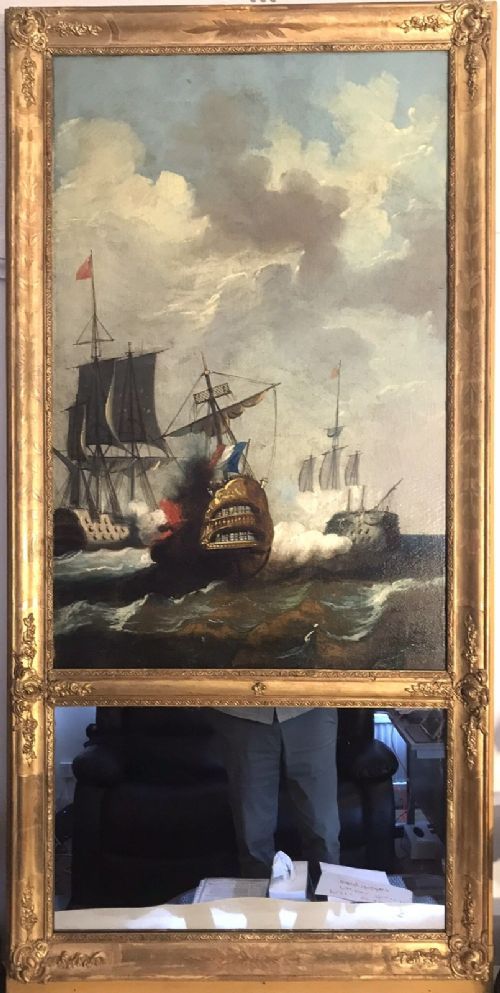
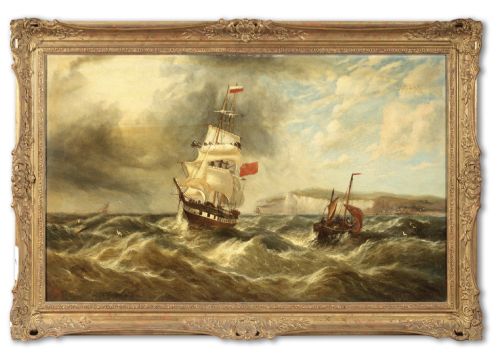
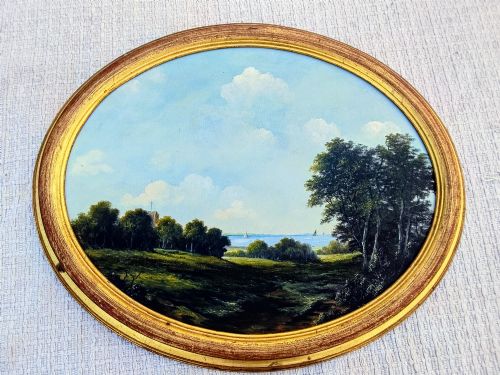
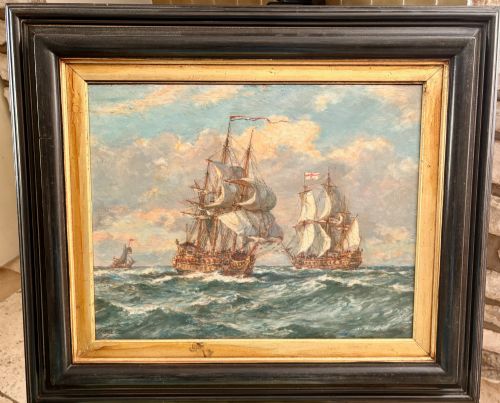
The subjects range from tranquil harbour scenes and fishing boats to dramatic shipwrecks and warships battling rough gales in heavy seas.
Buyers will encounter traditional maritime realism and Victorian marine art alongside twentieth-century interpretations executed in oil paint or watercolour.
Materials and construction
Artists relied primarily on oil paint applied to canvas, wood panels, or card, capturing the movement of water and light.
Surrounding these works are frames constructed from wood, gesso, and giltwood, often finished with ornate gilding that complements the maritime subject matter.
Several ships bravely continue towards Trafalgar while others meet their end near Cornish lighthouses.
Assessing quality and execution
The distinction between average and exceptional pieces rests upon the artist's command of atmospheric light, wave motion, and maritime rigging accuracy.
Quality also manifests in the preservation of the original gilt frame, where crisp gesso moulding and intact gilding enhance the visual impact of the painting.
William Banks Fortescue·John Rose Miles·Bernard Gribble·Bernard Benedict Hemy·William Henry Williamson·George Stanfield Walters·Charles Napier Hemy·Daniel Sherrin·George Shaw·Stephen J Renard·Roger de la Corbiere·Claude Thomas Stanfield Moore·Thomas Bush Hardy·Ebeneezer Colls·Joseph Heard·John Davison Liddell
The Gold Framed Sea Seascape Glossary
- Seascape
- A work of art depicting the sea, coastlines, or marine vessels in various weather conditions. These compositions focus heavily on the interaction between water, sky, and light.
- Giltwood
- Wood that has been coated with a thin layer of gold leaf or gilt powder. This material provides the characteristic metallic sheen seen on traditional picture frames.
- Gesso
- A paint mixture consisting of a binder mixed with chalk, gypsum, or pigment used as a base on wood before gilding. It allows craftsmen to carve intricate decorative details onto frames.
- Trumeau
- A decorative wall mirror or panel featuring a painted scene above the glass. Examples in this category incorporate maritime oil paintings within French architectural surrounds.
- Marine Art
- Artistic representation of maritime subjects, including naval battles, merchant shipping, and coastal harbours. This genre spans multiple centuries of European and British painting.
Gold Framed Sea Seascape: Frequently Asked Questions
What periods do these paintings cover?
The works span from the seventeenth century through the Victorian era and into the mid-twentieth century. Most examples date from the nineteenth and early twentieth centuries.
Each period reflects distinct shifts in maritime painting styles, moving from traditional realism towards impressionist beach scenes and textured board compositions.
How were these frames constructed?
Frames are built from wood bases coated in gesso and finished with gold leaf or giltwood techniques. The ornamentation ranges from simple mouldings to elaborate carved designs.
Many period frames are original to the artwork, showing patination that aligns with the age of the canvas.
Where were these maritime scenes painted?
Artists recorded coastal views across British harbours like St Ives, Whitby, and Cornwall, as well as international waters and Dutch ports. Many painters accompanied expeditions or observed commercial shipping lanes directly.
These locations dictated the type of vessels shown, from fishing trawlers and pilot boats to three-masted schooners and warships.
How should I display a framed seascape?
Hang these pieces away from direct sunlight and high moisture areas to protect the oil paint and the delicate gilding on the wooden frames. Adequate wall space allows the ornate gold borders to frame the turbulent water effectively.
Pairing them with traditional interiors or contrasting modern spaces highlights the depth of the maritime subject matter.