

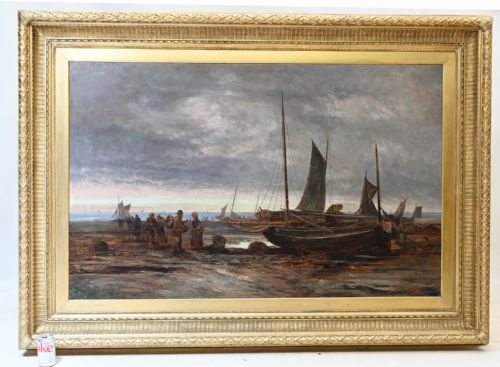


Marine Oil Canvas Picture
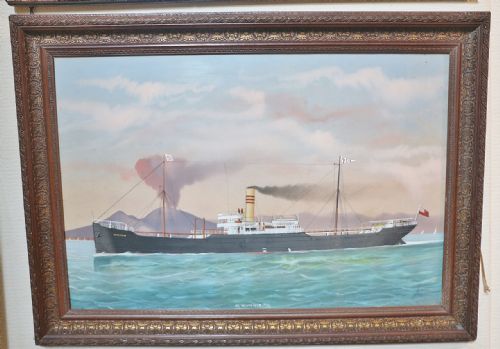
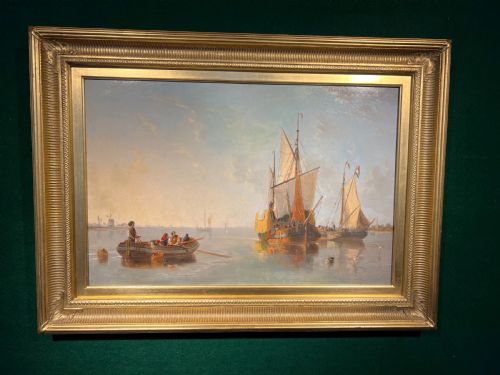
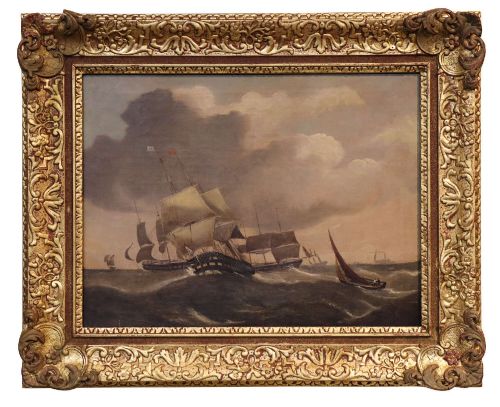
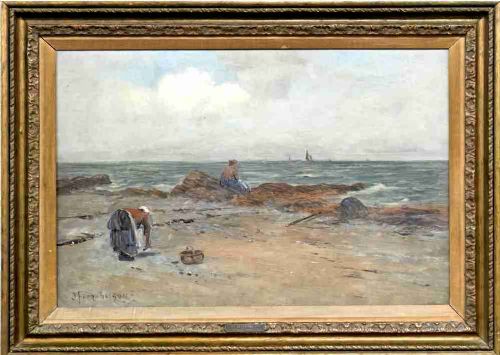
When you search for a marine oil canvas picture, you encounter works capturing coastal life, ships, and harbours across the nineteenth and twentieth centuries.
Marine Oil Canvas Picture
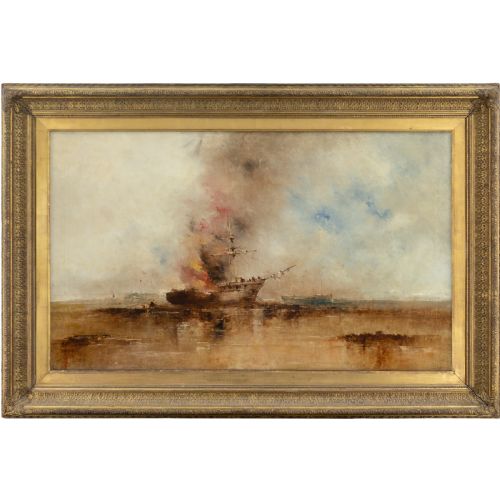
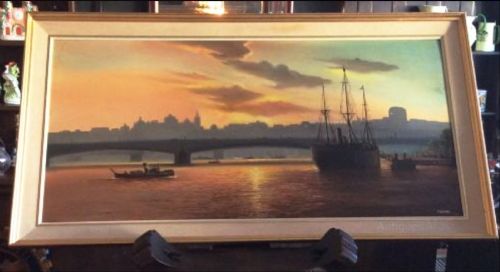
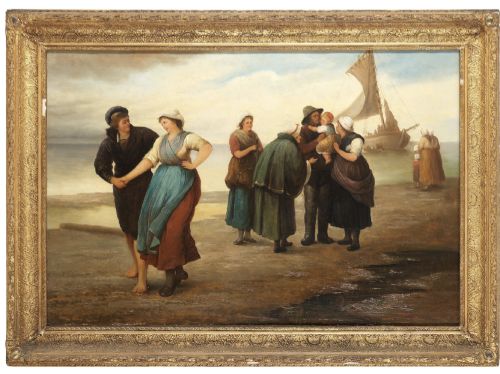
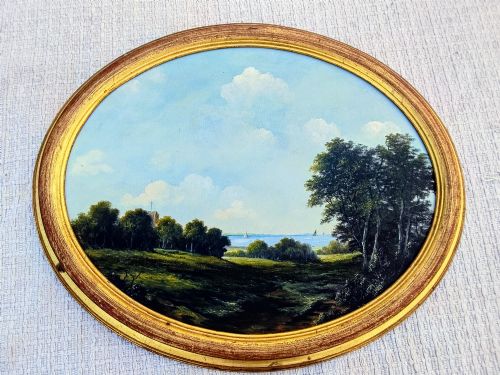
A marine oil canvas picture encompasses oil paintings on canvas and board depicting maritime scenes, shipping, coastal towns, and harbours. The selections available reflect both British and French schools, ranging from early nineteenth-century academic works to mid-twentieth-century impressionist views.
Buyers frequently encounter Victorian and Edwardian canvases showing vessels in heavy seas, tranquil lagoons, or industrial river pools. These works vary from large-scale regional landscapes to intimate oval sea views painted across the decades.
How these paintings were constructed
Makers applied oil paint to stretched canvas or wooden board substrates, occasionally building heavy impasto textures to render water and light. Frames often incorporate giltwood, gilded wood, gesso, and gold leaf.
Artists utilised traditional brushwork and layering techniques to capture coastal atmosphere, skies, and maritime activity.
Listings feature oil paintings on canvas and wood spanning the Victorian era, the Edwardian period, and mid-twentieth-century impressionism.
What separates standard works from finer examples
Quality rests in the handling of light, atmospheric perspective, and the precise depiction of rigging and maritime architecture. Masterful works convey movement in heavy seas and depth in coastal townscapes with controlled brushwork.
The sophistication of the original frame, often carved giltwood or gesso, contributes to the overall integrity of the piece.
Kenneth Cozens·William McAlpine·John Wilson Carmichael·Joseph Farquharson·Charles William Wyllie·Elisabeth Bardon·Charles Napier Hemy·Gustave De Bréanski·James Webb·Jane Vivian·Alfred Pollentine·Alfred Henry Vickers·George Henry Knight·Thomas Rose Miles·E Tucker·Ebeneezer Colls·Owen Bowen·Edward Henry Holder·William Langley·Denys Garle·Robert Farren
The Marine Oil Canvas Picture Glossary
- Impasto
- Paint applied thickly to a canvas or board, standing out in relief from the surface so that the marks of the brush or palette knife remain visible. This technique adds tactile dimension to representations of water and breaking waves.
- Gesso
- A paint mixture consisting of a neutral binder mixed with chalk, gypsum, and pigment, used as a prepared surface on frames. It provides a smooth base for subsequent gilding.
- Giltwood
- Wood that has been coated with gold leaf or gold paint for decorative effect. Elaborate giltwood frames frequently accompany nineteenth-century oil paintings.
- Marine art
- Artistic works that depict or draw inspiration from the sea, ships, and coastal environments. This genre spans historical naval engagements, port scenes, and quiet coastal landscapes.
- School
- A group of artists sharing a similar style, period, or geographical origin, often influenced by a central master or teaching tradition.
Marine Oil Canvas Picture: Frequently Asked Questions
How do I date a marine oil canvas picture?
Dating relies upon stylistic markers, costume details of figures, ship riggings, and framing techniques characteristic of periods from the early nineteenth century through the mid-twentieth century.
Signatures, stretcher construction, and canvas stamps also provide reliable chronological evidence for attribution.
Where were these marine paintings typically created?
Many originate from coastal studios, ports, and artistic centres across Britain and France, reflecting active maritime trade and romanticised coastal travel.
Artists frequently painted on location in harbour towns or completed large compositions in urban workshops based on field sketches.
How should I care for an oil painting on canvas?
Keep the canvas away from direct sunlight, damp environments, and rapid temperature fluctuations to prevent paint cracking and warping of the wooden stretcher.
Dust the surface gently with a soft, dry brush and avoid using liquid cleaners on the paint or gilt frame.
What distinguishes Victorian marine art from later styles?
Victorian works generally favour detailed realism, narrative clarity, and historical accuracy in depicting vessels and coastal topography.
Later impressionist and mid-century pieces prioritise loose brushwork, atmospheric light effects, and overall mood over topographical precision.