



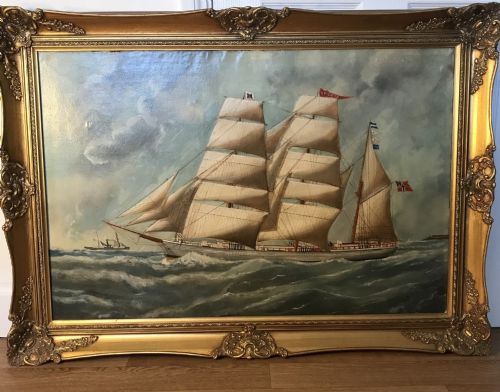
Victorian Maritime Wall Art
Victorian maritime wall art captures the power of the nineteenth-century sea through oil paintings, watercolours, and detailed shadow boxes.
Victorian Maritime Wall Art
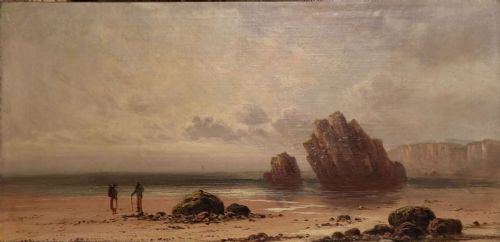
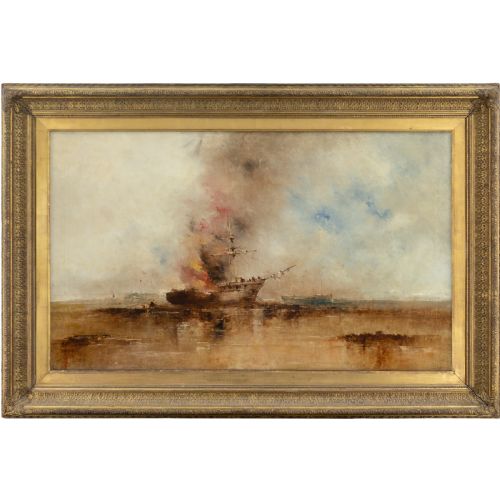
Victorian maritime wall art encompasses oil paintings on canvas, delicate watercolours, woolwork embroideries known as woolies, and three-dimensional cased dioramas. These pieces portray bustling harbours, merchant ships, naval vessels, and dramatic coastal storms from the nineteenth century.
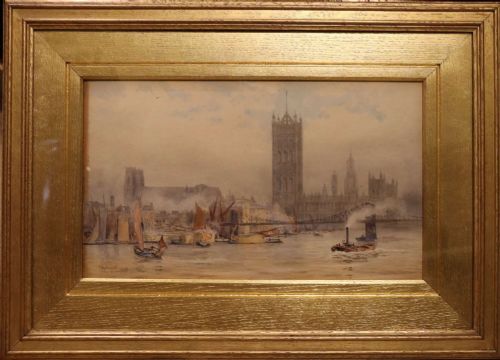
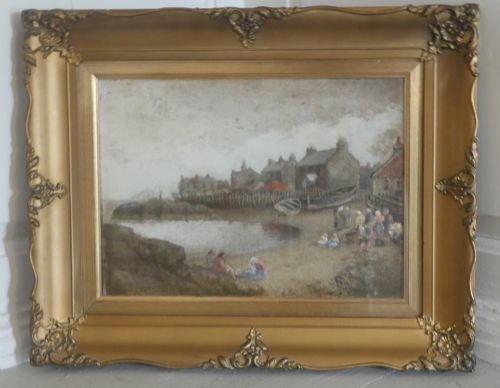
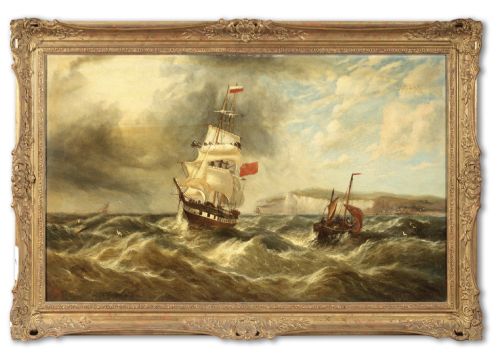
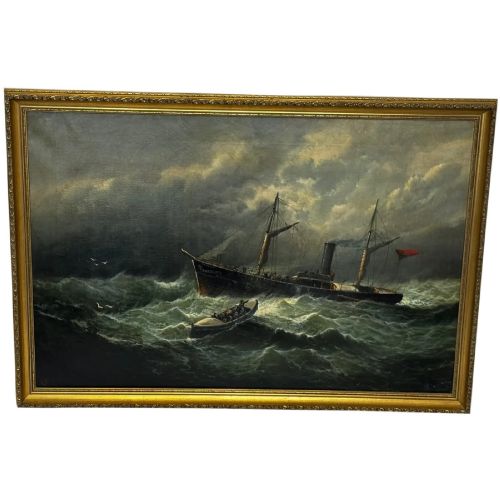
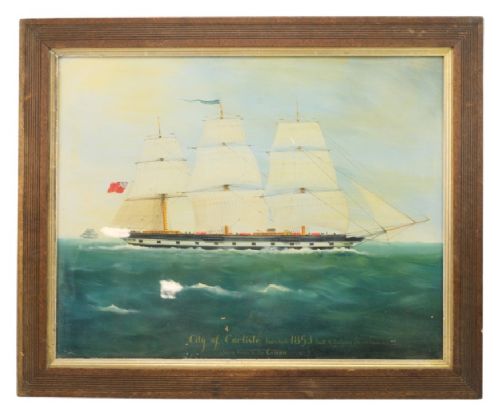
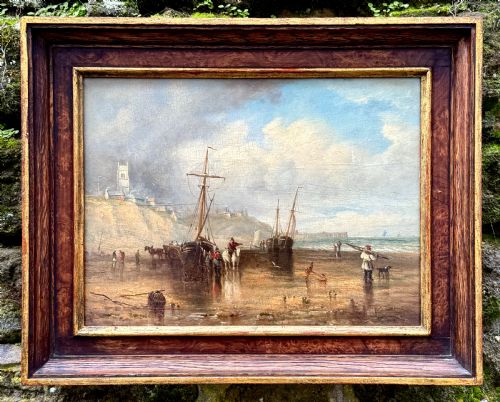
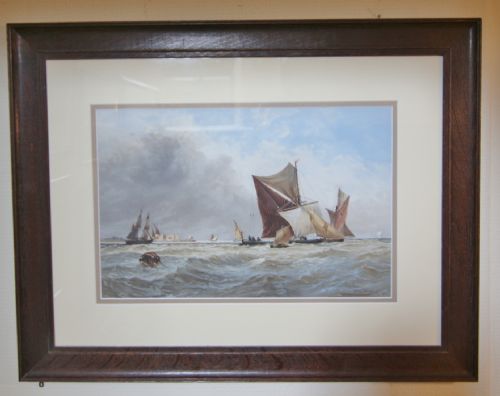
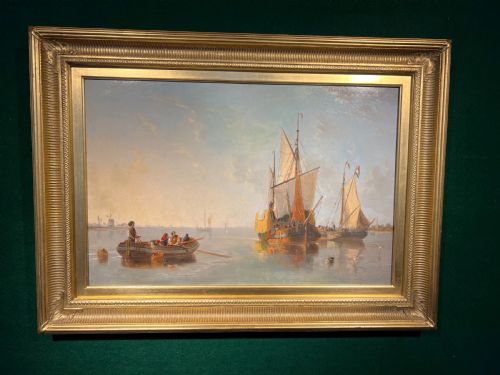
Buyers frequently encounter framed oil paintings depicting named sailing ships and fishing boats off familiar British coasts, alongside detailed harbour scenes from Cornwall, Yorkshire, and the River Thames.
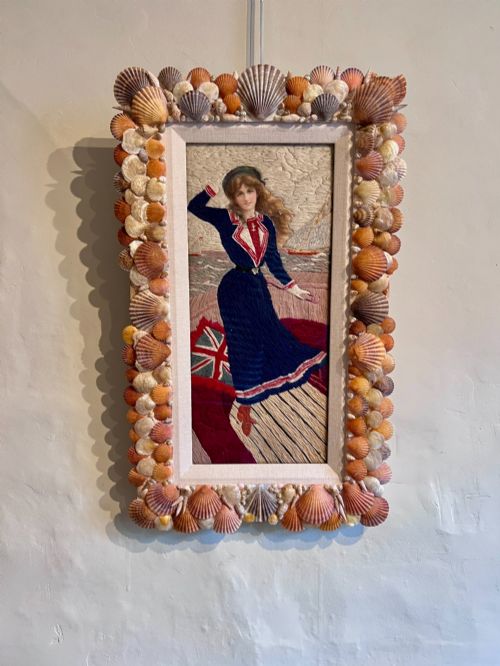
Folk art expressions also appear, including intricate shellwork pictures and woolies made by sailors, which bring a domestic texture to the broader maritime genre.
Materials and Technique
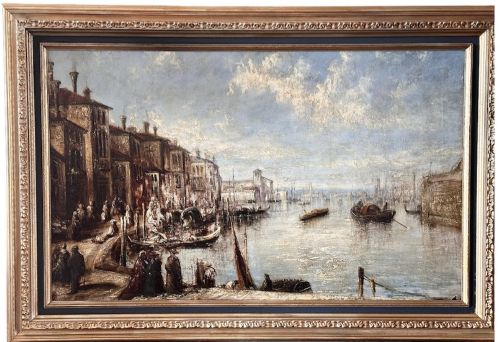
Painters utilised oil on canvas or watercolour on paper, often framing the finished works in period gilt wood or giltwood frames that complement the nautical subject matter.
Dioramas and shadow boxes combine carved wooden ship models with painted canvas backdrops, enclosed behind protective glass to create a sense of three-dimensional depth.
Sailors spent long months at sea stitching woolie pictures of their sweethearts and sailing ships.
Hand and Execution
Quality rests upon the artist's command of maritime rigging, atmospheric light, and the convincing movement of water in rough seas. Works by documented painters demonstrate a superior understanding of vessel architecture compared to anonymous works.
The preservation of the original medium, whether unblemished watercolour pigment or undisturbed oil crackle, distinguishes finer examples from those altered by poor restoration.
James Orrock·William Banks Fortescue·John Wilson Carmichael·Abraham Hulk I·George Stanfield Walters
The Victorian Maritime Wall Art Glossary
- Woolie
- A nineteenth-century sailor's embroidery made from coloured wool yarn, depicting a ship at sea with padded textile elements.
- Diorama
- A three-dimensional model display set inside a glazed wooden case, frequently showing sailing vessels with carved hulls and painted backgrounds.
- Seascape
- A painting or watercolour depicting the sea, coastal views, or marine shipping rather than an inland landscape.
- Giltwood
- Wood carved and coated with gold leaf or a gold-coloured finish, commonly used for nineteenth-century picture frames.
Victorian Maritime Wall Art: Frequently Asked Questions
What is a woolie?
A woolie is a traditional textile wall art piece created by sailors using coloured wool yarns. These tactile works often depict ships under full sail alongside patriotic flags.
They offer a charming folk art perspective on nineteenth-century maritime life, differing from formal oil paintings through their textured embroidery.
How do I care for antique watercolours?
Antique watercolours on paper require protection from direct sunlight to prevent the pigments from fading over time. Keeping them in stable humidity conditions safeguards the paper and the original mount.
Displaying them away from damp exterior walls ensures the paper remains free from foxing spots.
Are diorama ships made of wood?
Maritime shadow boxes and dioramas typically feature carved and painted wooden ship models set against curved painted canvas backdrops. Makers added fine thread for rigging to capture realistic naval detail.
The entire scene sits safely behind a glass panel to protect the delicate wooden elements from dust.
How do I identify a Victorian oil painting?
Victorian oil paintings often display nineteenth-century canvas stretchers, artist stamps, and period gilt wood frames. The subjects frequently record named merchant barques, naval vessels, or recognisable British harbours.
Examining the reverse of the canvas can reveal old exhibition labels, titles, or signatures left by the artist.