



Grey Coastal Oil Artwork
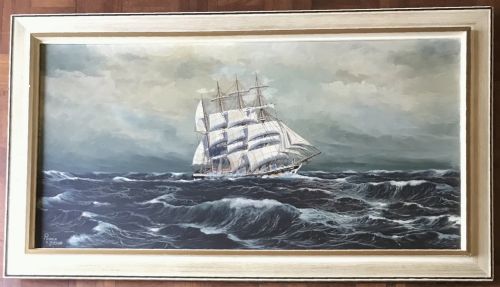
Grey coastal oil artwork captures the changing moods of the sea across the nineteenth and twentieth centuries through paint applied to canvas or board.
Grey Coastal Oil Artwork
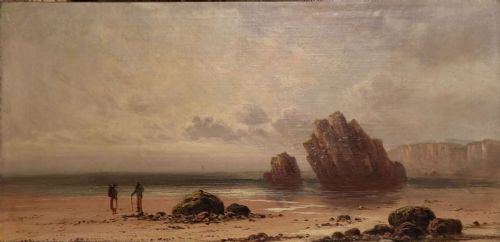
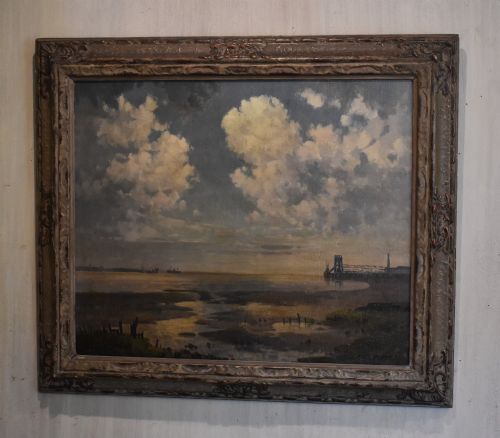
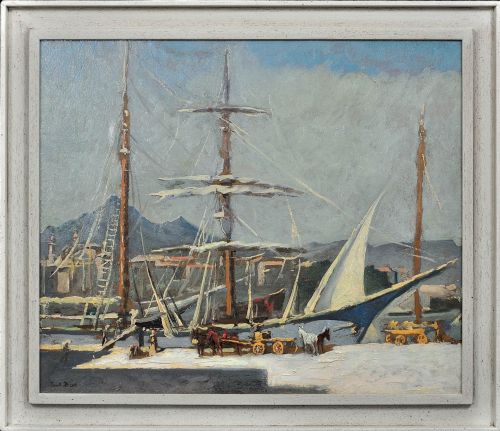
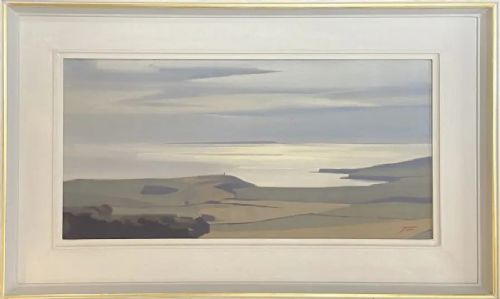
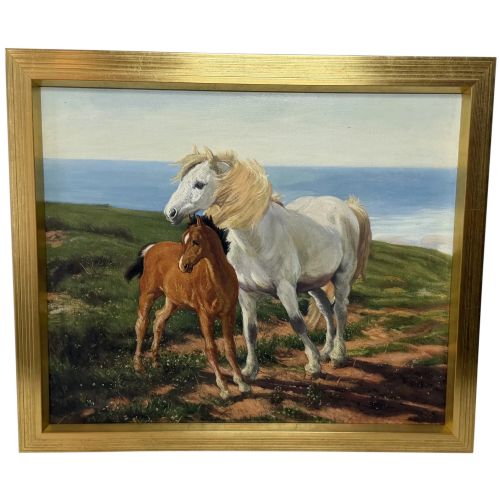
Grey coastal oil artwork encompasses marine scenes, harbour views and rocky shores rendered in oil paint, dating from the nineteenth century through to the mid-twentieth century. These paintings often record British and European maritime locations, ranging from quiet estuaries to dramatic rocky beaches.
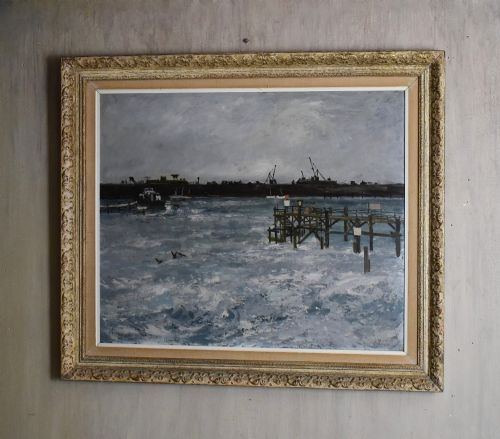
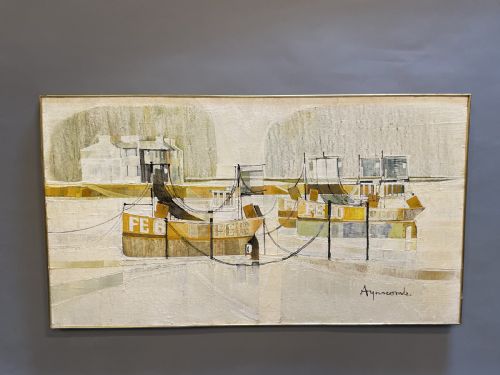
Buyers seeking grey coastal oil artwork most frequently encounter pieces executed on canvas or board within impressionist, realist and modernist traditions. The selection spans quiet Victorian harbour studies to mid-century works utilising thick impasto paint.
The subjects reflect working ports, fishing boats and coastal figures, capturing atmospheric weather and coastal light. Such paintings suit traditional interiors as well as mid-century modern spaces seeking authentic period wall art.
How they were made
Painters applied oil paint using brushes or palette knives onto prepared canvas or wooden board, sometimes building thick layers of impasto texture to suggest crashing waves or stormy skies. The combination of oil medium and ground support allowed artists to capture subtle gradations of grey and muted coastal tones.
Many works incorporate timber frames, occasionally finished with gilt details, which house the canvas or board. The physical construction relies on traditional stretched canvas over wooden frames or direct application to solid wood panels.
Materials recorded in the inventory comprise canvas, oil paint, wood, board and gilt frames.
What varies in quality
Quality rests upon the artist's ability to handle light, atmosphere and perspective within the marine subject, distinguishing professional observation from standard topographical record. Stronger pieces demonstrate confident brushwork and a coherent tonal palette that evokes the specific weather of the coast.
The condition of the paint surface and the stability of the canvas or board influence the piece's integrity over time. Works retaining their original framed context and clear artist signatures tend to offer a more complete historical record.
Kenneth Cozens·Clive Browne·Peter Brannan·Paul Bret·James Fry·Raymond Picque·Herbert Royle·John Callow·John Davison Liddell·John Sanderson Wells·Edward T Jones·Frank Myers Boggs·Bertram Priestman·John W Gilroy·Henri Cadiou
The Grey Coastal Oil Artwork Glossary
- Impasto
- Paint applied thickly to a canvas or board, standing out in relief from the surface. This technique adds physical texture to representations of water and stormy skies.
- Canvas
- A closely woven fabric stretched across a wooden frame to serve as a sturdy painting surface. It remains the most common support for oil paintings across the nineteenth and twentieth centuries.
- Board
- A rigid wooden or composite panel used as a direct support for oil paint. Board supports often appear in smaller plein air coastal studies.
- Marine Art
- Artwork depicting ships, shipping, sea and coastal views. This genre encompasses historical naval scenes as well as quiet harbour and estuary landscapes.
- Gilt
- A thin layer of gold leaf or metallic paint applied to frame mouldings. It provides a decorative border designed to complement the tones within the oil painting.
Grey Coastal Oil Artwork: Frequently Asked Questions
What periods do these coastal paintings come from?
The pieces span the nineteenth century through to the mid-twentieth century, encompassing Victorian marine art, Edwardian coastal scenes and mid-century modern interpretations.
This broad chronological range allows collectors to select works reflecting specific historical painting styles, from traditional realism to impressionist experimentation.
How should I hang a heavy oil painting?
Larger works on canvas or board require secure wall fixings suited to the weight of both the painting and its timber frame. Picture wire or D-rings must be checked for stability before hanging.
Positioning the artwork away from direct sunlight and excessive moisture helps preserve the oil paint and canvas over time.
What is the difference between canvas and board?
Canvas is a flexible fabric stretched over a wooden frame, offering slight give under the brush, whereas board provides a rigid, solid panel support.
Board supports frequently appear in smaller outdoor studies where artists painted directly on location by the sea.
How do I identify an impressionist marine painting?
Impressionist marine works focus on loose brushwork, changing light effects and atmospheric weather rather than minute topographical detail. The artist captures the transient movement of water and clouds.
Palette knife applications and visible texture often accompany these impressionistic coastal views.