




Antique Marine Oil Canvas
An antique marine oil canvas captures the turbulent energy and quiet beauty of historical waterways, offering buyers a genuine window into maritime history.
Antique Marine Oil Canvas
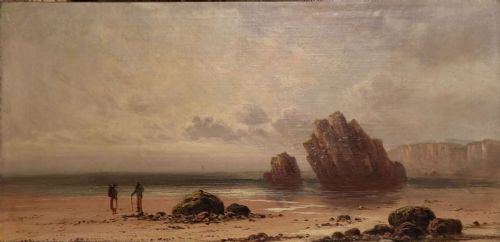
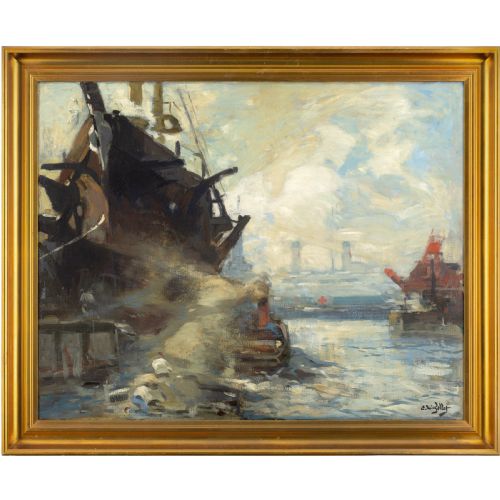
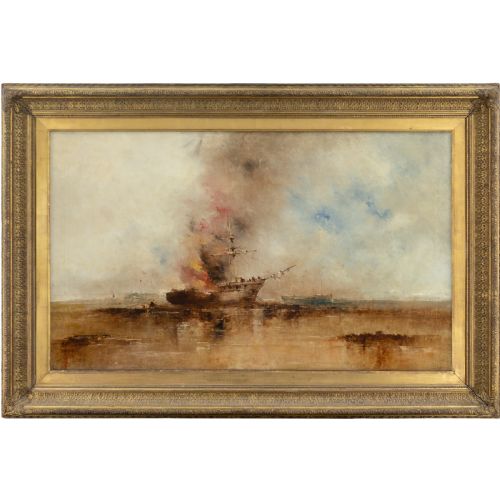
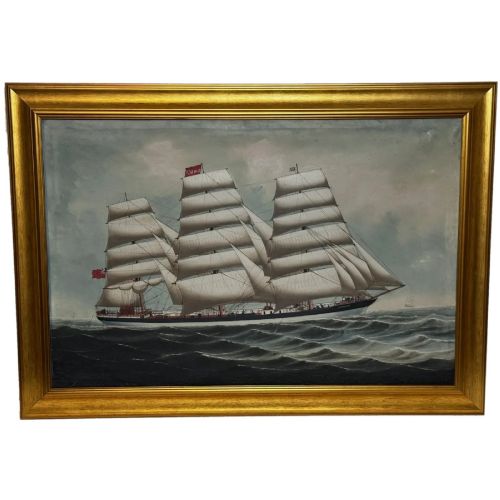
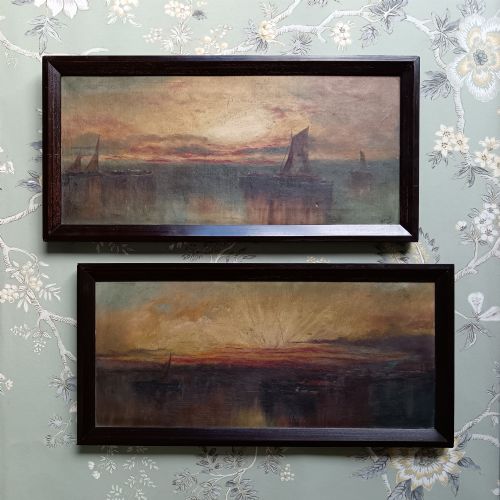
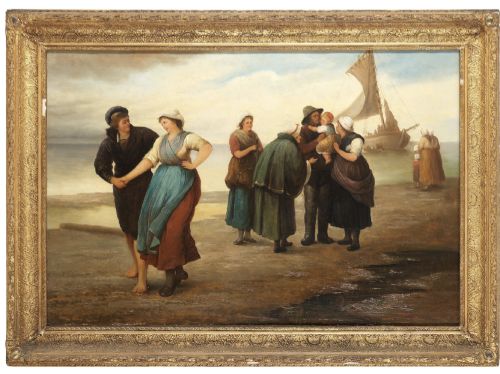
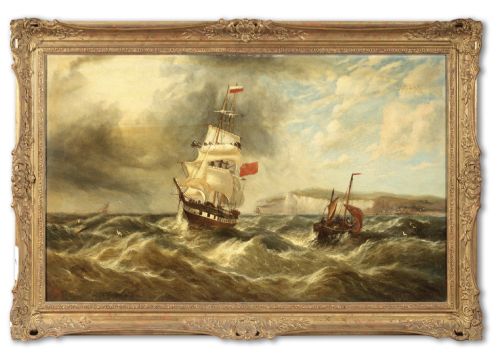
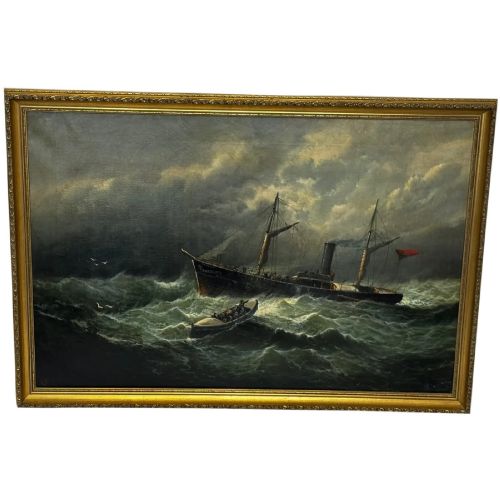
When searching for an antique marine oil canvas, buyers encounter historical depictions of ships, coastal ports, and open waters produced during the nineteenth and early twentieth centuries. These paintings range from expansive Victorian canvas scenes of merchant vessels in heavy seas to intimate harbour views painted on wood panels. British and European schools dominate the selection, capturing historical events like the Crimea or everyday scenes of fishing boats.
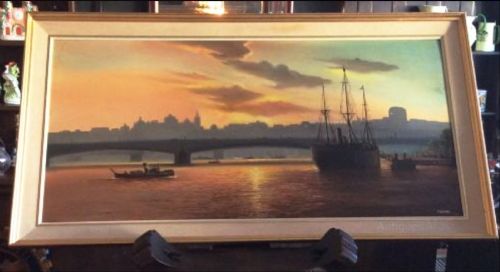
The subjects extend beyond open oceans to include river panoramas, such as the Thames with St Paul's, alongside dramatic coastal rescues and quiet coastal inlets. Canvases vary from modest domestic formats to massive six-foot works intended for prominent wall display. Most surviving pieces date from the Victorian and Edwardian eras, utilising traditional oil paint formulations on stretched canvas.
Collectors find that these works frequently record specific vessels, naval engagements, or recognizable maritime trade routes, anchoring art firmly in historical documentation. The physical condition reflects the materials of the period, with oil paint retaining its rich pigment stability across generations.
Materials and Techniques
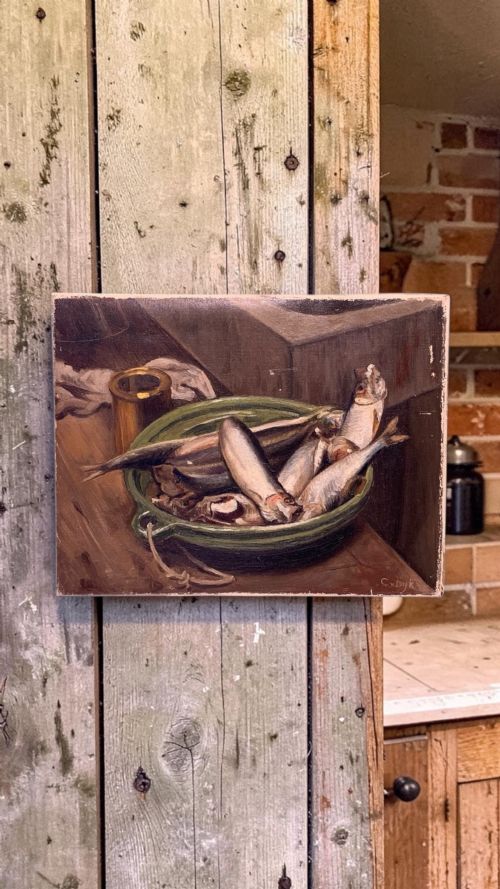
Artists applied oil paint composed of ground pigments suspended in drying oils onto stretched canvas or wooden panels, often utilising coarse weaves characteristic of nineteenth-century supports. Giltwood and gold leaf frames provided the traditional finishing enclosure, complementing the deep tonal palette of the maritime subjects.
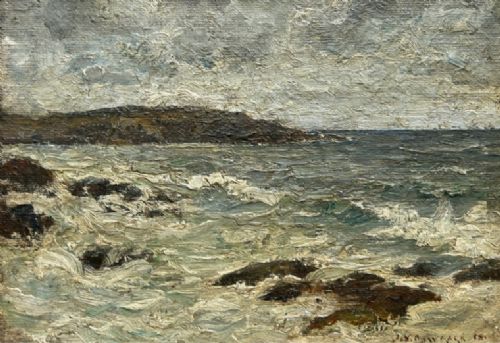
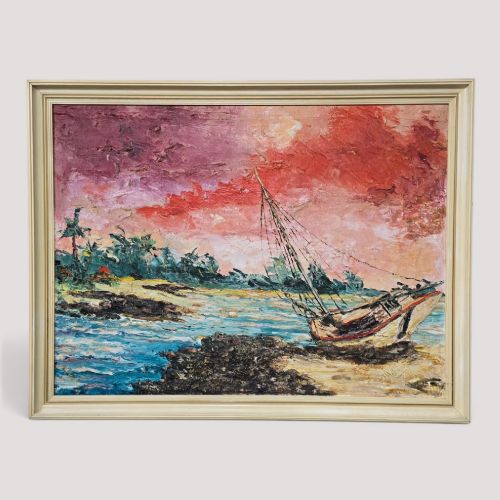
Brushwork varied from meticulous academic realism detailing rigging and hull construction to thick impasto capturing the restless movement of waves and stormy gales. Painters utilised layered glazes to achieve luminous skies and translucent water effects before sealing the finished surface.
Current listings feature nineteenth-century and early twentieth-century maritime paintings created using oil on canvas, wood, and giltwood frames.
Markers of Quality
Superior quality in an antique marine oil canvas rests upon the artist's command of atmospheric perspective, anatomical accuracy of rigging, and convincing fluid dynamics in the depiction of water. Master painters balance the rigidity of naval architecture against the chaotic movement of rough seas with confident brushwork.
The integrity of the original canvas support and the stability of the oil paint layer distinguish exceptional survivals from compromised works. Surviving period frames constructed from giltwood also contribute significantly to the historical completeness of the piece.
Eugène-Louis Gillot·William McAlpine·Reginald Arthur Borstel·B. Nash·John Rose Miles·William Broome·Bernard Gribble·Bonaventura Peeters·Francis Moltino·Bernard Benedict Hemy·Thomas Creswick·Willem Bos·Charles Euphraisie Kuasseg·John Wilson Carmichael·Lai Fong·Joseph Farquharson·Nicholas Condy·Richard B. Spencer·William Henry Williamson·John Holland·Abraham Hulk I·Charles William Wyllie·William Edward Webb·Charles Napier Hemy·Louis Suire
The Antique Marine Oil Canvas Glossary
- Impasto
- Paint applied thickly to a canvas, standing out in relief from the surface so that brush or palette knife marks remain visible. This technique adds tactile three-dimensional texture to breaking waves and clouds.
- Giltwood
- Wood carved and treated with a thin layer of gold leaf or metallic powder, commonly used for traditional picture frames. It provides a reflective, ornate border that enhances the painting.
- Barque
- A sailing vessel with three or more masts, having the foremast and mainmast square-rigged and the mizzenmast fore-and-aft rigged. This ship type appears frequently in nineteenth-century commercial maritime paintings.
- Provenance
- The chronological record of ownership, custody, or location of a historical historical painting. Established provenance confirms authenticity and connects the canvas to its past exhibitions.
Antique Marine Oil Canvas: Frequently Asked Questions
What subjects appear in marine oil paintings?
These works depict everything from naval battles and clipper ships in heavy seas to quiet river panoramas and harbour scenes. Artists recorded specific historical vessels, coastal landmarks, and local fishing fleets.
The focus often shifts between dramatic storm narratives and peaceful coastal life, reflecting the diverse relationship between humanity and the sea during the nineteenth and early twentieth centuries.
How do I identify the period of a canvas?
Dating relies on stylistic clues, framing materials, canvas preparation, and recorded signatures or historical documentation. Victorian and Edwardian works often exhibit specific rigging details or uniform styles tied to naval history.
Examining the stretcher bars, nails, and canvas weave provides additional physical evidence to narrow down the decade of creation.
Where were these maritime paintings displayed?
Historically, maritime art hung in the drawing rooms of shipping merchants, naval officers' homes, and maritime institutions. Large-scale canvases were commissioned to commemorate specific ships or commercial shipping lines.
Today, collectors place them in studies, living rooms, and offices where traditional wall art anchors the room's decor.