

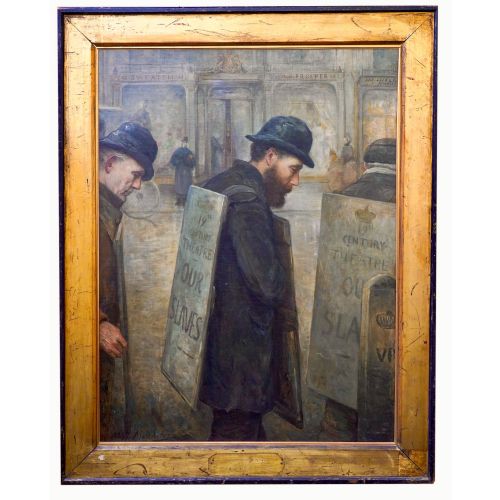


19th Century Framed Oil
A 19th century framed oil brings the texture of historical portraiture and landscape directly to your walls.
19th Century Framed Oil
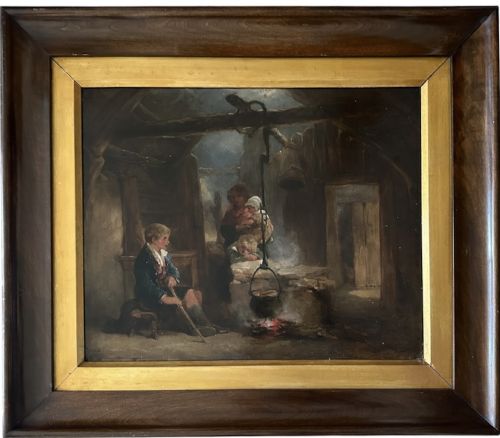
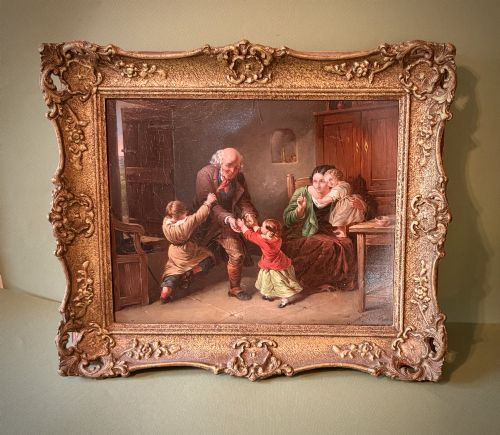
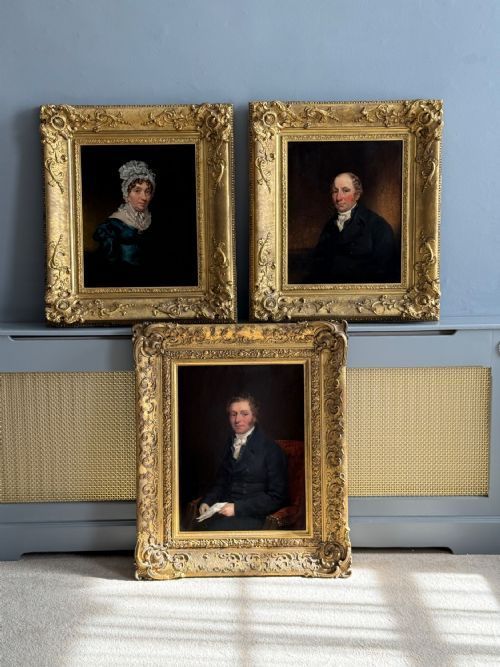
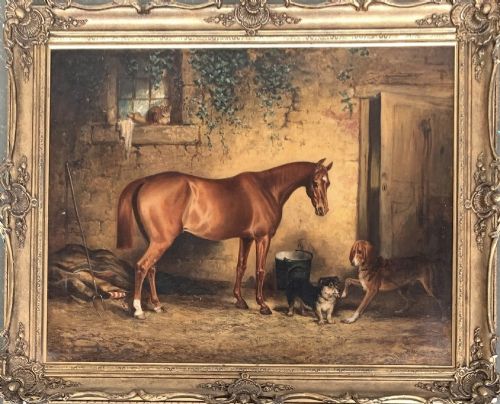
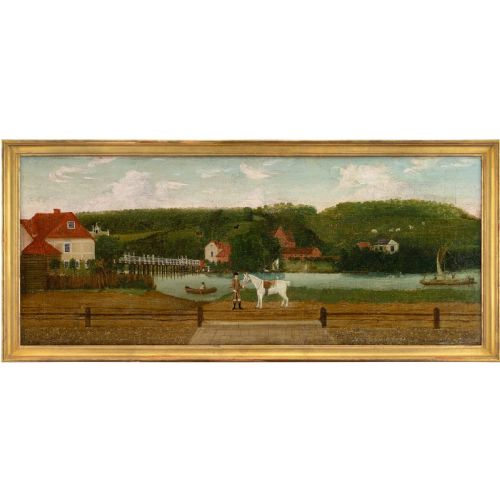
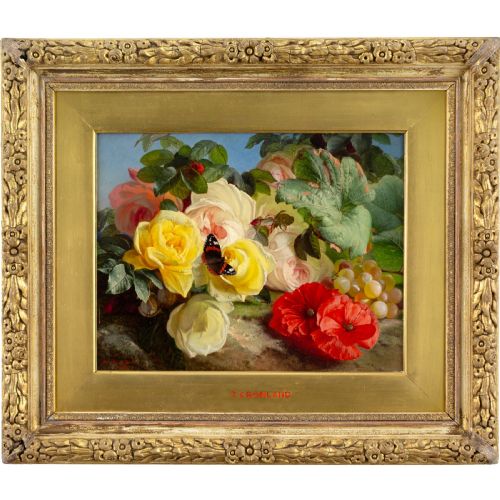
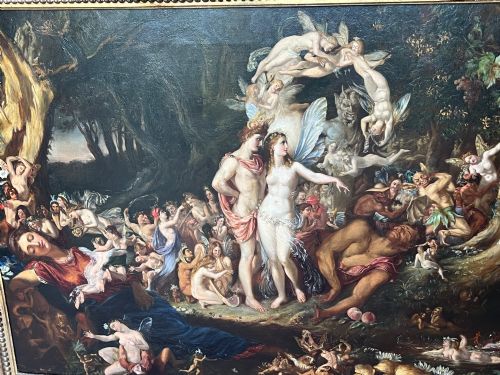
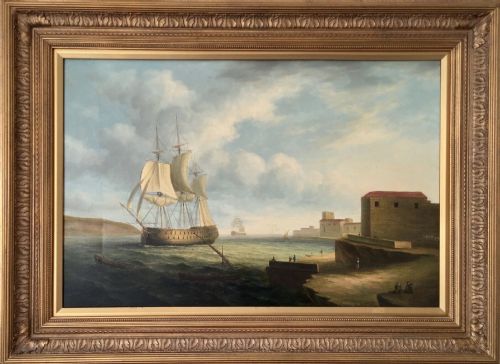
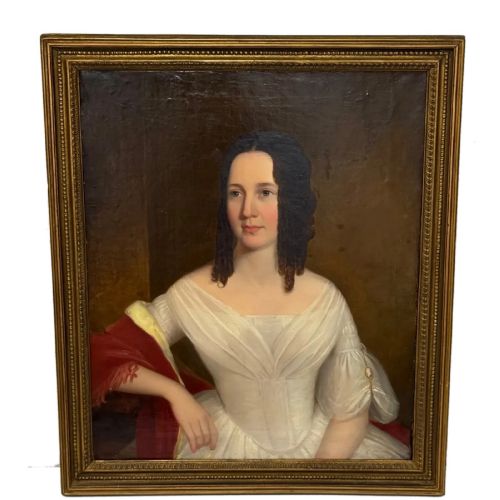
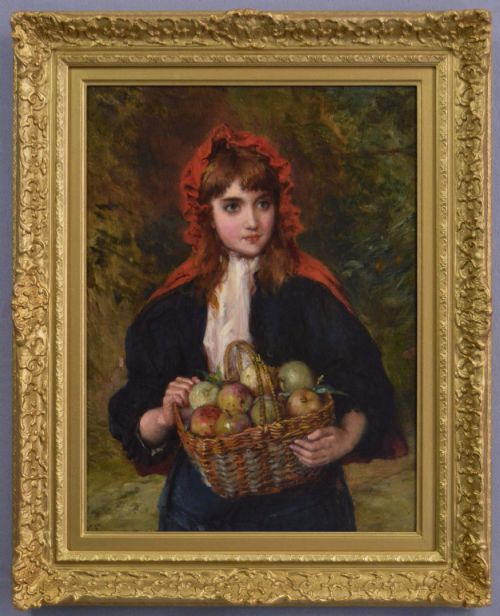
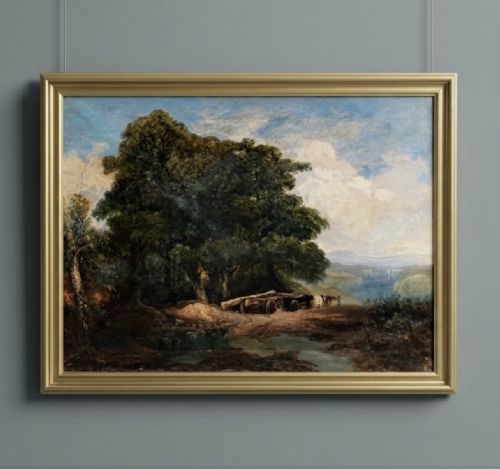
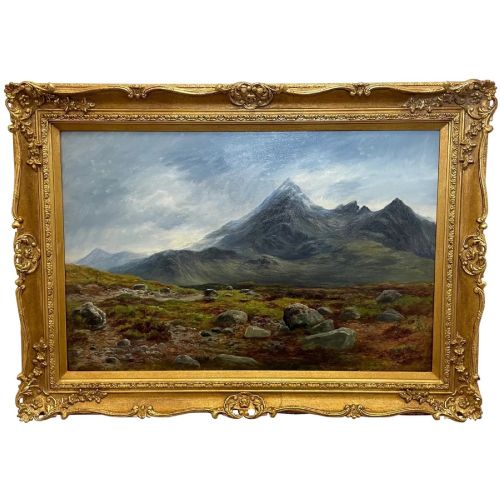
A 19th century framed oil typically presents historical subjects ranging from detailed equine portraits and maritime scenes to pastoral landscapes and intimate human studies. These works capture the artistic preoccupations of Victorian, Georgian, and Regency periods through traditional painting formats.
The physical presentation pairs the canvas or wood panel with period surrounds, occasionally incorporating decorative elements like trumeau mirror structures or architectural mouldings. Buyers encounter both signed works by known artists and pieces attributed to regional British or French schools.
Materials and Construction
Paintings in this selection are executed in oil paint upon stretched canvas, wooden panels, or board supports, utilising pigments bound in drying oils to achieve depth and lasting colour. The underlying supports reflect the practical choices available to nineteenth-century artists, from woven textiles to solid timber panels.
Surrounding surrounds commonly employ wood construction finished with gesso and gold leaf to create gilded decorative mouldings that complement the artwork. These frames provide structural protection while enhancing the visual weight of the composition.
Several canvases capture domestic animals, including mischievous kittens, watchful farm dogs, and prize-winning livestock.
Execution and Preservation
The calibre of a 19th century framed oil rests upon the precision of the brushwork, the anatomical or spatial accuracy of the composition, and the prestige of the hand that created it. Masterful handling of light and shadow distinguishes accomplished academic works from simpler provincial pieces.
Condition plays a primary role, with preference given to works retaining their original surface integrity, stable paint layers, and period-appropriate frames without excessive restoration.
Joseph Clover RA·Henry Barraud·Theude Grönland·Eugène Verboeckhoven·Richard Sebastian Bond·John Maler Collier·George Webster
The 19th Century Framed Oil Glossary
- Giltwood
- Wood that has been coated with a thin layer of gold leaf or gold paint. This finish creates a reflective, warm metallic border around the canvas.
- Gesso
- A plaster-like mixture applied to wood or canvas as a base for painting or gilding. It provides a smooth, prepared surface for detailed decorative work.
- Panel
- A solid flat piece of wood used as a rigid support for painting instead of flexible canvas. Wooden boards offered a durable surface favoured by many early practitioners.
- Provenance
- The documented history of ownership associated with an artwork. Clear records help establish the authenticity and origin of historical pieces.
19th Century Framed Oil: Frequently Asked Questions
How do I identify a nineteenth-century oil painting?
Examination of the canvas weave, the stretcher frame construction, and the ageing of the oil pigments helps determine the era of creation. Stylistic cues and artist signatures further anchor the piece within the eighteen-hundreds.
Analysing the reverse of the canvas or panel often reveals old stamps, labels, or inscriptions left by framers and previous owners.
Were these paintings always framed in wood?
Traditional mounting relied on solid timber profiles finished with gesso and gold leaf or painted surfaces to complement the artwork. These surrounds were integral to protecting the edges of the canvas and completing the visual presentation.
Replacement surrounds occasionally occur when original housings suffered damage over the decades of use.
What is the difference between canvas and panel supports?
Canvas provides a flexible woven textile surface stretched over a wooden frame, which absorbs brush pressure differently than a rigid wooden board. Panels offer a solid, stable base that prevents the cracking often associated with aged fabric.
Both supports were widely utilised throughout the nineteenth century depending on the artist's preference and subject scale.
How should I care for an antique oil painting?
Displaying the artwork away from direct sunlight and extreme humidity fluctuations protects the oil pigments and wooden frame from degradation. Gentle dusting with a soft, dry brush maintains the surface without introducing moisture.
Professional conservation should be sought if the paint layer shows signs of cracking or surface lifting.