


British School Maritime Painting
A british school maritime painting captures the changing moods of coastal life, offering a direct window into nineteenth and twentieth century maritime history.
British School Maritime Painting
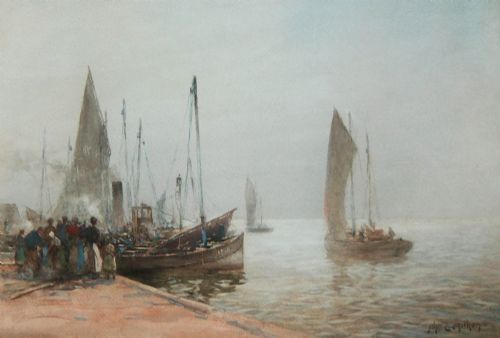
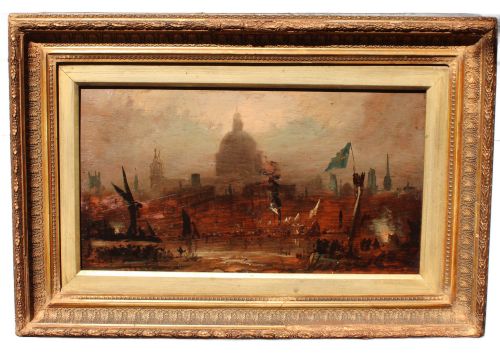
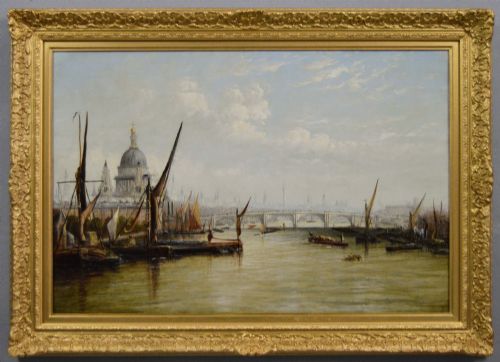
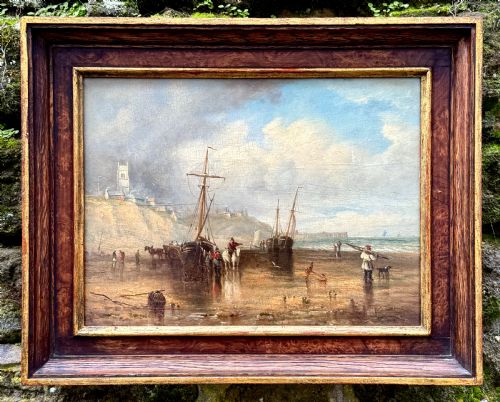
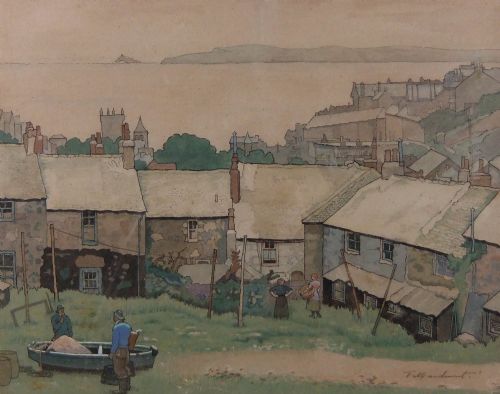
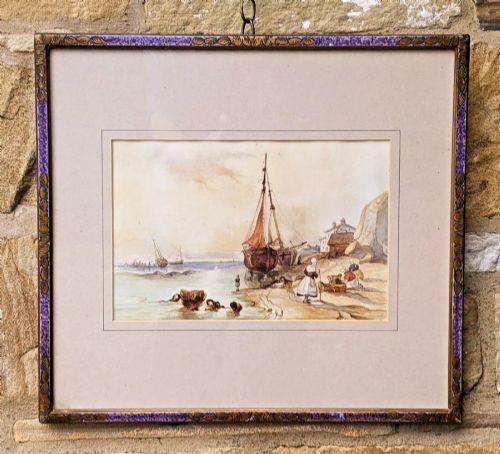
A british school maritime painting encompasses works created by artists working within Britain who depicted coastal views, rivers, harbours, and open seas. These works frequently record bustling ports, fishing fleets, and historic vessels along shores from Yorkshire to Cornwall. Buyers exploring this category encounter both detailed harbour studies and atmospheric coastal landscapes produced across the nineteenth and twentieth centuries.
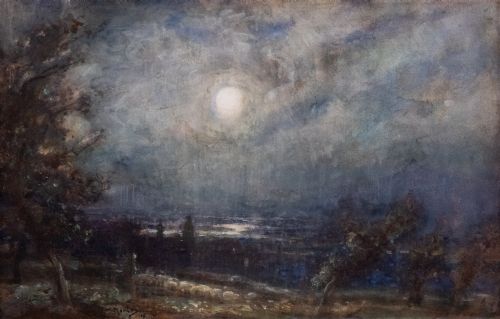
The selections available here showcase a strong representation of watercolours on paper and oil paintings on canvas, board, or card. Many pieces originate from regional traditions such as the Newlyn School, capturing local fisherfolk and specific coastal topography with notable fidelity. Works span from early nineteenth century studies reminiscent of Turner's manner to mid twentieth century impressionist treatments of moonlit waters.
Materials and Techniques
Artists in this tradition relied primarily on oil paints applied to canvas or wood panels, and watercolour pigments worked onto paper supports. Oil mediums permitted rich layering to render turbulent waves, stormy seas, and shimmering river surfaces with depth. Watercolours achieved lighter, immediate effects, capturing swift atmospheric shifts across coastal skies and harbour walls.
Framing often involved traditional wood mouldings finished with gold leaf and gesso to complement the painted surface. Card supports also appear in smaller oil sketches, providing a stable, rigid ground for rapid plein air observations. Pigment choices typically reflected the muted, natural tones of British coastal light, favouring greys, deep blues, and earthy ochres.
Several artists clearly braved biting North Sea gales to paint frozen fingers in Whitby harbour.
Distinguishing Quality
Quality in these works rests upon the artist's command of light, atmosphere, and maritime architecture. Superior examples demonstrate confident brushwork and precise observation of rigging, hull forms, and tidal movement, avoiding static or formulaic compositions. The handling of changing weather and the reflective quality of water separate accomplished plein air studies from more mechanical workshop productions.
Context and provenance further elevate a piece, particularly when specific vessels, identifiable ports like St Ives or Whitby, or documented artists are involved. The preservation of the original paper or canvas support, alongside minimal retouching, ensures the historical integrity of the painting remains intact for the collector.
James E Aitken·Thomas William Morley·Francis Moltino·Thomas Creswick·William Frederick Settle·Arthur Tucker·Frank H Mason·William Wyld·Henry Barlow Carter·Percy Brooke·William Lambert Bell·Ralph Todd·William Shayer·Thomas Bush Hardy·William Lee Hankey·S J Lamorna Birch·Arthur Netherwood·Alec Caruthers Gould·Rowland Henry Hill·Walter Williams·Gordon Meadows
The British School Maritime Painting Glossary
- Newlyn School
- An art colony based in Cornwall during the late nineteenth and early twentieth centuries, focusing on plein air realism and depictions of local fishing communities.
- Gesso
- A plaster-like material applied to wooden frames or panels to provide a smooth, prepared surface for subsequent gilding or painting.
- Plein air
- The practice of painting outdoors to capture direct observations of natural light, weather, and atmospheric conditions.
- Canvas
- A heavy woven fabric stretched across a wooden frame, serving as a durable primary support for oil paintings.
British School Maritime Painting: Frequently Asked Questions
What subjects appear in these paintings?
These works depict historical shipping, busy fishing harbours, quiet river estuaries, and dramatic coastal storms around Britain. Scenes often feature specific locations such as the River Thames, Whitby, St Ives, and the Yorkshire coast.
Artists frequently documented the daily labour of coastal communities, including fisherfolk mending nets or bringing in the catch alongside sailing clippers and working drifters.
How do I care for a watercolour painting?
Watercolour works on paper require careful protection from direct sunlight to prevent the pigments and paper support from fading over time. Glazing with conservation-grade glass helps shield the delicate washes from ultraviolet light and atmospheric pollutants.
Display these pieces in rooms with stable humidity and temperature levels to avoid warping the paper or encouraging mould growth within the frame.
What defines the Newlyn School style?
The Newlyn School style centres on naturalistic plein air painting that portrays the authentic daily lives of Cornish coastal inhabitants. Artists working in this manner emphasised honest portrayals of local figures, weather-beaten boats, and grey coastal light.
These compositions avoid romantic exaggeration, relying instead on direct observation of maritime environments and working communities.
How are oil and watercolour paintings distinguished?
Oil paintings utilise heavy pigments suspended in drying oils applied to canvas, wood, or card, creating a rich, textured surface that can be built up in thick layers. Watercolours employ water-soluble pigments on paper, producing transparent washes and luminous, lightweight effects.
Oils generally require sturdy frames without glass protection, whereas works on paper need framing behind glass to preserve the fragile medium.