





Antique Marine Landscape Artwork
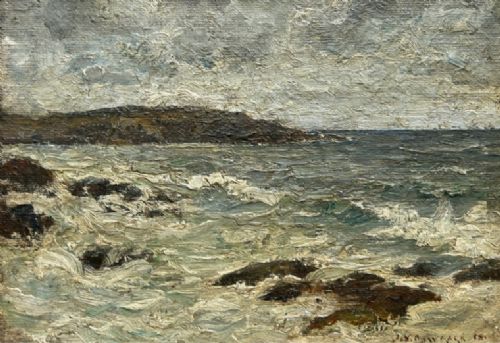
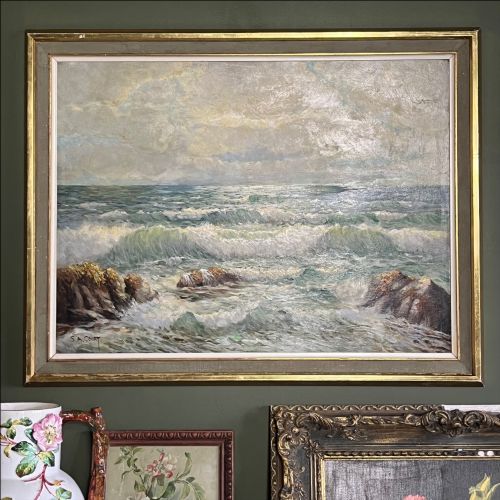
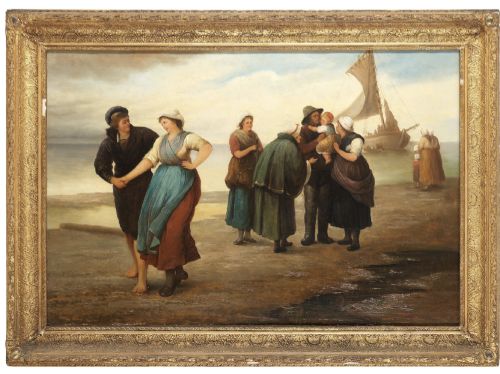
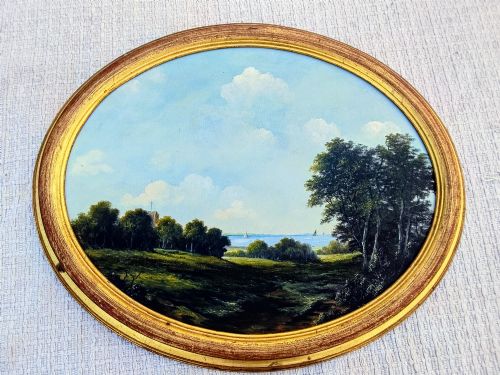
Antique marine landscape artwork captures coastal views, bustling harbours and open seas across oil and watercolour mediums.
Antique Marine Landscape Artwork
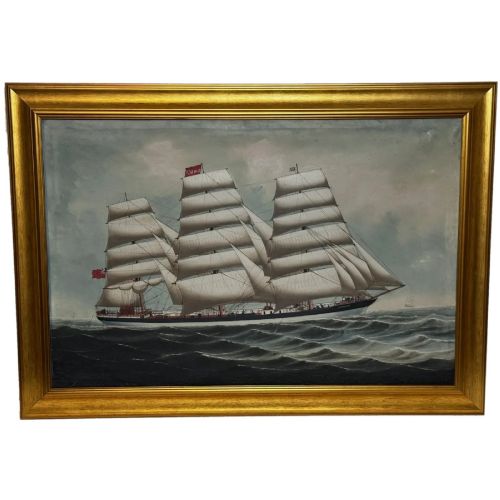
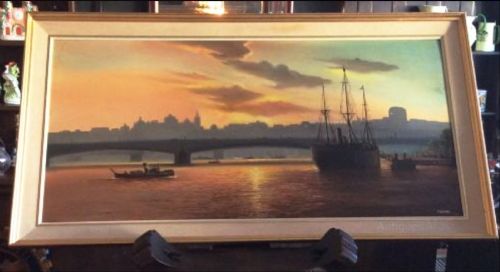
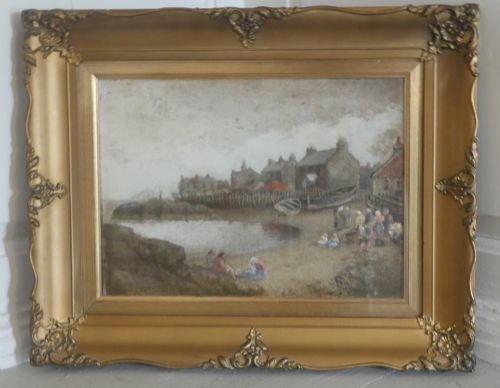
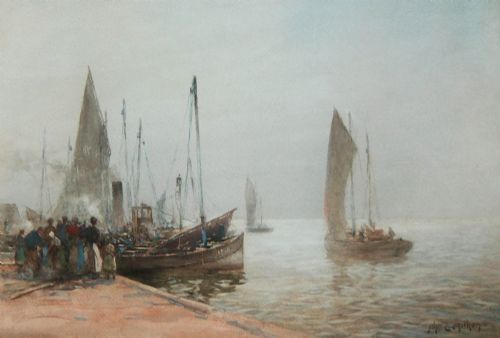
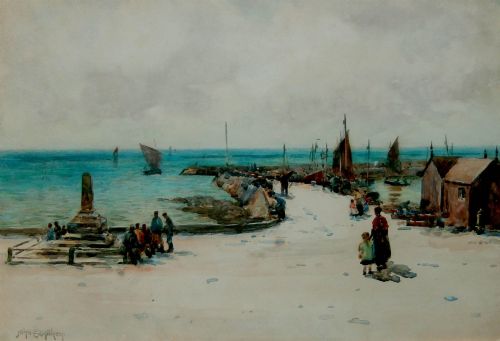
When searching for antique marine landscape artwork, you encounter nineteenth-century watercolours and oils depicting coastal scenes, rivers and shipping. These works range from intimate depictions of fishing boats in Cornish harbours to panoramic river views of London.
The nineteenth century and the Edwardian period provide the vast majority of these maritime paintings. You frequently meet works on paper, canvas and board framed in original gilt wood.
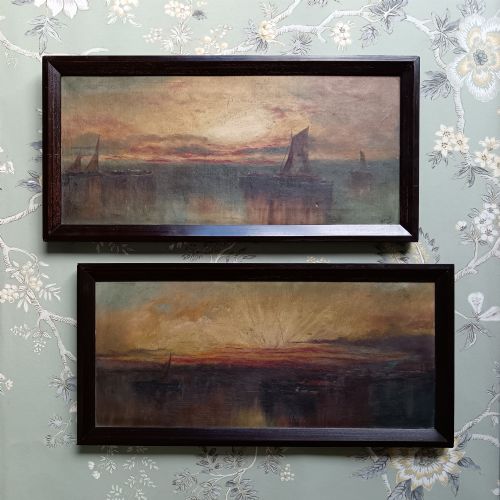
Victorian marine art often records specific British coastal towns, estuaries and historical vessels. These paintings combine topographical interest with atmospheric weather effects such as sunrise, sunset and storms.
How they were made
Artists painted these marine landscapes primarily in oil on canvas or board, and in watercolour on paper. Oil paint allowed for thick impasto textures to capture turbulent seas, whilst watercolour suited translucent washes of light and sky.
Finished works were typically housed behind glass for watercolours or set within heavy gilt wood frames for oil paintings. These frames often match the period of the artwork itself.
Sailors occasionally painted between storms, capturing the exact shade of grey a North Sea wave turns when dinner is delayed.
What varies in quality
The strength of the composition and the confidence of the brushwork distinguish the finest pieces from more formulaic student or amateur efforts. Master painters command a fluency in rendering water movement, vessel rigging and atmospheric light.
Condition plays a vital role, particularly the preservation of the original pigment and the stability of the canvas or paper support. Original framing also contributes to the desirability and integrity of the piece.
James Orrock·Reginald Arthur Borstel·B. Nash·James E. Aitken·John E. Aitken·William Banks Fortescue·Bonaventura Peeters·Francis Moltino·Hector Caffieri·Bernard Benedict Hemy·Thomas Creswick·Willem Bos·Charles Euphraisie Kuasseg·John Wilson Carmichael·John Moore of Ipswich·William Henry Williamson·Robert Leslie Howey·John Holland·George Stanfield Walters·Frank Kelsey·Henry Barlow Carter·F A Roylance·John Moxon·William Frederick Settle·Alfred George Morgan
The Antique Marine Landscape Artwork Glossary
- Impasto
- Paint applied thickly to a canvas or board, standing out in relief to give texture and movement to waves or clouds.
- Seascape
- A work of art depicting the sea, coastlines, ships and maritime activities.
- Watercolour
- A painting method in which the paints are made of pigments suspended in a water-based solution on paper.
- Gilt wood
- Wood coated with a thin layer of gold leaf or gold paint, commonly used for period picture frames.
Antique Marine Landscape Artwork: Frequently Asked Questions
What subjects appear in marine paintings?
These works typically show coastal villages, fishing fleets, stormy seas and calm river estuaries. Artists recorded working harbours, naval vessels and recognisable landmarks like Durham Cathedral or London bridges.
Many paintings document specific historical locations across Britain and Europe, offering a record of nineteenth-century maritime life and coastal trade.
How do I care for antique watercolours?
Watercolours are sensitive to light and require positioning away from direct sunlight to prevent fading. Framing behind UV-protective glass helps preserve the delicate pigments on paper.
Keep these artworks in stable environmental conditions away from damp walls and excessive humidity to protect the paper support and original mounts.
Are these paintings signed by the artist?
Many pieces carry visible signatures, monograms or contemporary inscriptions detailing the location and date. Some works remain attributed based on style or documentation recorded on the reverse.
Examine the lower corners of the canvas or paper for artist signatures, and check the frame or stretcher bars for old gallery labels and handwritten notes.
How should I display maritime artwork?
Matching the scale of the painting to your wall space ensures it sits comfortably in a room. Large oil paintings in gilt frames suit prominent living spaces, whilst smaller watercolours work well in quieter study areas.
Consider the lighting in your room so that oil paintings catch natural light without excessive glare from the protective varnish or glass.