


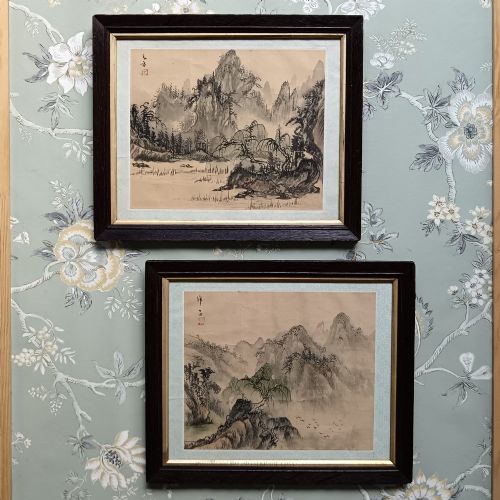

Vintage Original Watercolour
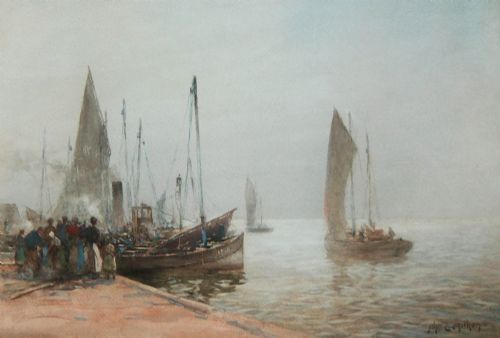
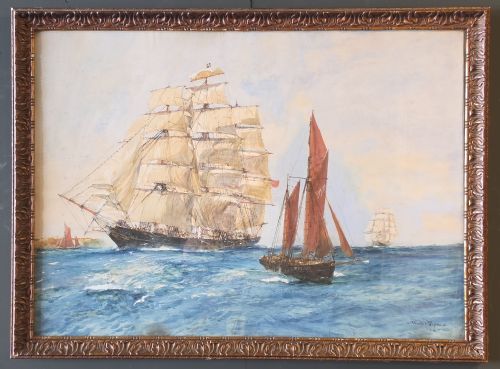
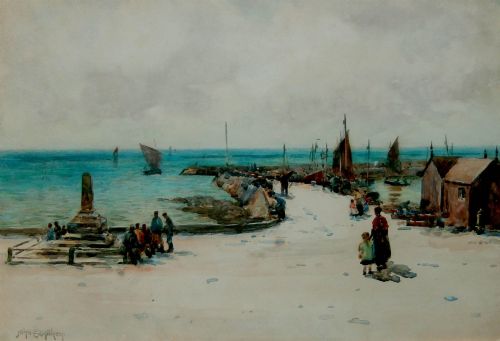
Vintage original watercolour paintings capture light and topography across British landscapes and coastal scenes from the nineteenth and twentieth centuries.
What vintage original watercolour pieces are
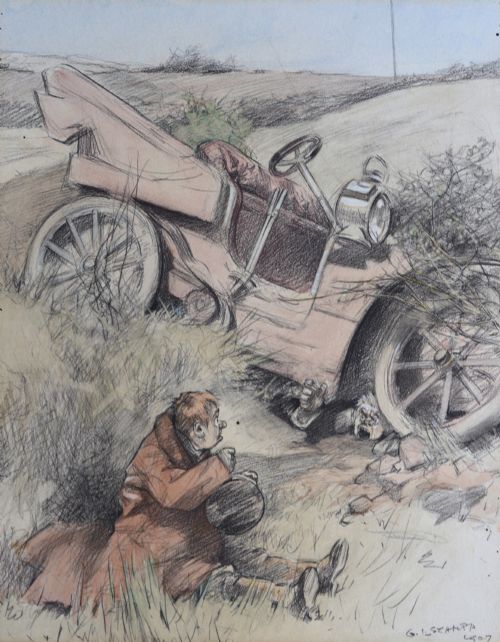
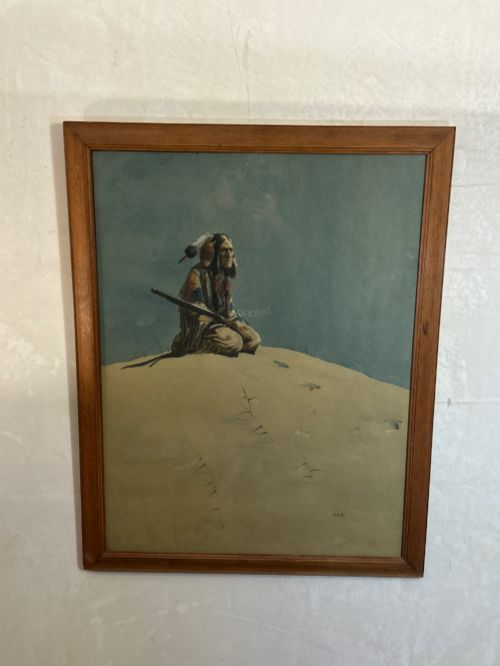
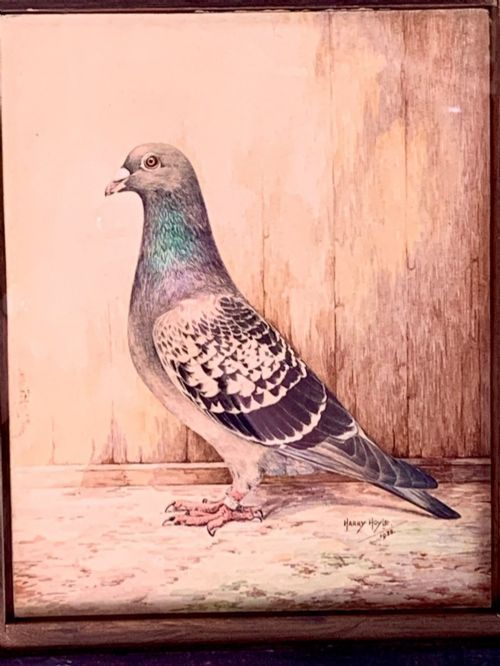
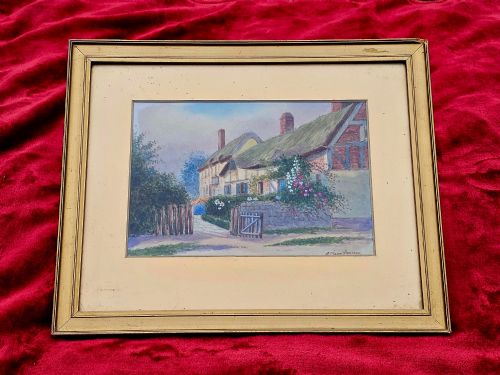
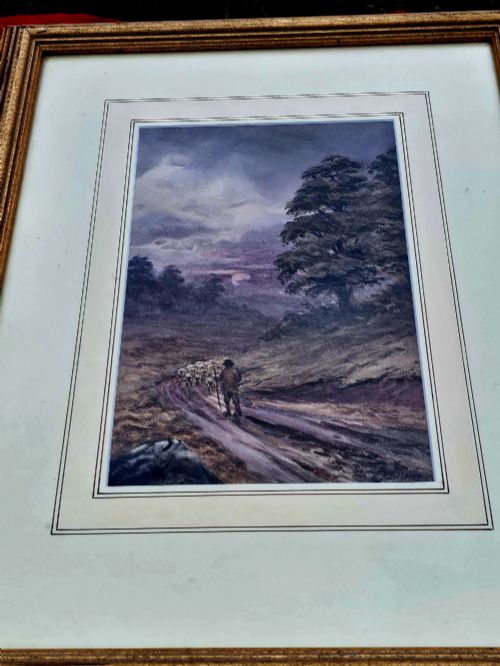
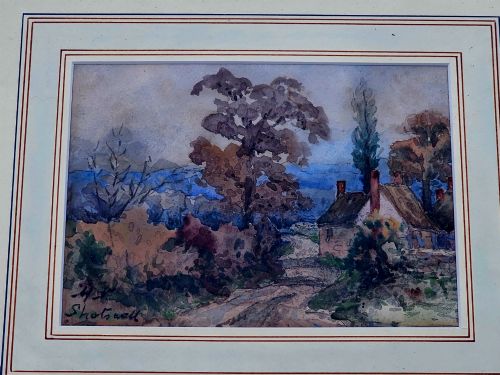
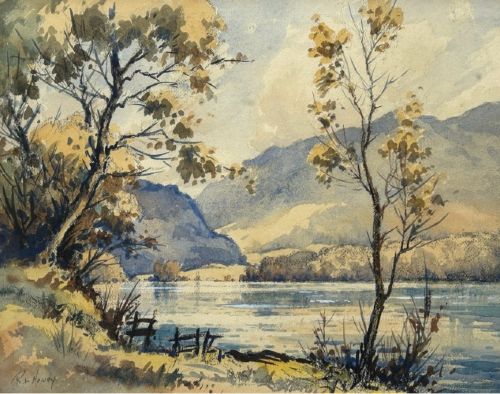
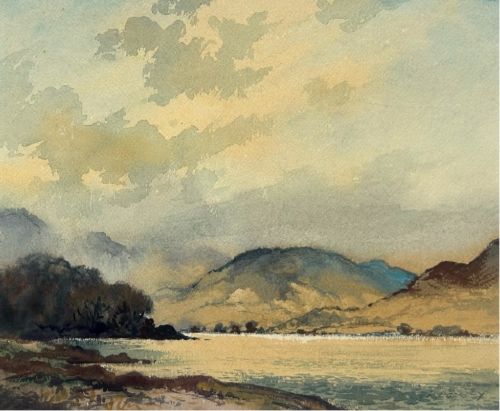
A vintage original watercolour represents a unique painting executed by hand on paper or board, rather than a mass-produced print or reproduction. These works span the nineteenth century through the mid-twentieth century, capturing rural landscapes, coastal harbours, and domestic still lifes.
The selections on this page feature British and Dutch subjects, with particular emphasis on regional views across Yorkshire, Cumbria, and Cornwall. Works range in date from the Edwardian era through the post-war period.
Buyers encounter framed and unframed paintings executed by named regional artists as well as unsigned studies and wallpaper designs. Each piece bears the direct touch of the brush and the distinctive tonal qualities of water-based pigment on paper.
Materials and technique
Artists apply water-soluble pigments suspended in gum arabic onto heavyweight paper or board surfaces. Masters of the medium utilise the white of the unpainted paper to create highlights, building luminosity through transparent washes rather than opaque layers.
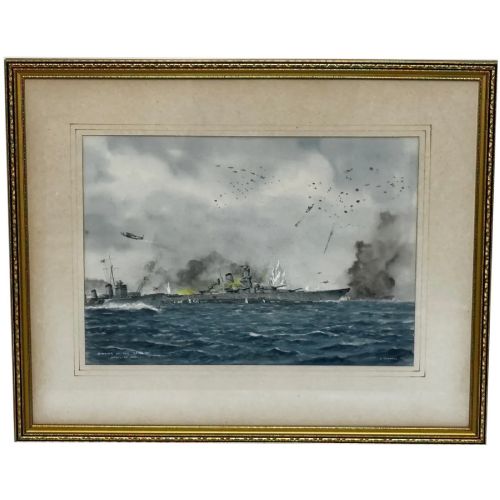
Many compositions incorporate pen and ink work beneath or alongside the pigment to define architectural lines and foreground details. Finished pieces are protected behind glass within wooden frames, occasionally incorporating gilt mouldings.
Retail Price Guide 2026
Typical UK retail prices for vintage original watercolour, calculated from the Sellingantiques database of over a million retail prices indexed since 2003. This retail price guide relies exclusively on Sellingantiques data; no external sources or auction records are used, so the figures do not describe the wider market.
Subject matter centres on British landscapes, coastal villages, and botanical studies, alongside occasional architectural designs.
Distinctions in quality
Quality rests upon the surety of the brushwork and the artist's ability to capture atmospheric light and spatial depth within a transient medium. Superior examples display confident, unhesitating washes that describe form and weather without excessive reworking.
The stability of the paper support and the preservation of the original pigment vibrancy dictate the standing of a work. Strong tonal contrast and good conservation separate masterly regional studies from amateur exercises.
Joseph R R McCulloch·Hendrik Valkenberg·Fred Lawson·William Hoggatt·William Tatton Winter·Karl S Wood·Albert Pile·David R Anderson·Ethel May Mallinson·Philip Naviasky·Walter C Horsnell·Thomas Herbert Victor·Julie Harber·Barbara Dorf·Jack Cudworth·William Greaves·Sir Albert Edward Richardson·LS Lowry·John Arthur Dees·Orlando Greenwood·Angus Rands·Tom Whitehead
The Vintage Original Watercolour Glossary
- Watercolour
- A painting method where fine pigment is mixed with a water-soluble binder and applied to paper. This medium relies on the reflectivity of the paper surface to illuminate translucent layers of colour.
- Wash
- A thin, fluid layer of diluted pigment spread evenly across the paper to create skies, water, or background fields. Painters control the water ratio to achieve soft edges and smooth gradations.
- Gouache
- An opaque water-based paint containing pigment mixed with a binding agent and white filler. Artists employ this medium to add solid highlights and opaque details over transparent watercolour washes.
- Provenance
- The documented history and chain of ownership tracing an artwork from its creation to the present day. This record establishes authenticity and provides context for studio sales and exhibitions.
- Support
- The physical material upon which the artist applies the paint, most commonly rag paper, handmade paper, or mounting board. The weight and texture of this foundation influence how the pigment absorbs and dries.
Frequently Asked Questions
How should I frame an old watercolour?
Protect the paper by using acid-free mount board and framing materials that prevent the artwork from touching the glass directly. Keep the framed piece away from direct sunlight to prevent the fugitive pigments from fading over time.
Ensure the backing board provides adequate sealing against dust and ambient moisture while allowing the paper to breathe naturally within the frame.
How do I distinguish a painting from a print?
Examine the surface under a magnifying glass to check for the continuous brush strokes, pooling pigment edges, and paper fibre indentation characteristic of original hand-painted works. Prints reveal a uniform dot matrix or flat ink layer under magnification.
Original watercolours also show brush texture in heavier pigment areas and subtle variations where washes settle into the grain of the paper.
Why do some watercolours change colour over time?
Early pigments possessed varying degrees of lightfastness, meaning certain blues and reds react to prolonged exposure to ultraviolet light and environmental humidity. Paper supports made from wood pulp also yellow as they age when exposed to acidic backing boards.
Professional conservation framing helps halt these chemical changes by filtering harmful light and isolating the paper from acidic framing components.
Where were these landscape scenes typically painted?
Artists travelled widely across British rural and coastal regions, finding inspiration in the Yorkshire Dales, the Lake District fells, and Cornish fishing harbours. Many painters worked directly out of doors to capture authentic local weather and topography.
Studio work often followed these plein air excursions, translating field sketches into finished exhibition pieces or intimate domestic views.