


Framed River Scene Painting
A framed river scene painting captures the enduring appeal of moving water, riverbanks and historic bridges through the eyes of past artists.

Framed River Scene Painting
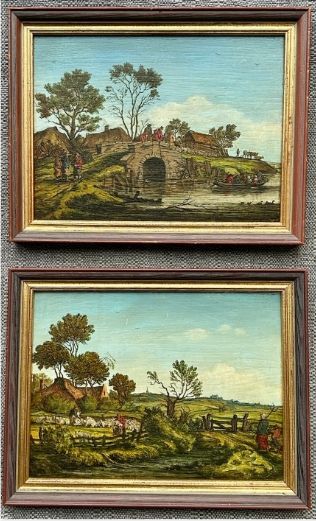
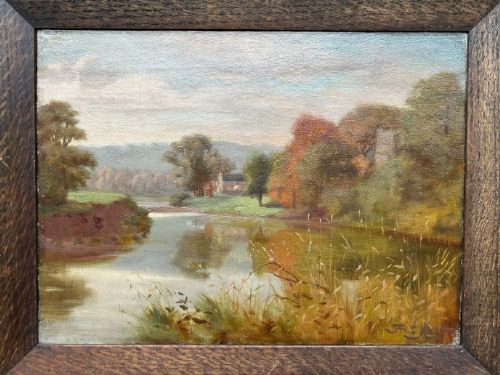
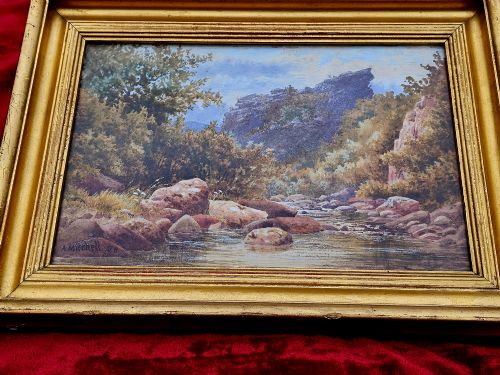
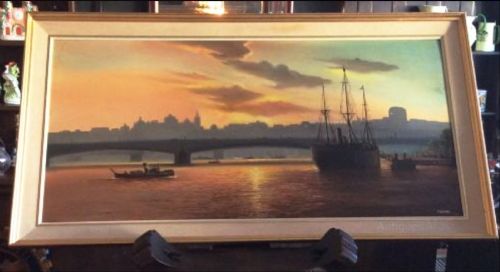
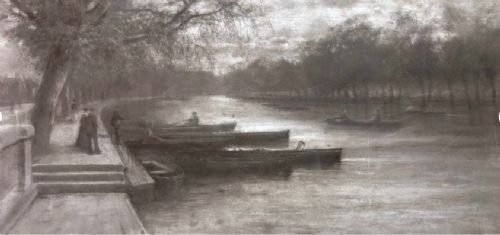
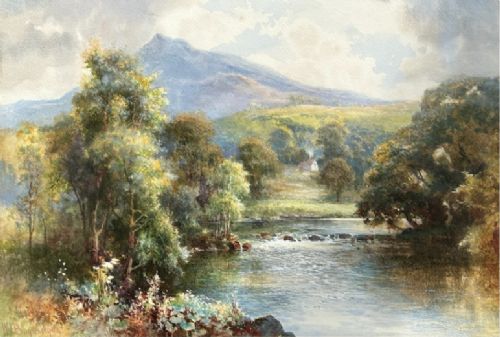
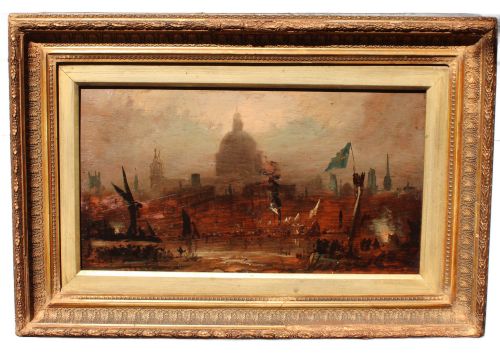
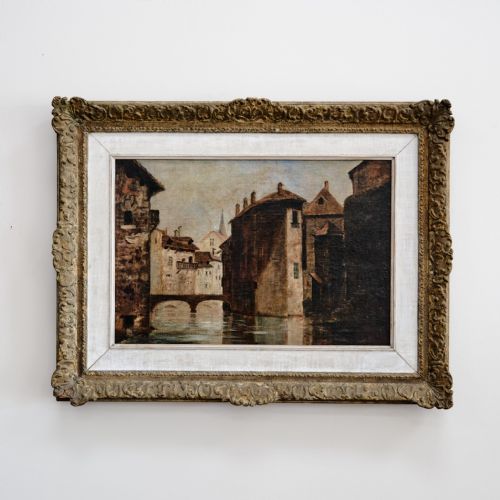
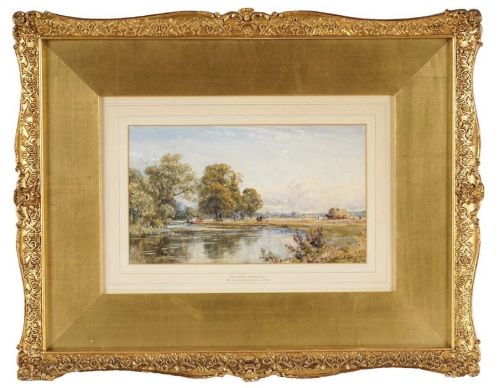
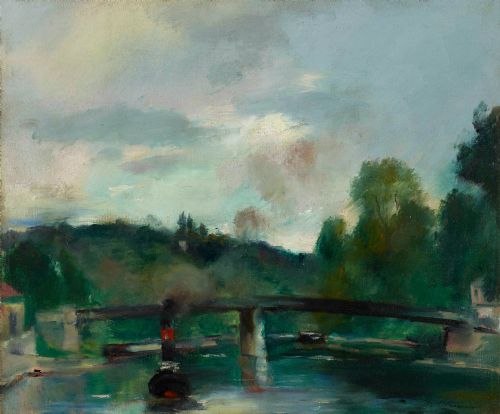
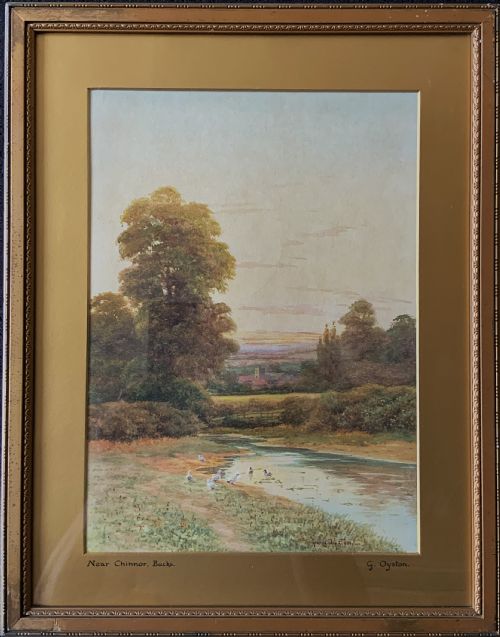
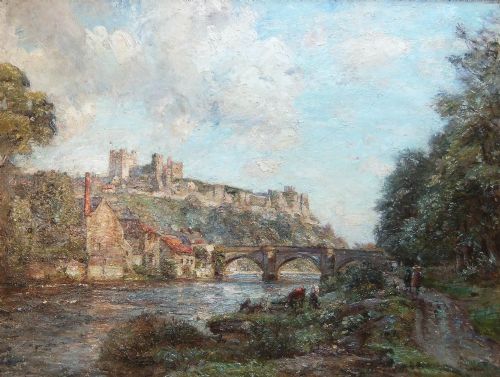
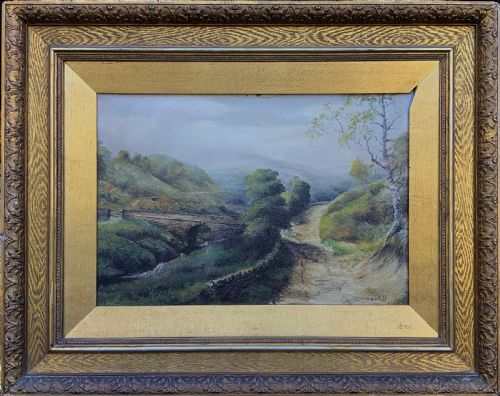
A framed river scene painting presents pastoral views, industrial waterways and coastal harbours across canvas, wood panels and paper. You are most likely to encounter nineteenth-century and early twentieth-century works, often rendered in oil or watercolor.
The selections range from intimate British watercolor studies of rural streams to larger continental oil paintings depicting Dutch frozen landscapes and French chateau riverbanks. Many pieces record specific locations, including the Thames, the Tyne and the Severn.
Artists working within Victorian, Edwardian and impressionist traditions dominate the selection, bringing varied interpretations of light and weather to water-based topographies.
Materials and Technique
Makers utilised oil paint applied to canvas, wood panels and board, or watercolour pigments worked onto paper. These mediums define the texture of the surface, from smooth impasto strokes to delicate washes.
Framing typically involves wood, gesso and giltwood structures that enclose the artwork, sometimes incorporating glass for works on paper to protect the delicate surface from moisture and dust.
Several canvases manage to squeeze an entire bustling London regatta, a stubborn barge and three stray ducks into a very small wooden frame.
Judging Quality
Quality rests upon the artist's handling of light upon water, atmospheric depth and the confident placement of figures or vessels within the landscape. Superior brushwork or watercolour control separates accomplished studio output from more formulaic topographical recording.
The condition of the canvas, panel or paper, alongside the integrity of the original frame, influences the physical preservation of the piece.
George Graham·Frederick Marriott·William Joseph Boyes·George Oyston·Herbert Royle·Henry H Parker·Thomas Baker of Leamington·Frederick Hines
The Framed River Scene Painting Glossary
- Oil on Canvas
- A painting medium where pigments suspended in drying oils are applied to stretched woven fabric. This combination allows for rich colour saturation and textured impasto effects.
- Watercolour Painting
- A method where water-soluble pigments are applied to paper to create translucent washes of colour. It requires precise brush control due to the fluid nature of the medium.
- Giltwood
- Wood carved and coated with a thin layer of gold leaf. It forms the decorative outer boundary for many historic paintings.
- Wood Panel
- A rigid wooden support used instead of canvas for painting. Artists frequently utilised mahogany or oak boards during earlier centuries.
- Impressionism
- An art movement focusing on transient effects of light and ordinary subject matter. It prioritises visible brushstrokes over detailed realism.
Framed River Scene Painting: Frequently Asked Questions
How do I date a river painting?
Dating relies on stylistic evidence, artist active dates and framing materials. Victorian and Edwardian works often bear signatures or exhibition labels on the reverse.
Changes in fashion, transport and bridge architecture depicted within the landscape also help narrow down the period of creation.
What is the difference between oil and watercolour?
Oils use pigment mixed with drying oil on canvas or panel, offering thick textures and deep colour blending. Watercolours use water-soluble pigments on paper.
Watercolours require glass protection to prevent environmental damage, whereas oil paintings remain exposed to the air.
Where should I hang a river landscape?
These works suit dining rooms, studies or hallways where natural light can illuminate the varied tones of the water and sky. Avoid placing them in direct sunlight or damp spaces.
Matching the period of the frame to your interior decor helps integrate the artwork into the room.
How do I identify the location in a painting?
Many works include titled inscriptions on the reverse, stretcher bars or original mounts naming specific rivers like the Thames, the Tyne or Welsh waterways. Architectural landmarks such as bridges, locks or mills provide further clues for local identification.